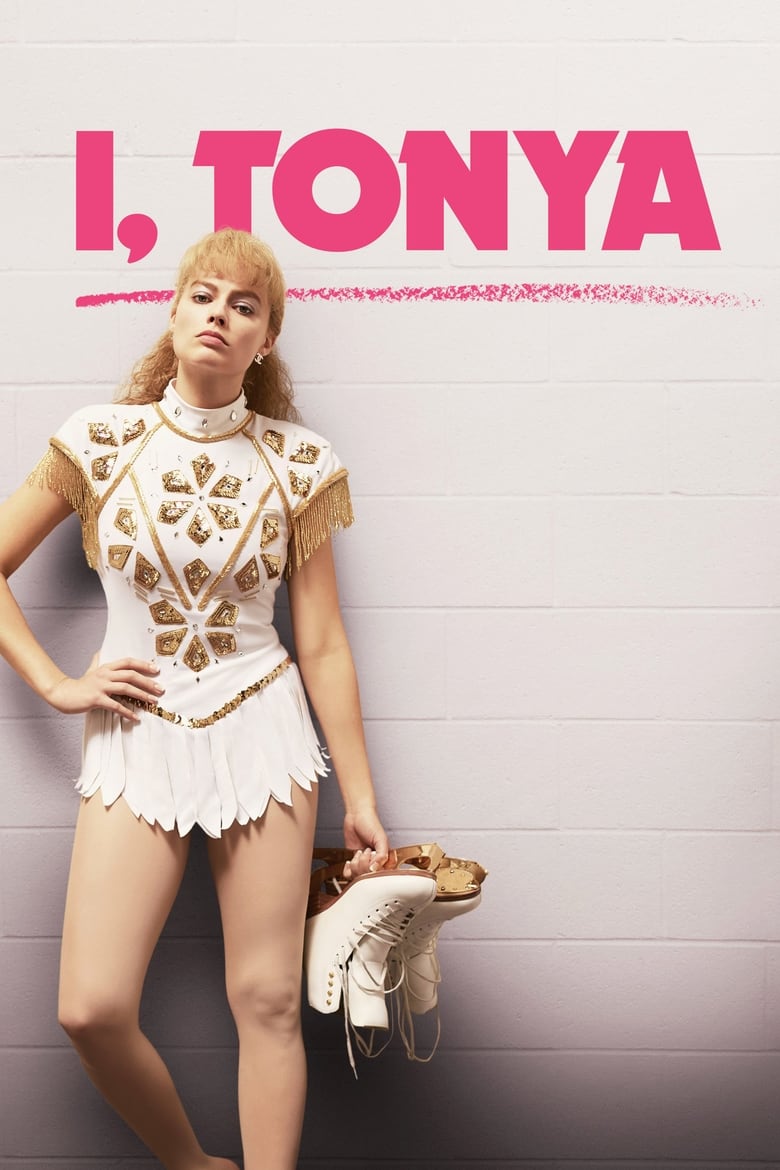

I, Tonya follows Tonya Harding from a poor childhood in Oregon to the top of U.S. figure skating. Her mother pushes her onto the ice, while her husband Jeff becomes violent and controlling. Tonya fights to compete as judges and reporters shape her public image. The attack on rival Nancy Kerrigan puts her Olympic place and career at risk. The film tells the story as a dark comedy, with abuse and clashing versions of past events. The story repeatedly links Tonya's treatment in skating to her poverty and her refusal to fit the polished image of a woman skater. Judges expect a neat, wholesome image and reporters turn Tonya and Nancy into a villain and a princess. The film also shows abuse by Tonya's mother and Jeff, then follows her effort to keep skating after the Kerrigan attack. Tonya's direct comments about gender and class give those themes a clear place in the story. Her skating career and the scandal still drive the plot.
Community feedback
Was our 51% Woke rating accurate?
Loading review details…
Breakdown
These are the editorial factors and ratings behind our score for I, Tonya.
Woke representation / casting
Not present. The cast portrays real people from the Harding-Kerrigan story.
0%
Woke political dialogue
Tonya tells the camera that skating judges want an old-fashioned idea of what a woman should be. Tonya says she will not apologize for growing up poor or being a “redneck.” These lines bring her own gender and class complaints into the story.
18%
Identity-driven story themes
The film shows skating judges measuring Tonya against a polished, feminine image. Tonya's poverty, homemade clothes, and rough style mark her as an outsider in the sport. Her treatment links gender expectations and class judgment to her long fight for recognition.
35%
Western institutional / cultural critique
The skating judges treat a “wholesome American family” image as part of the sport. Reporters cast Nancy as a princess and Tonya as a villain, then sell their clash as a national story. The film shows sports officials and media shaping Tonya's public image throughout the scandal.
34%
Woke character or canon changes
Not relevant. The film portrays real people without changing their identities.
0%
Anti-woke backlash and complaints
TIME grouped Allison Janney's class-and-media comments about I, Tonya at the 2018 Golden Globes into what it called a “new woke narrative.” Pete Lee said the film followed a “Buzzfeed-era morality code” that kept Tonya from being blamed. TIME gave the complaint national coverage, while the X post had little follow-on.
62%
Creator track record context
Craig Gillespie's listed score is 54, and his notes point to stories about class and power. Margot Robbie's listed score is 50, and her company sought female-driven stories for this film. Steven Rogers's listed score is 45, with notes about class, abuse, and media judgment in I, Tonya. These profiles support a moderate creator track record score.
47%
Production
Movie · 2026
A 19-year-old Anthony Bourdain travels to Provincetown and stumbles into the chaotic world of a restaurant kitchen, setting off a summer that will shape the course of his life.
Movie · 2021
In 1961, a 60-year-old taxi driver stole Goya’s portrait of the Duke of Wellington from the National Gallery in London.
Movie · 2026
When Rick, a past-his-prime wedding singer, meets fading boy-band star Danny during a gig, the two bond over music and a late-night jam session.
Movie · 2019
The story of Rudy Ray Moore, who created the iconic big screen pimp character Dolemite in the 1970s.
Movie · 2020
Scott has been a case of arrested development ever since his firefighter father died when he was seven. He's now reached his mid-20s having achieved little, chasing a dream of…

Movie · 2024
When a construction worker unexpectedly joins a local theater's production of Romeo and Juliet alongside his estranged teenage daughter, the drama onstage starts to mirror his own…

Movie · 2017
When dictator Joseph Stalin dies, his parasitic cronies square off in a frantic power struggle to become the next Soviet leader.
Movie · 2019
Los Angeles, 1969. TV star Rick Dalton, a struggling actor specializing in westerns, and stuntman Cliff Booth, his best friend, try to survive in a constantly changing movie…
