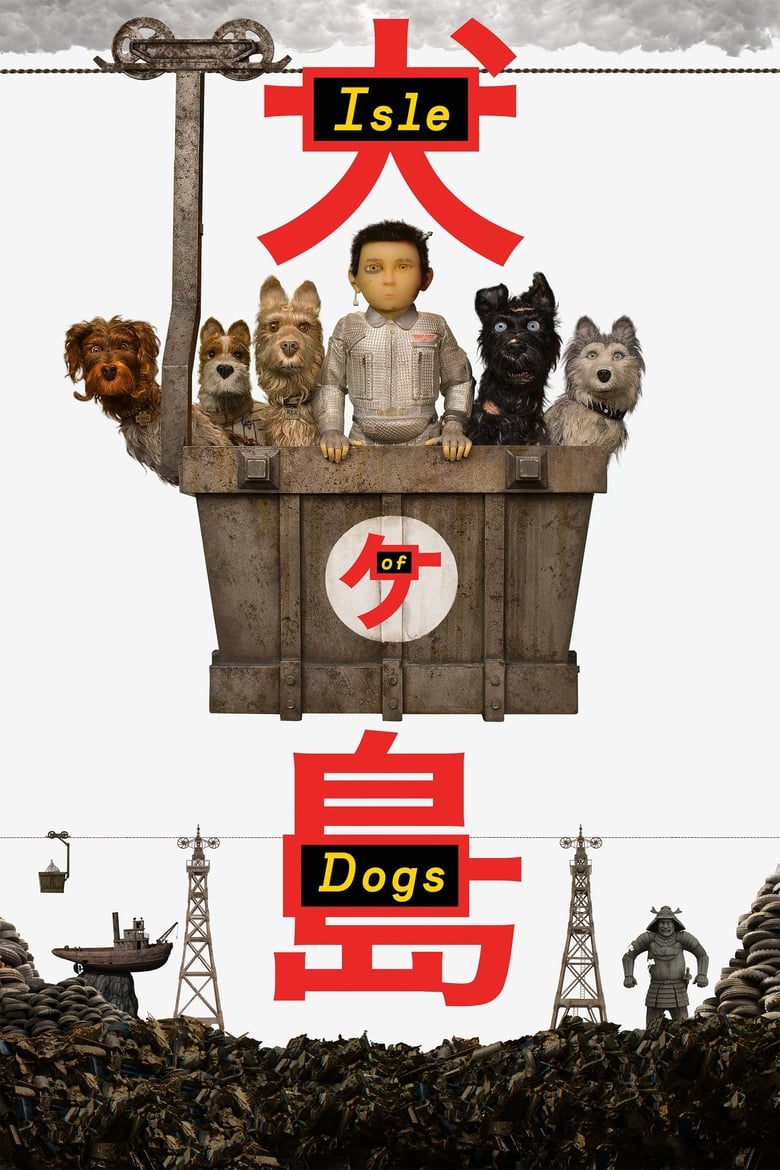

Twelve-year-old Atari lives in the future Japanese city of Megasaki under the care of Mayor Kobayashi. The mayor banishes every dog to a trash island after an outbreak of dog flu. Atari flies there to find his missing dog Spots, and a rough stray named Chief helps him search. The adventure mixes dry jokes, strange sights, and warm moments with danger. The mayor’s team spreads fear of dogs and hides a cure to support a plan to kill them. American exchange student Tracy Walker leads student protests and brings proof that the ban rests on lies. Her speeches and the mayor’s threat to cancel her visa give this part of the story a clear political edge about outsiders and unfair treatment. Atari and Chief’s growing trust remains the heart of the film, while the student movement helps save the dogs.
Community feedback
Was our 34% Woke rating accurate?
Loading review details…
Breakdown
These are the editorial factors and ratings behind our score for Isle of Dogs.
Woke representation / casting
Not present. The Japanese human cast fits the setting, and Tracy is an American exchange student.
0%
Woke political dialogue
Tracy leads protests against the dog ban and calls the mayor’s election victory a fraud. Mayor Kobayashi dismisses the protesters as agents of overseas groups and cancels Tracy’s study visa. These exchanges give the student protest scenes modern political framing about outsiders and the right to challenge those in power.
30%
Identity-driven story themes
Mayor Kobayashi’s government turns dogs into a feared group and hides the cure that would let them return. Tracy’s student movement helps expose the lies and stop their planned deaths. Bryan Cranston linked this continuing story to immigration, segregation, and fear of outsiders. The film supports an anti-exclusion message through the dogs’ rescue and return to their homes.
40%
Western institutional / cultural critique
Not present. The corrupt government belongs to a made-up Japanese city, and the story does not blame Western culture or institutions as a whole.
0%
Woke character or canon changes
Not relevant. This is an original story, not an identity rewrite of established characters, canon, or real historical figures.
0%
Anti-woke backlash and complaints
Not present in this title.
0%
Creator track record context
Wes Anderson’s stored context includes criticism of Donald Trump and Elon Musk. Steven M. Rales’s stored context includes Democratic donations and support for same-sex marriage and Planned Parenthood. These records add liberal political and social-cause context to the production. The supplied summaries for the main writers report little identity-activist history.
28%
Production

Movie · 2019
A young boy is born as the reincarnation of a demonic power, into a society that hates and fears him. Destined by prophecy to bring destruction to the world, Nezha must choose…
Movie · 2019
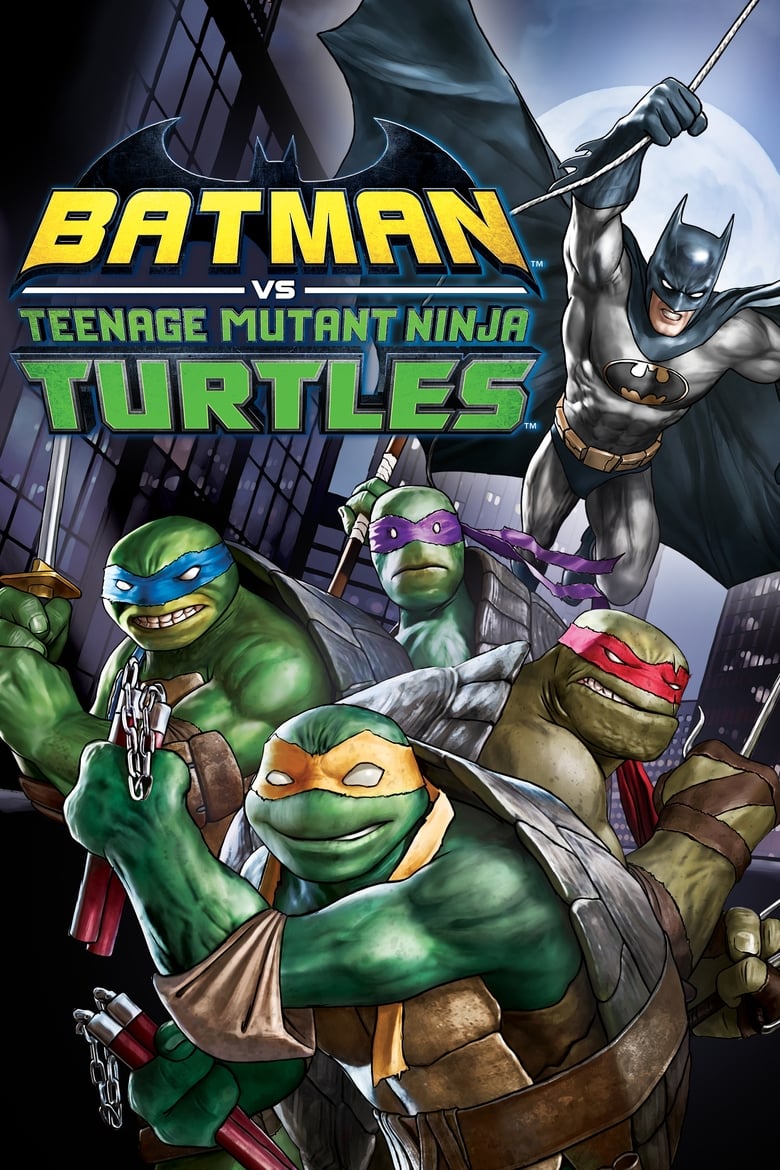
Batman, Batgirl, and Robin forge an alliance with the Teenage Mutant Ninja Turtles to fight against the Turtles' sworn enemy, The Shredder, who has apparently teamed up with Ra's…

Movie · 2023
A lonely dog's friendship with his robot companion takes a sad turn when an unexpected malfunction forces him to abandon Robot at the beach. Will Dog ever meet Robot again?
Movie · 2020
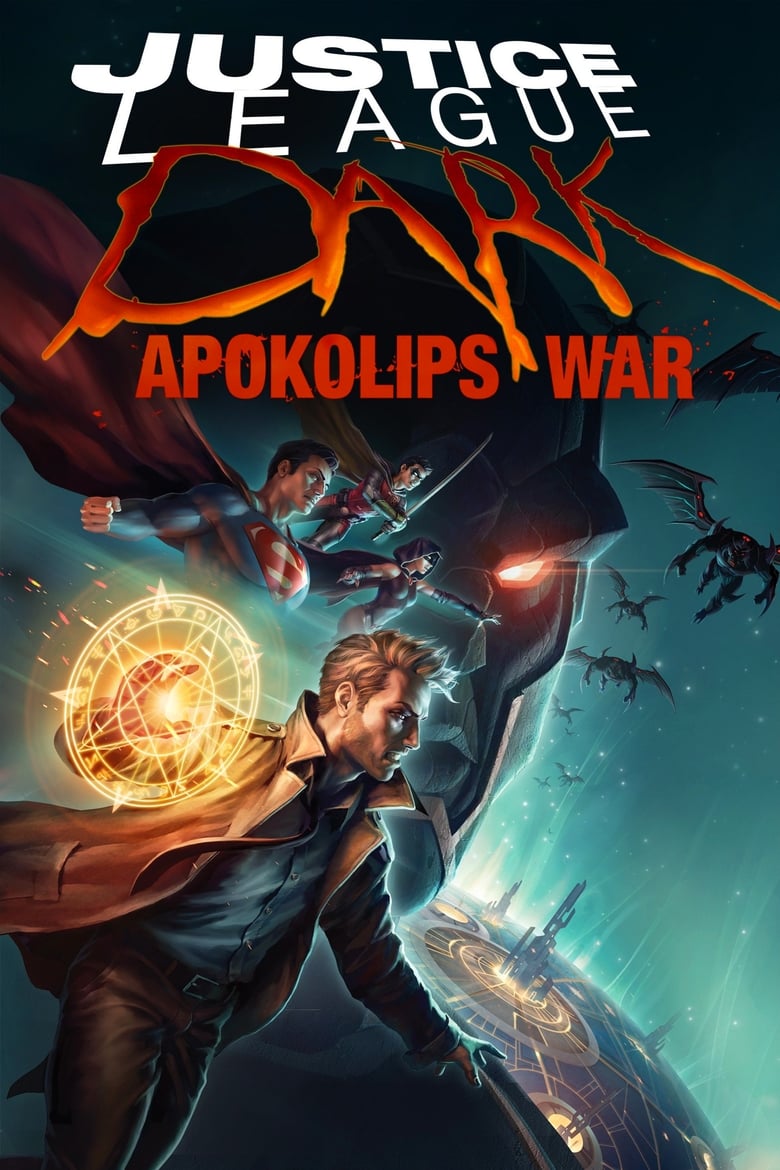
Earth is decimated after intergalactic tyrant Darkseid has devastated the Justice League in a poorly executed war by the DC Super Heroes.
Movie · 2024
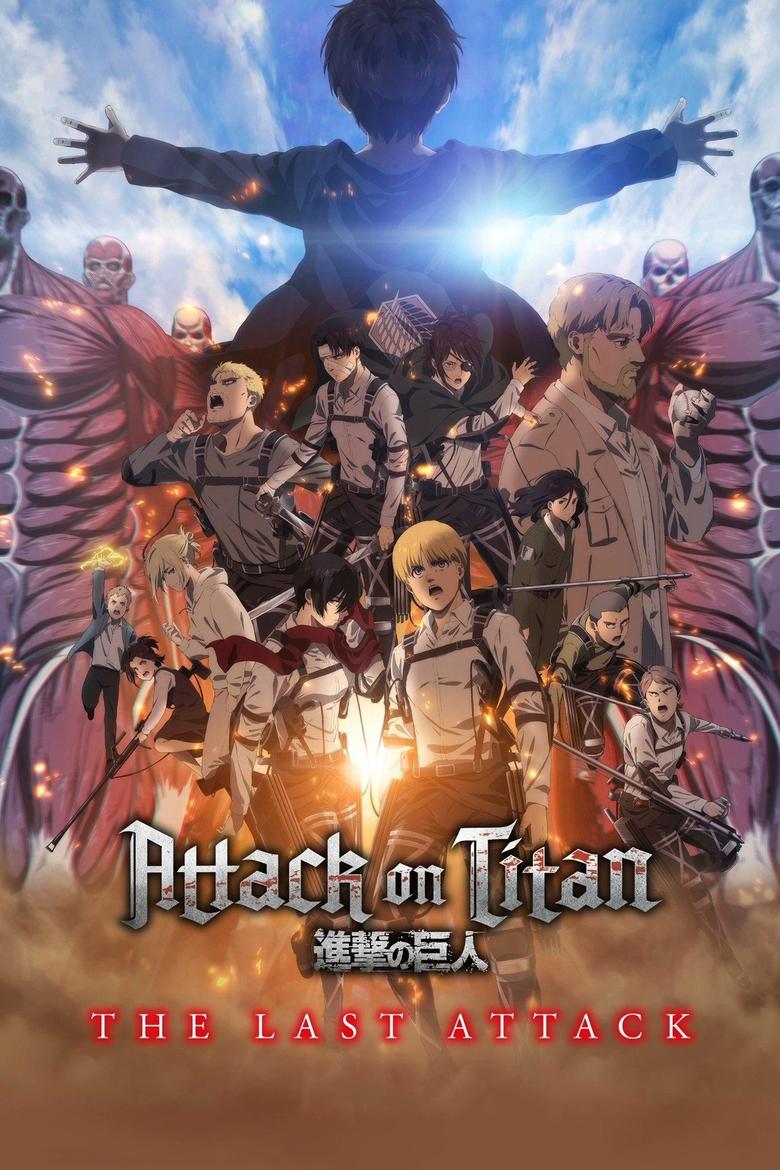
A colossal-sized omnibus film bringing together the last two episodes of Attack on Titan in the franchise's first-ever theatrical experience.

Movie · 2025
After a catastrophic event leaves their bodies destroyed, Ne Zha and Ao Bing are granted a fragile second chance at life.
