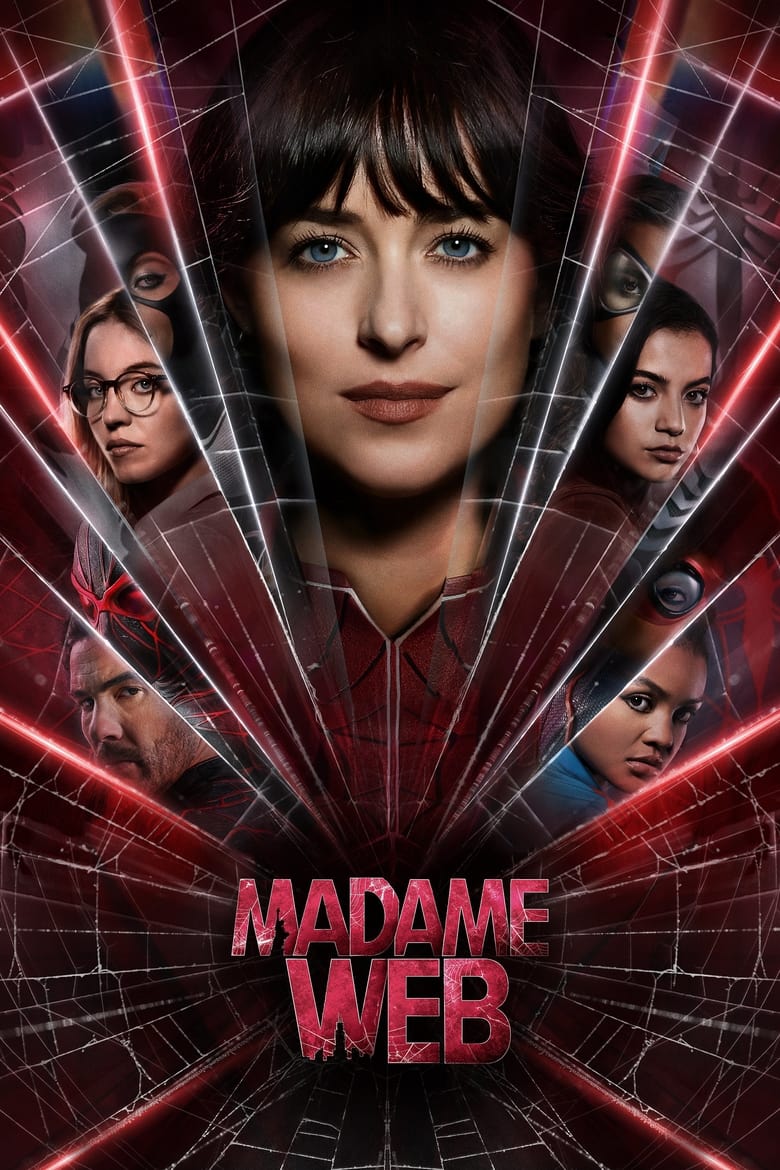

In 2003 New York City, paramedic Cassandra Webb survives a near-death accident and starts seeing flashes of the future. She sees Ezekiel Sims hunting Julia, Anya, and Mattie, three teenage girls he believes will become Spider-Women and kill him. Cassie learns that Sims is tied to her mother’s death and to the spiders that gave her powers before birth. The film follows their escape through the city in a tense, strange superhero-thriller story. Cassie becomes the girls’ protector and uses her visions to help them survive. The girls stand at the center of the future she is trying to change, and visions show them becoming Spider-Women. Cassie’s story moves from avoiding close ties to caring for the young women and accepting responsibility for them. The film makes female heroism and finding power a clear part of its premise, while the main conflict stays a personal fight for survival.
Community feedback
Was our 60% Woke rating accurate?
Loading review details…
Breakdown
These are the editorial factors and ratings behind our score for Madame Web.
Woke representation / casting
The central hero group is Cassandra, Julia, Anya, and Mattie, and all four are women. The film gives them the lead roles and makes their survival the main story. Dakota Johnson called a young woman whose power is her mind important and inspiring. Producer Lorenzo di Bonaventura said he hoped women would see themselves in the four female characters as they find their power.
52%
Woke political dialogue
Not present. The dialogue focuses on visions, family, and escaping Sims.
0%
Identity-driven story themes
Cassie takes on the protector role when she keeps Julia, Anya, and Mattie alive. She uses her future visions and planning to outsmart Sims, who hunts the girls with force and surveillance. The film ends with Cassie living with the girls, while visions show their future as Spider-Women. Their shared path gives female heroism a continuing role in the main story.
35%
Western institutional / cultural critique
Not present. Sims hunts the girls, and the film presents him as the villain.
0%
Woke character or canon changes
The film casts black actor Celeste O’Connor as Mattie Franklin, one of Marvel’s Spider-Women. Comic-book art generally depicts Mattie as white. Her casting changes the race of an established member of the central group.
23%
Anti-woke backlash and complaints
Breitbart columnist John Nolte called the film a “feminist flop” and a “woke” offering. A pre-release X post called Sweeney’s role a feminist takeover and received about 90,000 views. The complaint appeared in a national political outlet, while later X labels mostly came from small accounts.
60%
Creator track record context
Kerem Sanga (54) called marriage equality a human rights issue and said complex female characters are rare. Claire Parker (53) said drama needs different voices so viewers can see their lives. S.J. Clarkson (51) has said she wants complex women and families without a patriarchal hierarchy. Burk Sharpless and Matt Sazama (40 each) have described gender-balanced writers’ rooms and feminist choices on Lost in Space. The listed creator scores average about 44.
44%
Production
Movie · 2016
A common thief joins a mythical god on a quest through Egypt.

Movie · 2022
Dangerously ill with a rare blood disorder, and determined to save others suffering his same fate, Dr. Michael Morbius attempts a desperate gamble.
Movie · 2022
On a dark and somber night, a secret cabal of monster hunters emerge from the shadows and gather at the foreboding Bloodstone Temple following the death of their leader.
Movie · 2025
A queen sends the powerful and feared sorceress Gray Alys to the ghostly wilderness of the Lost Lands in search of a magical power, where she and her guide, the drifter Boyce…

Movie · 2023
Black Manta seeks revenge on Aquaman for his father's death. Wielding the Black Trident's power, he becomes a formidable foe.

Movie · 2016
European mercenaries searching for black powder become embroiled in the defense of the Great Wall of China against a horde of monstrous creatures.

Movie · 2023
When a headstrong street orphan, Seiya, in search of his abducted sister unwittingly taps into hidden powers, he discovers he might be the only person alive who can protect a…

Movie · 2021
Washed-up MMA fighter Cole Young, unaware of his heritage, and hunted by Emperor Shang Tsung's best warrior, Sub-Zero, seeks out and trains with Earth's greatest champions as he…
