

Linda Liddle is a skilled but awkward office worker who loses a promised promotion to her new boss’s friend. Her boss, Bradley Preston, mocks her and dismisses her value. A plane crash leaves them stranded together on a tropical island, where Bradley’s injured leg makes him depend on Linda. Linda uses her survival knowledge to find food and build shelter, but their uneasy teamwork turns into a bloody fight for control. The story repeatedly puts a capable woman in charge of a helpless male boss. Linda’s revenge turns his treatment of women back on him, including a threat aimed at his manhood. Bradley’s office friends help show a workplace where men reward their friends and brush aside a hardworking woman. Linda eventually kills innocent people to protect her new power, so her rise also shows how an abused person can become an abuser. Her final wealth and fame give her a victory, but her lies and cruelty make that victory disturbing.
Community feedback
Was our 63% Woke rating accurate?
Loading review details…
Breakdown
These are the editorial factors and ratings behind our score for Send Help.
Woke representation / casting
Not present. The cast plays people in a present-day workplace, and Linda’s survival role is a story choice.
0%
Woke political dialogue
Linda tells Bradley that his trouble accepting her control comes from his biology. Linda uses that claim while preparing a fake castration. The scene gives a brief gender-focused message about male resistance to female authority.
12%
Identity-driven story themes
Linda repeatedly takes the roles of hunter, provider, protector, and leader while Bradley depends on her. Bradley’s failed survival efforts make the male boss a recurring joke. Linda turns his treatment of women back on him through humiliation and a fake castration. The central gender-role reversal gives the story a strong female-dominance theme.
62%
Western institutional / cultural critique
Bradley promotes his male friend over the more skilled Linda and sexually pressures a job applicant. Bradley and his office friends make male entitlement a continuing target of the story. Linda repeats his suggestive interview question when he needs her help, exposing his abuse of workplace power. The film connects her revenge to sexist authority rather than only to a personal disagreement.
42%
Woke character or canon changes
Not relevant. The movie is an original screenplay with no established canon or legacy source material.
0%
Anti-woke backlash and complaints
The Washington Examiner argues that the film excuses Linda’s violence as girl power punishing toxic masculinity. A review site calls the story part of a Hollywood pattern of misandry. Viewers on Metacritic and X also accuse it of feminist revenge and man-hating themes. The national review gives these complaints reach beyond individual audience posts.
62%
Creator track record context
Zainab Azizi’s stored profile describes representation as a reason for her producing work. Azizi also favors female-led stories and more women telling stories about female experiences. Her stated goals connect to this film’s focus on Linda taking power from her male boss. The supplied creator scores place the team’s combined context in the moderate range.
38%
Production

Movie · 2025
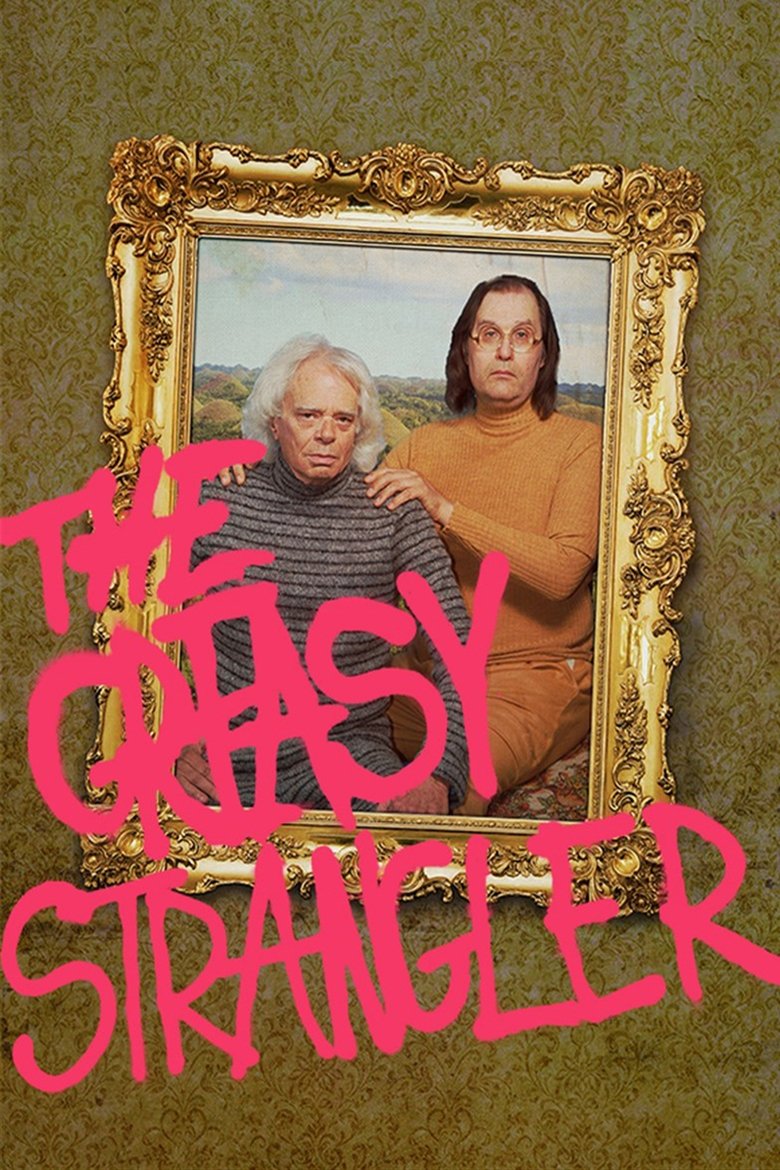
After escaping from a mental hospital, a violent sociopath named Paul begins a dangerous rampage targeting Sofia, a world-famous pop star.
Movie · 2016
Ronnie runs a Disco walking tour with his son, Brayden. When a sexy woman takes the tour, it begins a competition between father and son for her love.

Movie · 2019
When their car breaks down, a couple on the run headed southbound for a fresh start in the Sunshine State break into a nearby house looking for a new set of wheels.

Movie · 2016
Horror junkie Joe Foster gets to live out his ultimate scary movie fantasy courtesy of Fear Inc., a company that specializes in giving you the fright of your life.
Movie · 2022
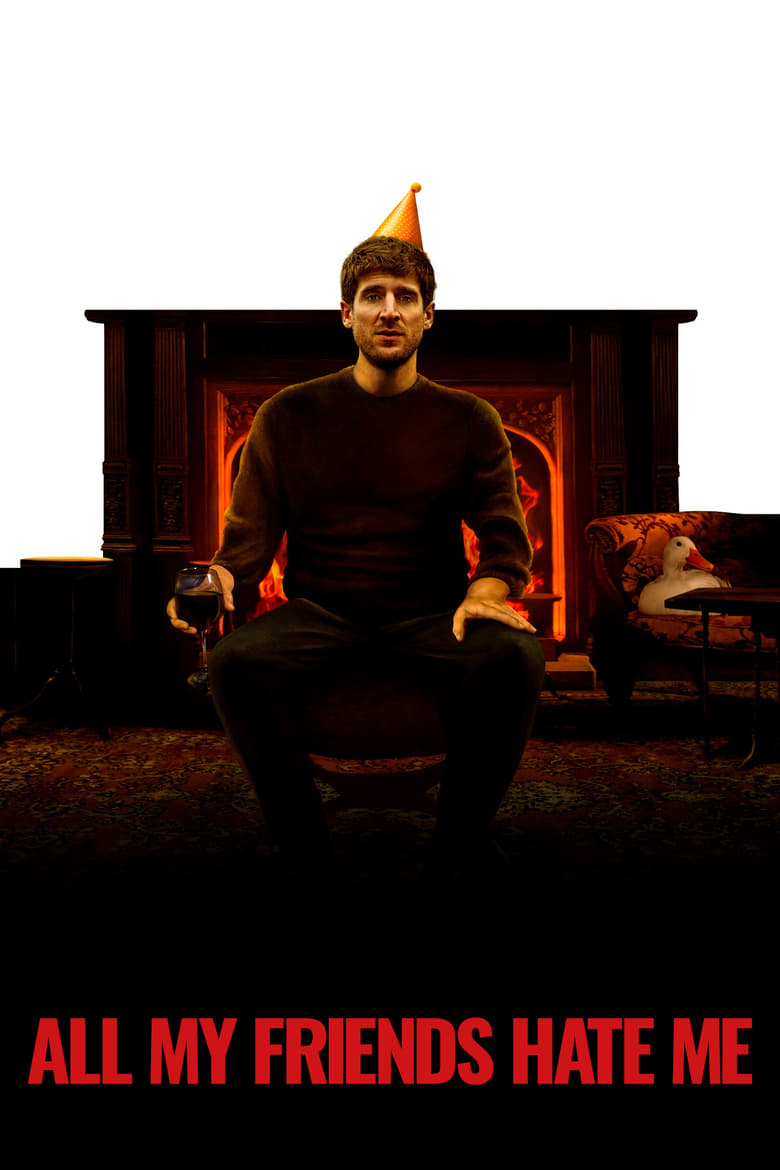
A college reunion goes awry when Pete suspects his friends may be out to get him... As their weekend getaway grows more and more uncomfortable, should Pete be worried about his…
Movie · 2024
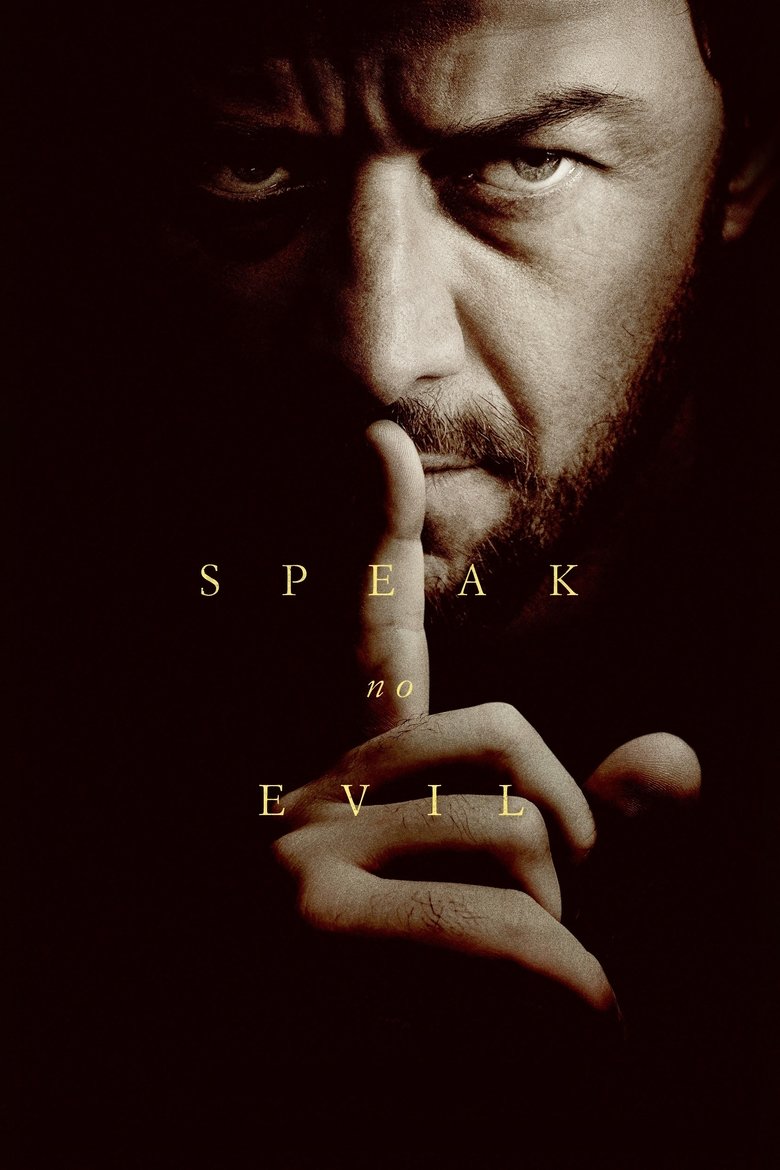
When an American family is invited to spend the weekend at the idyllic country estate of a charming British family they befriended on vacation, what begins as a dream holiday soon…

Movie · 2025
When twin brothers find a mysterious wind-up monkey, a series of outrageous deaths tear their family apart. Twenty-five years later, the monkey begins a new killing spree forcing…

Movie · 2025
Four years after defeating The Grabber, Finney Blake is struggling with life after captivity. When his younger sister Gwen begins receiving calls in her dreams from the Black…
