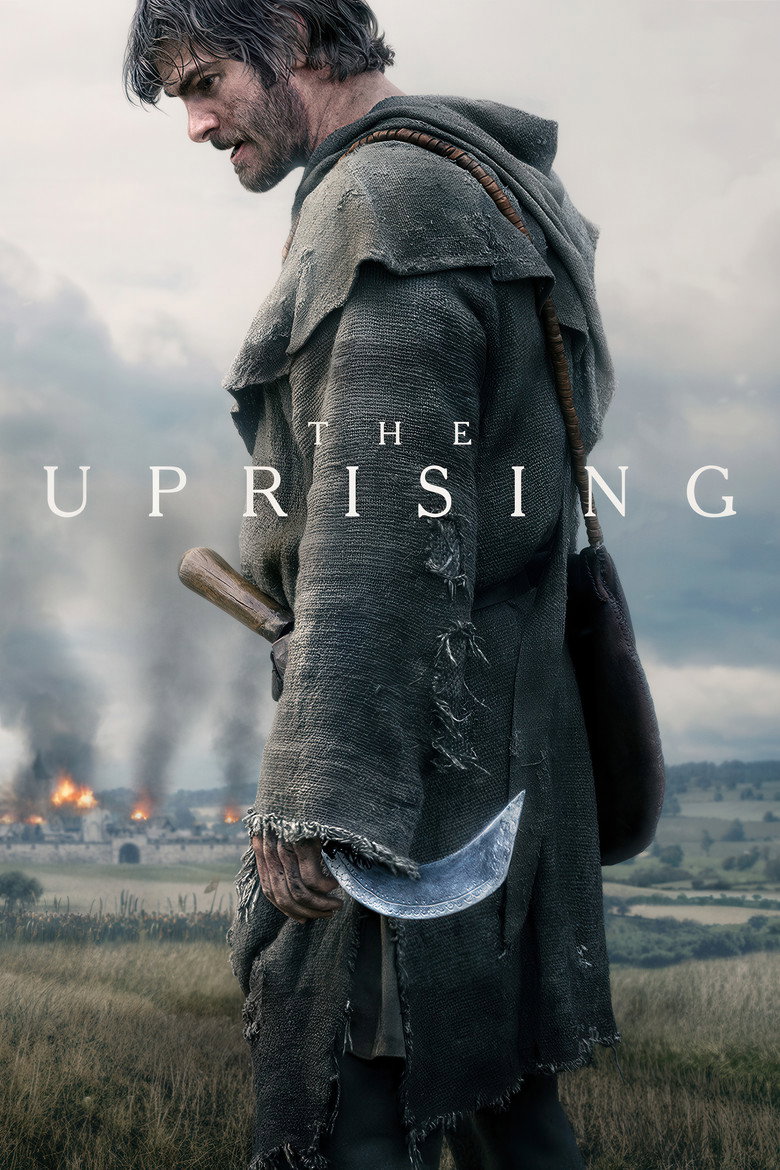

Set in England in 1381, the film follows Ploughman, a farmer whose wife and children have died during the plague. Tax collectors demand more money and inspect young women to decide whether they can be taxed as adults. Ploughman joins Wat Tyler, priest John Ball, and Alyce as rebels march to London to face the teenage King Richard II. The story is grim and violent, and it shows the struggle between the peasants’ call for justice and the danger of a revolt turning into a mob. The film repeatedly shows rich rulers and church leaders using their power against poor people. John Ball preaches that social rank is unfair, and Ploughman challenges the taxes and royal rule. Alyce, a former nun, joins the rebels after a churchman abuses her, giving the revolt a woman’s story of revenge and resistance. The final scenes connect Ploughman’s failed rebellion to the later Robin Hood legend.
Community feedback
Was our 48% Woke rating accurate?
Loading review details…
Breakdown
These are the editorial factors and ratings behind our score for The Uprising.
Woke representation / casting
Greengrass created Alyce as a character who represents women in the revolt. She joins Ploughman and John Ball after church abuse fuels her anger. Her visible place among the rebels gives women a clear part in the movement.
12%
Woke political dialogue
Ploughman asks the tax collector how much money goes into his pocket. He says the villagers have given enough. John Ball says the rich caused the people’s suffering and questions why some people should be gentlemen. The dialogue turns complaints about taxes and rank into a call for rights and change.
15%
Identity-driven story themes
Alyce’s anger follows abuse by a churchman and the church’s decision to cast her out. She joins the revolt and demands that church leaders answer for what happened. The film places her gender-based harm inside the uprising’s wider call for justice.
18%
Western institutional / cultural critique
The Crown taxes peasants and keeps wages low while funding its war. Royal advisers promise to hear the rebels, then set a trap that kills their leaders. Church leaders abuse Alyce and fail to protect her. Greengrass said he linked the revolt to recent protests in Britain and America against a system that resists change.
44%
Woke character or canon changes
Not relevant. Ploughman’s Robin Hood reveal changes the legend’s timeline, not anyone’s race, gender, or sexuality.
0%
Anti-woke backlash and complaints
Pastor Rick Davis called the film “socialist garbage” after Garfield said he hoped the story would galvanize viewers. Fox News carried Davis’s complaint in a national report about the reaction to Garfield’s billionaire remark. Small X accounts separately called the movie “woke communist propaganda” and said they would skip it.
60%
Creator track record context
Greengrass’s earlier films address racism, Bloody Sunday, the Iraq WMD case, and far-right politics. He tied this film to modern protests in Britain and America. Garfield hoped the film would galvanize viewers and make billionaires afraid. Hubbard has spoken in favor of moving beyond Caucasian male casting defaults.
31%
Production

Movie · 2025
In the late 1990s, up-and-coming mixed martial artist Mark Kerr aspires to become the greatest fighter in the world.

Movie · 2020
A small unit of U.S. soldiers, alone at the remote Combat Outpost Keating, located deep in the valley of three mountains in Afghanistan, battles to defend against an overwhelming…
Movie · 2017
Set in a dugout in Aisne in 1918, a group of British officers, led by the mentally disintegrating young officer Stanhope, variously await their fate.
Movie · 2020
The incredible true story of Vietnam War hero William H. Pitsenbarger, a U.S. Air Force Pararescuemen medic who personally saved over sixty men.

Movie · 2021
After a blood- soaked jujitsu match in Dubai, fighting legend Mickey Kelley falls to superstar Blaine. But years later, an online video proves that Blaine cheated, and the world…

Movie · 2019
Cal is a dedicated cop who also serves as a sergeant in the Marine Corps Reserve. When his reckless half brother lands in jail for accidentally killing a man, Cal and his buddies…
Movie · 2022
Harry Haft is a boxer who fought fellow prisoners in the concentration camps to survive. Haunted by the memories and his guilt, he attempts to use high-profile fights against…

Movie · 2019
Vietnam War, 1966. Australia and New Zealand send troops to support the United States and South Vietnamese in their fight against the communist North.
