
2019– · Based on 8 seasons through September 9, 2026 ·
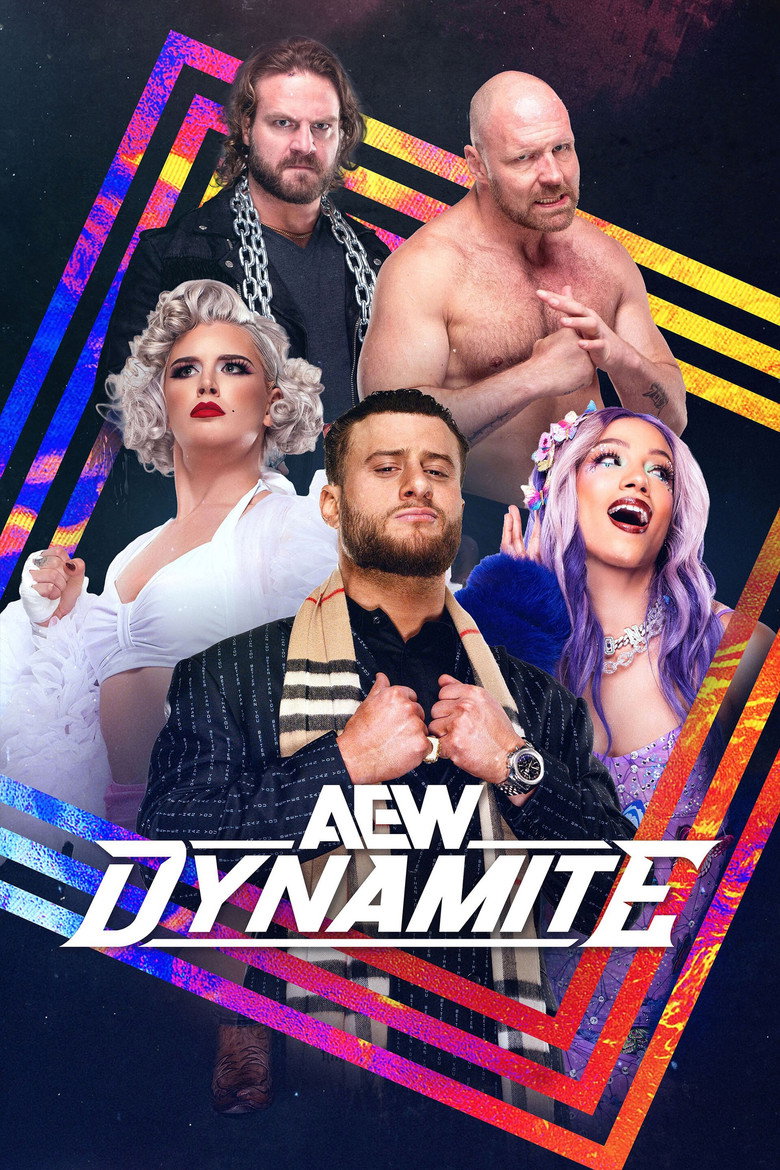
All Elite Wrestling: Dynamite is a weekly live wrestling show built around rival wrestlers, title matches, team battles, and long-running feuds. The show takes place in arenas across the United States and Canada. Jon Moxley, MJF, Swerve Strickland, Kenny Omega, and many other wrestlers lead changing stories. The tone is loud, violent, funny, dramatic, and often focused on personal revenge or pride. The show gives clear space to LGBTQ wrestlers and identity-based stories. Nyla Rose became a major champion, and Anthony Bowens became an openly gay tag-team champion. Women regularly hold major titles and lead important matches. The show also drew attention when crowds chanted against ICE during 2026 episodes, while Brody King openly supported that message. These themes are recurring but share time with ordinary wrestling stories about power, betrayal, violence, and competition.
Community feedback
Was our 76% Woke rating accurate?
Loading review details…
Breakdown
These are the editorial factors and ratings behind our score for All Elite Wrestling: Dynamite.
Woke representation / casting
AEW gives several prominent roles to openly LGBTQ wrestlers. Nyla Rose became a major champion, and Anthony Bowens became an openly gay tag-team champion. The show also presents a broad mix of women and minority wrestlers as important stars. This is a repeated identity-focused pattern, although the full roster is not built only around representation.
65%
Woke political dialogue
Some promos and wrestler statements support modern activist causes. Brody King has publicly opposed ICE, and anti-ICE chants became part of several Dynamite broadcasts. The political lines are noticeable but are not the main subject of most episodes.
25%
Identity-driven story themes
LGBTQ identity is part of several continuing wrestler stories. Anthony Bowens has openly discussed his sexuality, and AEW presents his identity as a source of pride rather than a joke. Nyla Rose’s transgender identity is also part of the show’s public meaning. These stories matter, but most episodes still focus on wrestling rivalries.
60%
Western institutional / cultural critique
The anti-ICE chants connect the show to current activist criticism of government immigration policy. Brody King’s public support and AEW’s decision to let the chants continue made that message more visible. Other stories usually attack individual wrestlers, corrupt leaders, or wrestling rivals rather than Western institutions as a whole.
30%
Woke character or canon changes
Not present in this title.
0%
Anti-woke backlash and complaints
Anti-ICE chants during Dynamite became a recognizable political talking point. National outlets covered the chants, and Eric Bischoff publicly criticized the political tone around AEW. Some viewers treated the company and its audience as anti-Trump or left-wing. The reaction reached a broad audience, even though it did not become a large organized boycott.
62%
Creator track record context
Tony Khan and AEW have built a public image around a diverse roster and more open LGBTQ representation. AEW also gives identity-focused wrestlers regular attention in interviews and title stories. The wider creative record includes many ordinary wrestling plots, so the activist context is meaningful but not dominant.
45%
No crew details available.
Production
TV Show · 2019
An antiquities expert teams up with an art thief to catch a terrorist who funds his attacks using stolen artifacts.
TV Show · 2022
With the aid of unexpected friends, a gifted but introverted student confronts bullies and violent foes — unaware of how dangerous his world will become.
TV Show · 2017
Go deep into the clandestine world of the legendary brotherhood of warrior monks known as The Knights Templar.
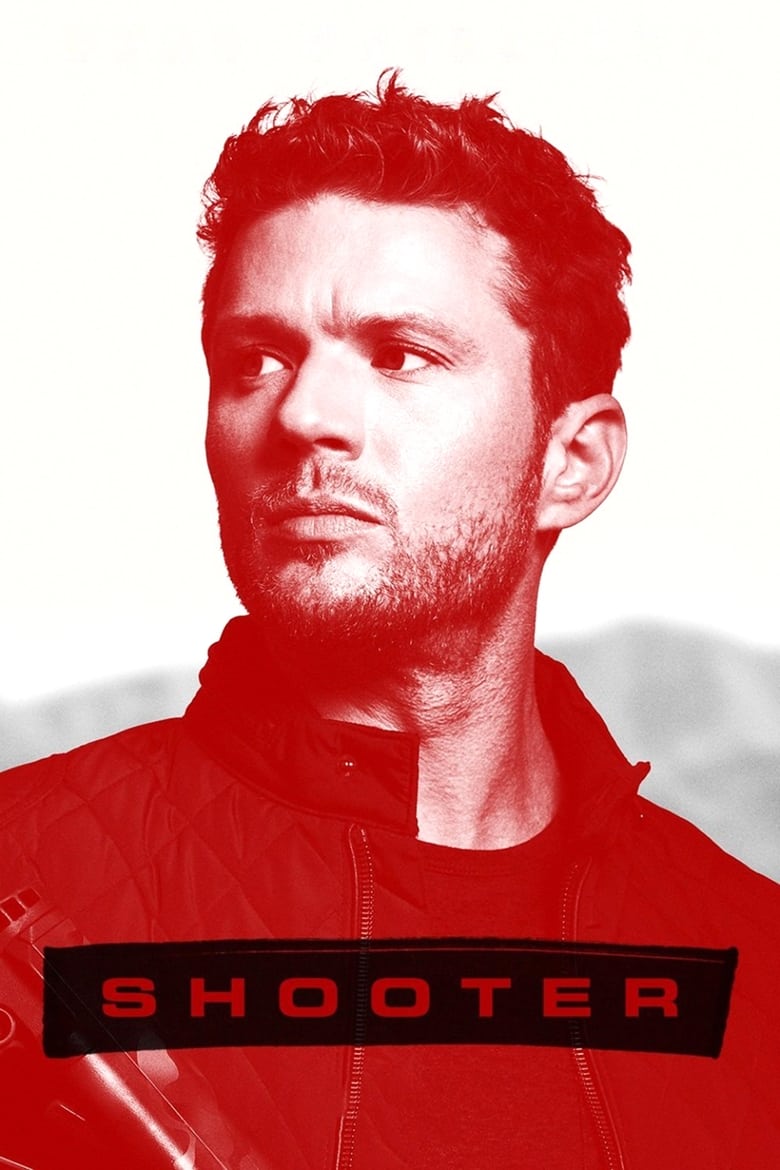
TV Show · 2016
Bob Lee Swagger is an expert marksman living in exile who is coaxed back into action after learning of a plot to kill the president.
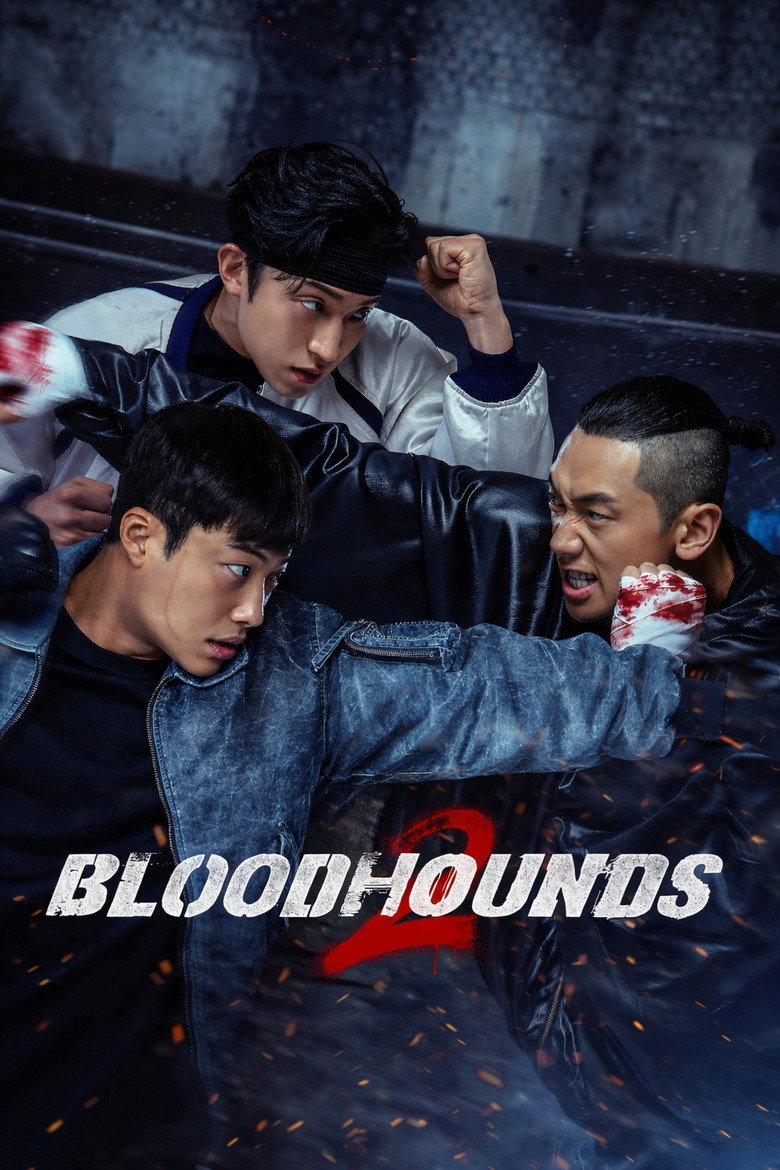
TV Show · 2023
Faced with ruthless foes with a violent thirst, two young boxers band together — risking life and limb to bring justice and protect their loved ones.

TV Show · 2018
This Karate Kid sequel series picks up 30 years after the events of the 1984 All Valley Karate Tournament and finds Johnny Lawrence on the hunt for redemption by reopening the…
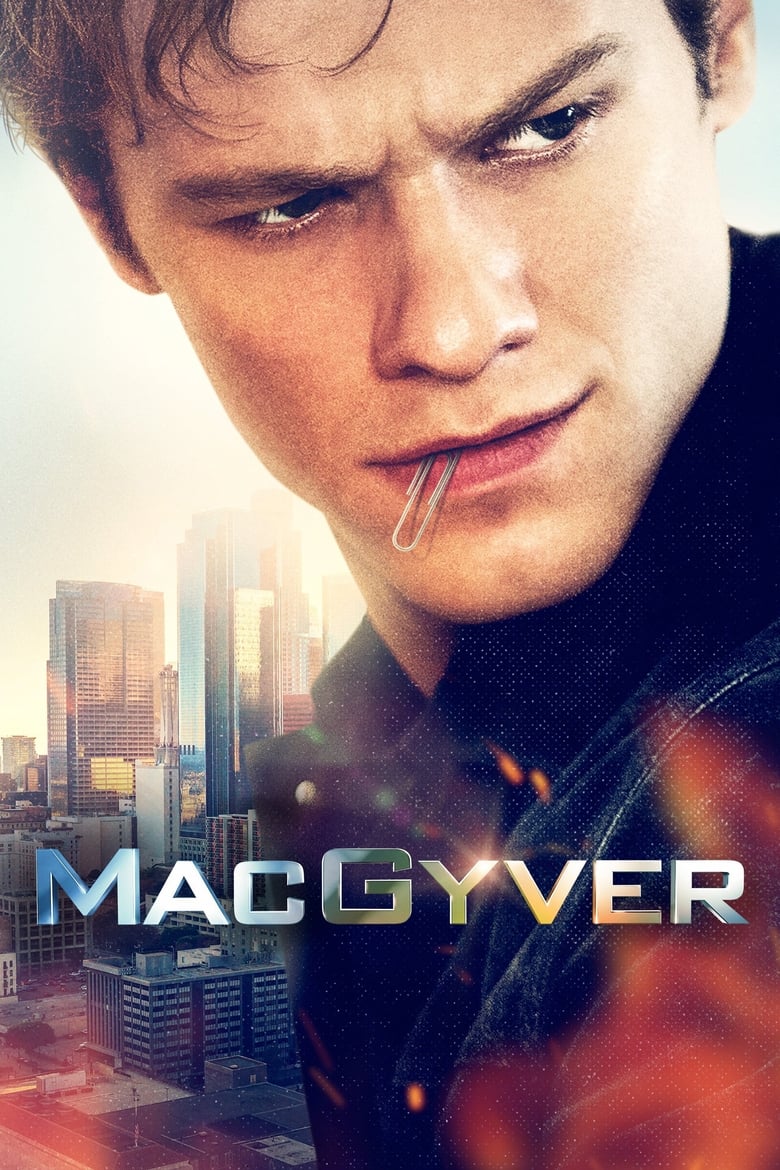
TV Show · 2016
20-something Angus MacGyver creates a clandestine organization where he uses his knack for solving problems in unconventional ways to help prevent disasters from happening.
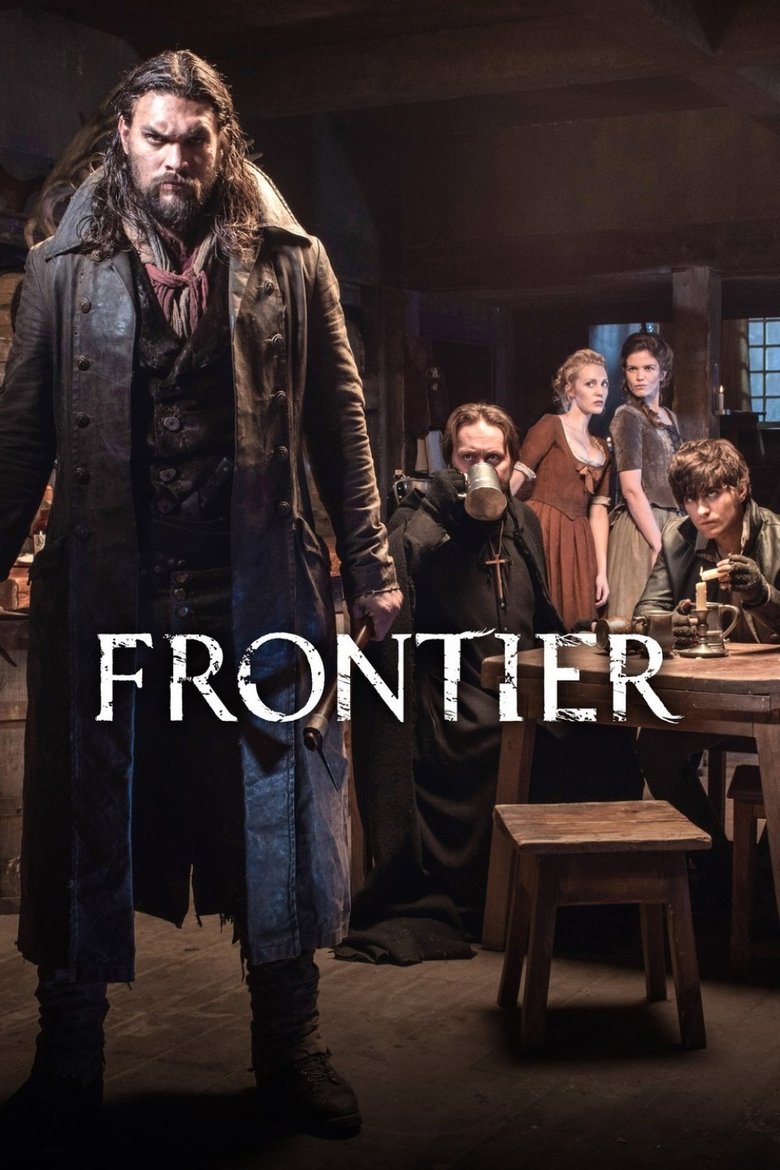
TV Show · 2016
In 18th-century North America, ruthless trappers and entrepreneurs fight to wrest control of the fur trade from the mighty Hudson's Bay Company.
