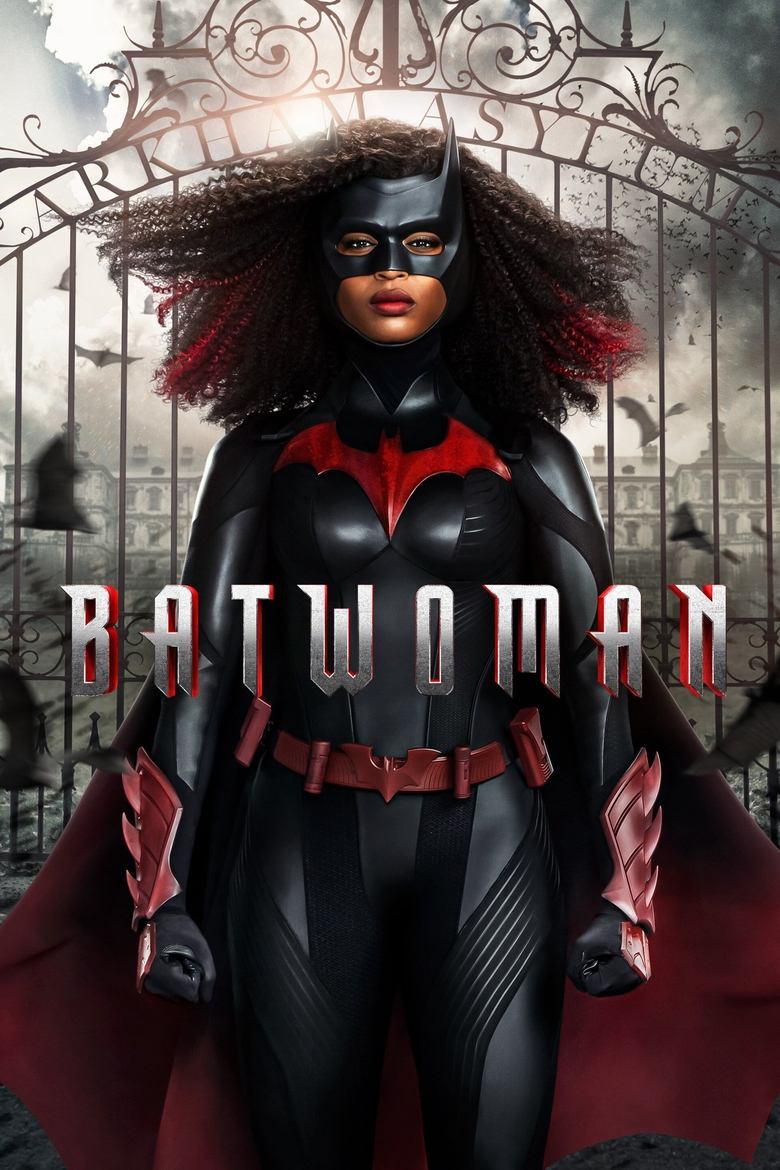

2019–2022 · Based on 3 seasons through March 2, 2022 ·
Batwoman follows Kate Kane, a skilled fighter who protects Gotham after Batman disappears. Kate is an openly lesbian woman who faces criminals, family secrets, and the pain caused by her sister Alice. Ryan Wilder takes the Batwoman role in season two after Kate vanishes. Ryan is a black lesbian woman with a criminal record who tries to prove that she deserves the suit. The show combines superhero fights, family drama, romance, and dark humor. The series makes lesbian identity and female hero power central to its story. Kate's coming out, same sex relationships, and public role as a lesbian hero return throughout the first season. Ryan's story adds black representation, lesbian identity, prison injustice, and questions about who can be seen as a hero. Women lead the police, business, hero, and villain sides of Gotham. The show criticizes police abuse, wealthy criminals, social prejudice, and unfair institutions. These themes matter strongly because they shape the main characters, conflicts, and change in Batwoman.
Community feedback
Was our 95% Woke rating accurate?
Loading review details…
Breakdown
These are the editorial factors and ratings behind our score for Batwoman.
Woke representation / casting
Kate Kane is an openly lesbian lead, and Ryan Wilder is a black lesbian lead. The show also gives major roles to several women, queer characters, and people from minority groups. The cast and marketing openly frame the series around lesbian and Black superhero representation. This pattern remains central across all three seasons.
88%
Woke political dialogue
The show includes repeated lines about coming out, prejudice, police treatment, prison records, and social acceptance. Characters often discuss why a lesbian or black woman can be a hero. The dialogue usually appears inside family or crime stories instead of long speeches. The political message remains clear and returns across the series.
48%
Identity-driven story themes
Lesbian identity is a main part of Kate's story rather than a background detail. Ryan's role adds black identity, lesbian identity, poverty, prison history, and the question of who can become a hero. The series repeatedly links heroism with inclusion and social acceptance. These themes drive major relationships, conflicts, and the change of Batwoman.
82%
Western institutional / cultural critique
The show often presents police systems, prisons, wealthy families, and powerful companies as unfair or harmful. Ryan's criminal record and society's treatment of her are major parts of season two. The story also criticizes male violence, abuse, and the idea that old power structures deserve trust. The critique returns across several seasons, although the superhero plot remains the main focus.
61%
Woke character or canon changes
The series changes Batwoman from the comic character Kate Kane into Ryan Wilder, a new black lesbian woman created for television. Ryan takes the cowl while Kate remains alive, which makes identity and representation part of the main canon change. The show later brings Kate back through a new actress while keeping Ryan as Batwoman. This change affects the established character and role in a major way.
86%
Anti-woke backlash and complaints
The pilot and later seasons drew repeated online complaints that the show pushed “woke,” “SJW,” or identity politics messages. Named coverage from Out and The Daily Wire discussed review bombing and audience anger. Complaints focused on the lesbian lead, feminist marketing, and Ryan replacing Kate. The reaction became a recognizable online talking point, but it did not become a sustained national campaign.
65%
Creator track record context
Caroline Dries and Greg Berlanti have strong records of LGBTQ and representation focused storytelling. Natalie Abrams also has a documented inclusion focused record. Several other key producers, writers, directors, and casting leaders have repeated links to gender or identity representation. The creative team strongly supports the show's visible themes.
86%
Production
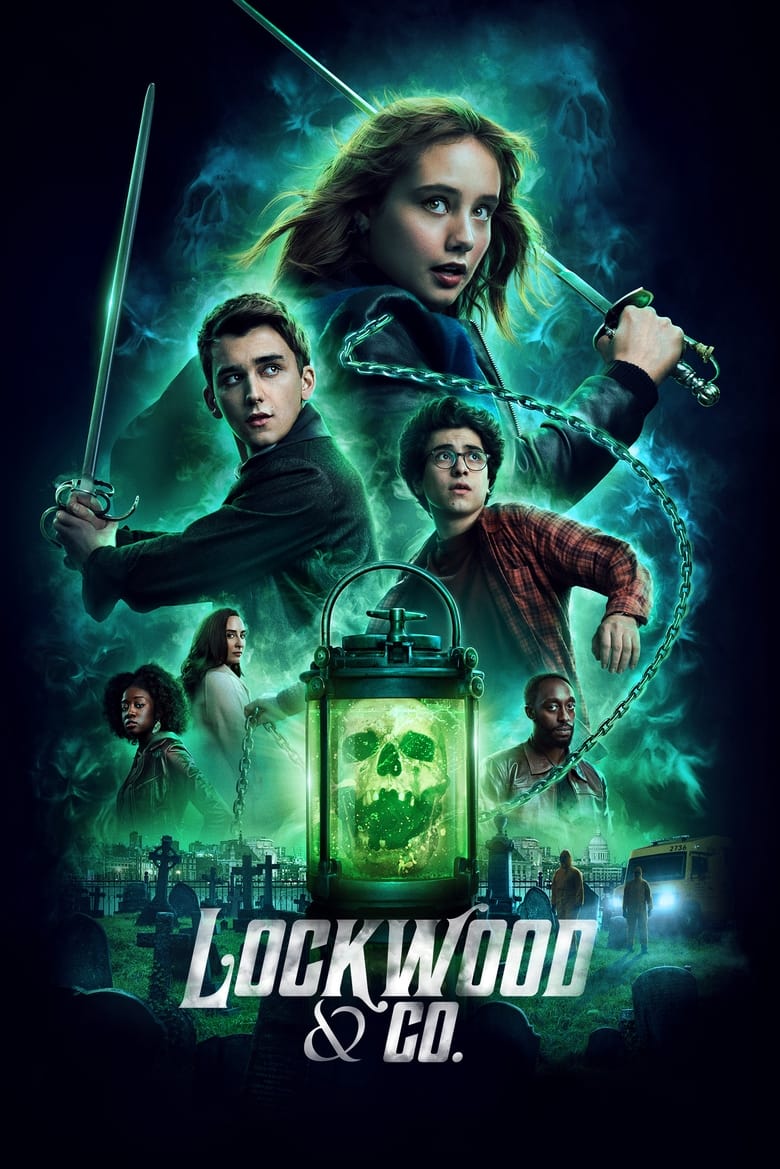
TV Show · 2023
A girl with extraordinary psychic abilities joins two gifted teen boys at a small ghost-hunting agency to fight the many deadly spirits haunting London.
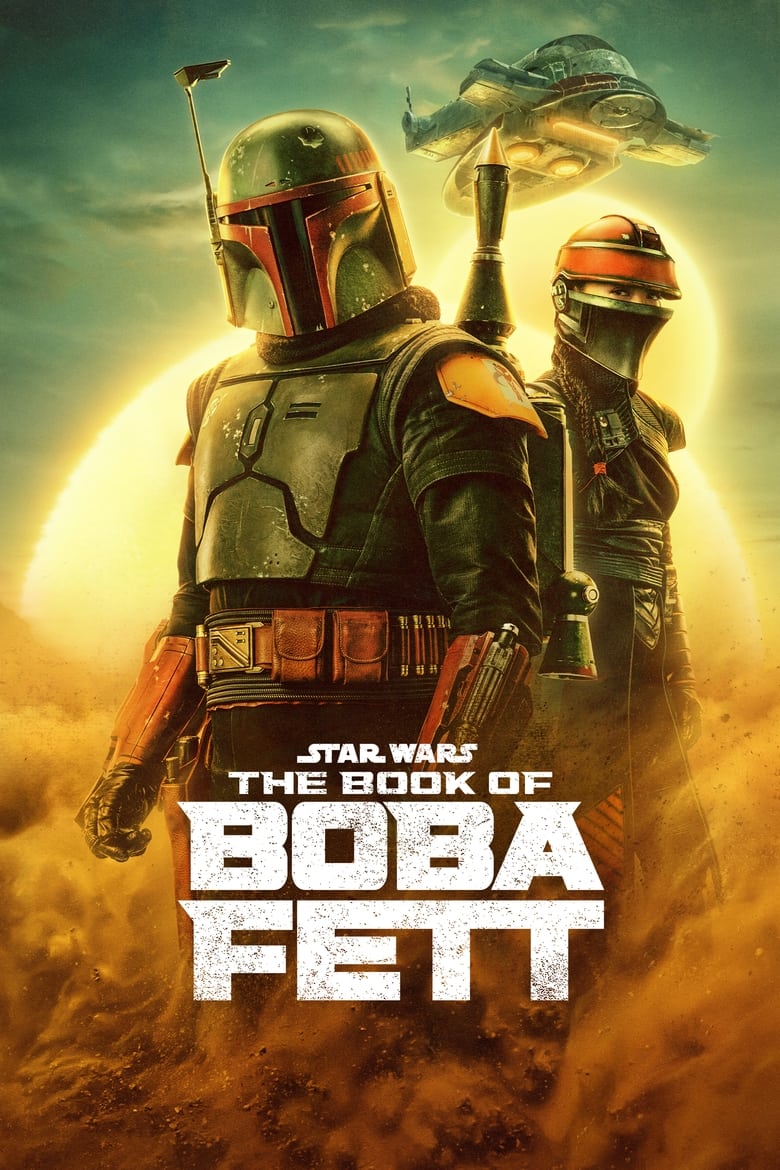
TV Show · 2021
Legendary bounty hunter Boba Fett and mercenary Fennec Shand must navigate the galaxy’s underworld when they return to the sands of Tatooine to stake their claim on the territory…

TV Show · 2024
In a world plagued by creatures known as Kaiju, Kafka Hibino aspired to enlist in The Defense Force. He makes a promise to enlist with his childhood friend, Mina Ashiro.
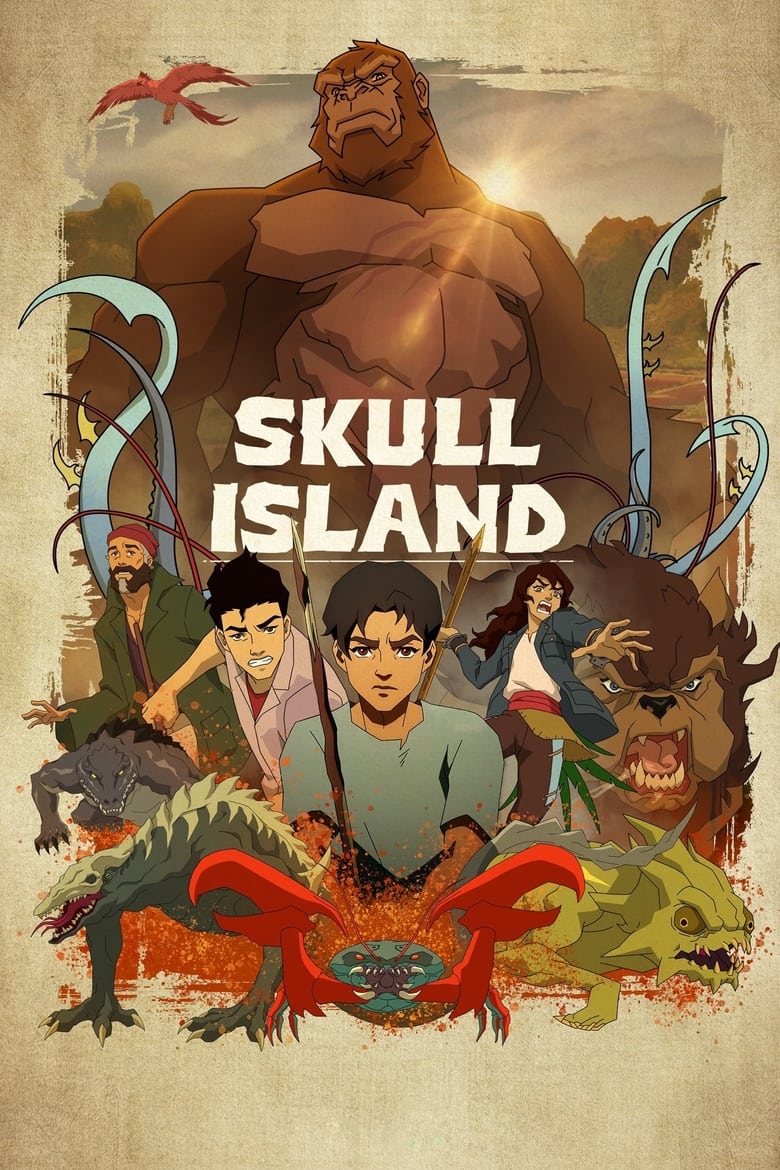
TV Show · 2023
Shipwrecked in the South Pacific, a group of explorers encounter a menagerie of fearsome creatures — including the giant ape who rules the island: Kong.
TV Show · 2020
Daimon and Ana Helstrom are the son and daughter of a mysterious and powerful serial killer. The siblings have a complicated dynamic as they track down the terrorizing worst of…
TV Show · 2020
As humans turn into savage monsters and the world plunges into terror, a handful of survivors fight for their lives — and to hold on to their humanity.
TV Show · 2019
A grim drama that unfolds against the backdrop of a global catastrophe. An unknown new virus turns Moscow into a city of the dead.
TV Show · 2019
One fateful day, all of humanity was petrified by a blinding flash of light. After several millennia, high schooler Taiju awakens and finds himself lost in a world of statues.
