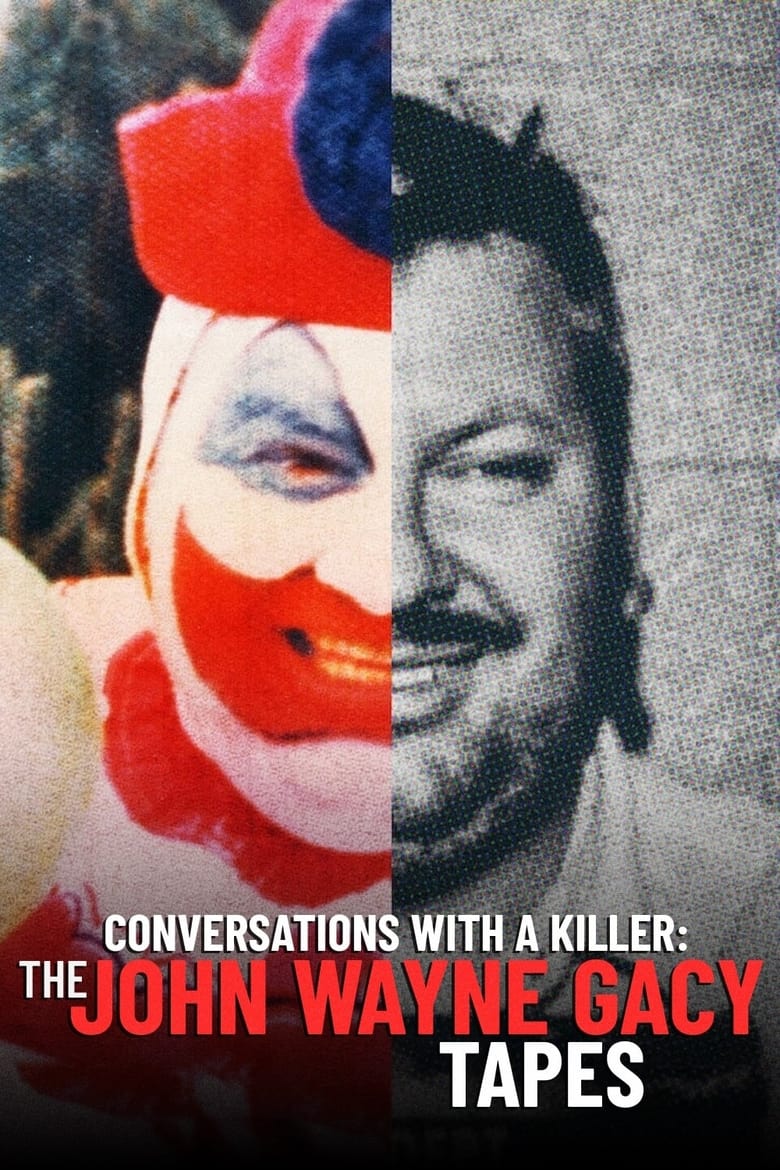

2022 · Based on 1 season, 3 episodes through April 20, 2022 ·
John Wayne Gacy presents himself as a trusted Chicago contractor and local political helper while hiding the rape and murder of young men and boys. Previously unheard defense tapes reveal his lies, blame shifting, and calm pride as police rebuild the case. Investigators follow the disappearance of Robert Piest to Gacy's home, where a search uncovers dozens of bodies. The tone is grim, detailed, and often upsetting.
The series repeatedly says that 1970s shame around homosexuality left some young men alone and made police less likely to treat disappearances as urgent. A gay rights activist and other speakers connect rejected youths, ignored reports, and Gacy's ability to hunt people who had little help. Gacy's shame about his sexual desires and his hostile words about gay and bisexual people also receive steady attention. This identity theme matters throughout, but the larger story still centers on his crimes, the police work, the trial, and the victims.
Community feedback
Was our 46% Woke rating accurate?
Loading review details…
Breakdown
These are the editorial factors and ratings behind our score for Conversations with a Killer: The John Wayne Gacy Tapes.
Woke representation / casting
Not present. The series uses real people connected to the case and old footage of those involved. It does not arrange its speakers to create a diverse cast.
0%
Woke political dialogue
Across the three episodes, Martha Fourt and other speakers say family rejection and police attitudes left gay youths unprotected. The show links those attitudes to missing people being dismissed as runaways. This message returns more than once, but most dialogue covers Gacy, the evidence, and the trial.
34%
Identity-driven story themes
The series repeatedly treats 1970s views of homosexuality as a key reason Gacy found vulnerable victims and avoided attention. Gacy's shame, denial, and hostile claims about gay and bisexual people receive steady focus. A gay rights activist explains how rejected young men could live without support. Sexual identity strongly shapes the account, but the murders and investigation remain larger.
48%
Western institutional / cultural critique
The series argues that families, police, the media, and wider society failed gay youths because of old attitudes. The show uses that critique to explain why missing teens were written off and why survivors feared making reports. The point returns across the three episodes. The show also presents the police as hard-working once Robert Piest vanishes, which limits its attack.
42%
Woke character or canon changes
Not relevant. The documentary covers real events through records, recordings, and interviews. It makes no identity-driven change to an established character.
0%
Anti-woke backlash and complaints
One IMDb user review called the gay rights interview political posturing and accused Netflix of pushing a progressive agenda. Broader reviews and viewer threads mainly discussed the case, its detail, and police failures. The anti-woke complaint was isolated and did not become a wider campaign.
10%
Creator track record context
Joe Berlinger's cached score is 23. His work often examines justice failures and environmental harm, and he has described true crime as a way to challenge injustice. The cached producer scores range from 8 to 25, with some projects about inequality, black history, transgender people, and young people who had been in jail. Most of the team's work is mainstream factual television without a strong identity-first pattern.
20%
Production

TV Show · 2019
Drivers, managers and team owners live life in the fast lane — both on and off the track — during each cutthroat season of Formula 1 racing.
TV Show · 2021
The documentary series explores different political figures throughout history.
TV Show · 2022
The lives of an emerging superstar and a filmmaker intertwine in this intense, intimate docuseries charting Kanye West's career, filmed over two decades.
TV Show · 2023
Follow the bruised bodies, soul-crushing fumbles, agonizing losses, and pure joy of three NFL quarterbacks during one season.

TV Show · 2023
Through vividly enhanced archival footage and voices from all sides of the conflict, this docuseries brings WWII to life like never before.

TV Show · 2017
An immersive 360-degree narrative telling the epic story of the Vietnam War as it has never before been told on film.

TV Show · 2025
From Monday Night RAW to WrestleMania, this series goes backstage with WWE Superstars and staff as they bring the company's biggest spectacles to life.

TV Show · 2026
RAFA retraces Nadal's remarkable journey with cinematic scope, combining testimonies from those who know him best—on and off the court—with unseen moments that reveal what lies…
