
2025– · Based on 2 seasons through May 5, 2026 ·
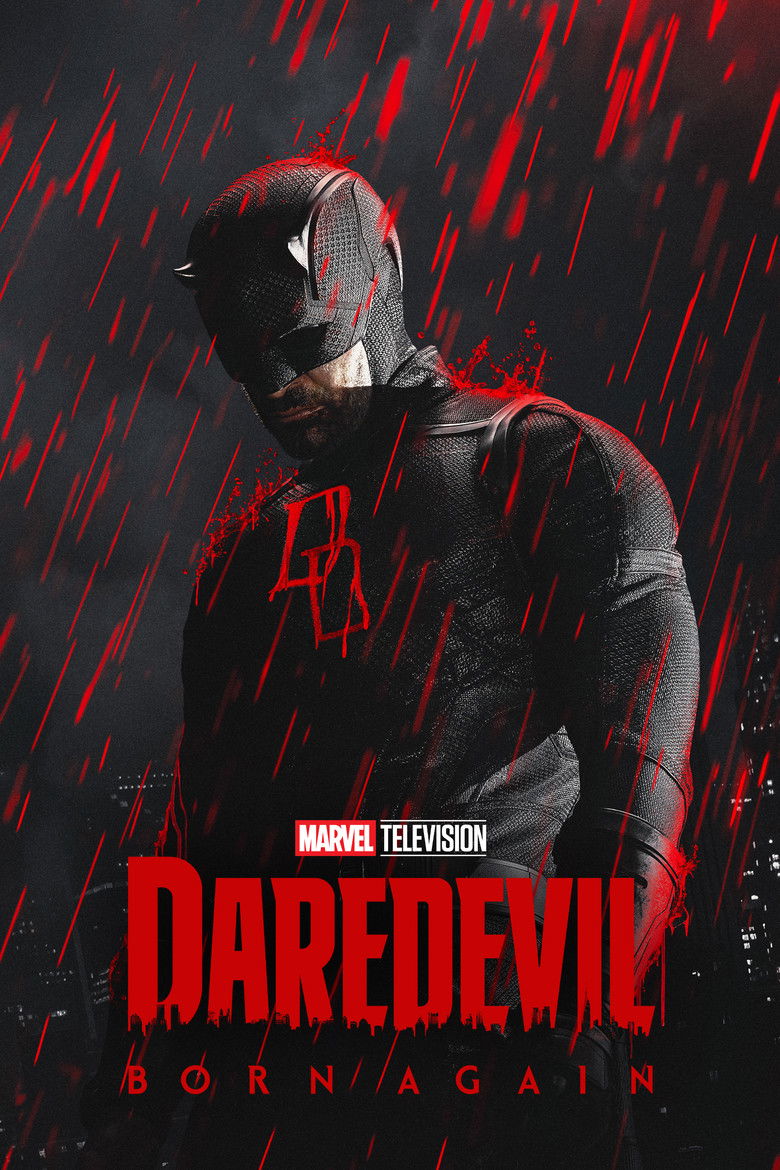
Matt Murdock is a blind lawyer who secretly fights crime as Daredevil. Wilson Fisk is his old enemy, and Fisk becomes mayor of New York. Their conflict grows from street crime into a fight over law, politics, and control of the city. Season 1 follows Fisk’s rise, the White Tiger case, Muse’s murders, and pressure from the media. Season 2 follows Fisk’s Anti-Vigilante Task Force, raids, detentions, propaganda, and resistance led partly by Karen Page. The show gives important roles to Kirsten McDuffie, BB Urich, White Tiger, and Karen Page. The clearest political material involves resistance language, anti-authority themes, and comparisons between Fisk’s forces and modern immigration raids. Season 2 presents Fisk’s government, police task force, raids, detentions, and media control as authoritarian threats. The story treats resistance to Fisk as necessary, while its main themes remain crime, faith, revenge, justice, power, and the law. These elements matter more in Season 2, but the show still centers on Daredevil’s fight against crime and corruption.
Community feedback
Was our 73% Woke rating accurate?
Loading review details…
Breakdown
These are the editorial factors and ratings behind our score for Daredevil: Born Again.
Woke representation / casting
The show uses a diverse group of New York characters, including Black, Latino, and white leads and supporting players. Kirsten McDuffie and BB Urich hold important jobs, while White Tiger becomes a heroic focus in season 1. The casting fits modern New York and is not presented as a major diversity campaign.
27%
Woke political dialogue
Characters repeatedly discuss mayoral power, raids, resistance, policing, propaganda, and public control. Season 1 builds this through Fisk’s campaign and anti-vigilante plans. Season 2 makes the political language more direct through the task force and the fight against Fisk. The dialogue is political more often than it is about race, gender, or sexuality.
40%
Identity-driven story themes
The White Tiger case connects race, policing, and community justice to the main plot. Season 2 gives Karen Page a large role as a skilled and forceful leader in the resistance. The show also repeatedly presents women as important fighters, investigators, and decision makers. The main story still focuses on crime, faith, revenge, and the law.
38%
Western institutional / cultural critique
Season 2 makes Fisk’s government, police task force, raids, detentions, and media control central to the story. The showrunner and producer discussed clear parallels with ICE and current political events. The story treats resistance to Fisk as necessary and presents his safer-streets program as authoritarian. The season’s critique is modern and political, not only a normal superhero fight against crime.
63%
Woke character or canon changes
The series moves Kirsten McDuffie into a major legal role beside Matt, replacing much of the space once held by Foggy Nelson. The White Tiger story also changes the comic material by making Hector Ayala a major Latino hero in the wrongful-arrest plot. Foggy’s death and other changes are mainly plot choices rather than identity changes. No major gender or sexuality rewrite of Daredevil or Kingpin appears.
25%
Anti-woke backlash and complaints
Right-leaning accounts repeatedly called season 2 anti-Trump, anti-ICE, and propaganda. Several outlets and large accounts also attacked Karen’s stronger role and described the show as Disney’s girl-boss Marvel. The ICE comparison received coverage and spread through the anti-woke media circuit. No organized boycott or major review-bombing campaign was found.
57%
Creator track record context
The key creative group has a mixed record with mostly mild or low activist context. Kevin Feige and Brian Michael Bendis have stronger links to diversity-focused Marvel work. Beth Bowling has publicly supported wider casting and fewer stereotypes. The main writers, directors, and showrunner do not form an activist-only creative team.
32%
Production
TV Show · 2017
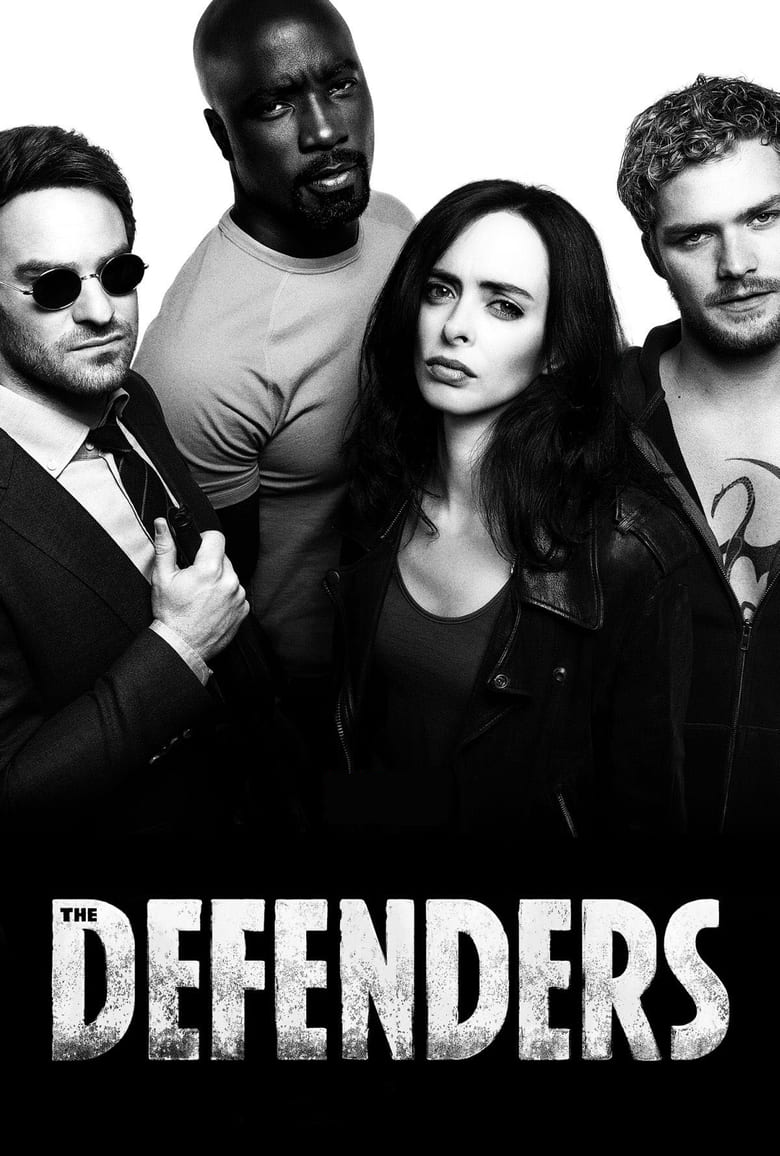
Daredevil, Jessica Jones, Luke Cage and Iron Fist join forces to take on common enemies as a sinister conspiracy threatens New York City.
TV Show · 2025
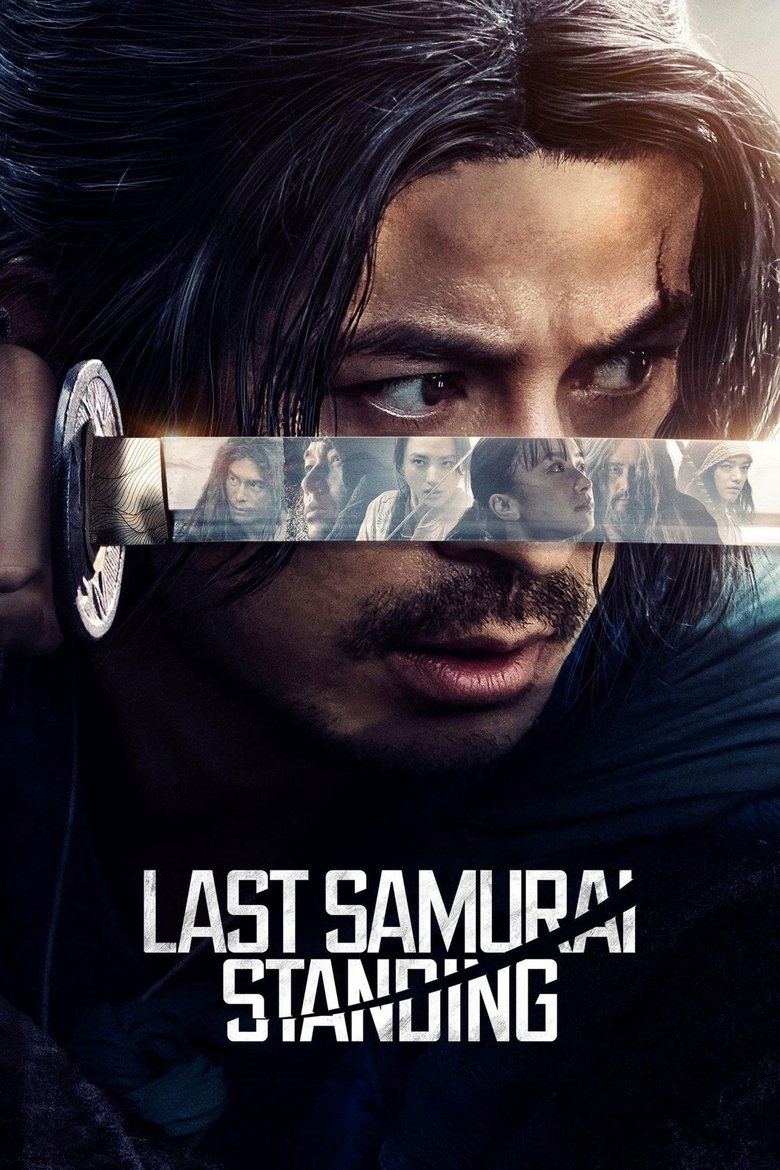
In the early Meiji era, Shujiro, once known as an undefeated samurai, decides to participate in a deadly survival game to save his family and villagers.
TV Show · 2022
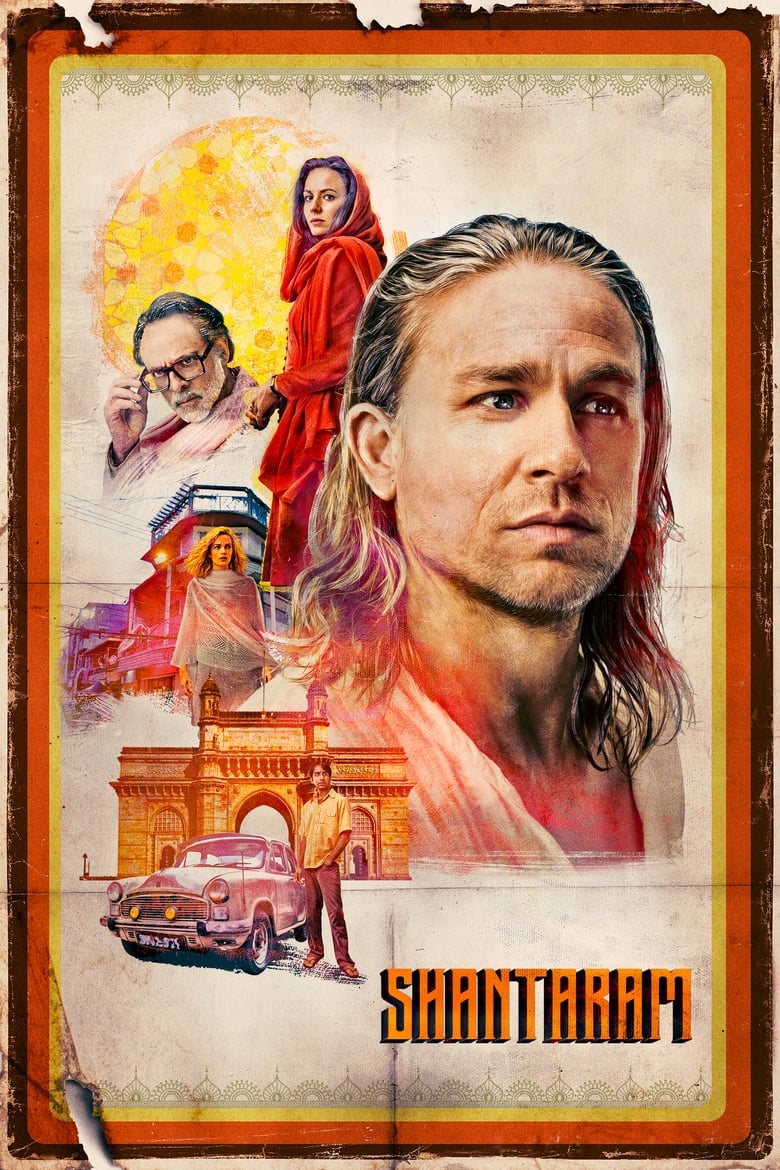
Escaped convict Lin Ford flees to the teeming streets of 1980s Bombay, looking to disappear. Working as a medic for the city's poor and neglected, Lin finds unexpected love…
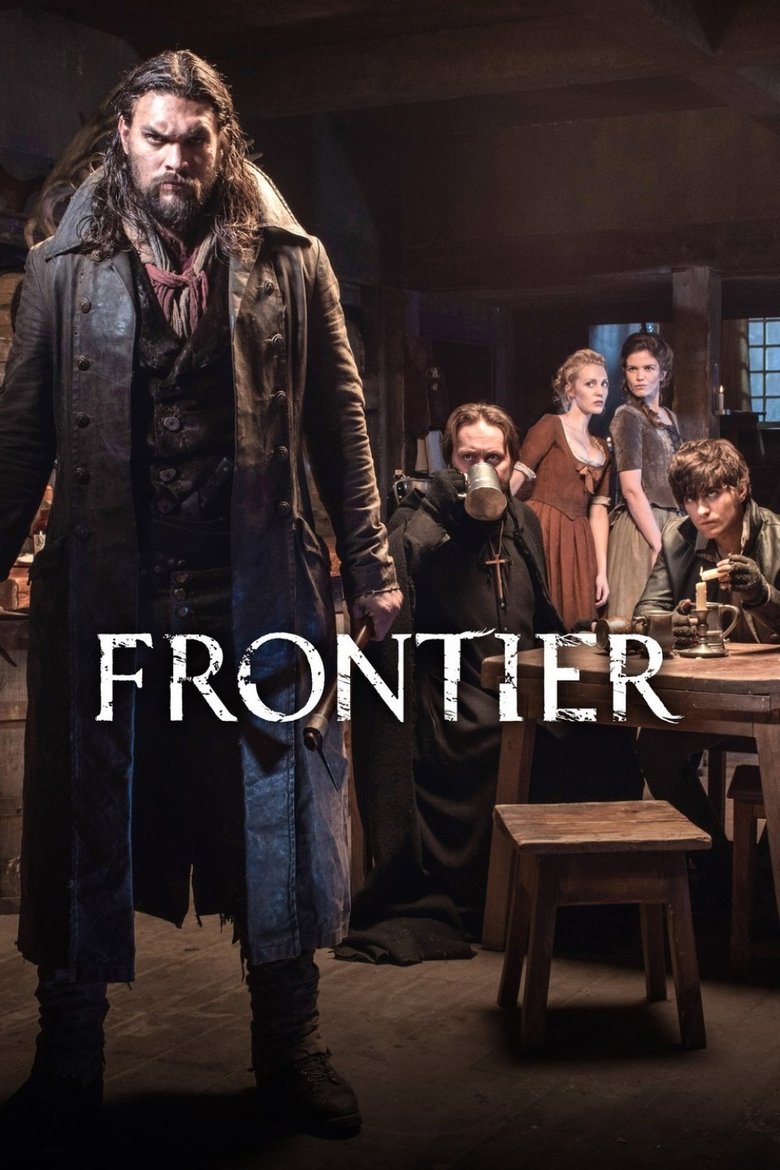
TV Show · 2016
In 18th-century North America, ruthless trappers and entrepreneurs fight to wrest control of the fur trade from the mighty Hudson's Bay Company.
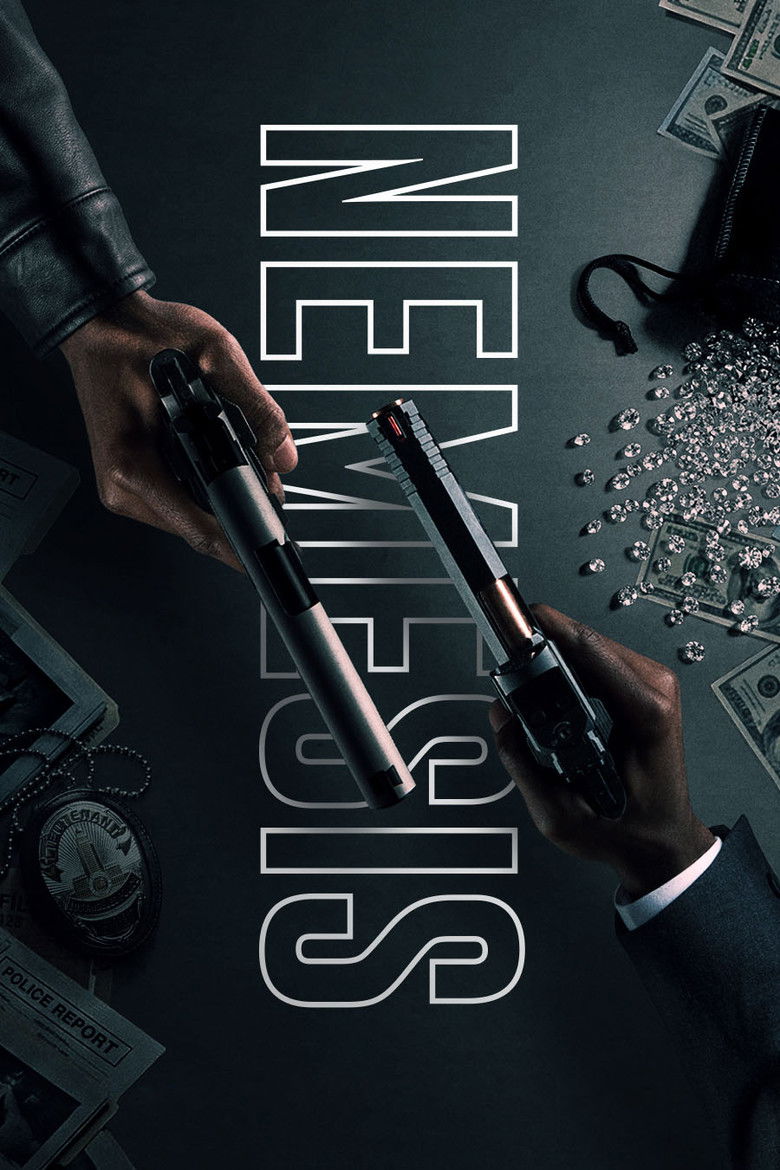
TV Show · 2026
A relentless LAPD cop becomes obsessed with taking down the master thief behind a string of daring heists — and only one can come out on top.
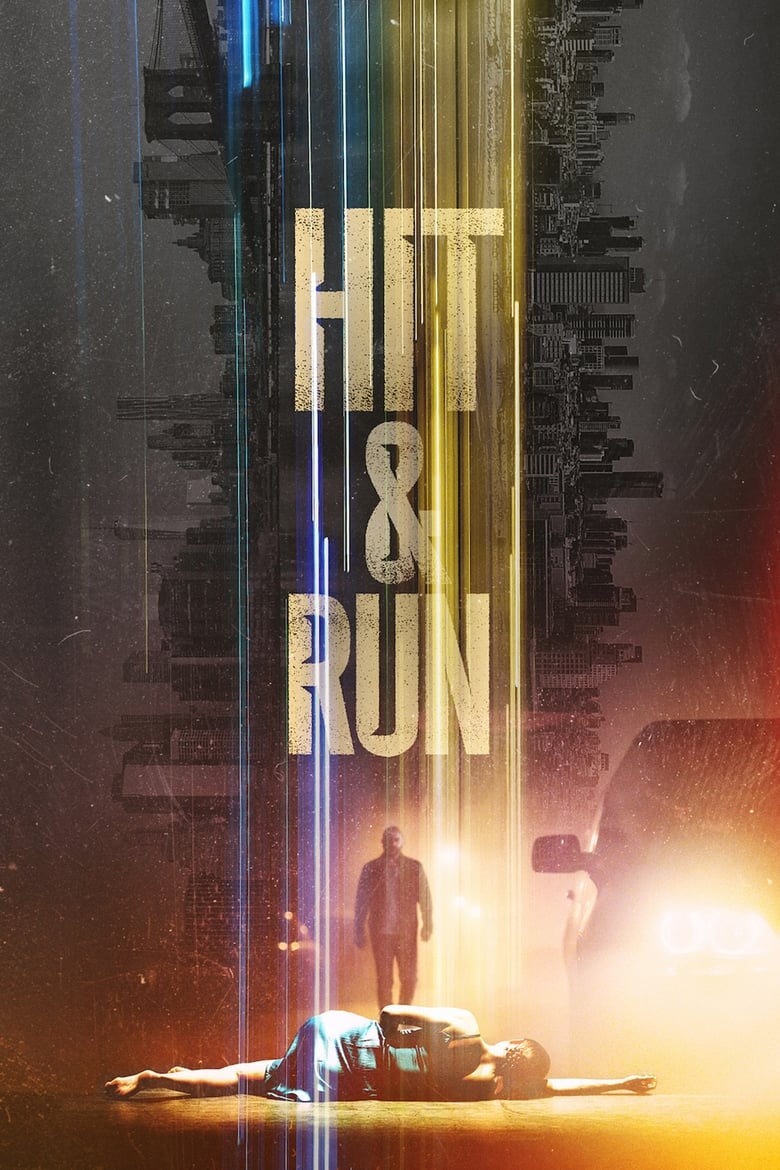
TV Show · 2021
A happily married man's life is turned upside down when his wife is killed in a mysterious hit-and-run accident in Tel Aviv.

TV Show · 2016
The story of Mac Conway, a Marine who returns home to Memphis from Vietnam in 1972 and finds himself shunned by those he loves and demonized by the public.

TV Show · 2022
When a small plane crashes in the middle of the Canadian wilderness, a lone survivor must battle the elements — and her personal demons — to stay alive.
