
2021–2026 · Based on 4 seasons through March 12, 2026 ·
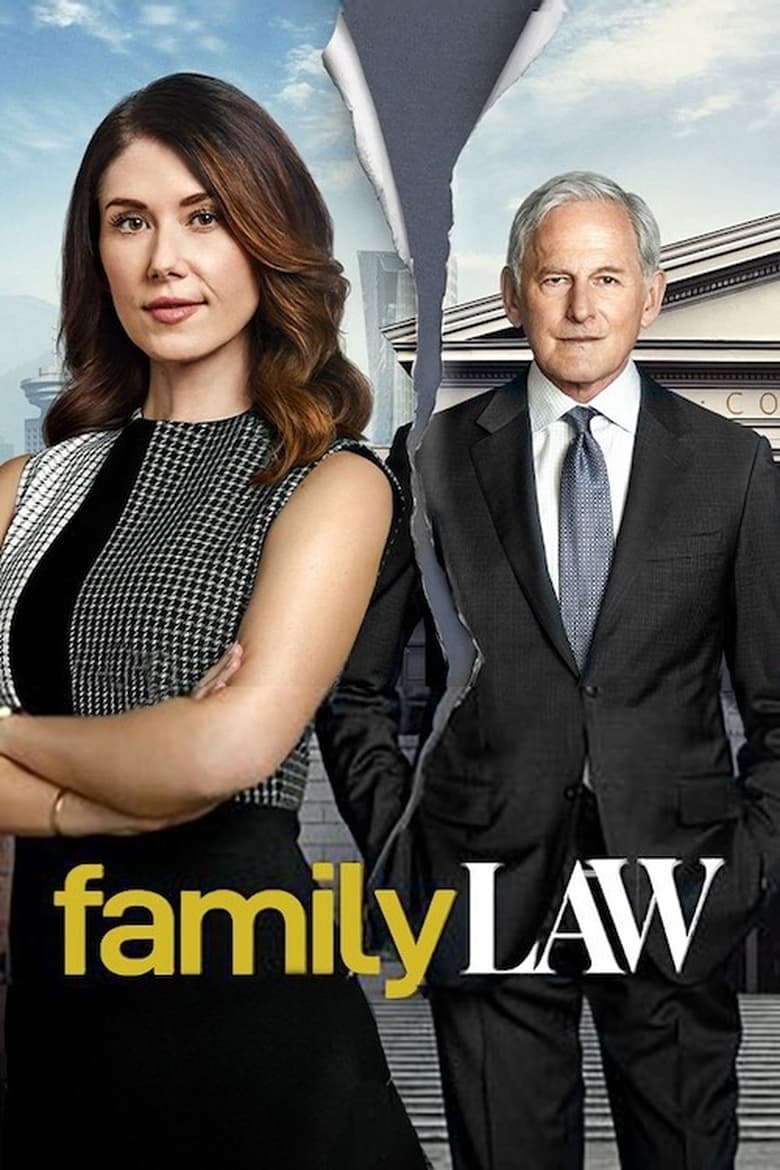
Family Law follows Abigail Bianchi, a lawyer and recovering alcoholic who must work at her estranged father’s Vancouver law firm. Abby handles family disputes while trying to rebuild her career and repair damaged relationships with her father, half-brother, half-sister, children, and ex-husband. The show mixes courtroom cases with family drama. Its tone is warm, serious, and often funny. The series gives clear attention to women in charge, same-sex relationships, blended families, surrogacy, adoption, divorce, and personal choice. Lucy’s marriage to Maggie is a continuing part of the family story, while several legal cases involve modern family and identity questions. Abby and Lucy often drive the story, while male characters are sometimes shown as confused, selfish, or emotionally weak. These themes recur across the series but usually support family drama instead of becoming direct political speeches.
Community feedback
Was our 53% Woke rating accurate?
Loading review details…
Breakdown
These are the editorial factors and ratings behind our score for Family Law.
Woke representation / casting
The series uses a diverse group of main and supporting characters in a modern Vancouver law office. Lucy is a prominent black woman and psychologist, and her wife Maggie is part of the continuing family story. The cast also includes other visible minority characters and same-sex relationships. The pattern is noticeable, but it does not appear to be an extreme representation-first design.
42%
Woke political dialogue
The lawyers sometimes discuss same-sex families, personal choice, gender roles, and unfair treatment. These ideas usually appear during legal cases or family arguments. The show does not often stop for speeches about DEI or political activism. The dialogue is a weak but specific recurring signal.
18%
Identity-driven story themes
The show repeatedly treats same-sex marriage, surrogacy, embryos, adoption, divorce, and nontraditional families as important parts of ordinary life. Lucy and Maggie’s relationship is a continuing subplot rather than a brief detail. Several cases ask viewers to accept changing ideas about family and personal choice. These themes matter, but recovery and family repair remain the main focus.
45%
Western institutional / cultural critique
The series often questions traditional family expectations and shows marriage, parenthood, and authority as messy or unfair. Male characters can be selfish, confused, or less capable than the women around them. Family courts and lawyers are shown as imperfect, but the show does not attack Western institutions in a strongly political way. The criticism stays tied to personal cases.
31%
Woke character or canon changes
Not relevant. The series is an original family-law drama and does not change established characters, source material, or historical figures.
0%
Anti-woke backlash and complaints
A small online complaint objected to the show’s early focus on LGBTQ family stories. The complaint had no clear national news pickup, public official involvement, boycott, or organized campaign. The available evidence supports only limited fringe backlash.
8%
Creator track record context
Susin Nielsen has a repeated record of stories about vulnerable young people, mental health, unusual families, and LGBTQ inclusion. Agam Darshi, Erin Haskett, Jordan Canning, Sonja Bennett, and Corey Liu add representation-focused or socially aware context. The creative team does not show a strong partisan campaign profile, so this remains supporting context rather than the main score.
60%
Production
TV Show · 2021
Follow the Dutton family as they embark on a journey west through the Great Plains toward the last bastion of untamed America.
TV Show · 2021
After fleeing an abusive relationship, a young mother finds a job cleaning houses as she fights to provide for her child and build them a better future.
TV Show · 2025
Tells the story of the ascent of the biblical figure, David, who becomes the most celebrated king of Israel. The series follows the once-mighty King Saul as he falls victim to his…
TV Show · 2019
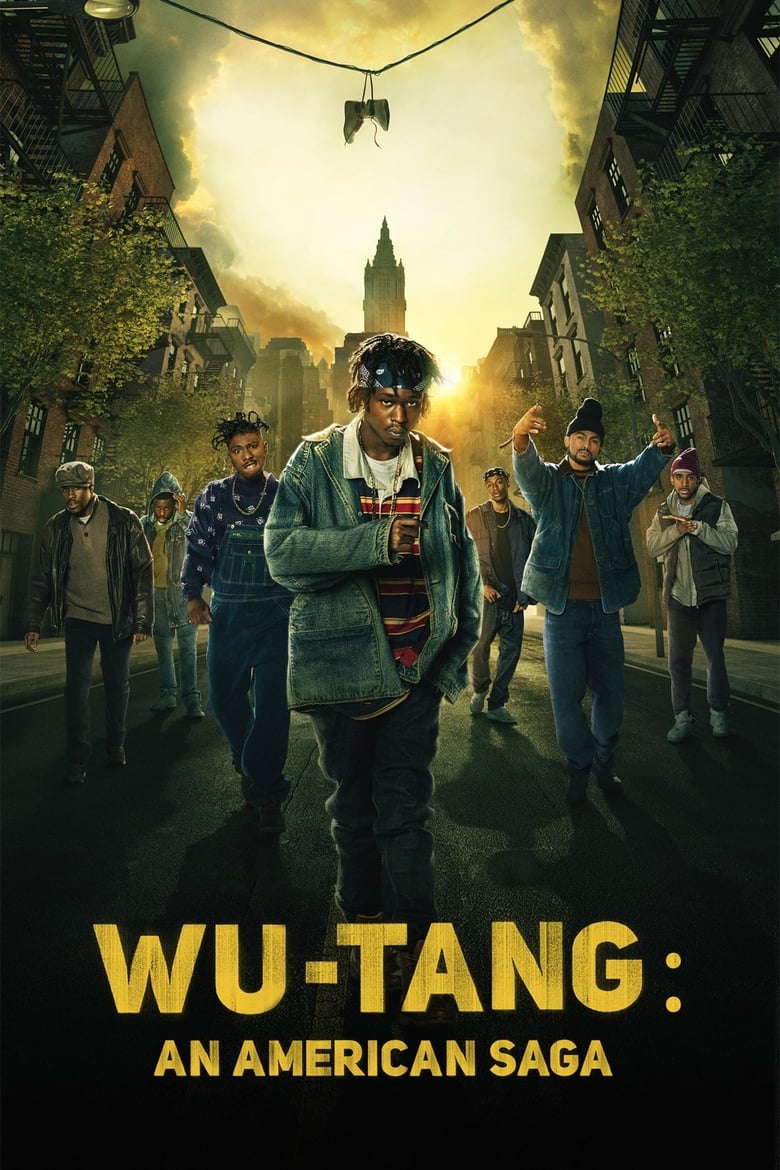
In the early 1990s in New York, during the height of the crack cocaine epidemic, a visionary musician named Bobby Diggs aka The RZA begins to form a super group of a dozen young…

TV Show · 2024
Fascinated by cars since childhood, Brazilian racer Ayrton Senna became a sports legend — until tragedy struck, changing Formula 1 forever.
TV Show · 2024
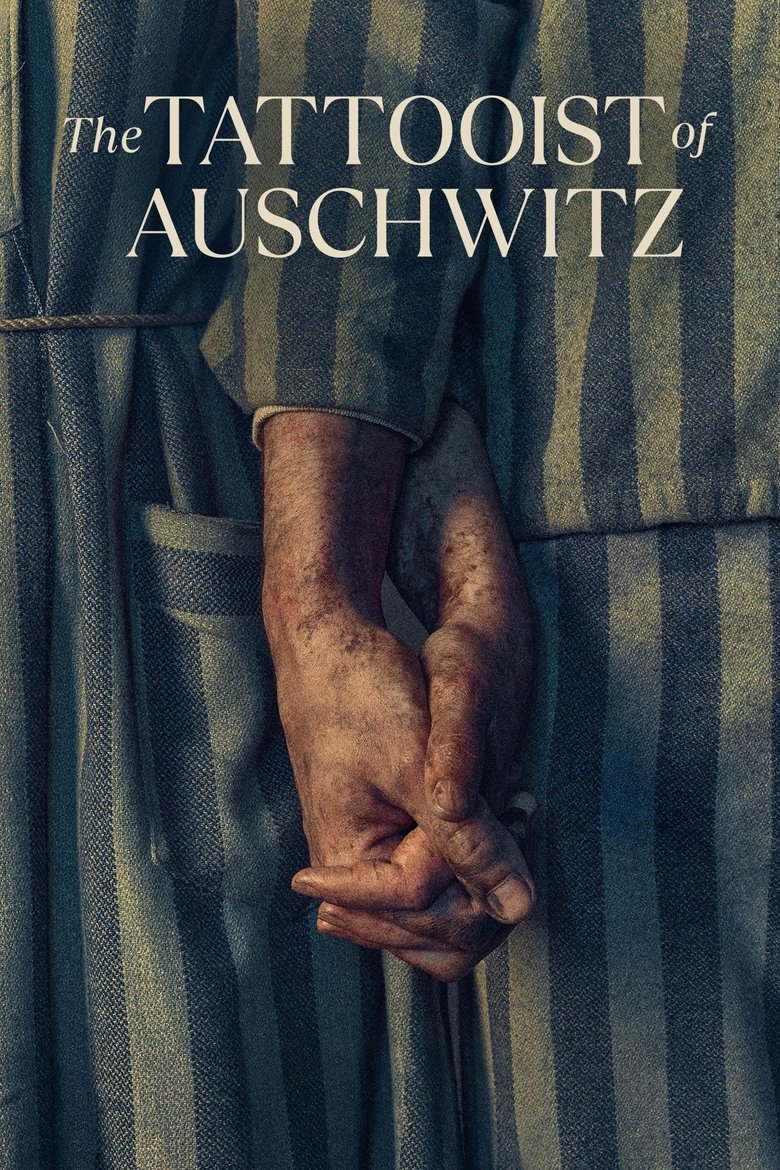
The powerful real-life story of Lali Sokolov, a Jewish prisoner who was tasked with tattooing ID numbers on prisoners' arms in the Auschwitz-Birkenau concentration camp during…
TV Show · 2025
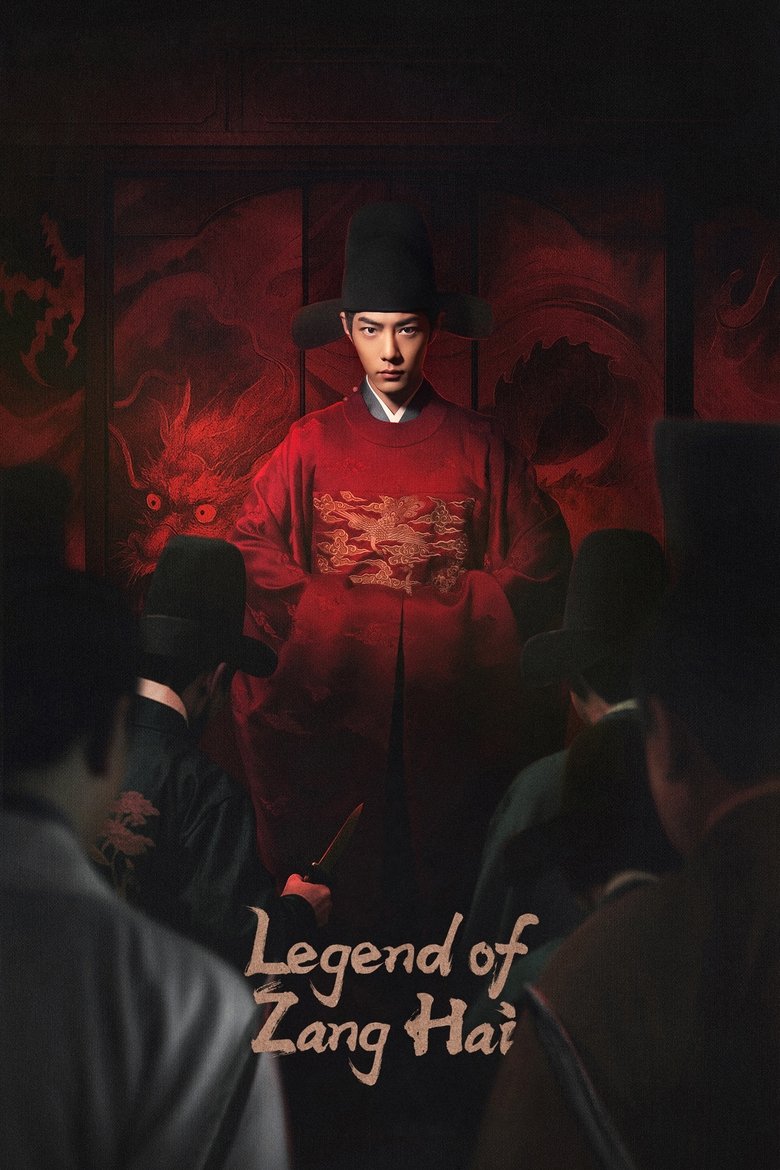
"Legend of Zang Hai" follows the son of Imperial Astronomer Kuai Duo. Consumed by vengeance, he spends a decade honing his skills.
TV Show · 2026
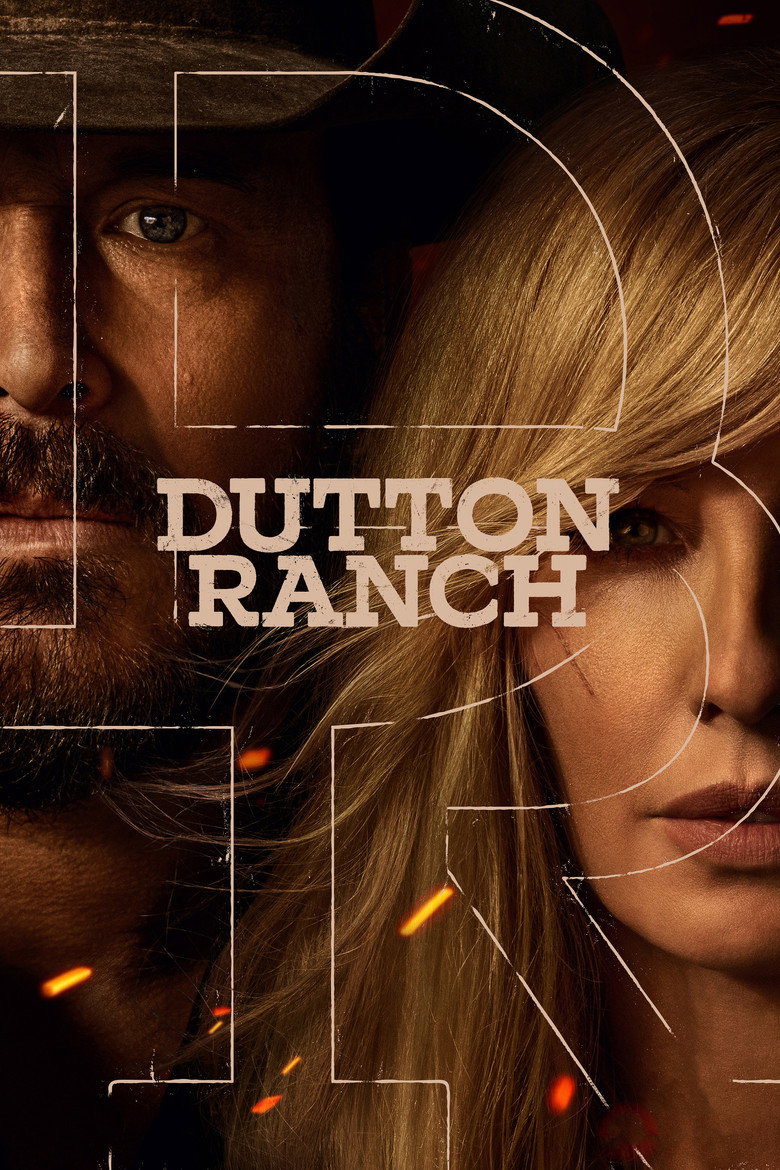
Rip Wheeler and Beth Dutton gamble everything on a new life in South Texas, but the promise of building a future far from the ghosts of Yellowstone quickly collides with brutal…
