
2022–2024 · Based on 2 seasons through June 30, 2024 ·
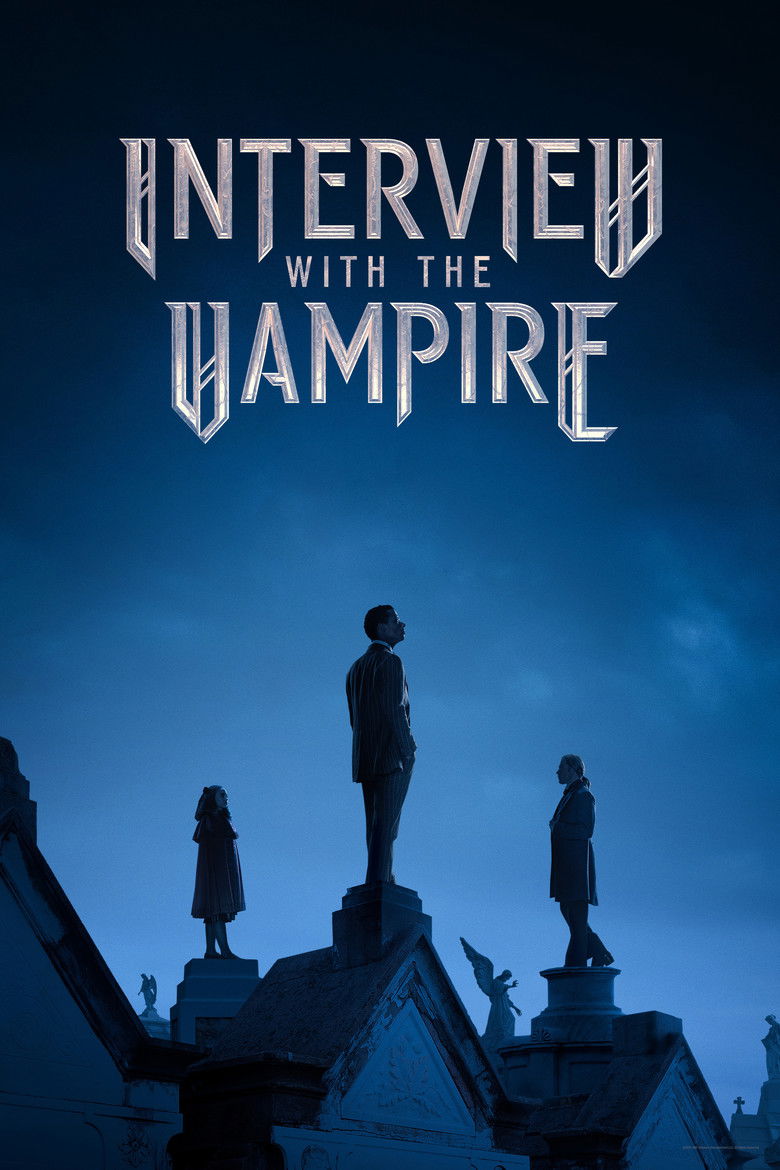
Louis de Pointe du Lac is a wealthy black businessman in 1910 New Orleans. He hides his attraction to men while trying to protect his family and his business. Lestat, a charming French vampire, offers him eternal life and becomes his lover. Louis and Lestat turn Claudia into a vampire child, but their strange family breaks under jealousy, violence, and guilt. Louis later tells his story to journalist Daniel Molloy in Dubai while trying to remember what truly happened. The show makes queer romance the center of its story. Louis and Lestat have an open sexual relationship, and Louis later falls in love with Armand. Claudia also forms a romantic bond with Madeleine in Paris. Louis's black identity shapes his fight against racist limits in New Orleans and shapes his conflict with Lestat. The series also shows a closed vampire group using rules, theater, and a rigged trial to control outsiders.
Community feedback
Was our 94% Woke rating accurate?
Loading review details…
Breakdown
These are the editorial factors and ratings behind our score for Interview with the Vampire.
Woke representation / casting
The series gives Louis and Claudia Black identities instead of the white identities in the book and film. The 1910 New Orleans setting makes black leads and a black local family plausible rather than a clear setting mismatch. The show also presents Armand with a changed ethnic background and uses a mixed Paris coven in major roles. These choices create a visible pattern.
48%
Woke political dialogue
The show gives Louis repeated lines about being a gay black man in 1910 New Orleans. Louis compares money, vampirism, and race as limits on his freedom. Lestat and Louis argue over whether immortality can free Louis from racism and homophobia. Season 2 adds talk of vampire pride and identity while the Paris coven questions Louis and Armand's relationship.
62%
Identity-driven story themes
The series makes Louis and Lestat's gay romance the main emotional story. Louis hides his sexuality, then connects his love, shame, and vampire life across both seasons. Louis later has another male romance with Armand, while Claudia forms a romantic bond with Madeleine. The family story repeatedly turns on who gets chosen, loved, controlled, or left behind.
92%
Western institutional / cultural critique
The series presents a strong critique of historical Western institutions, capitalism, and systemic racism. It portrays the white elite of New Orleans as deeply corrupt and racist. It also critiques traditional family dynamics by reshaping the main characters into an alternative, queer household with two gay fathers raising an adopted child.
58%
Woke character or canon changes
The series moves Louis from a white 1790s plantation owner to a Black 1910s brothel owner. The series changes Claudia from a white child in the book to a black teenager in Season 1. The series presents Armand with a changed ethnic background and turns the Louis-Lestat bond from strong subtext into an open sexual romance. These identity changes reshape the setting, family structure, and main conflicts across both seasons.
94%
Anti-woke backlash and complaints
Small X accounts called the series woke because Louis and Claudia were race-swapped and because the show made changes from the book and 1994 film. A few right-leaning posters also objected to the extra gay content and called the show woke garbage. Entertainment coverage noted fan accusations, but no organized boycott, review-bomb, or major conservative news campaign appeared. The complaints were real but scattered and low reach.
34%
Creator track record context
The stored context shows a mixed creative team. Christopher Rice has a sustained LGBTQ-focused writing and advocacy record, while Hannah Moscovitch, Ben Philippe, A. Zell Williams, Levan Akin, and Keith Powell have strong feminist, race, or queer-centered work histories. Anne Rice publicly supported gay rights, while Rolin Jones, Mark Johnson, and several other team members have lower or neutral activist profiles. The strongest track records match the show's actual queer and race-focused content, so this factor is moderate rather than dominant.
53%
Production
TV Show · 2021
On a perilous adventure across a post-apocalyptic world, a lovable boy who's half-human and half-deer searches for a new beginning with a gruff protector.
TV Show · 2018
After landing from a turbulent but routine flight, the crew and passengers of Montego Air Flight 828 discover five years have passed in what seemed like a few hours.
TV Show · 2024
Rick and Michonne are thrown into another world, built on a war against the dead... And ultimately, a war against the living.

TV Show · 2023
Aster Calyx and Halan Kai Nielsen are inextricably drawn to Beacon 23. Navigating one threat after another, they unravel the beacon’s mysteries, just in time to face their most…
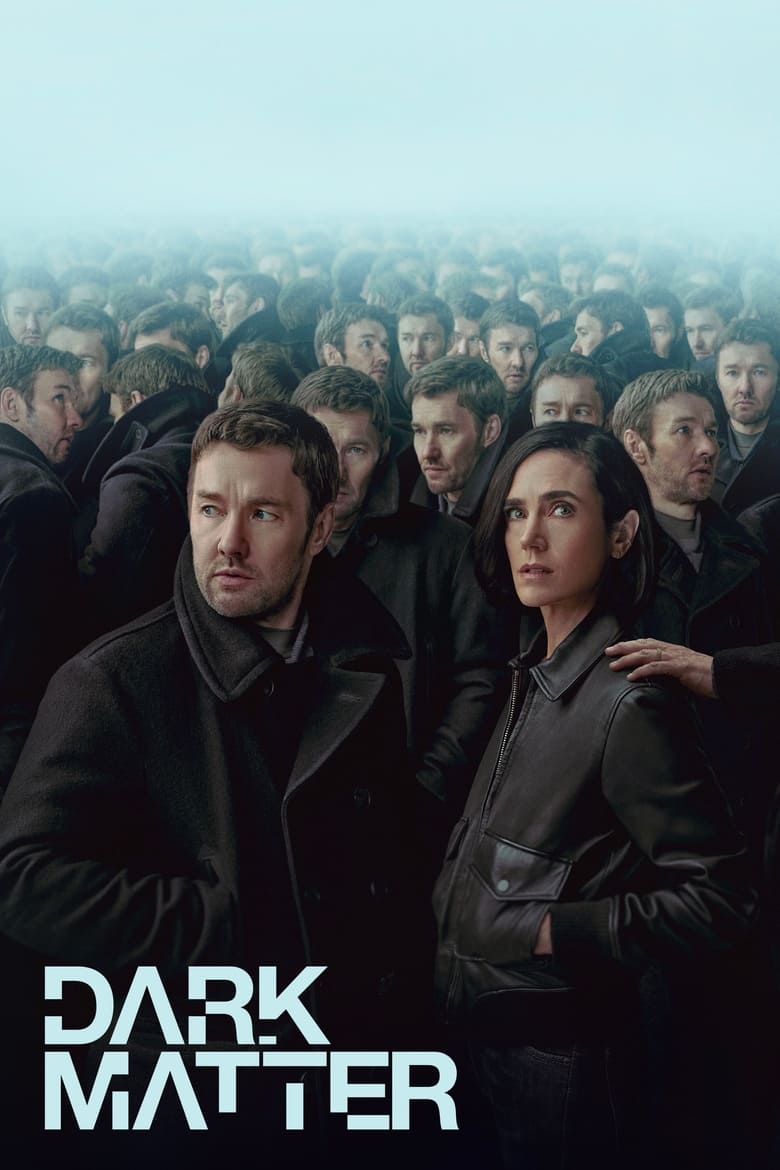
TV Show · 2024
Jason Dessen is abducted into an alternate version of his life. To get back to his true family, he embarks on a harrowing journey to save them from the most terrifying foe…
TV Show · 2021
Interconnected phone conversations chronicle the mysterious story of a group of strangers whose lives are thrown into disarray in the lead-up to an apocalyptic event.
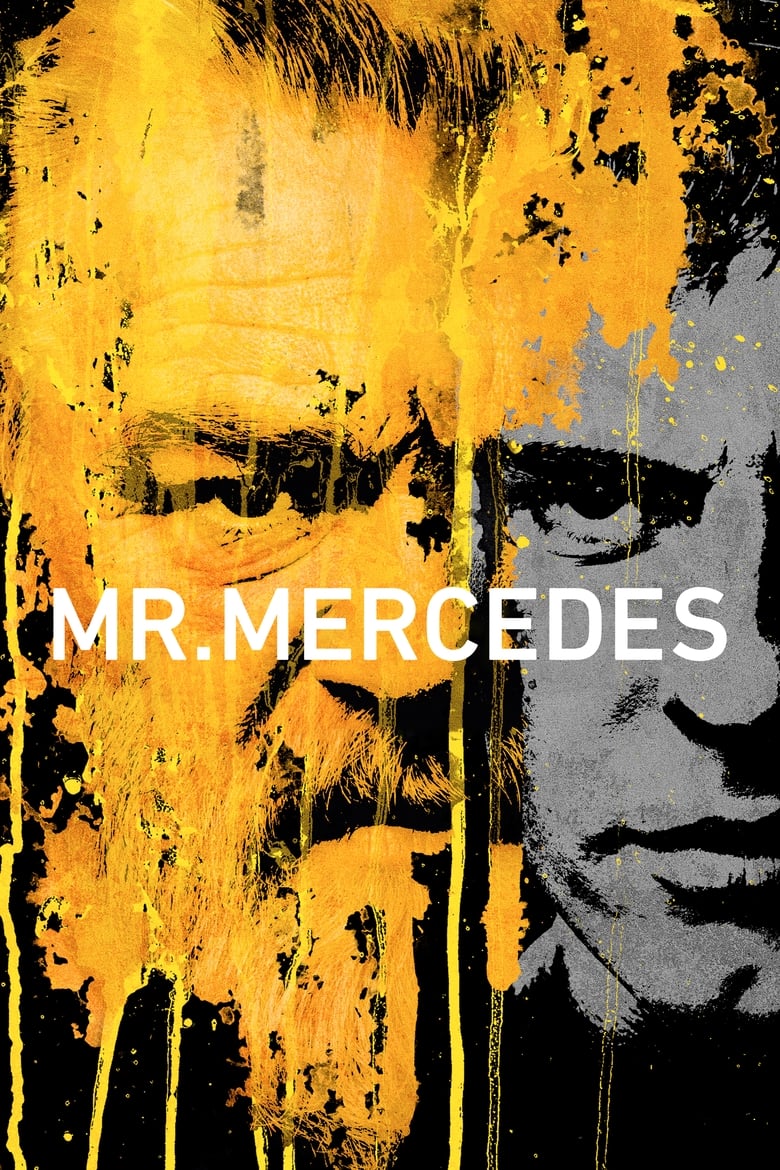
TV Show · 2017
A demented serial killer taunts a retired police detective with a series of lurid letters and emails, forcing the ex-cop to undertake a private, and potentially felonious, crusade…
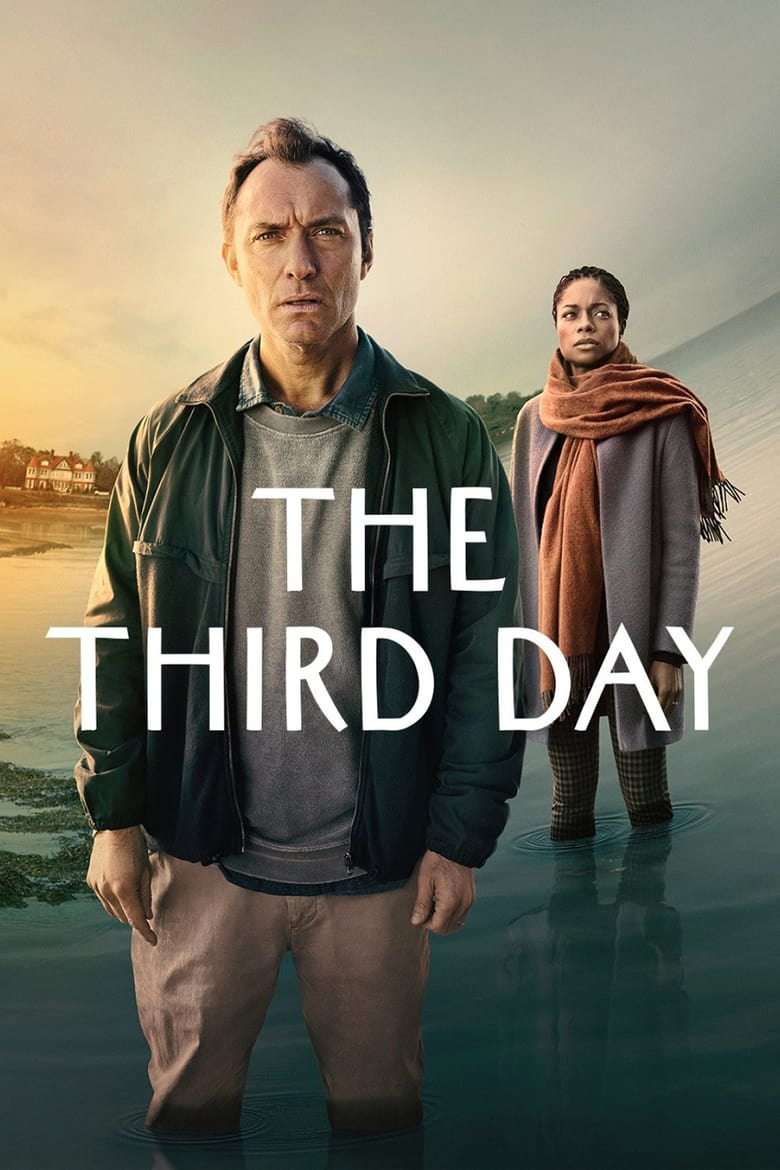
TV Show · 2020
A unique story told over two distinct halves, "Summer" follows Sam, a man drawn to a mysterious island off the British coast where he encounters a group of islanders set on…
