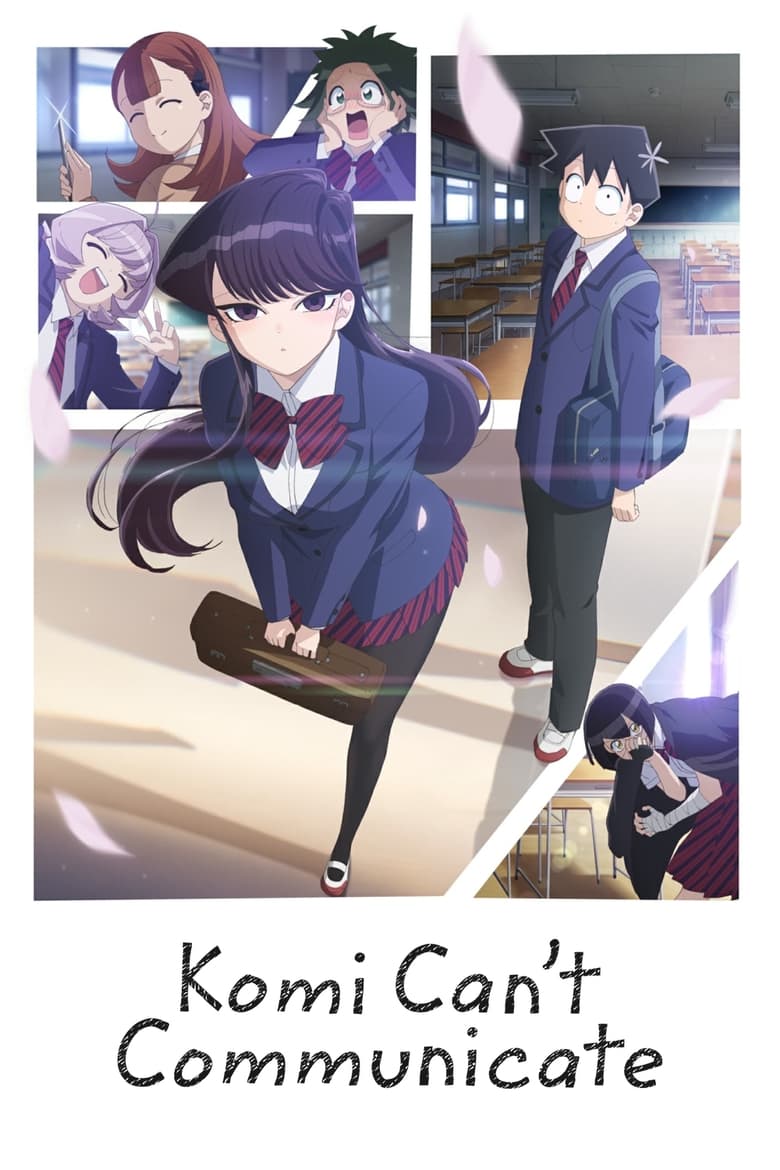

2021–2022 · Based on 1 season, 24 episodes through June 23, 2022 · · Japanese
Shoko Komi is a Japanese high school student who wants 100 friends but struggles to speak to other people. Her classmate Tadano learns that her quiet manner hides strong fear rather than pride, and he helps her connect with others. Their school days mix gentle romance with loud jokes about classmates who have strange habits. The later episodes follow a school trip, Valentine's Day, and a White Day gift as Komi and Tadano grow closer. Najimi is a close friend whose unclear gender becomes a running joke, and the English dub uses they/them pronouns. Yamai is a girl who openly desires Komi, although the show treats her stalking and sexual behavior as creepy comedy. The later episodes also use romantic misunderstandings about Tadano and his male friend Katai. These recurring gender and same-sex jokes sit beside a story about social anxiety, friendship, and a growing boy-girl romance.
Community feedback
Was our 35% Woke rating accurate?
Loading review details…
Breakdown
These are the editorial factors and ratings behind our score for Komi Can't Communicate.
Woke representation / casting
Not present. The Japanese school cast has no documented diversity-first design, and the queer character content is covered under story themes.
0%
Woke political dialogue
Not present. Najimi's gender claims and pronouns serve character jokes rather than arguments for modern political positions.
0%
Identity-driven story themes
Najimi remains a close friend while switching claims about being a boy or a girl. Yamai openly desires Komi and keeps pursuing her across both Japanese seasons. Yamai's attraction appears again in the final episodes through the tights scene and her suggestive White Day gift. These recurring characters bring queer and gender-nonconforming content into the friendship story.
38%
Western institutional / cultural critique
Not present. The story supports friendship, family visits, and romance without blaming Western values or traditional family roles.
0%
Woke character or canon changes
Netflix's English dub uses they/them for Najimi where other versions use he or she. Netflix's Spanish subtitles introduce “amigue” and “nosotres” in episode 2. The localized wording adds modern gender-inclusive language to the existing gender mystery.
15%
Anti-woke backlash and complaints
Viewers objected that Netflix's gender-inclusive wording changed Najimi into a non-binary character. La República covered those complaints about “amigue” and “nosotres” as a news story. LEVEL UP also reported fans rejecting the added language. A review site separately accused the English dub of pleasing the woke crowd.
65%
Creator track record context
Not present. The stored context gives the main directors and writers scores of zero and identifies no woke history for the higher-scored supporting crew.
0%
Production
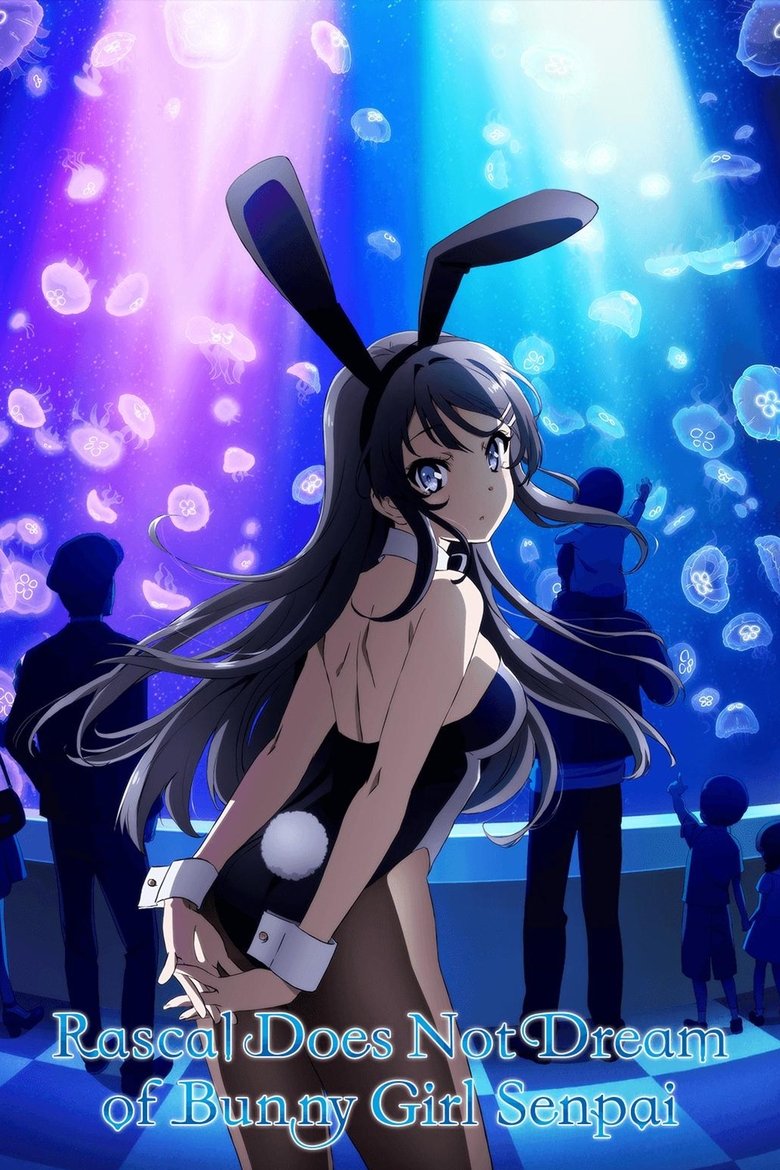
TV Show · 2018
Puberty Syndrome—a rumored, mysterious syndrome that only affects those in their puberty. For example, a bunny girl suddenly appeared in front of Sakuta Azusagawa.
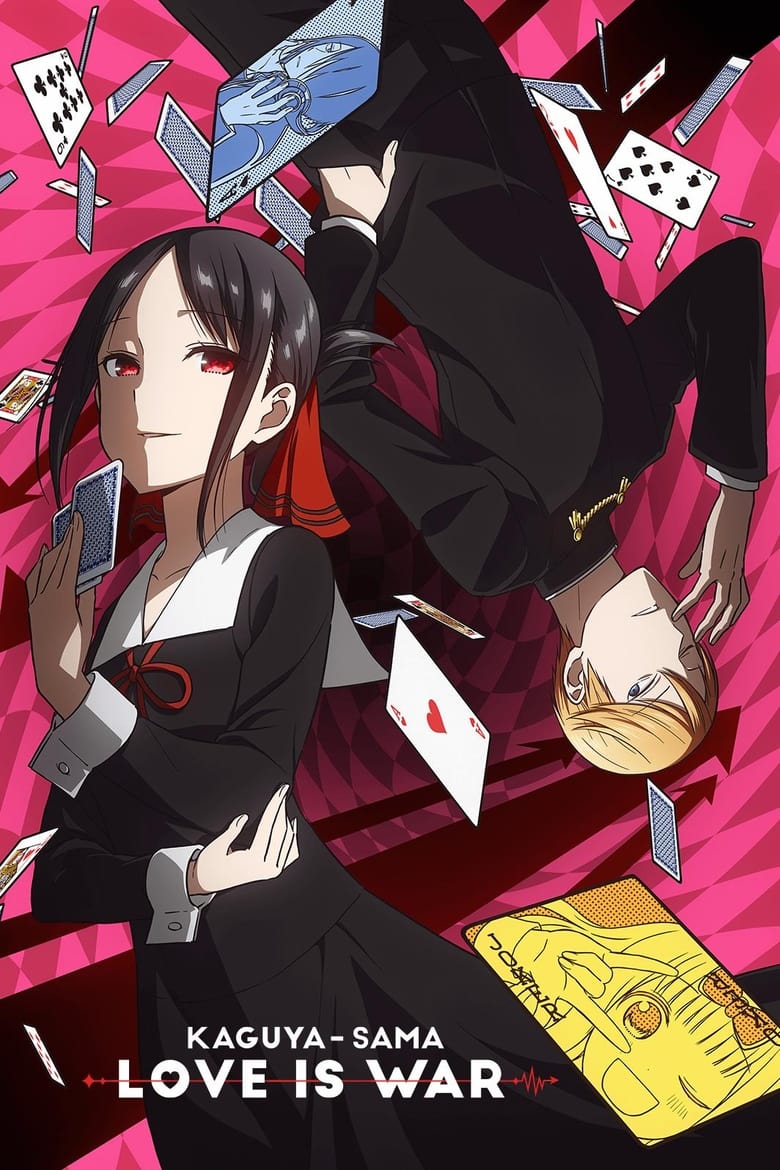
TV Show · 2019
Considered a genius due to having the highest grades in the country, Miyuki Shirogane leads the prestigious Shuchiin Academy's student council as its president, working alongside…
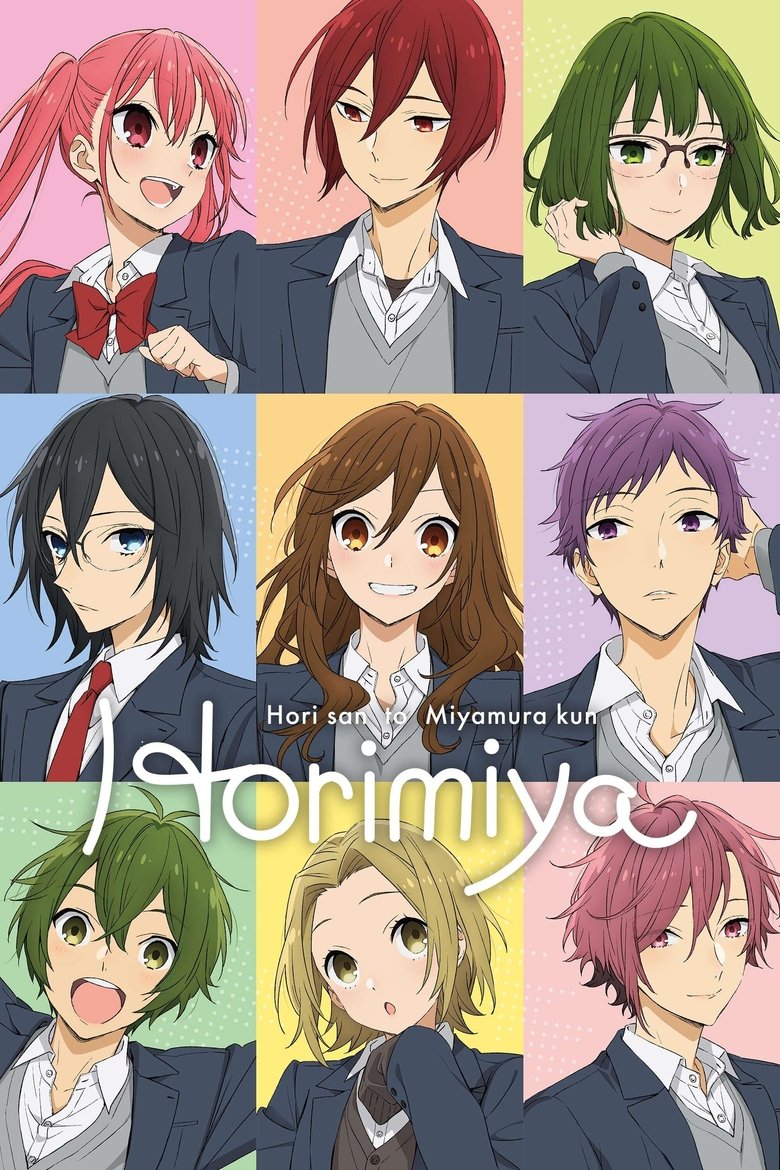
TV Show · 2021
A secret life is the one thing they have in common. At school, Hori is a prim and perfect social butterfly, but the truth is she's a brash homebody.
TV Show · 2025
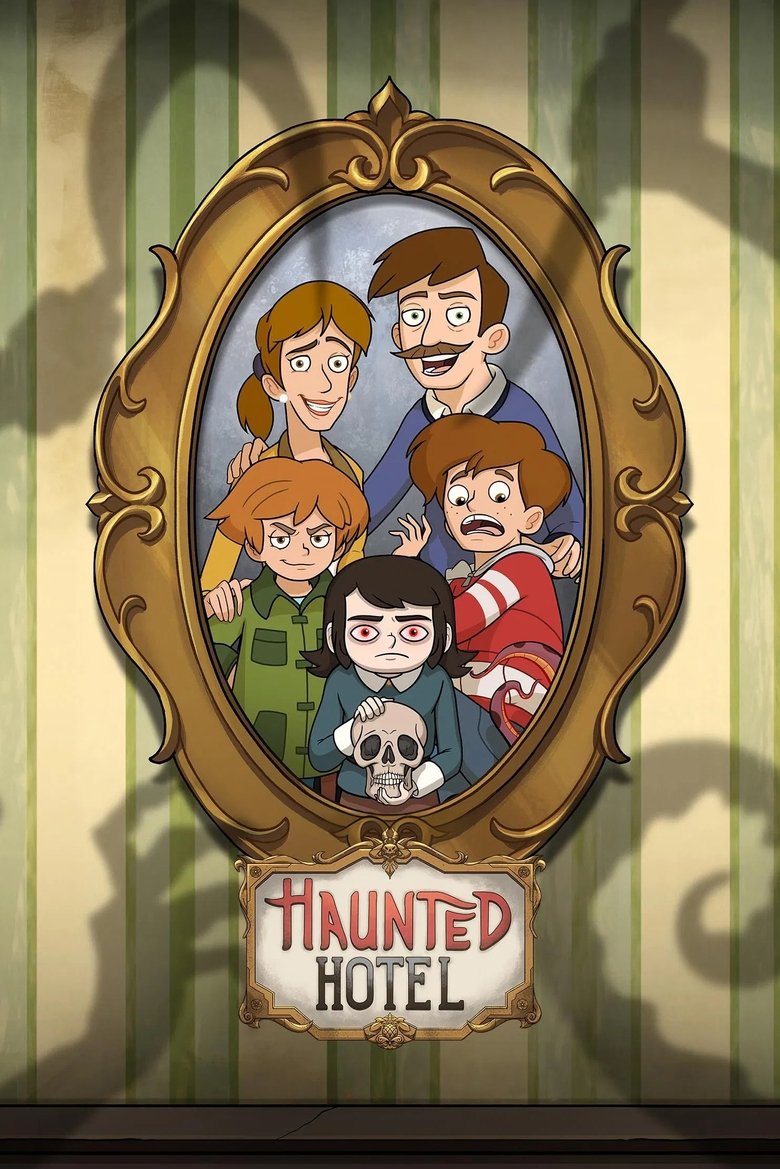
After inheriting a hotel from her late brother, a single mom moves in with his good-natured ghost — and high-maintenance guests who will never check out.

TV Show · 2020
A surreal take on transitioning from 20-something to 30-something centering on a married couple juggling such everyday challenges as parenthood, friendship, ham theft, stripper…
TV Show · 2016
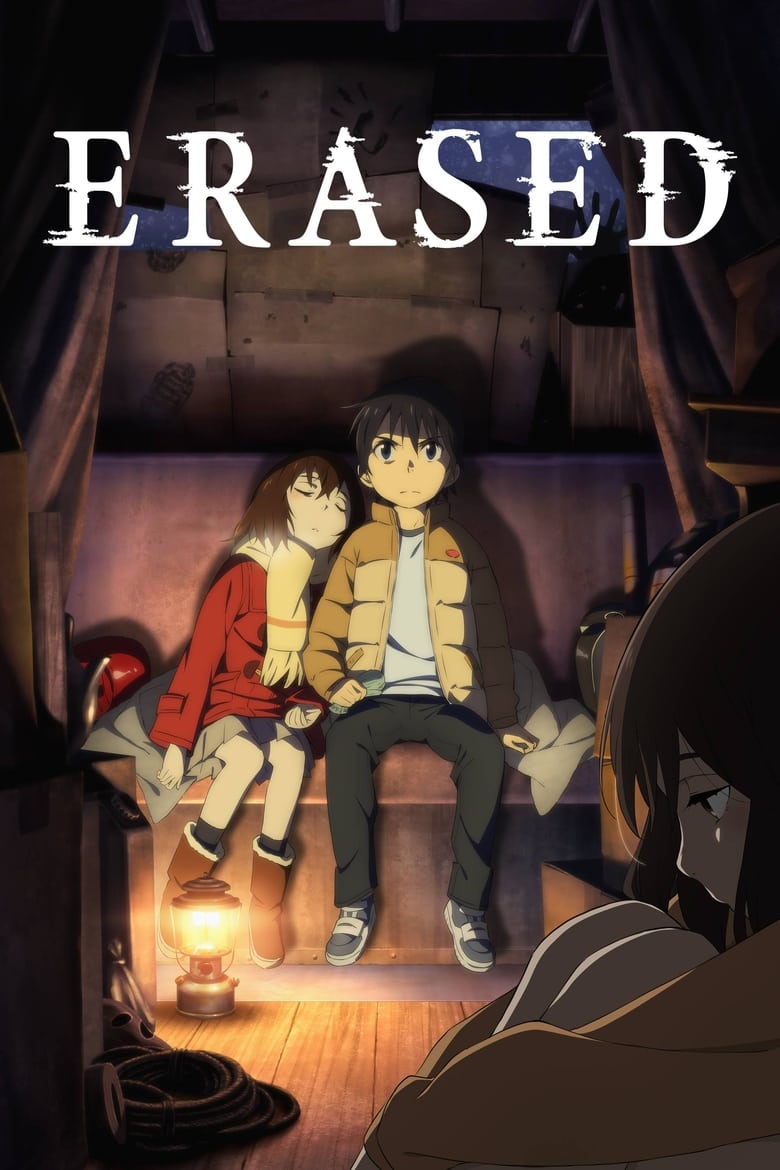
Satoru Fujinuma is a struggling manga artist who has the ability to turn back time and prevent deaths. When his mother is killed he turns back time to solve the mystery, but ends…

TV Show · 2018
An eager young rookie joins the ragtag small-town police force led by his dad as they bumble, squabble and snort their way through a big drug case.
TV Show · 2022
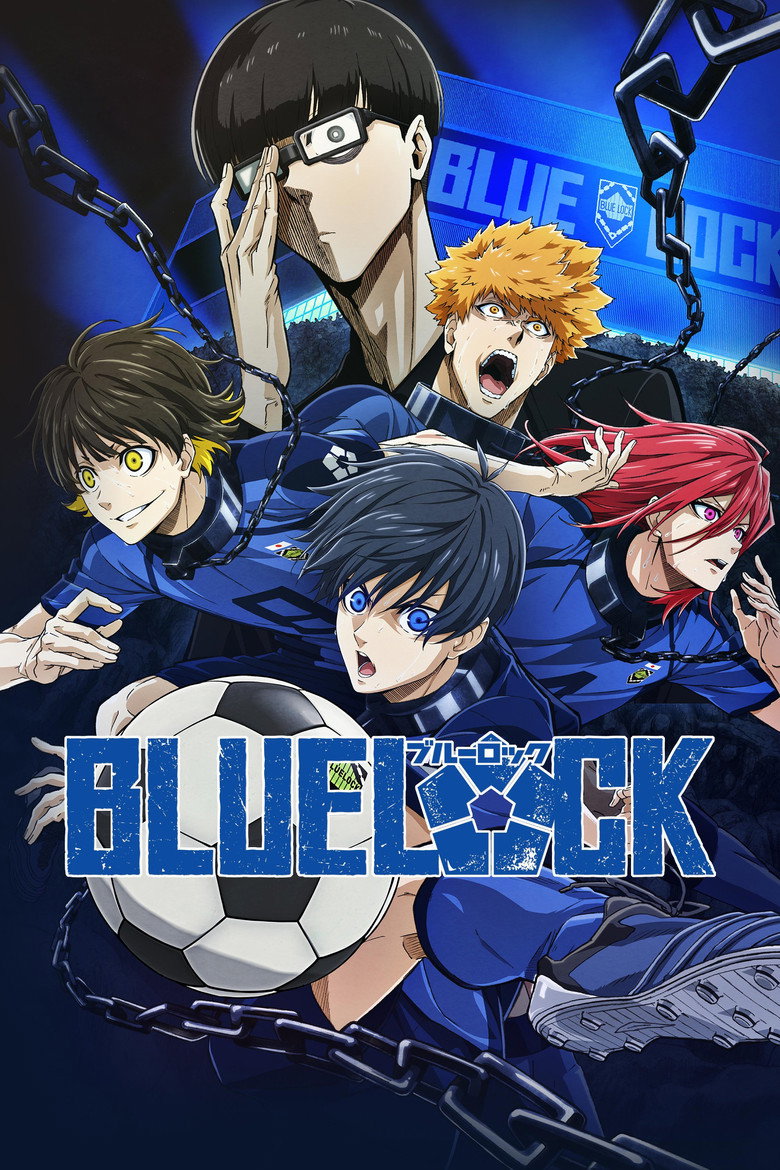
High school soccer players from across Japan gather for a controversial project designed to create the best — and most egoistic — striker in the world.
