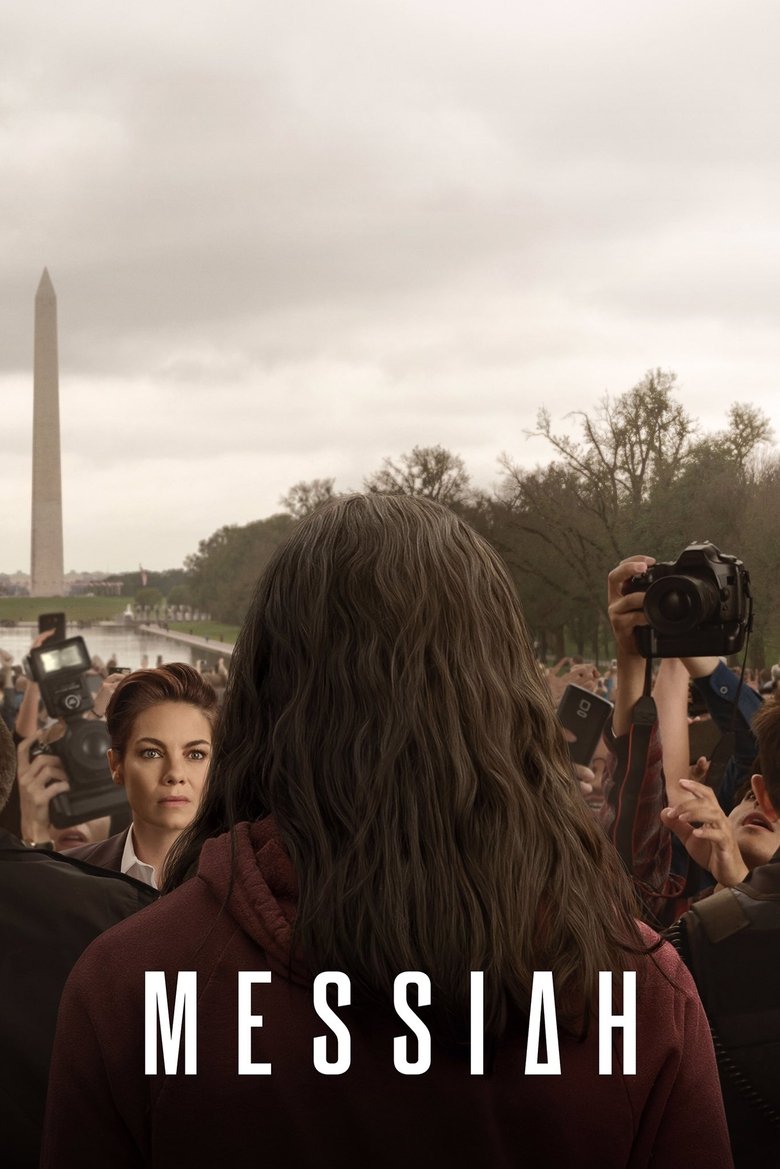

2020 · Based on 1 season, 10 episodes through January 1, 2020 ·
Messiah follows Eva Geller, a cautious CIA officer who investigates Al-Masih, a mysterious preacher who gains followers after appearing to perform miracles. The story travels from war-torn Syria to Israel, Texas, and Washington. Governments, religious leaders, and ordinary people try to discover whether Al-Masih is a true savior, a fraud, or a dangerous figure. The serious thriller focuses on faith, doubt, fear, political power, and the effects of religious belief. The show repeatedly presents peace, tolerance, human rights, refugees, and an end to military conflict as important ideas. Al-Masih asks the U.S. president to bring American troops home and criticizes borders created by European powers. The story treats Arabs and Palestinians with sympathy, but many Middle Eastern characters remain connected to terrorism or religious conflict. These political and humanitarian ideas affect the plot, yet the show does not focus on modern gender, race, or queer politics. The visible message supports unity and questions military action, but faith and mystery remain more important than social activism.
Community feedback
Was our 22% Woke rating accurate?
Loading review details…
Breakdown
These are the editorial factors and ratings behind our score for Messiah.
Woke representation / casting
Not present. The main cast fits the story's international settings, with Middle Eastern roles played by Middle Eastern actors. No clear diversity-first casting message or unusual identity pattern was found.
0%
Woke political dialogue
Al-Masih repeatedly speaks about peace, tolerance, human rights, and ending military conflict. He tells the U.S. president to bring home American troops. The dialogue has a mild activist tone. The dialogue does not focus on race, gender, DEI, or modern identity politics.
5%
Identity-driven story themes
The story supports unity across religions and treats refugees and Palestinians with sympathy. Al-Masih also appears as a figure who crosses religious boundaries. These themes return throughout the story. The main focus remains faith, doubt, terrorism, and political power.
18%
Western institutional / cultural critique
The show questions U.S. military action, European-made borders, Israeli occupation, and the actions of intelligence agencies. Several episodes present these ideas. The criticism connects to the political thriller story. The show does not broadly attack Western culture or family life.
30%
Woke character or canon changes
Not relevant. Messiah is an original series and does not change established characters, source material, or real historical figures.
0%
Anti-woke backlash and complaints
Not present. Public complaints focused on alleged anti-Islamic or religiously offensive content. Those complaints differ from claims that the show promotes woke ideas. Right-leaning praise for the show as not woke does not count as backlash.
0%
Creator track record context
Michael Petroni, James McTeigue, and most listed writers have little evidence of activist or identity-focused work. Mark Burnett and Roma Downey have supported diverse faith-based projects. Their main work remains traditional religious entertainment. The overall creator record is low.
12%
Production

TV Show · 2024
Fascinated by cars since childhood, Brazilian racer Ayrton Senna became a sports legend — until tragedy struck, changing Formula 1 forever.
TV Show · 2024
The powerful real-life story of Lali Sokolov, a Jewish prisoner who was tasked with tattooing ID numbers on prisoners' arms in the Auschwitz-Birkenau concentration camp during…
TV Show · 2021
Follow the Dutton family as they embark on a journey west through the Great Plains toward the last bastion of untamed America.
TV Show · 2026
As the Kargil War erupts between India and Pakistan, the Golden Arrows squadron of the Air Force takes flight on a dangerous mission behind enemy lines.
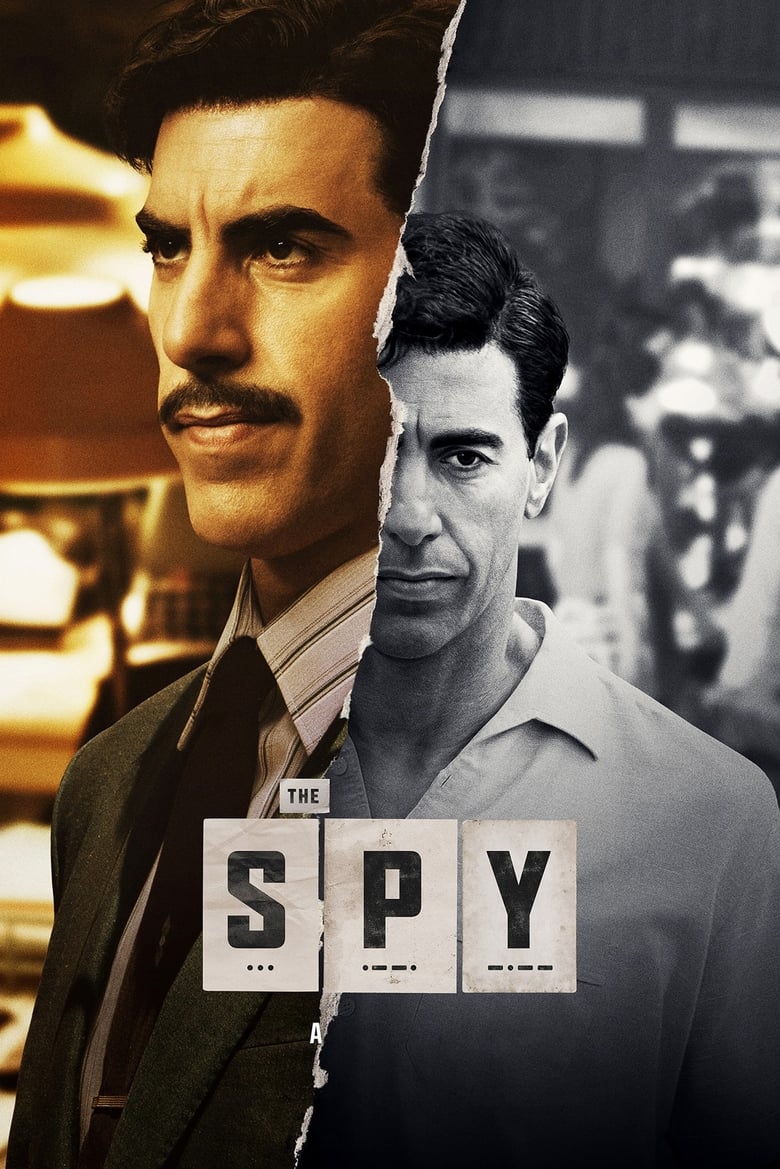
TV Show · 2019
In the 1960s, Israeli clerk-turned-secret agent Eli Cohen goes deep undercover inside Syria on a perilous, years-long mission to spy for Mossad.
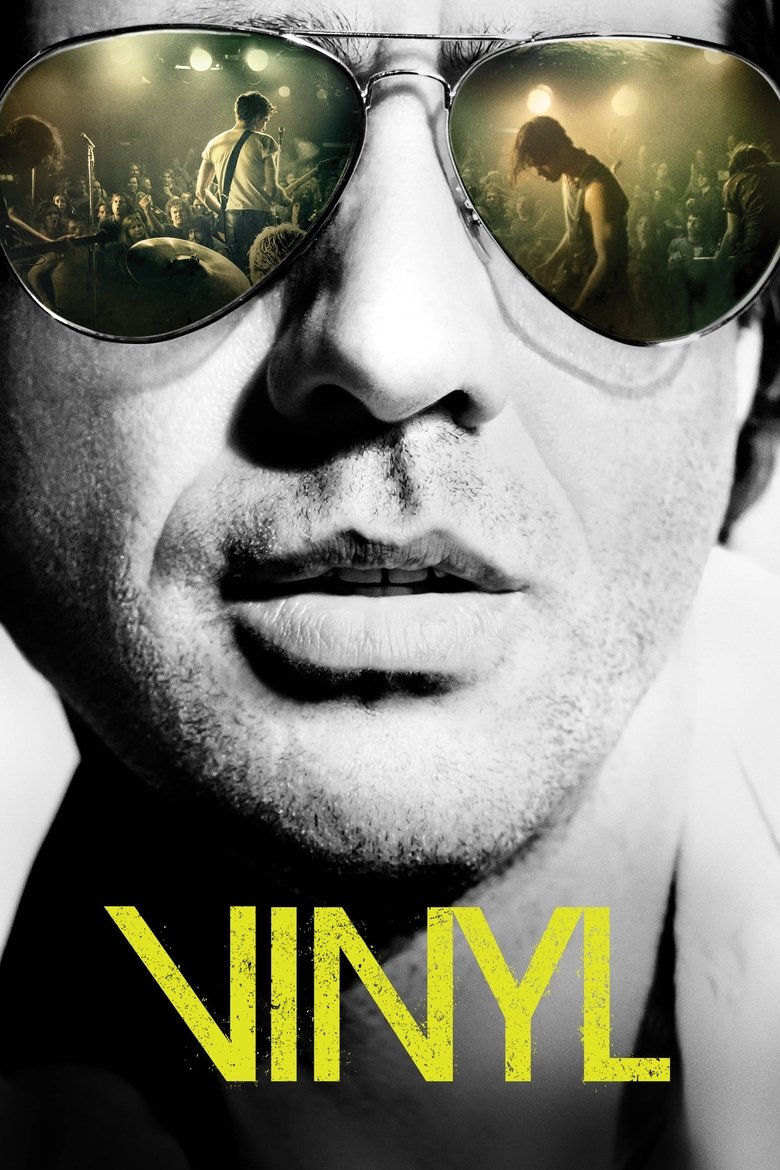
TV Show · 2016
In 1970s New York, jaded record exec Richie Finestra tries to resurrect his failing label and fractured personal life while keeping his finger on the pulse of the city's new sound.
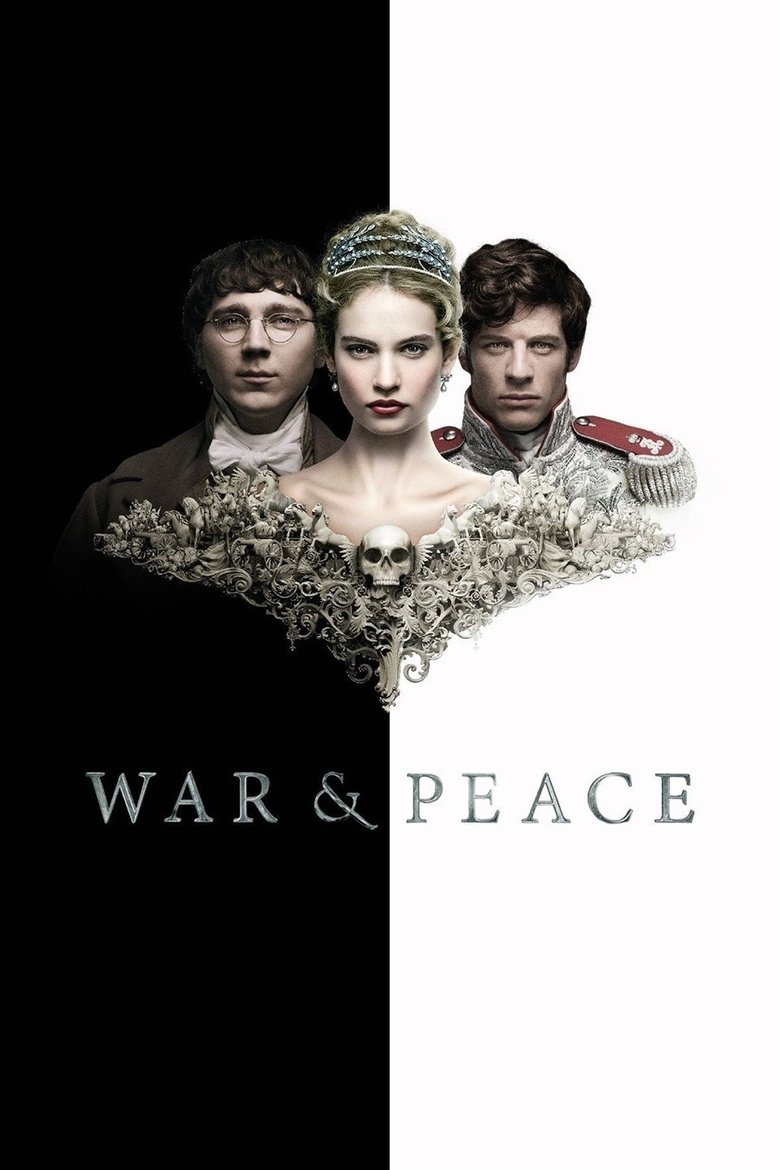
TV Show · 2016
The love story of young Countess Natasha Rostova and Count Pierre Bezukhov is interwoven with the Great Patriotic War of 1812 against Napoleon's invading army.
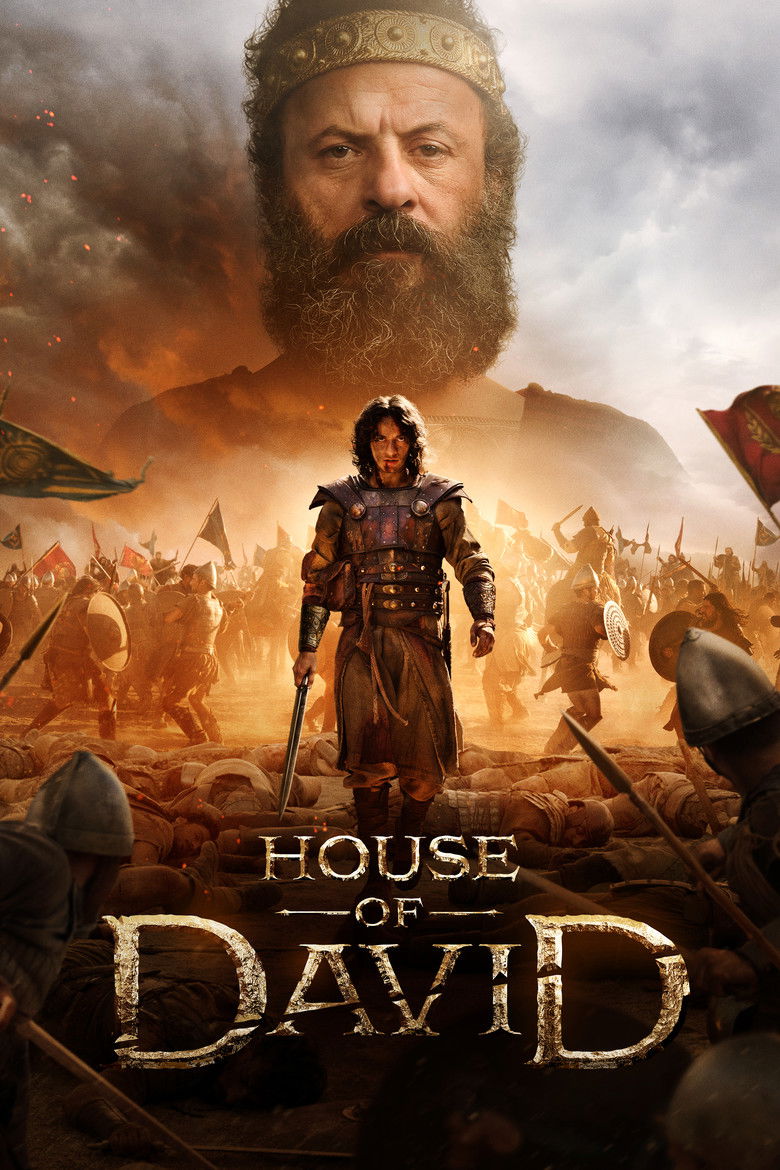
TV Show · 2025
Tells the story of the ascent of the biblical figure, David, who becomes the most celebrated king of Israel. The series follows the once-mighty King Saul as he falls victim to his…
