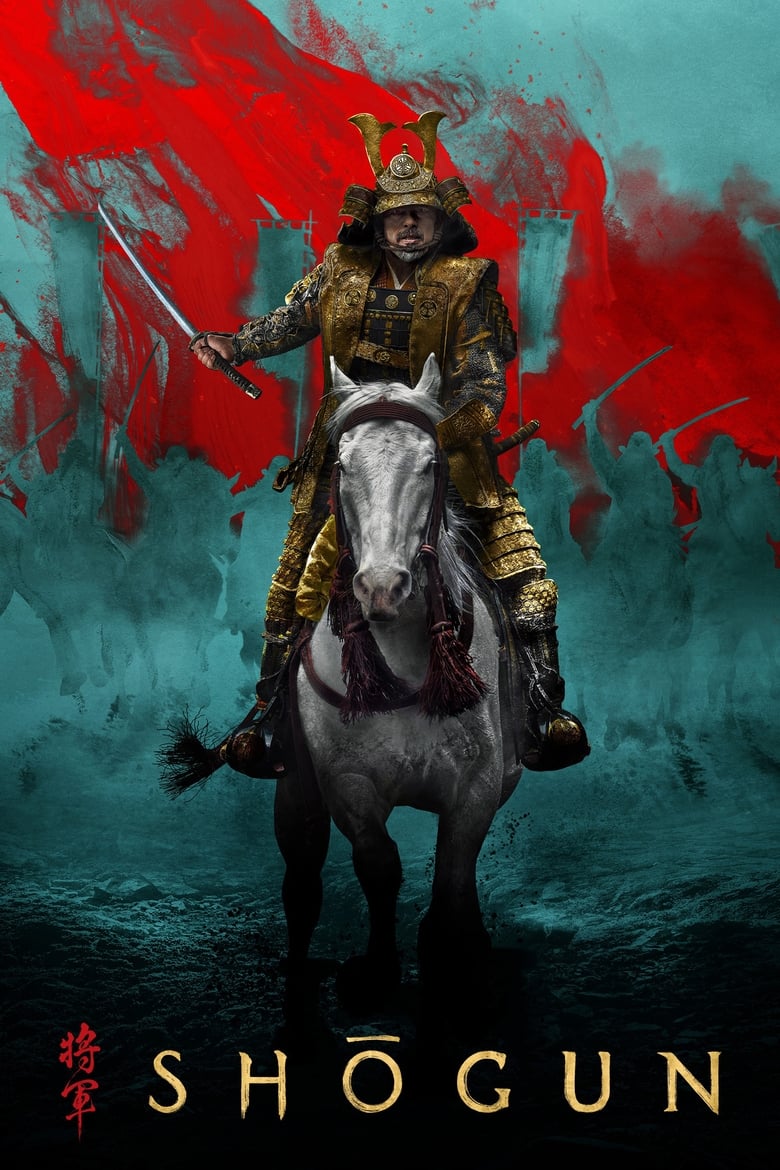

2024– · Based on 1 season, 10 episodes through April 23, 2024 ·
John Blackthorne, an English sailor, reaches Japan in 1600 after his ship runs aground. Lord Toranaga faces a council of rivals who want to remove him, and he uses Blackthorne’s ship and knowledge to improve his position. Lady Mariko translates for Blackthorne while serving Toranaga and facing her family’s disgrace, a violent marriage, and her Catholic faith. The series follows their choices through a slow, tense fight for power, with sudden bursts of violence. Mariko, Lady Ochiba, and Fuji all make choices that affect the struggle. Mariko stands up to the men who hold women hostage and puts herself at risk to free them. Ochiba uses her place beside the young heir to shape alliances, while Fuji carries on after the deaths of her husband and child. Their choices give women a visible role in the plot, while the story ties their lives to the duties, faith, and family rules of 1600 Japan.
Community feedback
Was our 25% Woke rating accurate?
Loading review details…
Breakdown
These are the editorial factors and ratings behind our score for Shōgun.
Woke representation / casting
Not present. Japanese actors play Japanese characters in 1600 Japan.
0%
Woke political dialogue
Not present. Dialogue centers on rule, war, loyalty, faith, trade, and survival.
0%
Identity-driven story themes
Mariko uses her role as translator to shape what Toranaga and Blackthorne learn about each other. She challenges Ishido’s control of the hostages and risks her life to secure their release. Ochiba uses her place beside the young heir to influence political alliances. The season repeatedly shows women making choices that change the struggle for power.
16%
Western institutional / cultural critique
Blackthorne spends the season trying to recover his ship and return to England. In the finale podcast, Justin Marks calls Blackthorne’s ambition “the disease of colonialism or even almost capitalism.” The final episode shows Blackthorne giving up his old goals.
9%
Woke character or canon changes
The 2024 series brings Mariko into the story early through its opening episode. It gives viewers Japanese conversations and story scenes that the 1980 miniseries kept behind Blackthorne’s point of view. This change gives Mariko and other Japanese women more room as leading characters.
18%
Anti-woke backlash and complaints
Several small X accounts called the series a “woke disaster” or “Girlboss Japan.” A Reddit commenter said the show had “girlbossed” Mariko. Another X post repeated a jibe about a woman fighting larger warriors.
18%
Creator track record context
Justin Marks has framed the series around Japanese viewpoints and said specific diversity can strengthen a story. Takeshi Fukunaga has spoken about Ainu history, capitalism, and gender inequality. Hiromi Kamata has tied her work to her Mexican-Japanese background and the women in her episode. The available scores for key creators average about 37, including Marks at 49 and Kondo at 21.
37%
Production

TV Show · 2026
As the Kargil War erupts between India and Pakistan, the Golden Arrows squadron of the Air Force takes flight on a dangerous mission behind enemy lines.
TV Show · 2024
The powerful real-life story of Lali Sokolov, a Jewish prisoner who was tasked with tattooing ID numbers on prisoners' arms in the Auschwitz-Birkenau concentration camp during…

TV Show · 2016
In 1970s New York, jaded record exec Richie Finestra tries to resurrect his failing label and fractured personal life while keeping his finger on the pulse of the city's new sound.
TV Show · 2019
In the 1960s, Israeli clerk-turned-secret agent Eli Cohen goes deep undercover inside Syria on a perilous, years-long mission to spy for Mossad.

TV Show · 2024
Fascinated by cars since childhood, Brazilian racer Ayrton Senna became a sports legend — until tragedy struck, changing Formula 1 forever.

TV Show · 2016
The love story of young Countess Natasha Rostova and Count Pierre Bezukhov is interwoven with the Great Patriotic War of 1812 against Napoleon's invading army.
TV Show · 2021
Follow the Dutton family as they embark on a journey west through the Great Plains toward the last bastion of untamed America.
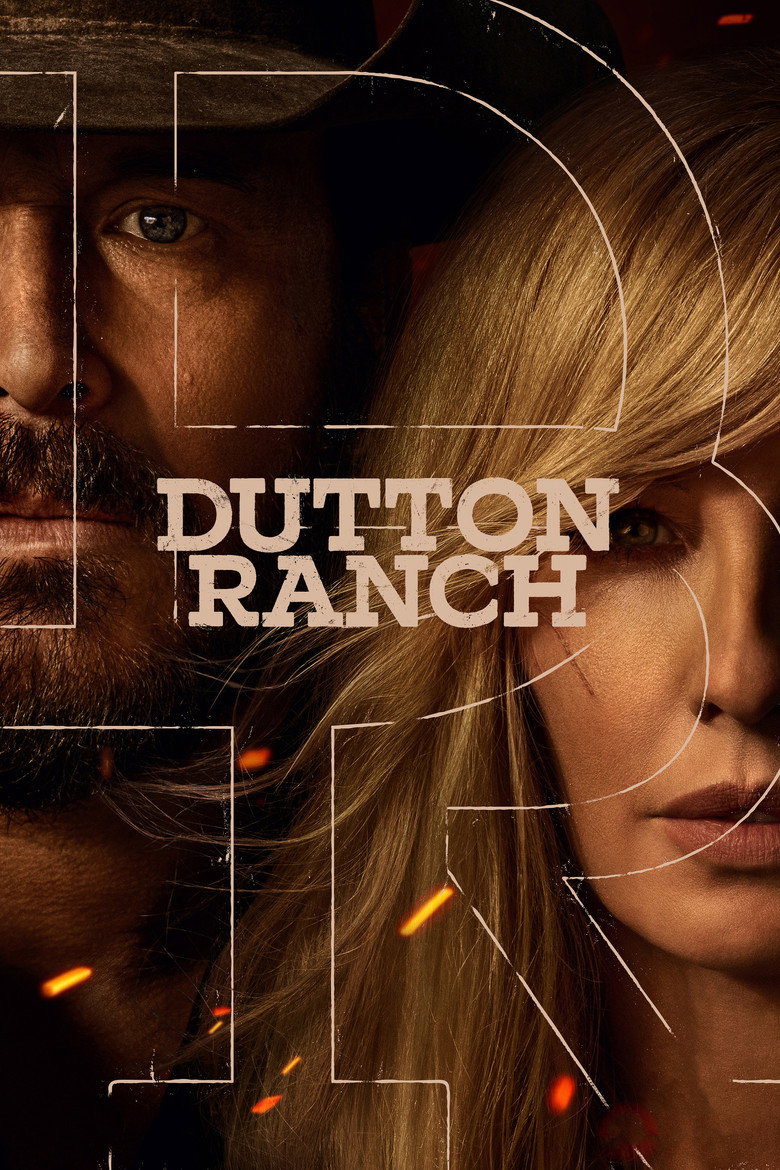
TV Show · 2026
Rip Wheeler and Beth Dutton gamble everything on a new life in South Texas, but the promise of building a future far from the ghosts of Yellowstone quickly collides with brutal…
