

2024 · Based on 1 season, 8 episodes through July 16, 2024 ·
The Acolyte follows Mae Aniseya, a young woman who hunts Jedi linked to a crime from her past. Her twin sister, Osha, once trained as a Jedi but now repairs ships. The story moves between planets, Jedi temples, and the girls’ childhood on Brendok. The tone mixes mystery, martial arts, tragedy, and dark fantasy. The show centers on two powerful women, a female-led Force coven, and claims that the Jedi abused their power. It often presents the Jedi as blind, controlling, and shaped by fear of outside beliefs. The story gives strong weight to women’s authority, motherhood, sisterhood, and groups outside Jedi control. These ideas drive the main mystery rather than appearing only in background scenes.
Community feedback
Was our 89% Woke rating accurate?
Loading review details…
Breakdown
These are the editorial factors and ratings behind our score for The Acolyte.
Woke representation / casting
The show places women and people of color in most major heroic, powerful, and leadership roles. Amandla Stenberg leads the story as both Mae and Osha. Jodie Turner-Smith leads the Force coven as Mother Aniseya. The pattern is clearly stronger than a normal background mix, and public promotion emphasized a new woman-led view of Star Wars.
62%
Woke political dialogue
The characters repeatedly discuss who has the right to control power. The Jedi talk about rules, consent, fear, and protecting society from dangerous beliefs. The dialogue does not often use modern identity terms, but it gives clear support to ideas about institutional control and outsider groups.
27%
Identity-driven story themes
The story centers on women with unusual power who reject the authority of a large institution. The female coven, the twins, and their mothers drive the main conflict across several episodes. The show treats the coven’s beliefs as misunderstood and presents the Jedi as harmful when they impose their judgment. Female power, sisterhood, and outsider identity are central themes.
69%
Western institutional / cultural critique
The Jedi Order is shown as a powerful institution that enters another group’s home and judges its beliefs. The Jedi later hide key facts to protect their reputation. The story compares their actions to cultural control and outside interference. The criticism is mainly aimed at institutional power rather than ordinary tyranny or war.
58%
Woke character or canon changes
The series changes how viewers understand the Jedi, the Force, and the origin of a major later Sith connection. The show does not mainly race-swap or gender-swap an established character. Its identity-related change is limited, but its new female Force coven and revised Jedi history were presented as major additions to Star Wars lore.
18%
Anti-woke backlash and complaints
The show faced sustained anti-woke criticism before and during release. National outlets reported review bombing and complaints about “DEI,” “woke” messaging, the diverse cast, and female Force witches. The reaction spread across YouTube, social media, review sites, and entertainment news. The controversy became a recognizable culture-war story tied directly to the title.
86%
Creator track record context
The key creative group has a strong pattern of representation-focused and identity-driven work. Leslye Headland is openly queer and has discussed gender and queer themes. Jen Richards has a major career in transgender and queer storytelling. Charmaine DeGraté, Claire Kiechel, and Kathleen Kennedy also have stored records tied to diversity and social-justice framing.
78%
Production
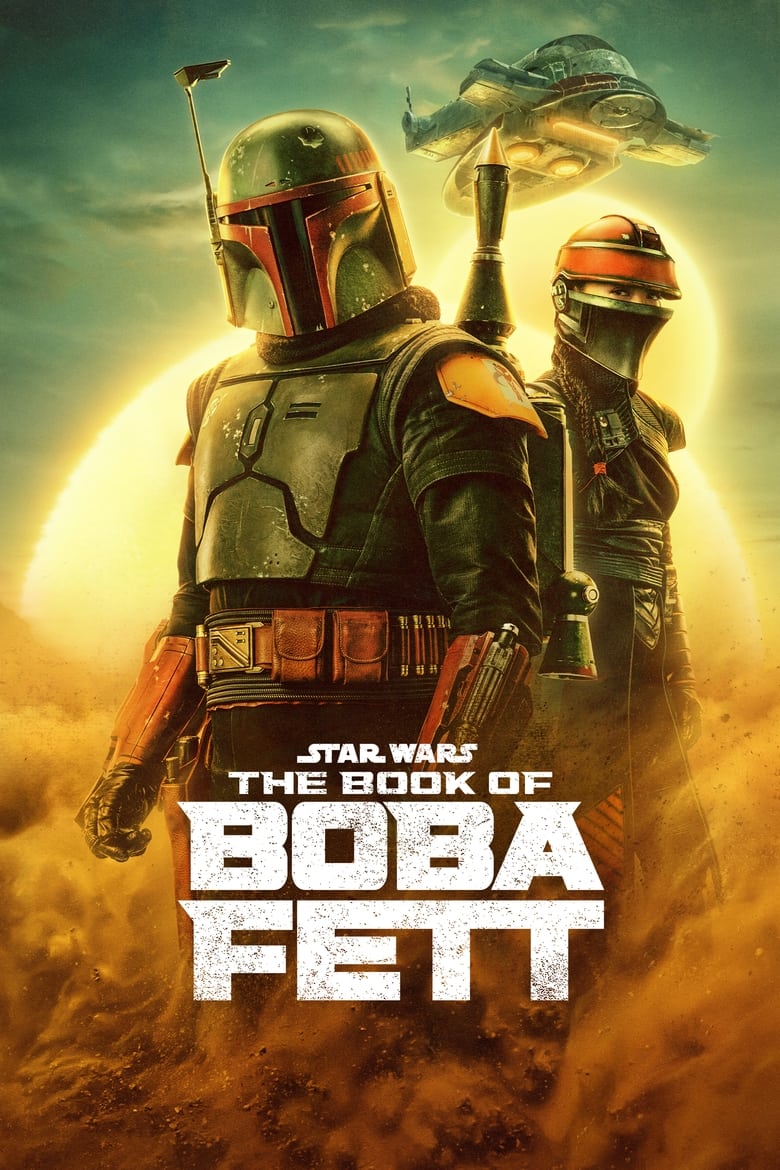
TV Show · 2021
Legendary bounty hunter Boba Fett and mercenary Fennec Shand must navigate the galaxy’s underworld when they return to the sands of Tatooine to stake their claim on the territory…
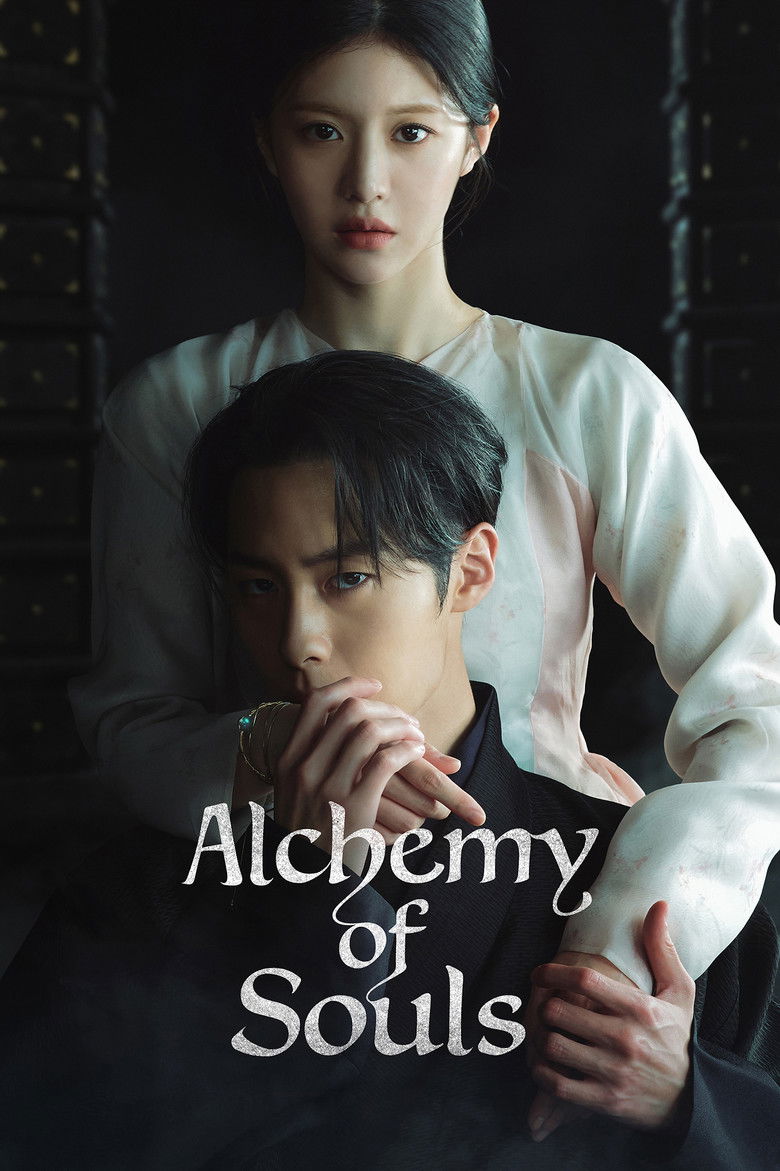
TV Show · 2022
A powerful sorceress in a blind woman's body encounters a man from a prestigious family, who wants her help to change his destiny.
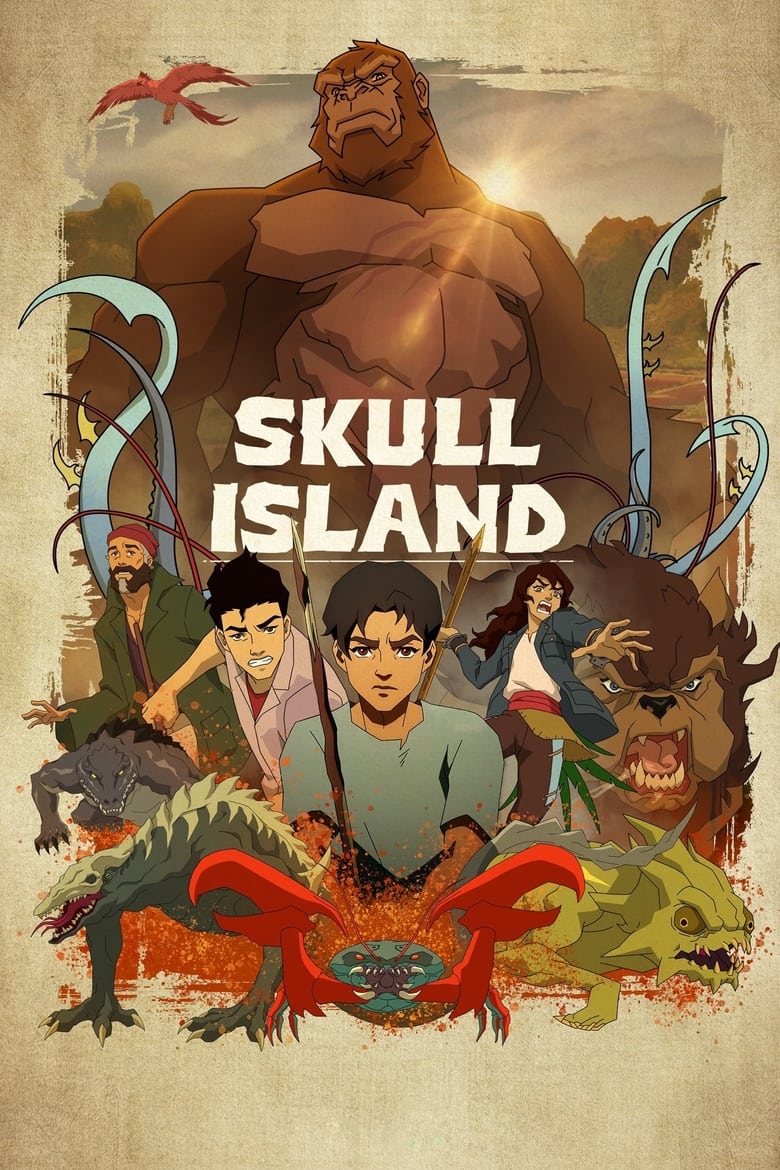
TV Show · 2023
Shipwrecked in the South Pacific, a group of explorers encounter a menagerie of fearsome creatures — including the giant ape who rules the island: Kong.
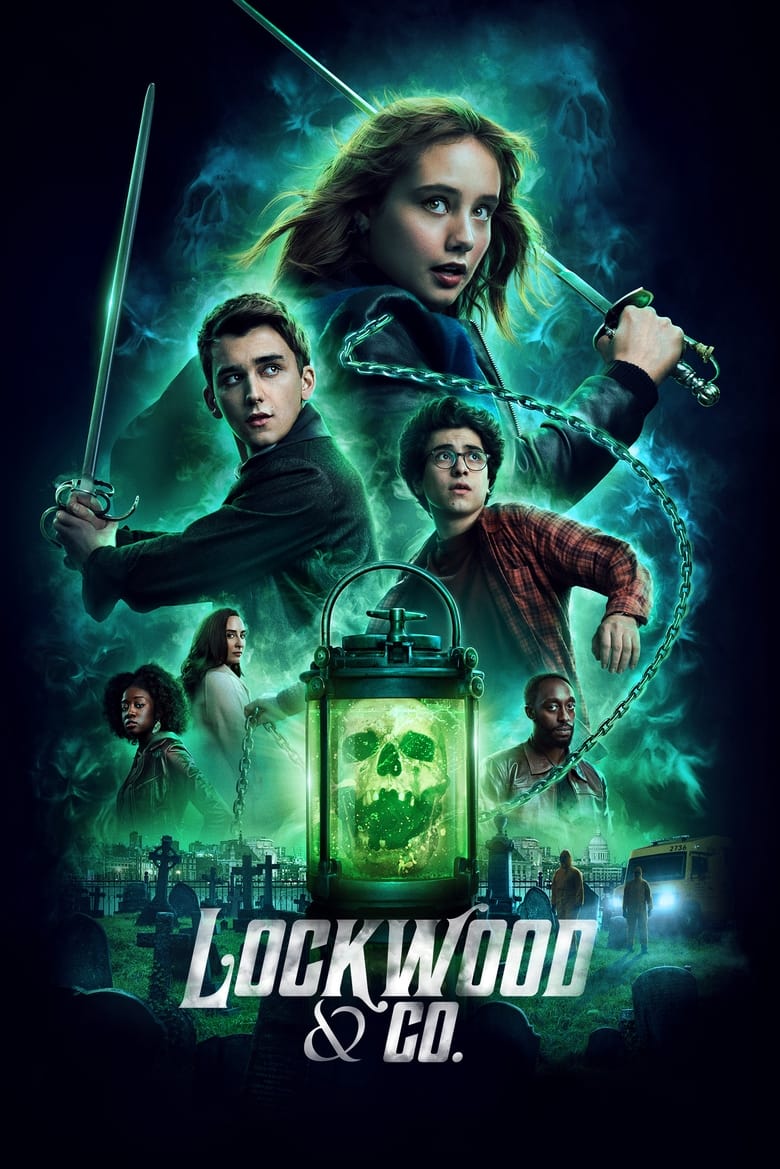
TV Show · 2023
A girl with extraordinary psychic abilities joins two gifted teen boys at a small ghost-hunting agency to fight the many deadly spirits haunting London.
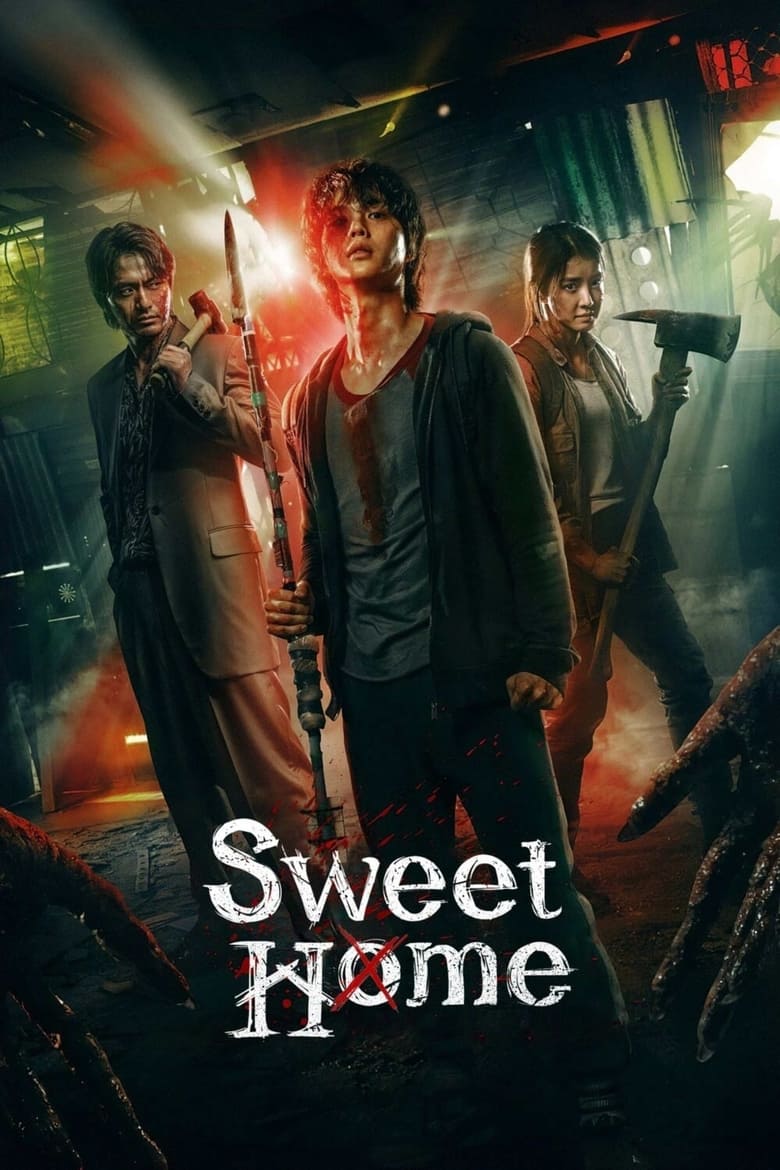
TV Show · 2020
As humans turn into savage monsters and the world plunges into terror, a handful of survivors fight for their lives — and to hold on to their humanity.
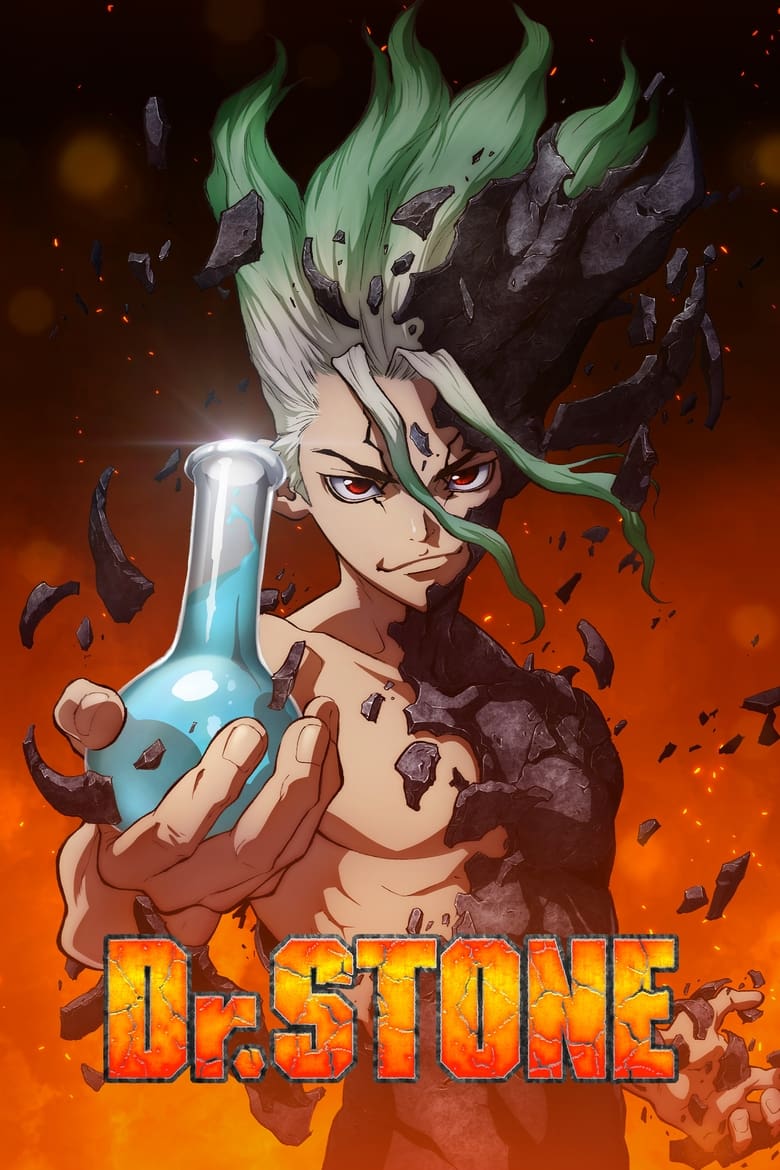
TV Show · 2019
One fateful day, all of humanity was petrified by a blinding flash of light. After several millennia, high schooler Taiju awakens and finds himself lost in a world of statues.
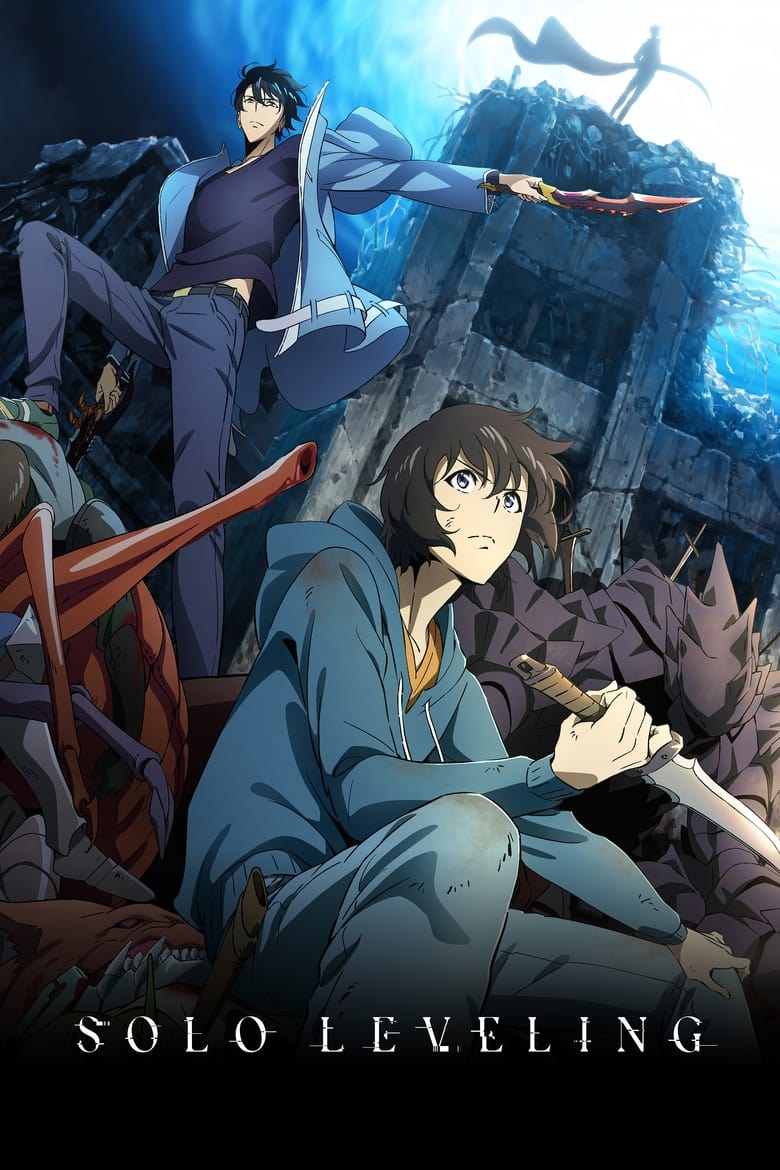
TV Show · 2024
They say whatever doesn’t kill you makes you stronger, but that’s not the case for the world’s weakest hunter Sung Jinwoo.
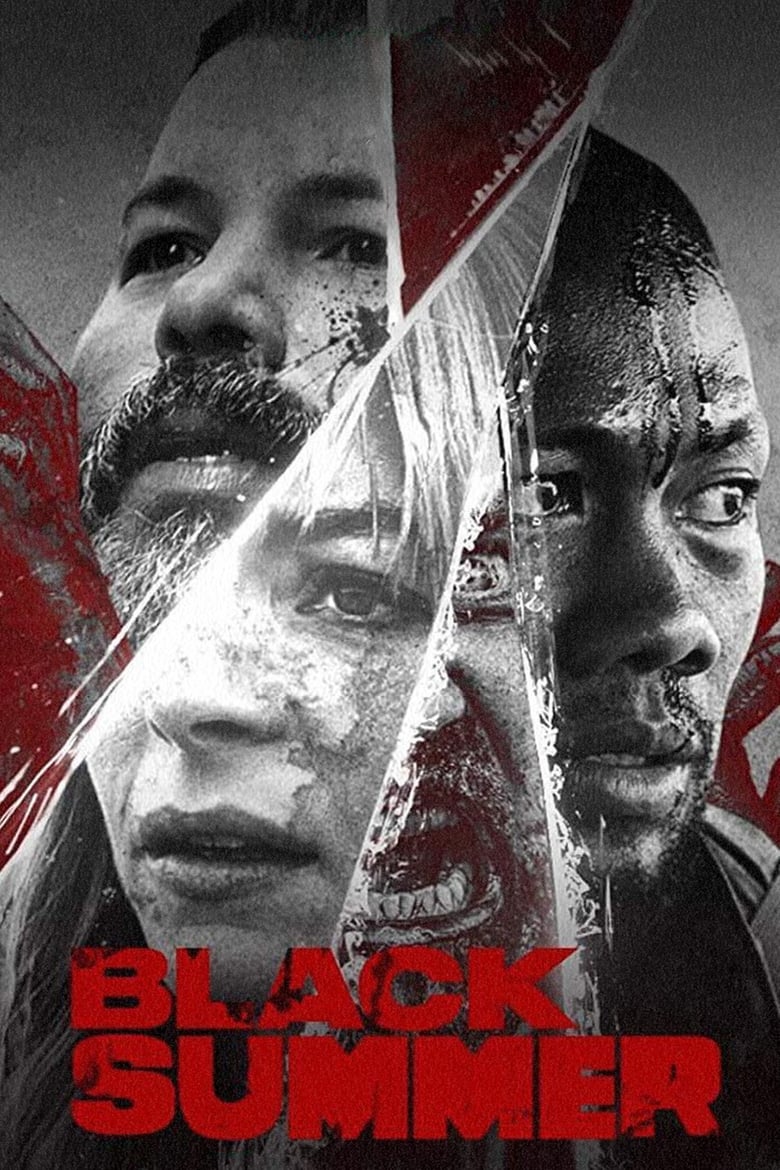
TV Show · 2019
In the dark, early days of a zombie apocalypse, complete strangers band together to find the strength they need to survive and get back to loved ones.
