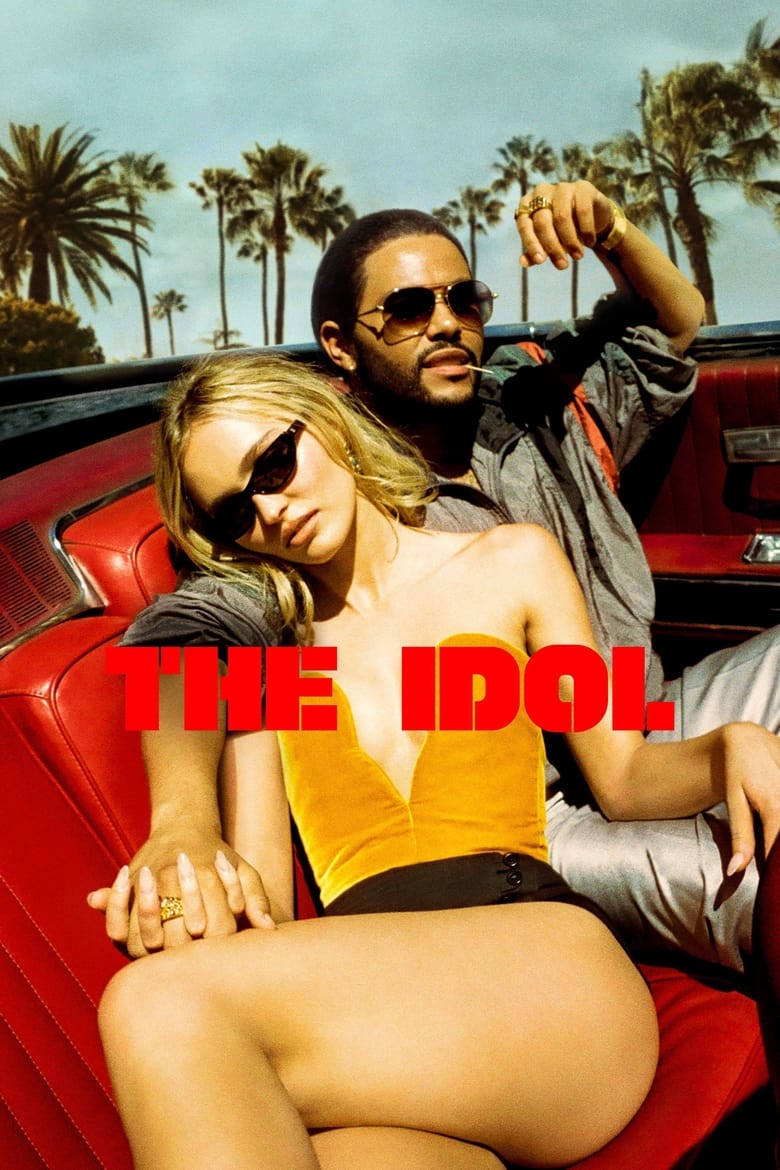

2023 · Based on 1 season, 5 episodes through July 2, 2023 ·
Jocelyn is a famous pop singer trying to restart her career after a nervous breakdown and the death of her mother. She lives in a rich and highly controlled Los Angeles music world. She meets Tedros, a nightclub owner who claims he can unlock her true talent. Their relationship becomes a dark fight over sex, power, control, and fame. The show uses a serious, cruel, and often shocking tone. The show focuses on how the music business uses young stars and turns private pain into public entertainment. Jocelyn’s team treats her like a product, while Tedros uses fear, sex, and false praise to control her. The story often presents Jocelyn as both a victim and a person who manipulates others. A diverse cast and queer supporting characters are visible, but identity politics are not the main subject. The strongest social message targets abuse, celebrity culture, and male control rather than modern political activism.
Community feedback
Was our 40% Woke rating accurate?
Loading review details…
Breakdown
These are the editorial factors and ratings behind our score for The Idol.
Woke representation / casting
The show has a visibly mixed cast in a modern Los Angeles music setting. Troye Sivan plays Jocelyn’s gay creative director, and Hari Nef plays a journalist. The casting is not framed as a major diversity project, and the lead roles do not form an unusually representation-first pattern.
25%
Woke political dialogue
The characters discuss control, sex, fame, and the treatment of women in entertainment. The show includes some lines about male power and female freedom. It does not build its story around DEI, identity politics, or activist speeches.
8%
Identity-driven story themes
Jocelyn’s story repeatedly deals with a woman trying to control her body, career, and public image. Tedros uses sexual domination and claims to understand her better than other people do. The show also presents Jocelyn as a powerful woman who can use men and women for her own goals. These themes are important, but they focus more on abuse and celebrity power than on modern identity politics.
32%
Western institutional / cultural critique
The show repeatedly attacks the music business for turning people into products. Jocelyn’s managers and label executives treat her body and pain as tools for profit. Tedros represents male entitlement and control, while the people around Jocelyn fail to protect her. The criticism is recurring, but the show also attacks rich people and fame in general.
42%
Woke character or canon changes
Not present in this title.
0%
Anti-woke backlash and complaints
Not present in this title.
0%
Creator track record context
Sam Levinson and Abel Tesfaye have low stored scores, but several producers and writers have moderate representation, labor, or left-wing backgrounds. Those records provide some context, but the show is not mainly built around their public politics. The title’s actual content supports only a moderate score.
30%
Production
TV Show · 2024
Set in the proverbial boomtowns of West-Texas and a modern-day tale of fortune-seeking in the world of oil rigs, the series is an upstairs/downstairs story of roughnecks and…
TV Show · 2021
Follow the Dutton family as they embark on a journey west through the Great Plains toward the last bastion of untamed America.
TV Show · 2019
The true story of one of the worst man-made catastrophes in history: the catastrophic nuclear accident at Chernobyl.
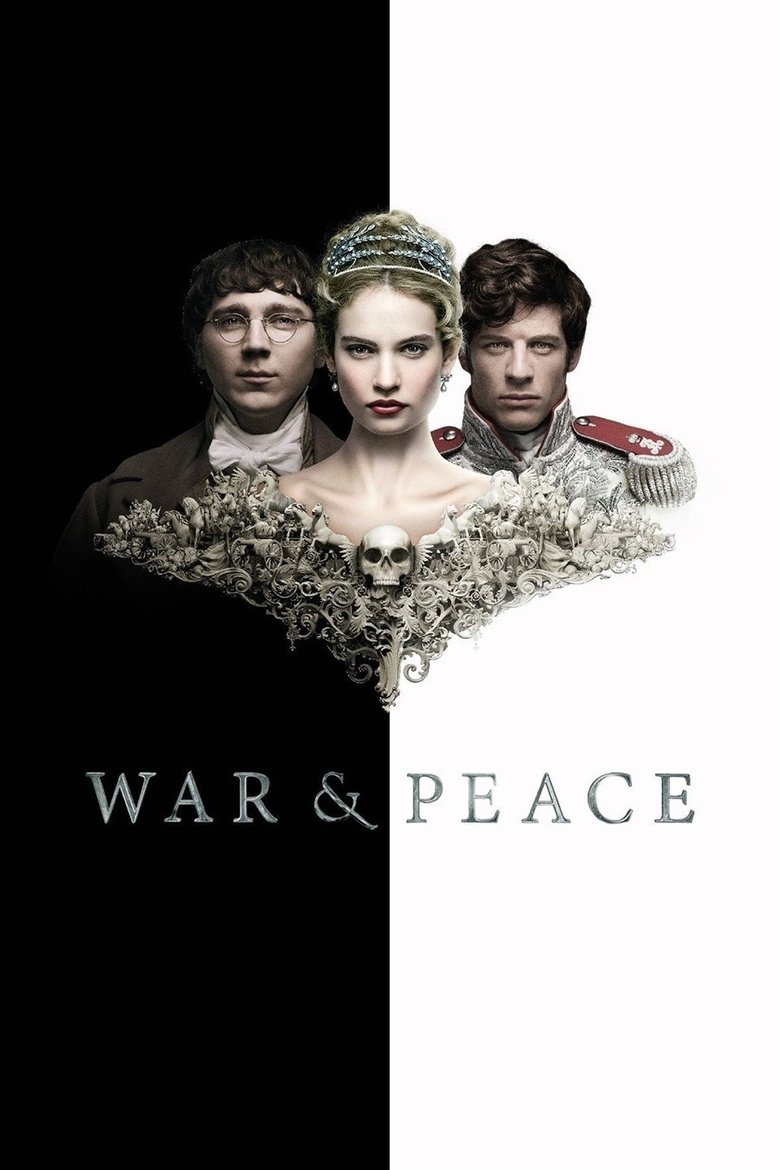
TV Show · 2016
The love story of young Countess Natasha Rostova and Count Pierre Bezukhov is interwoven with the Great Patriotic War of 1812 against Napoleon's invading army.
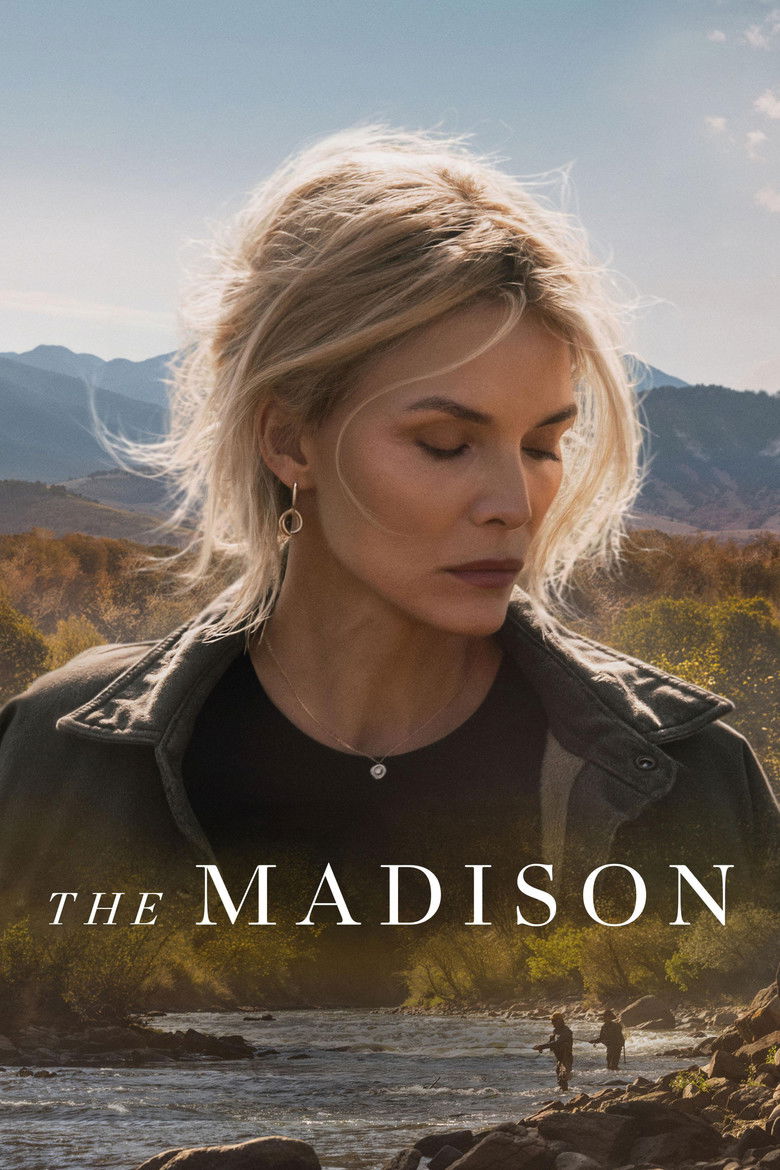
TV Show · 2026
The Clyburns uproot their comfortable New York City lives to the wild, untamed beauty of Montana's Madison River Valley on a search for connection.
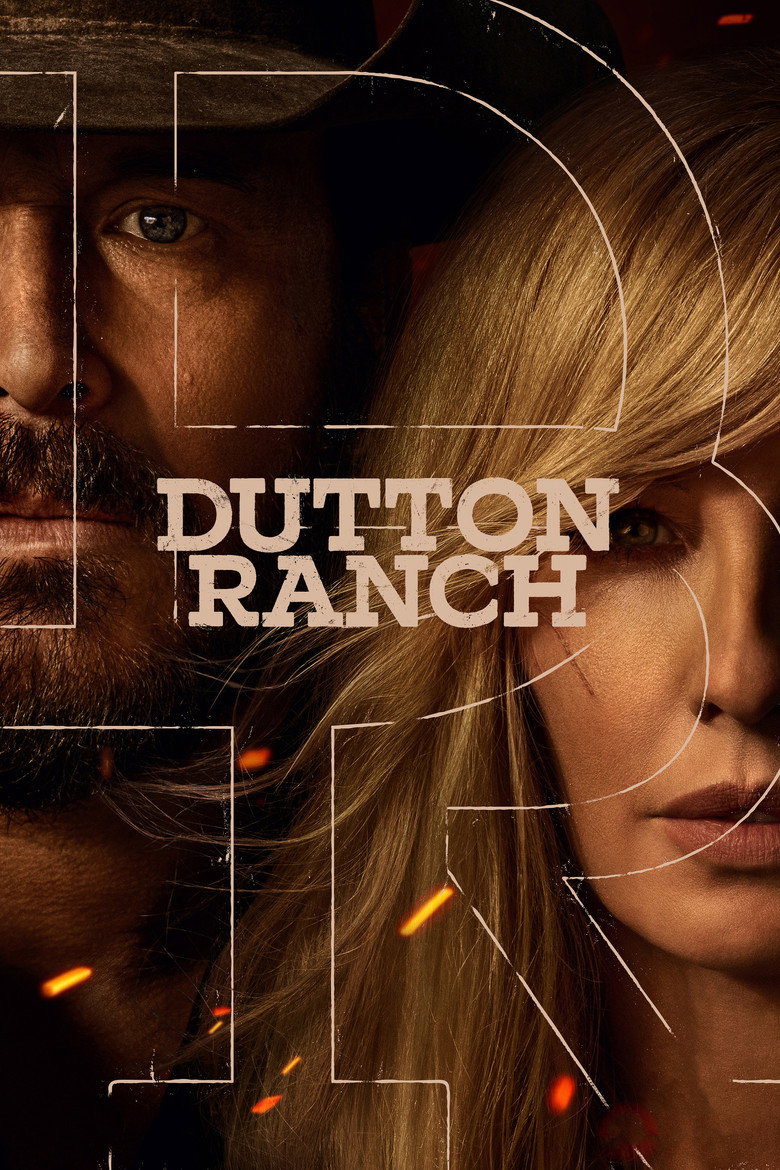
TV Show · 2026
Rip Wheeler and Beth Dutton gamble everything on a new life in South Texas, but the promise of building a future far from the ghosts of Yellowstone quickly collides with brutal…
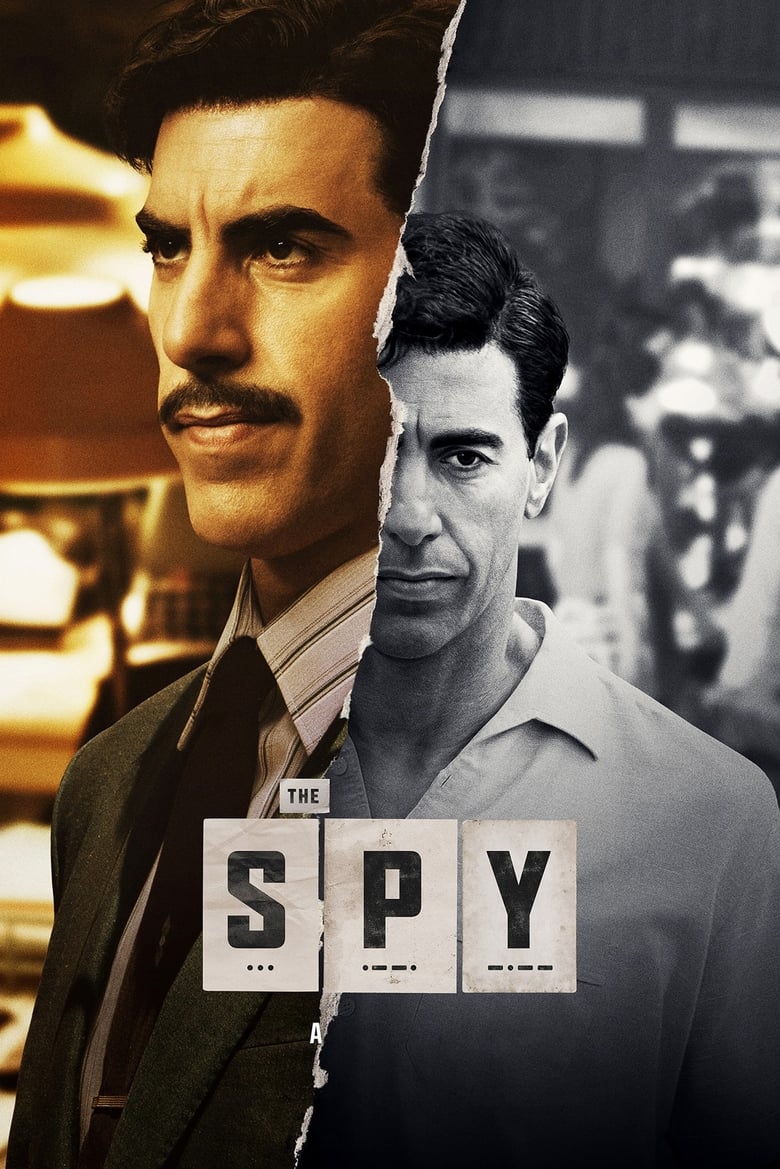
TV Show · 2019
In the 1960s, Israeli clerk-turned-secret agent Eli Cohen goes deep undercover inside Syria on a perilous, years-long mission to spy for Mossad.
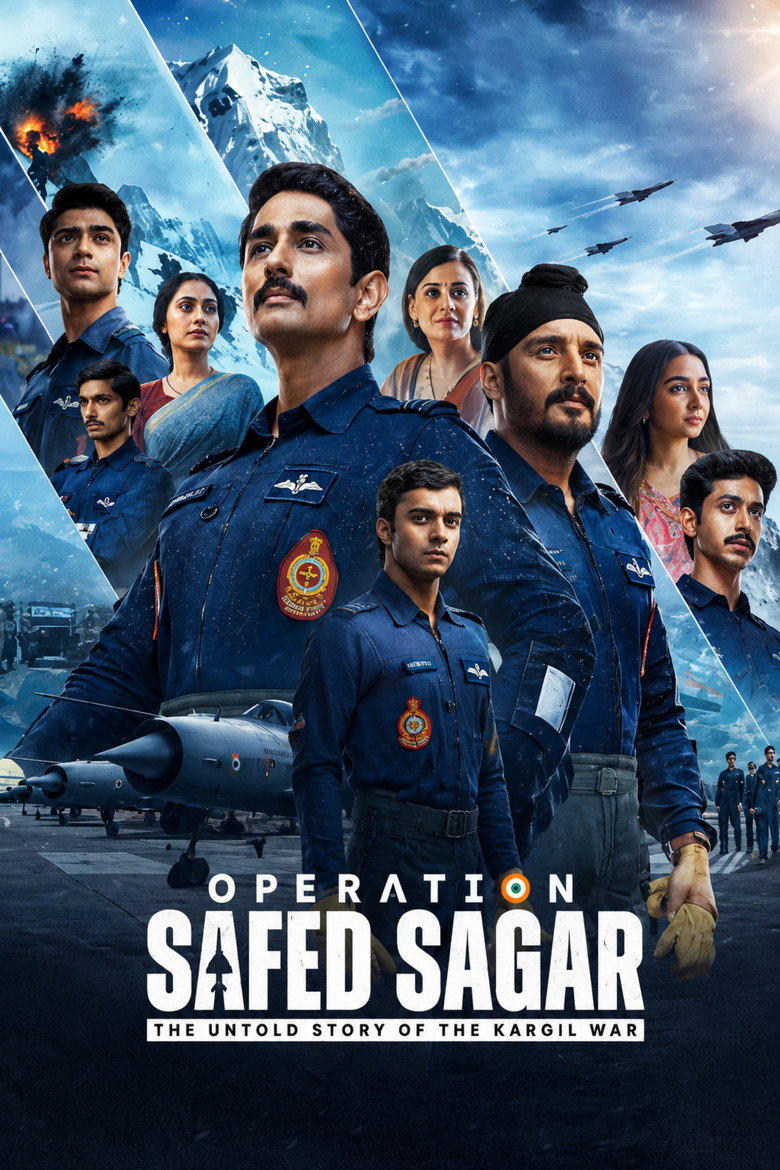
TV Show · 2026
As the Kargil War erupts between India and Pakistan, the Golden Arrows squadron of the Air Force takes flight on a dangerous mission behind enemy lines.
