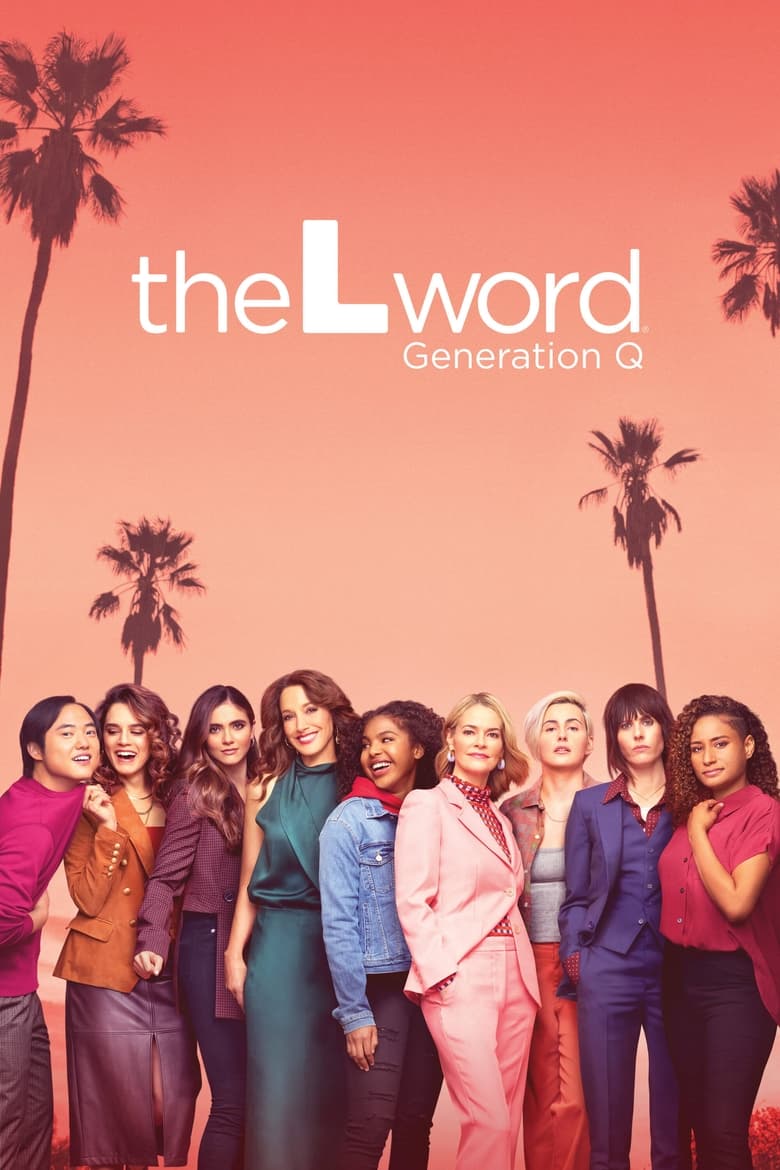

2019–2023 · Based on 3 seasons through January 22, 2023 ·
The show follows Bette Porter, Alice Pieszecki, and Shane McCutcheon as they manage careers, family problems, sex, and romance in Los Angeles. A younger group joins them, including Dani, Sophie, Finley, Micah, Maribel, and others. The characters face breakups, cheating, addiction, political campaigns, parenting, and work troubles. The tone is a glossy adult soap drama with serious personal stories. The show makes queer identity the center of its story. It includes lesbian, bisexual, trans, nonbinary, and queer characters across its main cast. Several plots focus on coming out, transition, queer parenting, pronouns, discrimination, and chosen family. The later seasons continue this focus through trans parenthood, bisexual identity, and the return of an older trans character. These themes are frequent and easy to notice.
Community feedback
Was our 97% Woke rating accurate?
Loading review details…
Breakdown
These are the editorial factors and ratings behind our score for The L Word: Generation Q.
Woke representation / casting
The show builds its main cast around a wide range of queer identities. It includes lesbian, bisexual, trans, nonbinary, and queer characters in major roles. It also gives important parts to characters from several racial and cultural groups. Micah is a trans man played by trans actor Leo Sheng, and the cast repeatedly presents identity as a visible part of the show's design. The pattern is central across all three seasons.
95%
Woke political dialogue
Characters regularly discuss gender identity, coming out, trans experiences, bisexual identity, discrimination, and queer family life. Micah's story includes direct discussion of being trans and of representation. Other plots use terms and ideas linked to pronouns, privilege, inclusion, and identity. The dialogue often mixes these topics with ordinary soap drama, so the political talk is recurring but not the whole show.
65%
Identity-driven story themes
The show is built around queer identity, relationships, and community. Micah's transition and life as a trans man form a continuing story. Other major plots involve coming out, bisexuality, nonbinary identity, queer parenting, chosen family, and the effects of discrimination. Season 3 continues these themes through trans and nonbinary parents and the return of Max. Identity is the main subject of the series.
95%
Western institutional / cultural critique
The show sometimes presents traditional gender expectations and straight social rules as limits on queer characters. Characters face workplace bias, family pressure, and unfair treatment linked to sexuality or gender. Bette's political career also brings in questions about power, public judgment, and social change. These ideas recur, but the show mainly uses them to support relationship drama rather than build a broad attack on Western institutions.
52%
Woke character or canon changes
The sequel updates the original cast and world with newer trans, nonbinary, and bisexual storylines. Shane's later friendship with Max includes a clear correction of how the original show treated Max's transition. The series also reframes the older show's limited view of queer identity through a more modern cast. It does not make a major race or gender swap to a famous established character.
44%
Anti-woke backlash and complaints
A few small X accounts called the show “too woke” or “woke religion propaganda.” Some viewer posts also complained that the series chased diversity points or turned identity topics into lectures. The complaints did not gain much attention and did not lead to a major campaign. The backlash was real but fringe.
28%
Creator track record context
The key creative group has a strong record of queer and identity-focused work. Marja-Lewis Ryan is closely linked to trans and LGBTQ+ representation. Ilene Chaiken, Leisha Hailey, Kate Moennig, and Rose Troche have long histories with queer storytelling and advocacy. Writers Thomas Page McBee and NOVA CYPRESS BLACK also have strongly identity-centered public work.
90%
Production
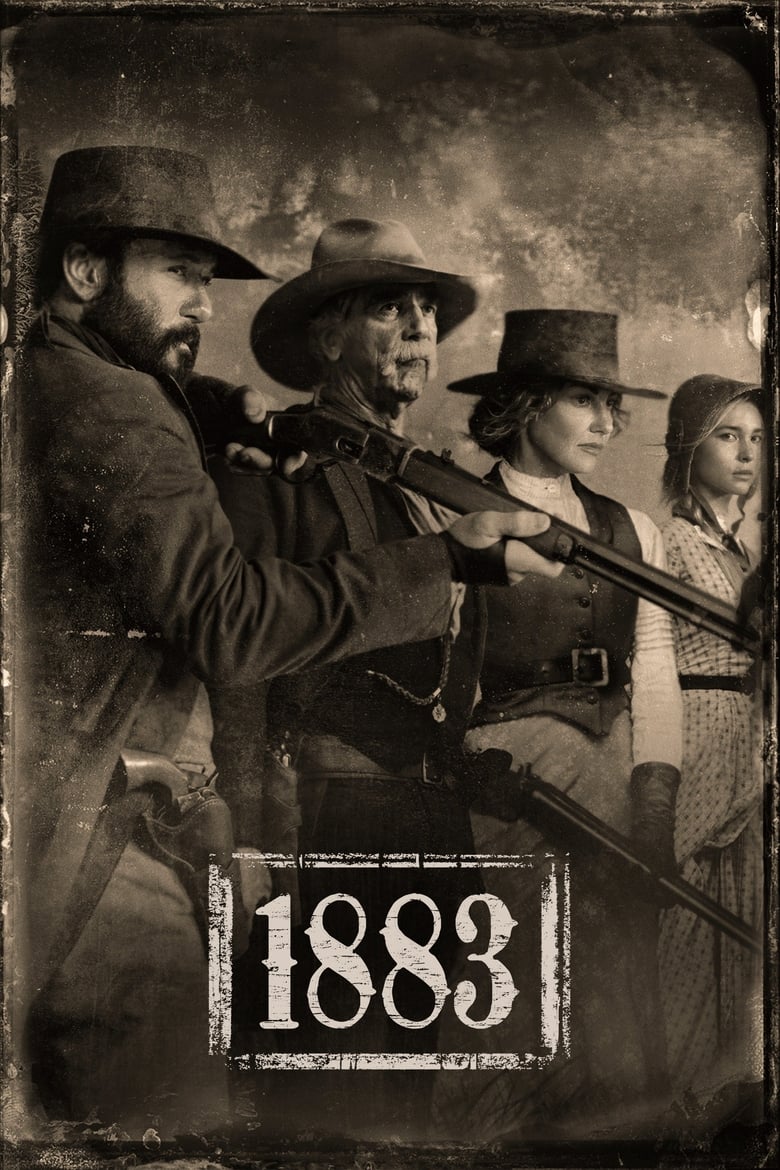
TV Show · 2021
Follow the Dutton family as they embark on a journey west through the Great Plains toward the last bastion of untamed America.
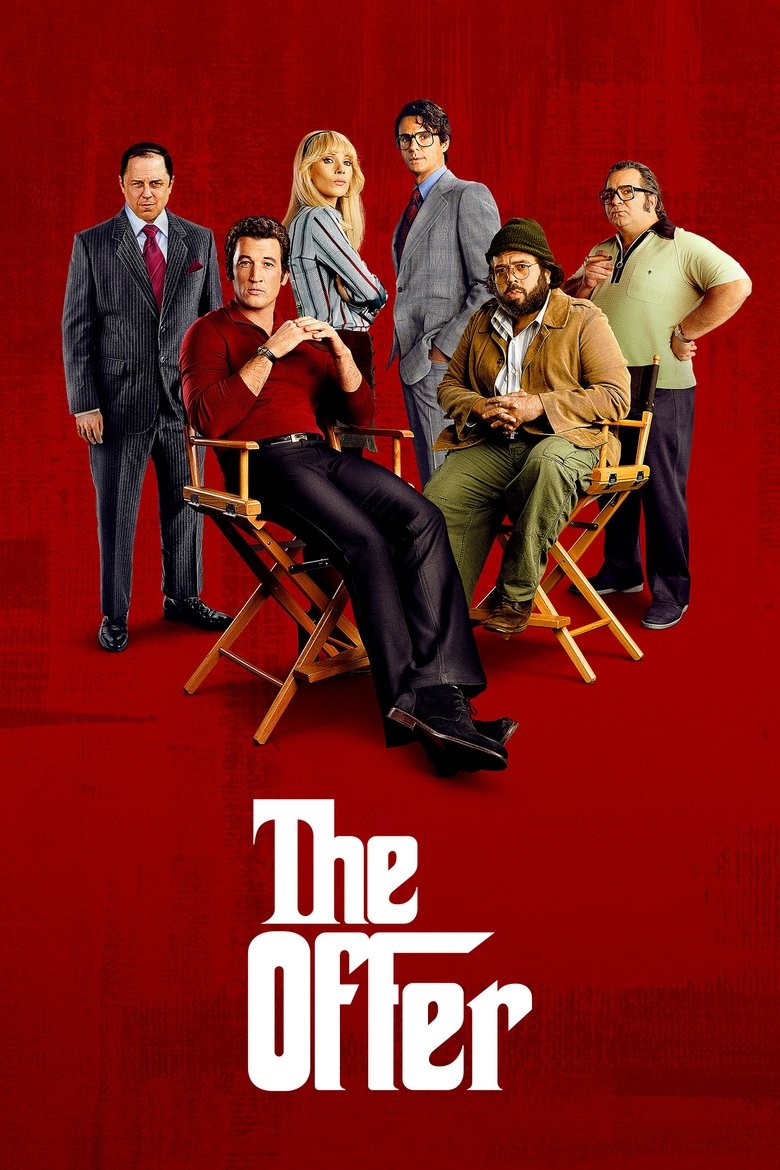
TV Show · 2022
Oscar-winning producer Al Ruddy’s never before revealed experiences of making the iconic 1972 film The Godfather that Francis Ford Coppola directed and adapted with Mario Puzo.
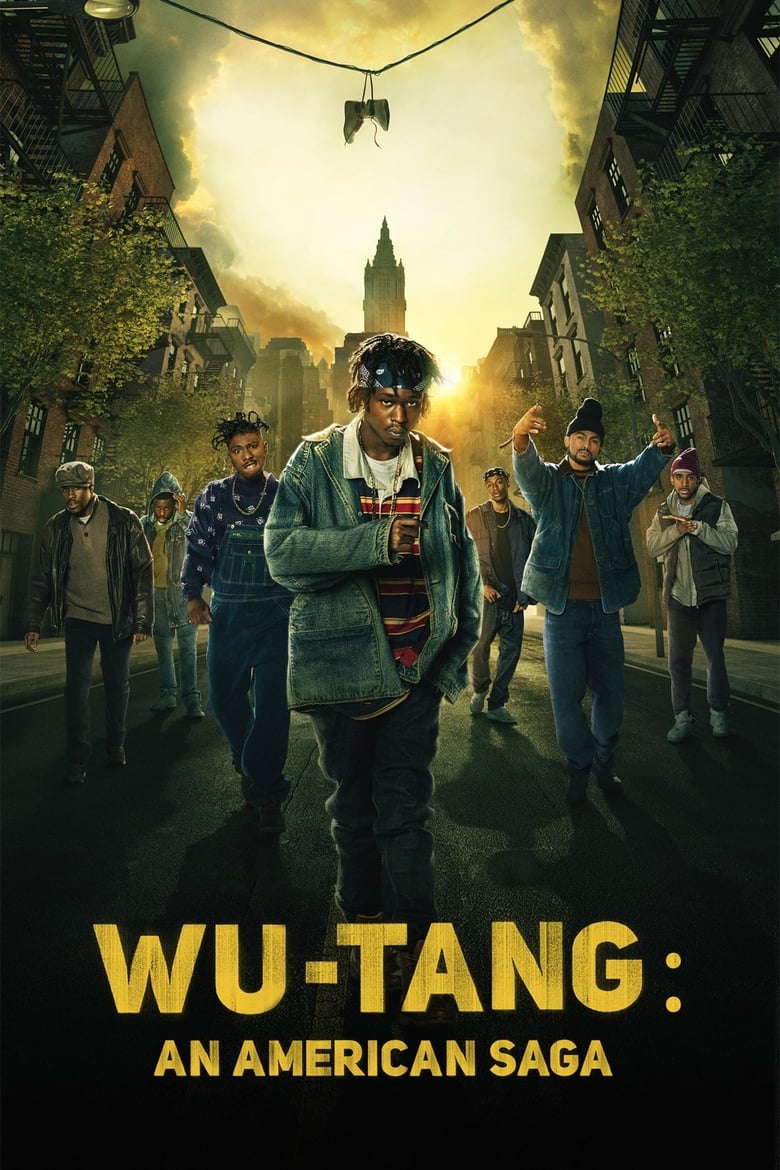
TV Show · 2019
In the early 1990s in New York, during the height of the crack cocaine epidemic, a visionary musician named Bobby Diggs aka The RZA begins to form a super group of a dozen young…
TV Show · 2019
The true story of one of the worst man-made catastrophes in history: the catastrophic nuclear accident at Chernobyl.

TV Show · 2024
Fascinated by cars since childhood, Brazilian racer Ayrton Senna became a sports legend — until tragedy struck, changing Formula 1 forever.
TV Show · 2026
Rip Wheeler and Beth Dutton gamble everything on a new life in South Texas, but the promise of building a future far from the ghosts of Yellowstone quickly collides with brutal…
TV Show · 2025
"Legend of Zang Hai" follows the son of Imperial Astronomer Kuai Duo. Consumed by vengeance, he spends a decade honing his skills.

TV Show · 2024
The true story of one Jewish family separated at the start of World War II, determined to survive—and to reunite.
