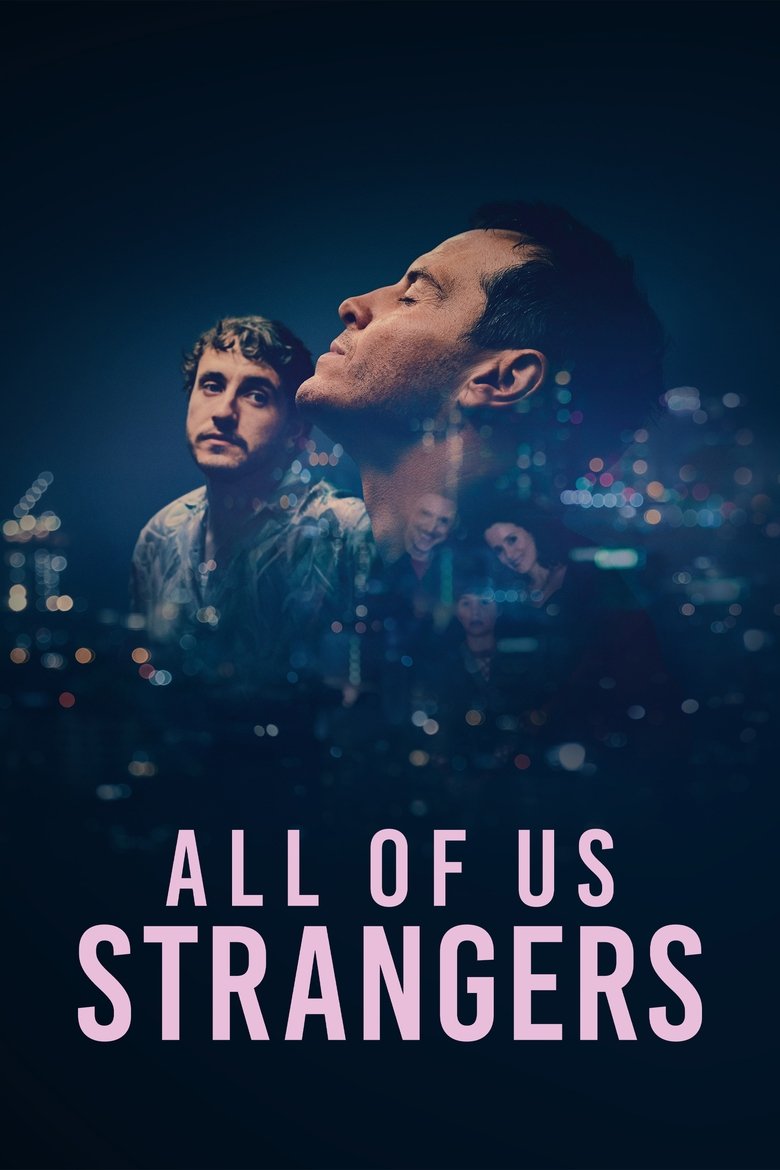

Adam is a lonely writer who lives in a nearly empty tower block in present-day London. He meets Harry, a neighbor who slowly becomes his lover. Adam also returns to his childhood home, where he meets his dead parents as they were when he was a boy. The story brings together romance, ghosts, grief, memory, and the fear of being alone. The film puts a gay romance at the center of the story. Adam talks about growing up gay in the 1980s, coming out, family pain, and fear linked to the AIDS crisis. His talks with his parents connect his sexuality with shame, loneliness, and a wish for acceptance. These themes shape the main romance, the family story, and the ending, while the film changes the original straight novel into a story about a gay man and his male neighbor.
Community feedback
Was our 92% Woke rating accurate?
Loading review details…
Breakdown
These are the editorial factors and ratings behind our score for All of Us Strangers.
Woke representation / casting
Andrew Scott plays Adam, a gay writer, and Paul Mescal plays Harry, his male love interest. These two lead roles make queer representation highly visible. Andrew Haigh said he wanted a queer actor for Adam because the role needed personal understanding of a specific gay experience. The casting supports the film’s focus on identity, although the choices fit the story rather than creating an unrelated diversity pattern.
58%
Woke political dialogue
Adam and Harry talk about the words “gay” and “queer” and how their meanings changed between generations. Adam discusses growing up gay in the 1980s and the fear connected to the AIDS crisis. Adam also talks with his parents about coming out and whether they could have accepted him. These conversations return several times, but the film presents them through personal pain rather than speeches about public policy.
47%
Identity-driven story themes
Adam’s gay identity shapes the main romance, his memories, and his talks with his dead parents. The story connects childhood loneliness, fear of rejection, coming out, and adult love. Adam’s wish for family approval forms a major part of his emotional journey. Queer life is not a side detail because it controls the film’s central conflict and ending.
91%
Western institutional / cultural critique
The film shows how older family expectations and social hostility made life harder for gay people. Adam remembers feeling alone because he could not openly share his identity. The AIDS crisis adds a wider social background to that fear. The film criticizes past social judgment, but it does not build a broad attack on modern Western institutions.
39%
Woke character or canon changes
The film makes major identity changes to Taichi Yamada’s novel. The original story followed a straight man and a woman who resembled his dead parents. The film changes the lead into a gay man and turns the neighbor into his male romantic partner. These changes move the story away from a mainly straight ghost tale and toward queer love, coming out, and family acceptance.
76%
Anti-woke backlash and complaints
Some viewers complained that the movie was too woke. They did not like that a straight Japanese novel was changed into a gay romance. Other critics complained about the explicit sex scenes. They felt the focus on queer trauma and coming out was overdone. However, because this is an independent drama, it did not face a massive political backlash campaign like a big blockbuster would.
28%
Creator track record context
Andrew Haigh has a strong stored record of making films about queer relationships and representation. Taichi Yamada had a milder record centered on family, loneliness, and human suffering. The producers mostly have low or moderate stored scores, with some links to socially aware or queer projects. The overall context is shaped mainly by Haigh’s established queer focus.
54%
Production
Movie · 2017
Recently deceased, a white-sheeted ghost returns to his suburban home to console his bereft wife, only to find that in his spectral state he has become unstuck in time, forced to…
Movie · 2025
Sarah and David are single strangers who meet at a mutual friend’s wedding and soon, through a surprising twist of fate, find themselves on a funny, fantastical, sweeping…
Movie · 2019
An extraordinary look at the lives of a middle-aged couple in the midst of the wife's breast cancer diagnosis.
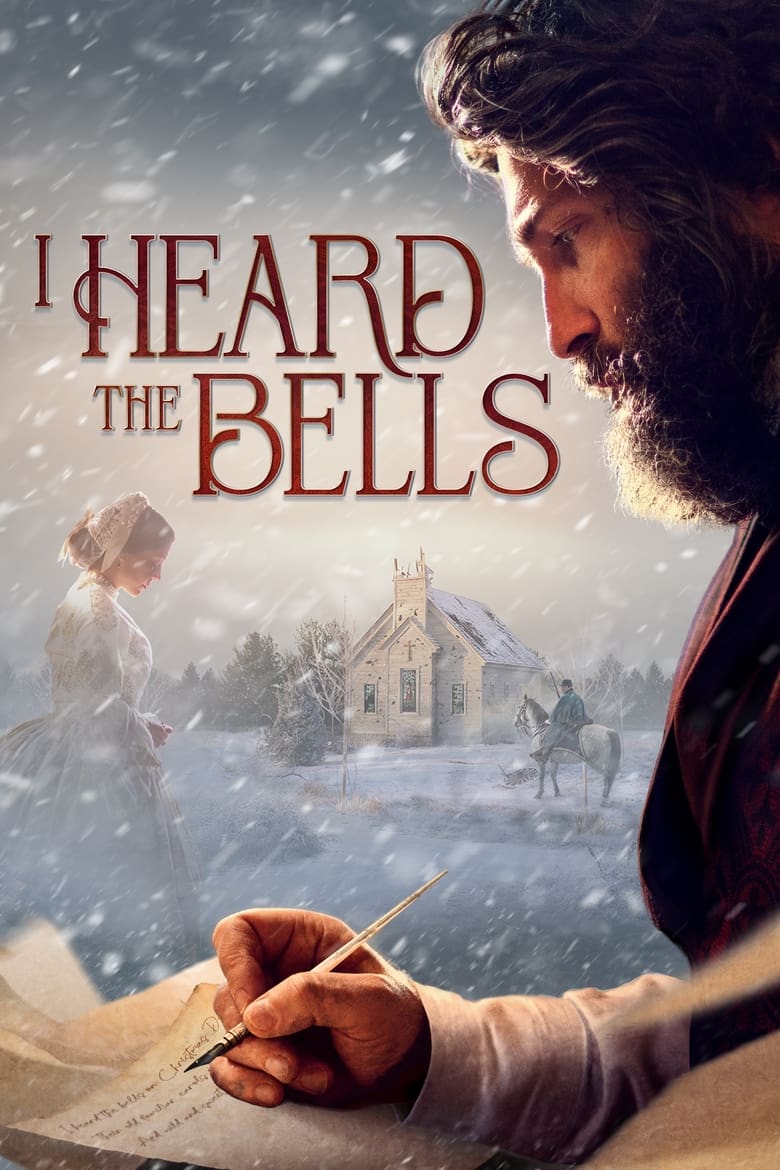
Movie · 2022
Known as America’s Poet, Henry Wadsworth Longfellow leads an idyllic life – until the day his world is shattered by tragedy.
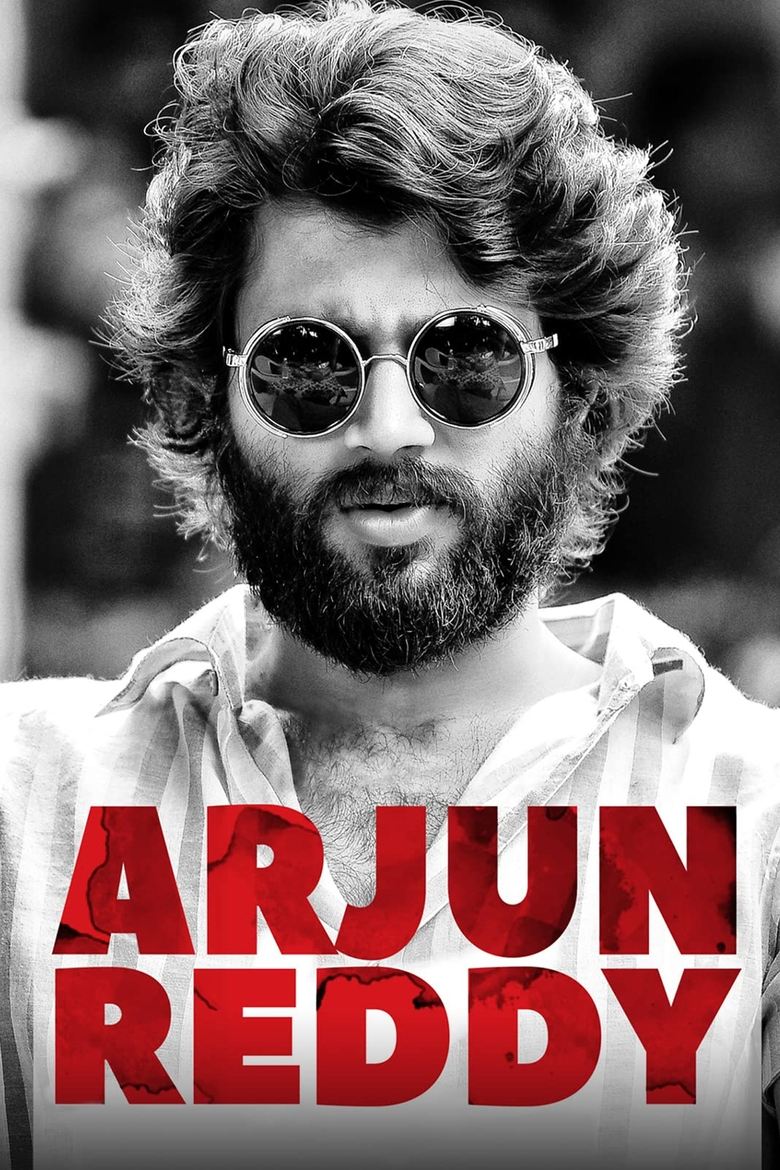
Movie · 2017
A brilliant but impulsive young surgeon spirals into self-destruction after a painful breakup, struggling to cope with love, loss, and the consequences of his own temper.
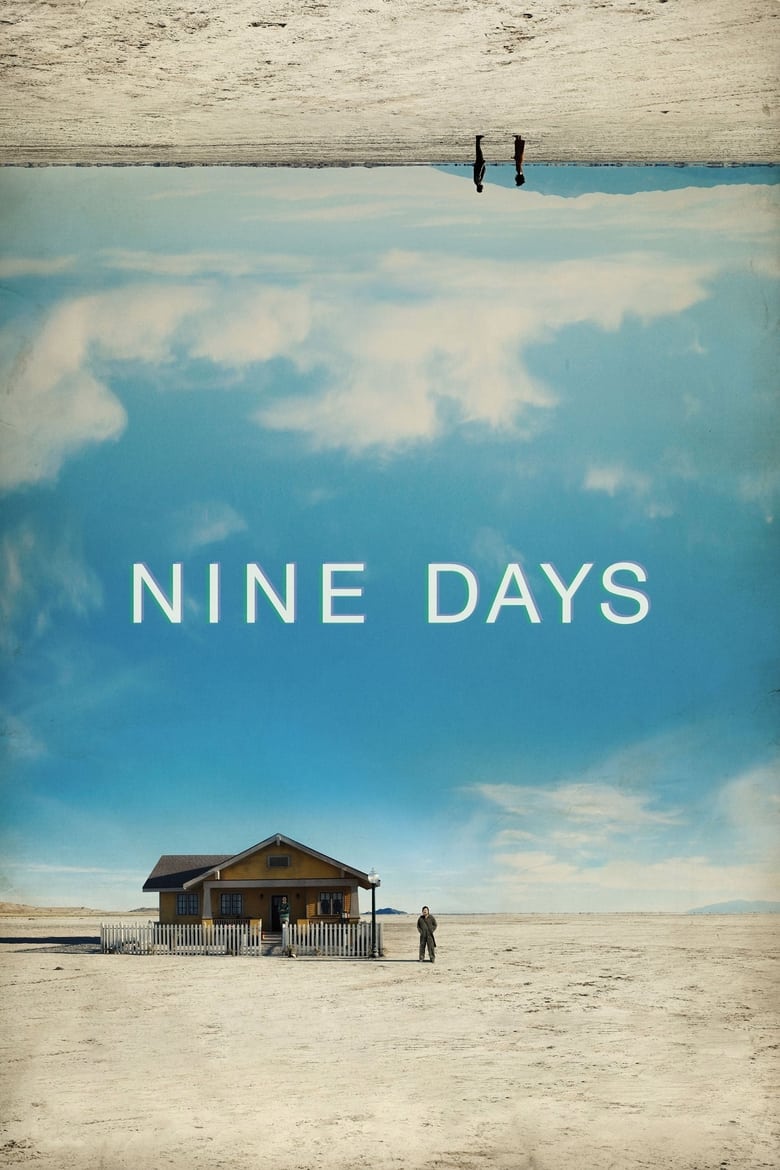
Movie · 2021
A bureaucrat interviews five souls to decide which of them will be given a life on Earth. But he soon faces an existential challenge of his own.
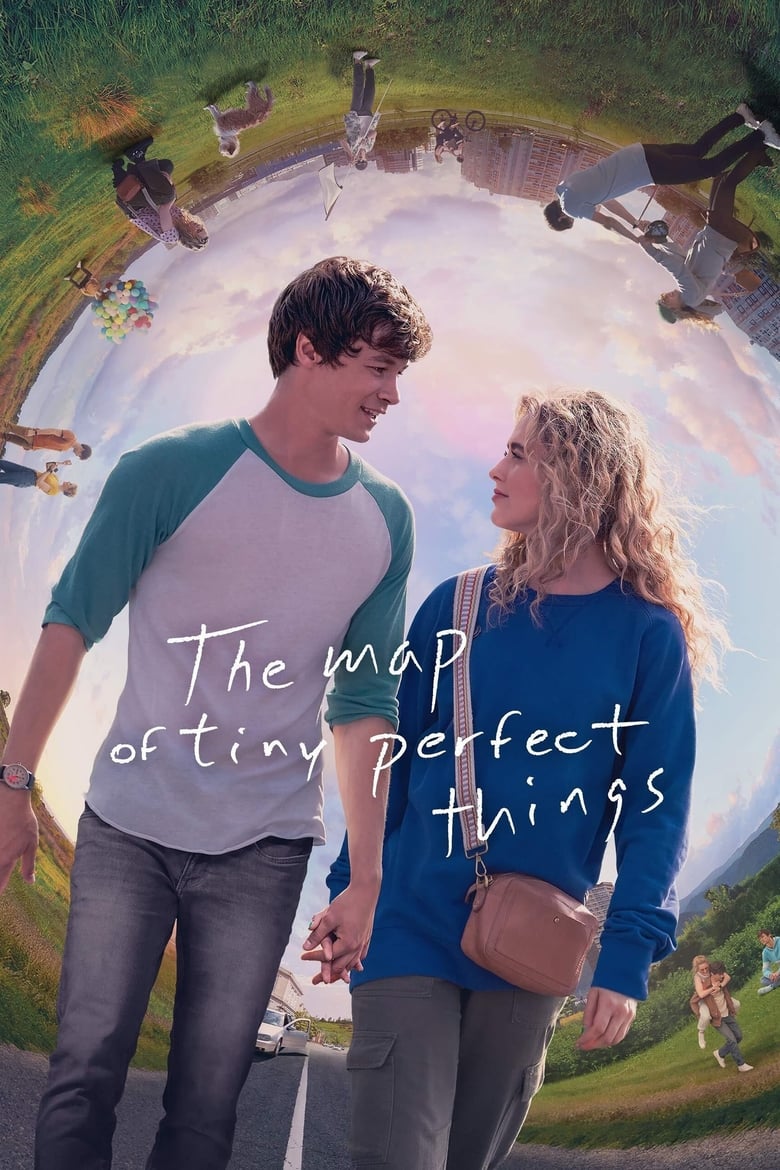
Movie · 2021
Two teenagers trapped in an endless time loop set out to find all the tiny things that make that one day perfect.
Movie · 2020
When a young woman meets an aspiring saxophonist in her father’s record shop in 1950s Harlem, their love ignites a sweeping romance that transcends changing times, geography, and…
