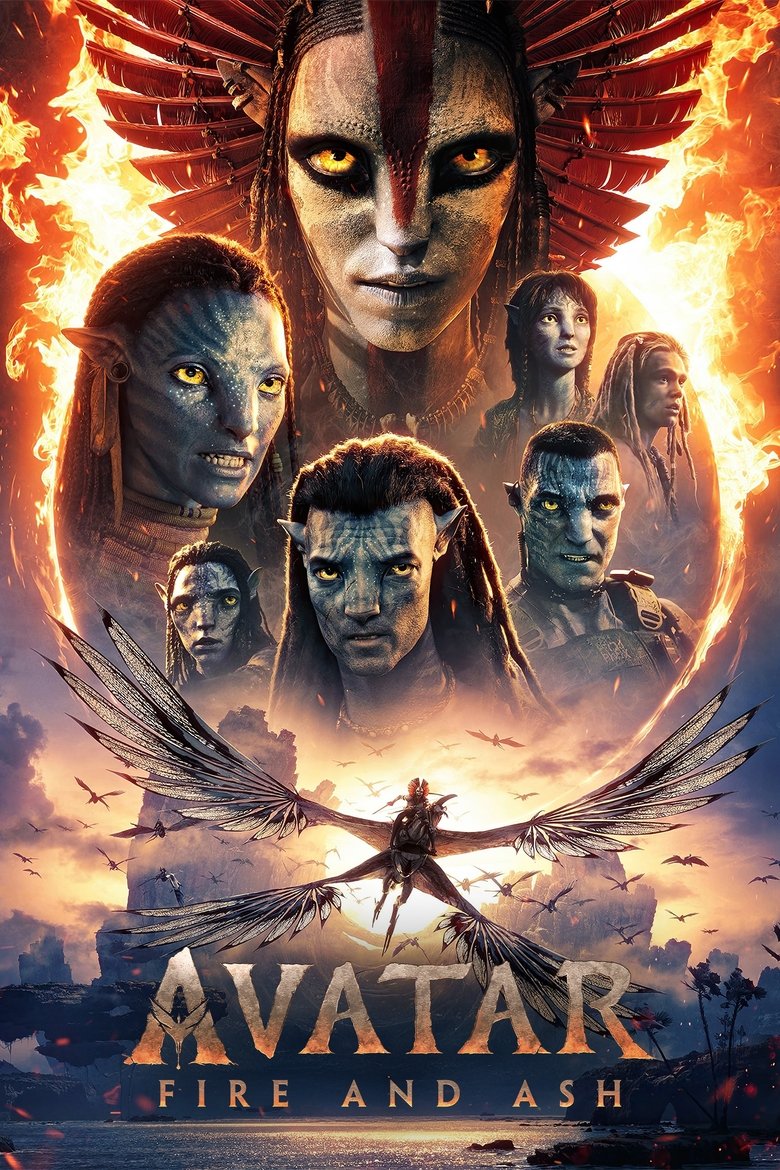

Jake Sully and Neytiri protect their family after the death of their oldest son. Their struggle takes place across Pandora, where the human RDA remains a major threat. The family also faces Varang and the Ash People, a violent Na'vi clan that rejects Eywa. The film has a serious tone built around grief, war, survival, and anger. The story repeatedly supports protecting nature and resisting outsiders who want Pandora's resources. It presents human soldiers and companies as greedy forces that damage the land and its people. Female warriors and leaders such as Neytiri, Kiri, Ronal, and Varang hold major roles. The film also explores the loss of faith, the cost of revenge, and the idea that the Na'vi can be cruel as well as noble.
Community feedback
Was our 64% Woke rating accurate?
Loading review details…
Breakdown
These are the editorial factors and ratings behind our score for Avatar: Fire and Ash.
Woke representation / casting
The film places Neytiri, Ronal, Kiri, and Varang in major warrior or spiritual roles. The repeated female leadership pattern is easy to see. Pandora's clans already use mixed leadership, and no diversity-first casting message was found. The pattern is visible but does not clearly look like modern identity marketing.
12%
Woke political dialogue
The film repeatedly links human power with greed, war, resource theft, and damage to nature. The Na'vi defend their land and way of life against the RDA. The message is often stated through direct lines and speeches. The dialogue is more environmental and anti-war than focused on race, gender, or DEI.
36%
Identity-driven story themes
The film treats the Na'vi as a people defending their home and culture from outside control. The RDA acts like an invading power that wants Pandora's resources. Kiri's spiritual identity and Spider's changing place between humans and Na'vi add to the theme. The Ash People complicate the message because the film also shows that native groups can become violent and cruel.
47%
Western institutional / cultural critique
The film presents the RDA, its soldiers, and its machines as forces of profit, war, and environmental destruction. Human expansion is tied to taking resources from another people. The story also criticizes military control and the belief that advanced technology gives humans the right to rule Pandora. This critique is central but stays inside the science-fiction setting.
65%
Woke character or canon changes
Not relevant. The film continues Jake, Neytiri, Kiri, and the other established characters. No race-swap, gender-swap, or identity-based change to an established character or real figure was found.
0%
Anti-woke backlash and complaints
Small online accounts called the film anti-white, anti-human, or an environmental sermon. OutKick also used woke and anti-American language about Cameron after the box-office decline. The complaints had limited reach, and no major boycott or review-bombing campaign was found. Right-leaning praise for the film is not backlash.
22%
Creator track record context
James Cameron has a long record of environmental, native-rights, and anti-colonial themes. Amanda Silver and Rick Jaffa have similar themes through their Avatar work. Shane Salerno has public left-wing political activism, while Josh Friedman and most producers have little identity-focused activism. The overall creative record is moderate rather than strongly DEI-focused.
44%
Production

Movie · 2024
Several generations following Caesar's reign, apes – now the dominant species – live harmoniously while humans have been reduced to living in the shadows.
Movie · 2020
Seven years since the Monsterpocalypse began, Joel Dawson has been living underground in order to survive. But after reconnecting over radio with his high school girlfriend Aimee…
Movie · 2026
Science teacher Ryland Grace wakes up on a spaceship light years from home with no recollection of who he is or how he got there.
Movie · 2001
Young hobbit Frodo Baggins, after inheriting a mysterious ring from his uncle Bilbo, must leave his home in order to keep it from falling into the hands of its evil creator.

Movie · 2018
It has been ten years since The Battle of the Breach and the oceans are still, but restless. Vindicated by the victory at the Breach, the Jaeger program has evolved into the most…
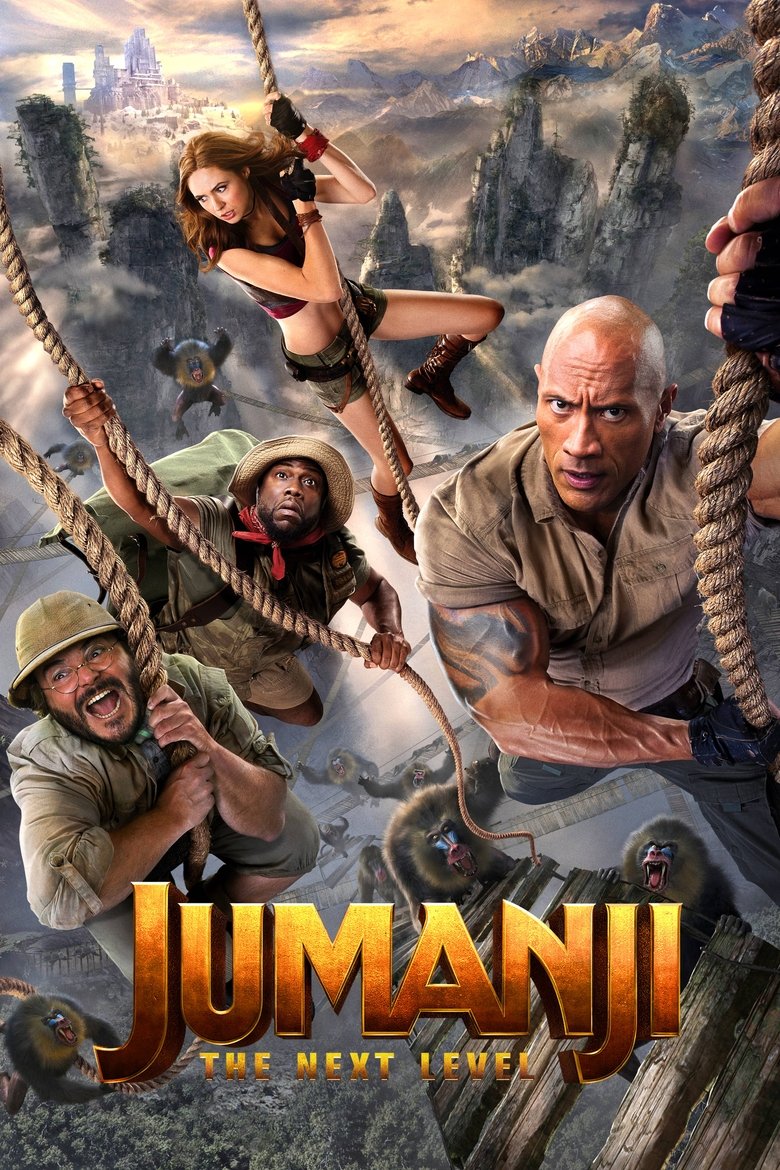
Movie · 2019
As the gang return to Jumanji to rescue one of their own, they discover that nothing is as they expect. The players will have to brave parts unknown and unexplored in order to…
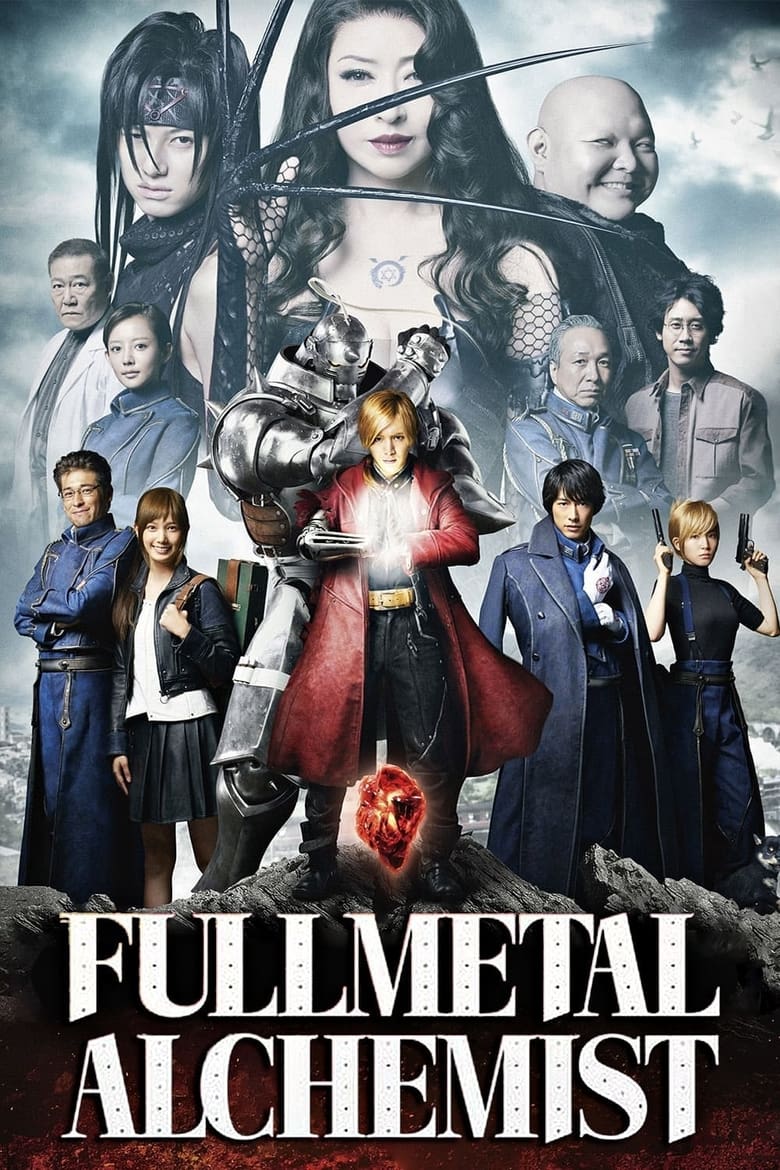
Movie · 2017
Two alchemist brothers go on a quest for the Philosopher's Stone after an attempt to revive their dead mother goes horribly wrong.

Movie · 2026
Fighting crime full-time as Spider-Man in a world that doesn't remember him—and the pressure of seeing his old friends move on without him—sparks a change in Peter Parker he may…
