

Grace moves from New York to a remote house in Montana with Jackson, her partner. After they have a baby, Grace becomes lonely, restless, and deeply unstable. Her anger, sexual fear, and creative frustration damage the relationship. The film uses loud music, strange images, nudity, and sudden violence to create a harsh and disturbing mood. The film strongly centers on a woman who feels trapped by motherhood and by the role of a simple, happy mother. Grace says her baby is fine, but everything around motherhood feels broken to her. The story questions whether love, marriage, and family life can erase a woman’s identity. It presents female rage and mental collapse as its main subject, but it does not use direct political speeches or diversity messaging.
Community feedback
Was our 47% Woke rating accurate?
Loading review details…
Breakdown
These are the editorial factors and ratings behind our score for Die My Love.
Woke representation / casting
Not present. The main cast fits a modern American rural drama without a clear diversity-first pattern. No identity-based casting message was found.
0%
Woke political dialogue
Not present. The characters do not give modern speeches about DEI, race, sexuality, or political activism. The film discusses pressure on mothers, but it does so through personal conflict rather than direct political lines.
0%
Identity-driven story themes
Grace’s loss of identity after becoming a mother drives the whole story. The film repeatedly shows her rejecting the idea that motherhood should make her happy and complete. The story treats female rage, sexual frustration, and creative loss as major parts of her breakdown. This is a strong identity-driven theme, even though the film stays personal and does not offer a clear activist solution.
58%
Western institutional / cultural critique
The film questions the idea that marriage, a baby, and a quiet home automatically create happiness. Grace pushes back against the simple mother role expected of her. The story also shows Jackson as absent and unable to understand her pain. The critique remains focused on one damaged relationship rather than attacking broad institutions or modern society.
44%
Woke character or canon changes
Not relevant. The movie is adapted from Ariana Harwicz’s novel, but no identity-based change to an established character or real historical figure was found. The reported changes concern tone, structure, and adaptation choices.
0%
Anti-woke backlash and complaints
Not present. Searches found complaints about pacing, tone, confusion, and the handling of mental illness. No documented public complaint said that the film pushed woke, DEI, identity-politics, or left-wing messaging.
0%
Creator track record context
Alice Birch has a clear record of feminist and activist writing. Jennifer Lawrence has supported progressive causes, including gender equality and LGBTQ+ issues. Ramsay and the other writers have more mixed or low-scoring records. This context matches the film’s focus on female anger, but it does not show that the movie is a political campaign.
35%
Production
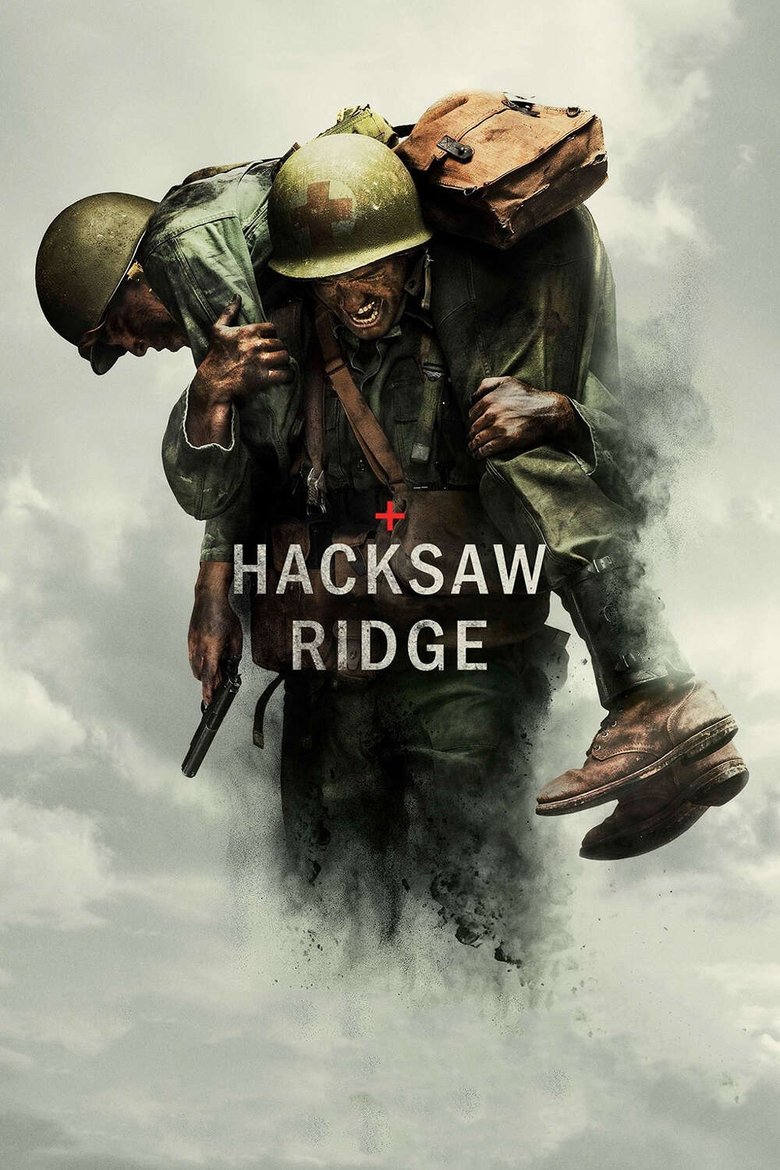
Movie · 2016
WWII American Army Medic Desmond T. Doss, who served during the Battle of Okinawa, refuses to kill people and becomes the first Conscientious Objector in American history to…
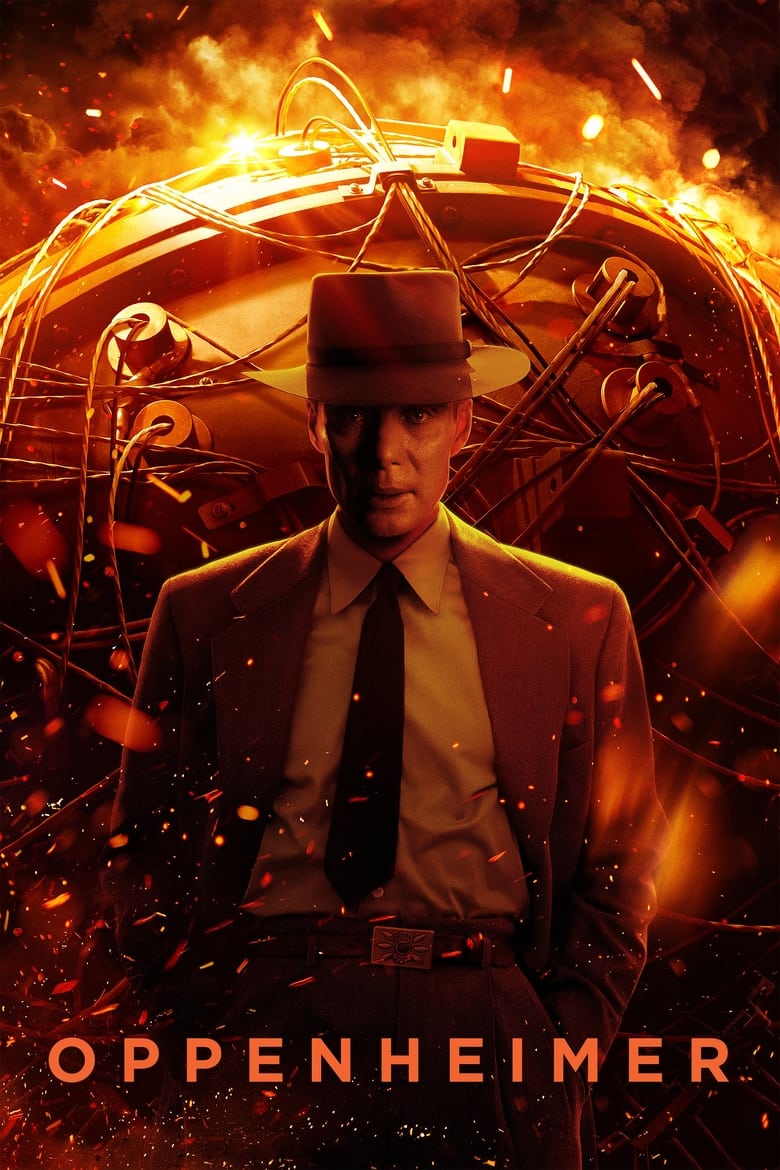
Movie · 2023
The story of J. Robert Oppenheimer's role in the development of the atomic bomb during World War II.

Movie · 2017
The story of a precocious six year-old and her ragtag group of friends whose summer break is filled with childhood wonder, possibility and a sense of adventure while the adults…

Movie · 2016
After his older brother passes away, Lee Chandler is forced to return home to care for his 16-year-old nephew.

Movie · 2022
London, 1953. Mr. Williams, a veteran civil servant, is an important cog within the city's bureaucracy as it struggles to rebuild in the aftermath of World War II.

Movie · 2023
The true story of the inseparable Von Erich brothers, who made history in the intensely competitive world of professional wrestling in the early 1980s.

Movie · 2016
A five-year-old Indian boy gets lost on the streets of Calcutta, thousands of kilometers from home. He survives many challenges before being adopted by a couple in Australia; 25…
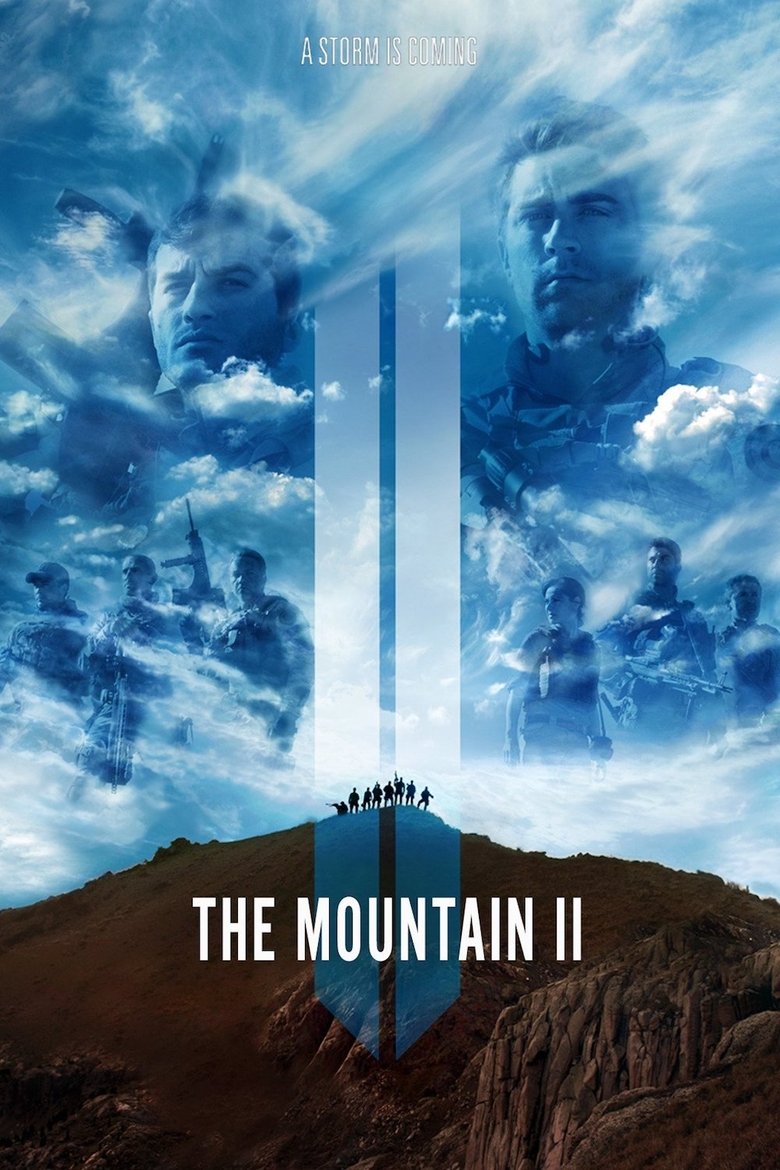
Movie · 2016
In a desolate war zone where screams of the innocent echo, on the very line between disaster and valor, 7 Maroon Berets will dance with death.
