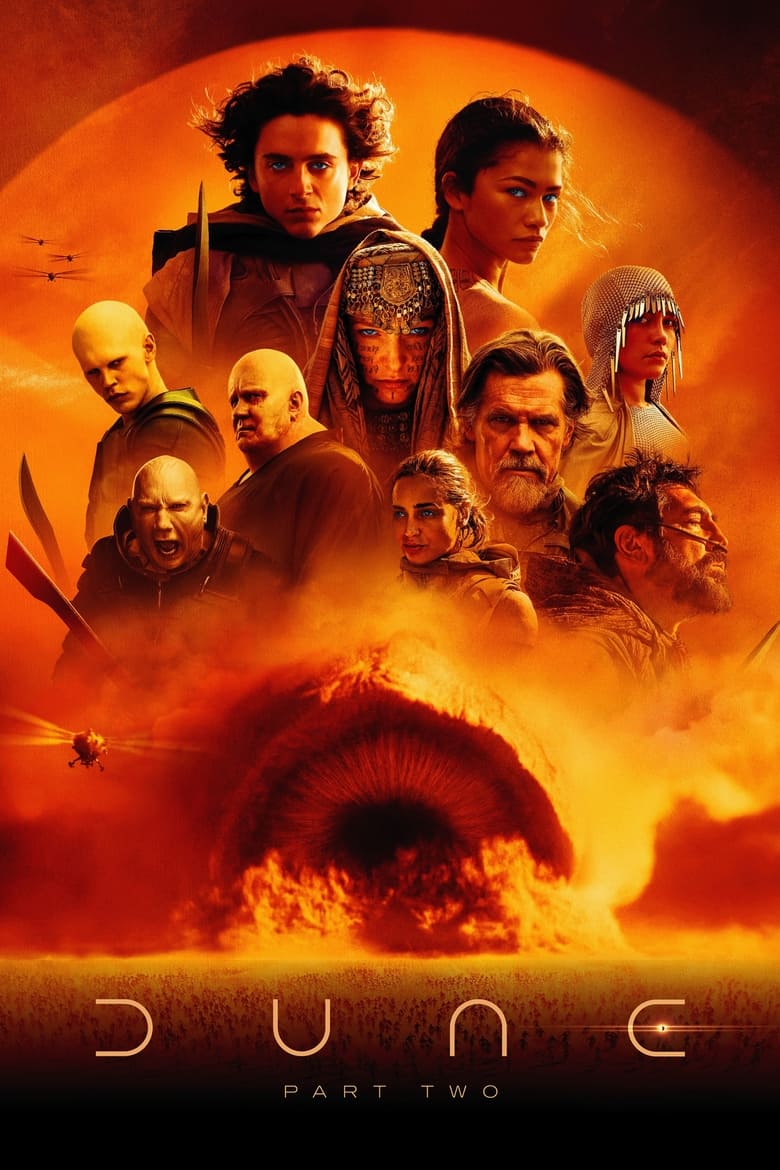

Paul Atreides joins the Fremen on Arrakis after the Harkonnens destroy his family. He learns their ways, falls in love with Chani, and leads a war against the Harkonnens and the Emperor. Paul must choose between his love, his desire for revenge, and a future filled with religious war. The story follows his rise while showing the danger of giving one person too much power. Chani rejects the prophecy that presents Paul as a chosen savior. She becomes a major fighter, critic, and moral guide who challenges Paul’s rise. Women lead political, religious, and military actions throughout the story. These ideas affect the main plot, but Paul remains the central character. The film warns that religious belief and political power can control people and cause war.
Community feedback
Was our 42% Woke rating accurate?
Loading review details…
Breakdown
These are the editorial factors and ratings behind our score for Dune: Part Two.
Woke representation / casting
The film gives Chani, Jessica, Irulan, and the Bene Gesserit major visible roles. Marketing and interviews describe the sequel as placing women at the center and discuss female empowerment. The desert setting explains much of the cast diversity. The film does not present most casting choices as part of a broad diversity campaign.
27%
Woke political dialogue
Chani repeatedly says that the prophecy is a tool used to control or enslave the Fremen. Chani also says that men and women should fight as equals. The film uses these lines to question religious authority and leadership by outsiders. The dialogue appears clearly and often, but it does not control every scene.
18%
Identity-driven story themes
Chani is a skilled fighter who becomes Paul’s main moral challenge. She rejects the idea that an outsider should rule the Fremen through a promised savior story. The film repeatedly places her independent views against Paul, Jessica, and Stilgar. Paul remains the central character, and the story also warns about the danger of a messiah gaining too much power.
18%
Western institutional / cultural critique
The film shows the Bene Gesserit using religion and old stories to shape whole populations. The film also criticizes imperial rule and the idea that outsiders should save or lead native people. Chani’s dialogue and Paul’s rise give these ideas repeated attention. Much of this criticism comes from Frank Herbert’s original story rather than from a new attack on modern Western life.
15%
Woke character or canon changes
The film changes Chani from a mostly loyal partner into a strong skeptic of Paul’s religious and political rise. Chani’s new role changes the romance, the ending, and the warning about messianic power. The film also changes the minor book character Shishakli from male to female. These changes shape the movie’s message in important ways.
44%
Anti-woke backlash and complaints
People repeatedly complained that Chani was a feminist rewrite that weakens Paul and turns her into a girlboss. Large right leaning accounts and several smaller accounts repeated this view on X. Smaller web reviews and fan discussions also described the character change as woke or identity driven. No organized boycott or review bombing campaign appeared, and many right leaning viewers still praised the film.
34%
Creator track record context
Stored creator records show low scores for Villeneuve and Spaihts, while producer Tanya Lapointe has a somewhat higher score. Lapointe made a documentary about the gender gap. Villeneuve and Spaihts have supported larger roles for women. The team has some social and gender related context, but it has no strong activist record.
24%
Production
Movie · 2021
Peter Parker is unmasked and no longer able to separate his normal life from the high-stakes of being a super-hero.
Movie · 2026
Science teacher Ryland Grace wakes up on a spaceship light years from home with no recollection of who he is or how he got there.
Movie · 2018
As the Avengers and their allies have continued to protect the world from threats too large for any one hero to handle, a new danger has emerged from the cosmic shadows: Thanos.

Movie · 2026
The evil Empire has fallen, and Imperial warlords remain scattered throughout the galaxy. As the fledgling New Republic works to protect everything the Rebellion fought for, they…

Movie · 2014
The adventures of a group of explorers who make use of a newly discovered wormhole to surpass the limitations on human space travel and conquer the vast distances involved in an…
Movie · 2020
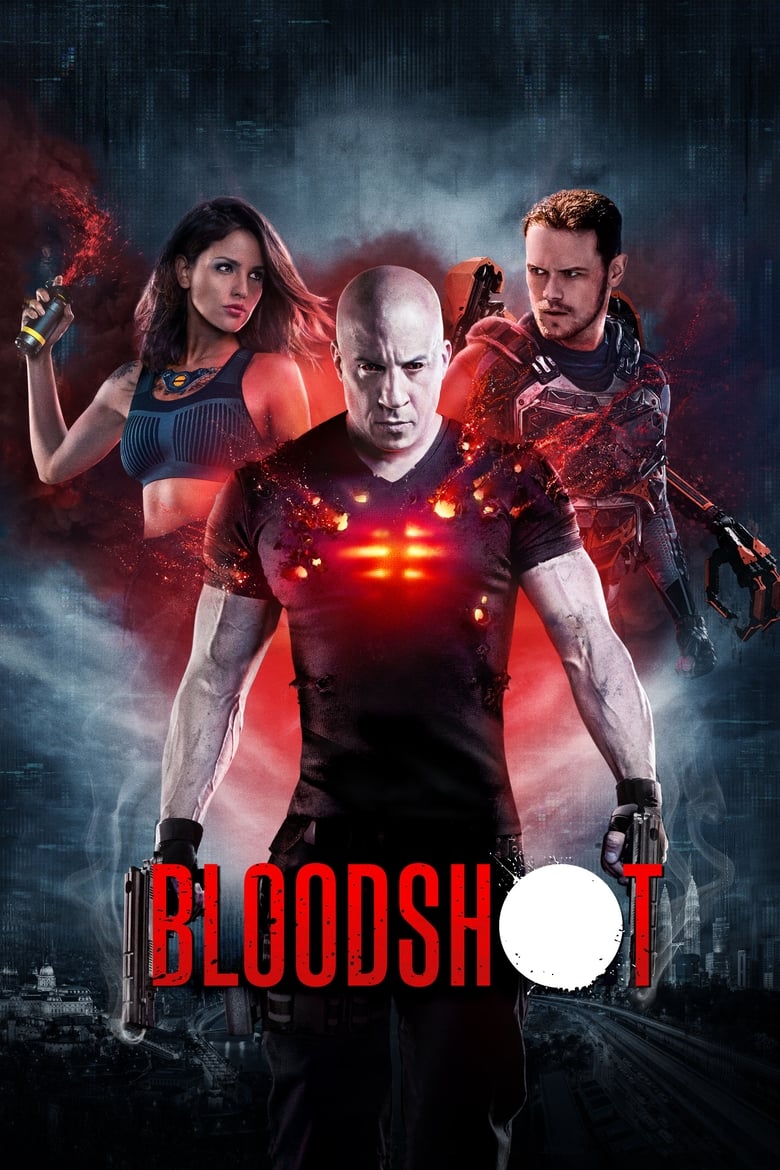
After he and his wife are murdered, marine Ray Garrison is resurrected by a team of scientists. Enhanced with nanotechnology, he becomes a superhuman, biotech killing…
Movie · 2026
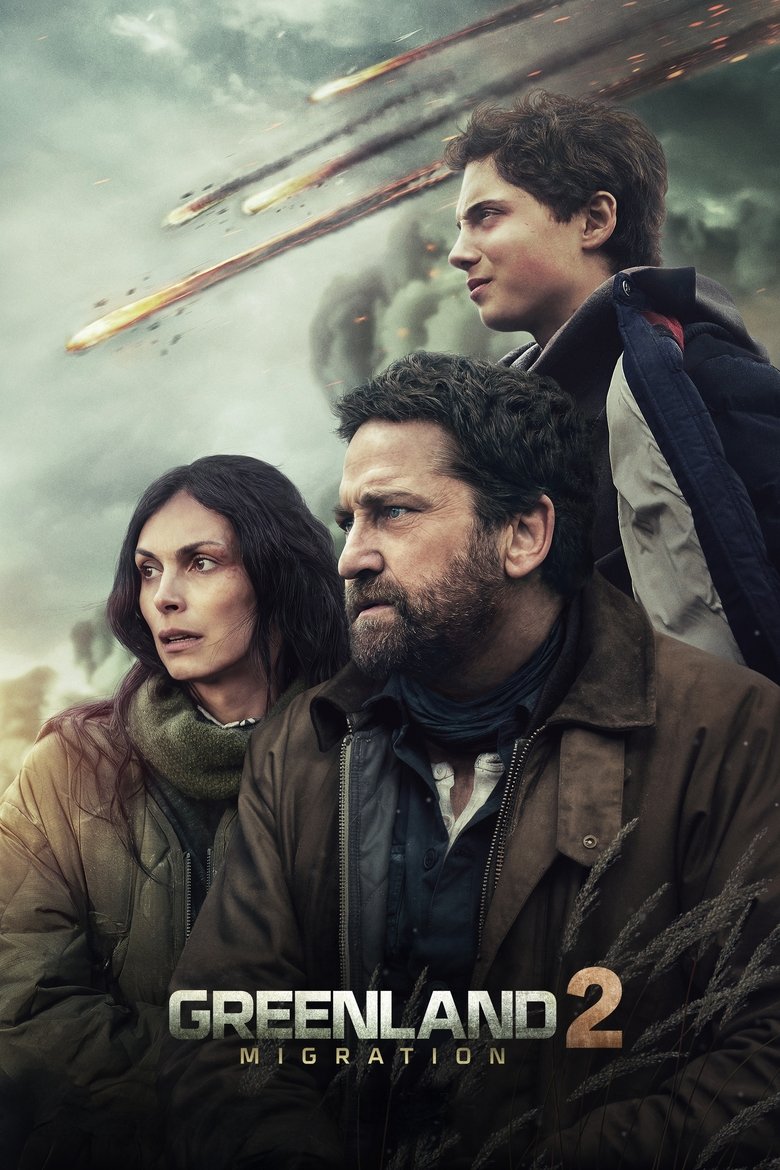
Having found the safety of the Greenland bunker after the comet Clarke decimated the Earth, the Garrity family must now risk everything to embark on a perilous journey across the…

Movie · 2024
Eddie and Venom are on the run. Hunted by both of their worlds and with the net closing in, the duo are forced into a devastating decision that will bring the curtains down on…
