

In late-1800s London, teenage Enola Holmes opens a detective office, but few clients trust a young woman with their cases. Match worker Bessie hires Enola to find her missing sister, Sarah, and the search draws Enola into a factory where workers are falling ill. Enola follows clues through crowded streets, a music hall, a grand ball, and the home of her older brother, Sherlock. The case mixes jokes, disguises, fights, romance, and a murder mystery. Enola's work is shaped by people who doubt her because she is a girl, and her case exposes how factory owners hide deadly work conditions. Sarah and her friends risk their jobs to reveal the danger, while Enola helps the match workers stand together and stop work. The film treats their strike and Enola's independence as important victories, not just a side note to the mystery. Sherlock and Lord Tewkesbury also help, so the women lead much of the case without solving it alone.
Community feedback
Was our 75% Woke rating accurate?
Loading review details…
Breakdown
These are the editorial factors and ratings behind our score for Enola Holmes 2.
Woke representation / casting
The film gives several visible London roles to actors of color. Susan Wokoma plays Edith, a black campaigner for women’s voting rights and shop owner. Adeel Akhtar plays Inspector Lestrade, while Sharon Duncan-Brewster plays Mira Troy, the black woman revealed as Moriarty. Himesh Patel appears as Dr. Watson in a brief scene after the credits.
40%
Woke political dialogue
A client questions Enola’s ability to work as a detective because she is a girl. A chaperone rule at a ball stops her from speaking alone with a young man. Sarah tells the workers that standing together is their only power, and the film shows them stopping work.
36%
Identity-driven story themes
Enola’s case centers on her effort to be respected as a young woman detective. Sarah, Bessie, and Mae face danger and lost work to expose the factory’s deadly process. Enola joins them in rallying the match workers to stop work together. The film presents the women’s independence and shared action as victories.
52%
Western institutional / cultural critique
Superintendent Grail uses his police power to threaten Enola and the factory women. Factory owner Lyon and politician McIntyre hide the dangerous matches to protect their profits. The film also shows Victorian rules that restrict Enola’s work and keep her from speaking alone with men.
25%
Woke character or canon changes
The film reveals Mira Troy, played by Sharon Duncan-Brewster, as its version of Moriarty, an established male character who is now a black woman. Himesh Patel appears briefly as Dr. Watson, an established character reintroduced as a South Asian man. These changes alter both figures’ race or gender in the Holmes stories.
50%
Anti-woke backlash and complaints
Small X accounts called Moriarty’s reveal woke and mocked the casting. Some of those posts confused Adeel Akhtar with Watson, while Himesh Patel plays Watson in a brief scene after the credits. Movieguide’s review calls the casting woke and criticizes the feminist themes.
36%
Creator track record context
Director Harry Bradbeer has described Enola as a feminist story about voting and women’s lives. Writer Nancy Springer said feminism shaped her books and created Enola to challenge Sherlock’s treatment of women. Producer and star Millie Bobby Brown has backed girls’ rights and education.
70%
Production

Movie · 2016
Industrious high school senior Vee Delmonico has had it with living life on the sidelines. When pressured by friends to join the popular online game Nerve, Vee decides to sign up…
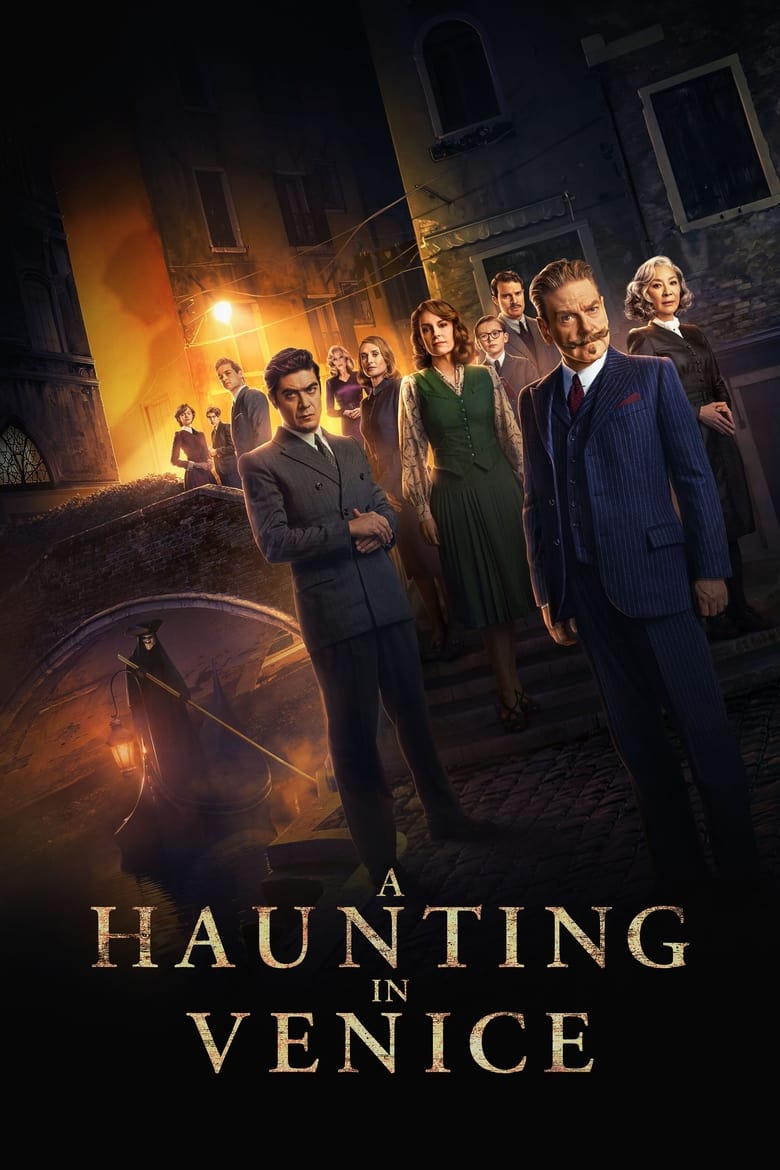
Movie · 2023
Celebrated sleuth Hercule Poirot, now retired and living in self-imposed exile in Venice, reluctantly attends a Halloween séance at a decaying, haunted palazzo.
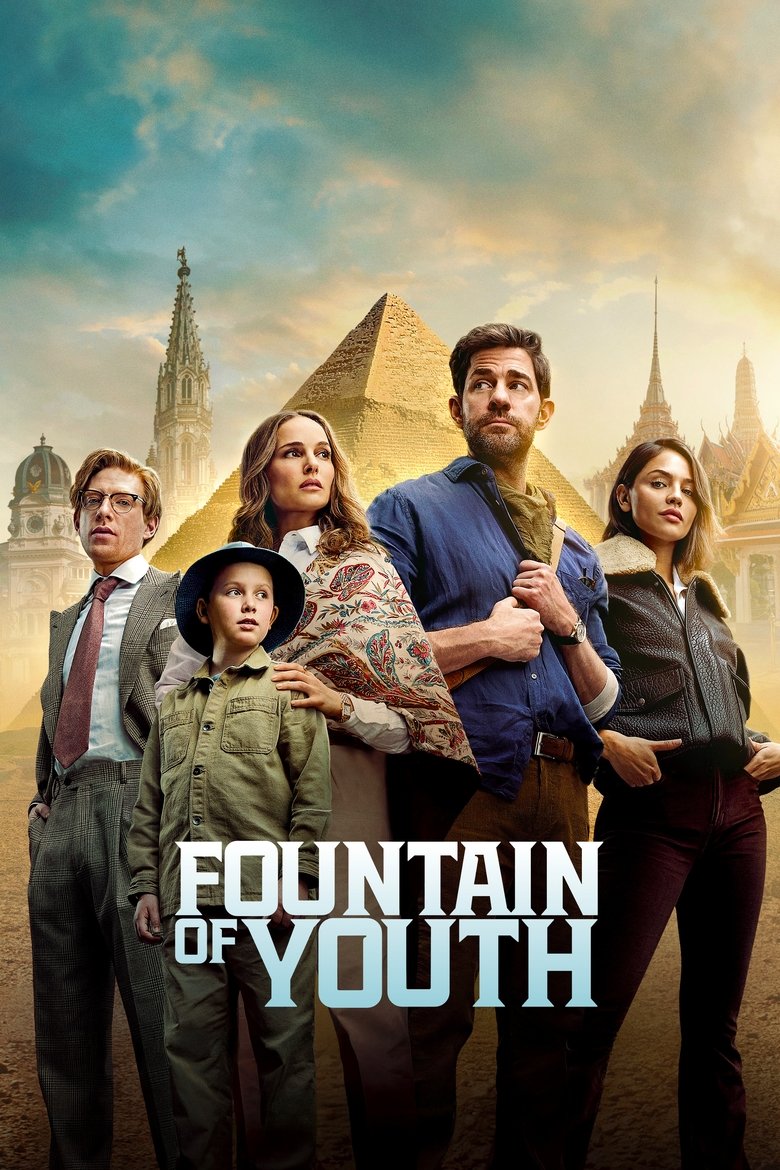
Movie · 2025
A treasure-hunting mastermind assembles a team for a life-changing adventure. But to outwit and outrun threats at every turn, he'll need someone even smarter than he is: his…
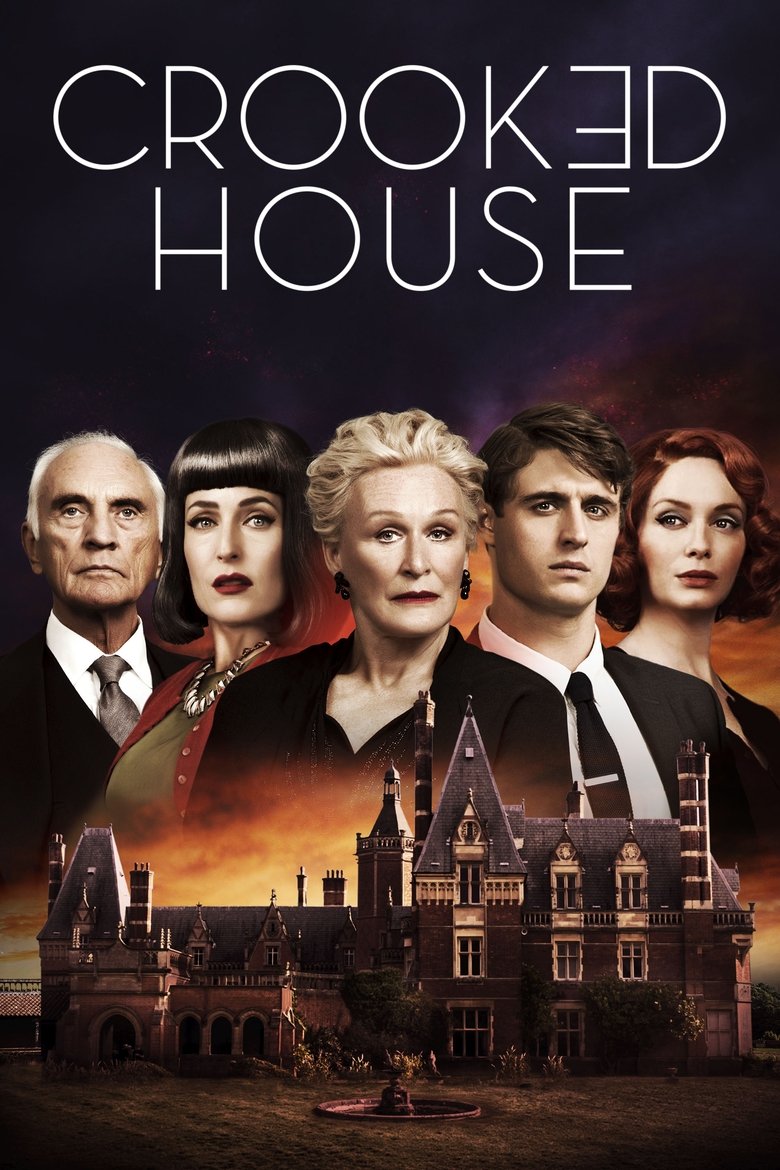
Movie · 2017
A private investigator helps a former flame solve the murder of her wealthy grandfather, who lived in a sprawling estate surrounded by his idiosyncratic family.

Movie · 2016
Beatrice Prior and Tobias Eaton venture into the world outside of the fence and are taken into protective custody by a mysterious agency known as the Bureau of Genetic Welfare.
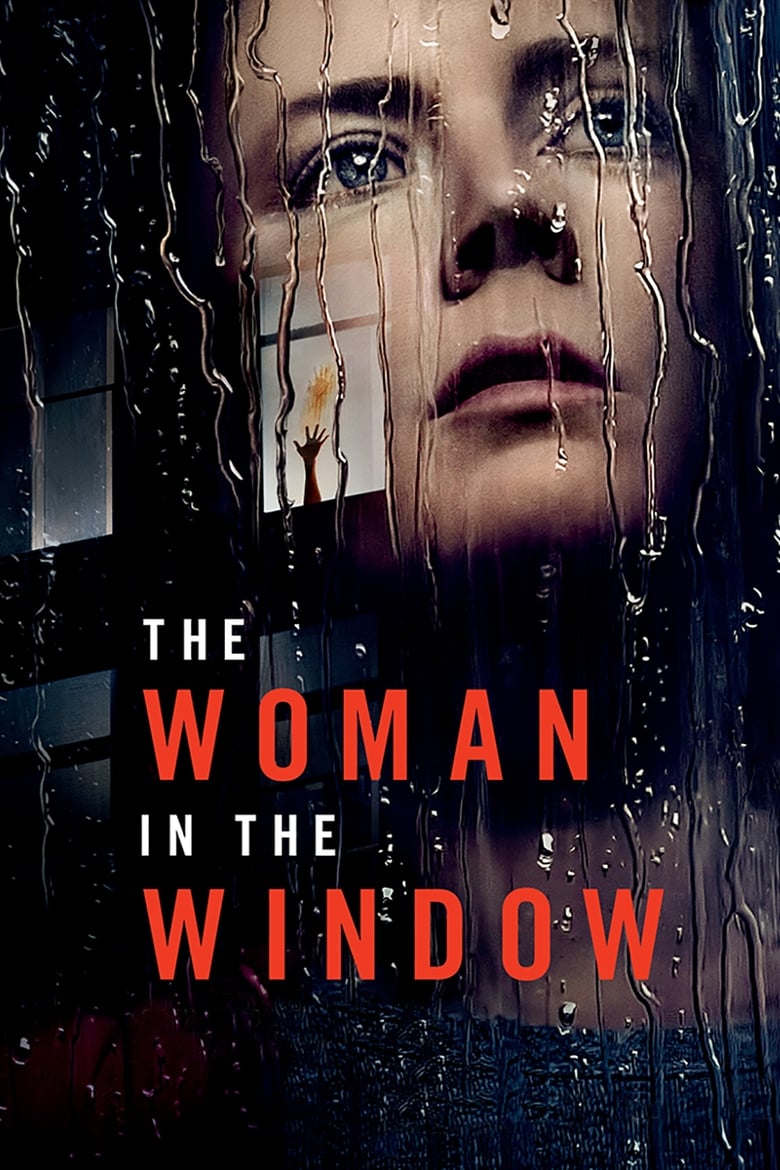
Movie · 2021
An agoraphobic woman living alone in New York begins spying on her new neighbors only to witness a disturbing act of violence.

Movie · 2023
After starting their own detective agency, Nick and Audrey Spitz land a career-making case when their billionaire pal is kidnapped from his wedding.

Movie · 2018
Max and Annie's weekly game night gets kicked up a notch when Max's brother Brooks arranges a murder mystery party -- complete with fake thugs and federal agents.
