

Alice moves to New York after ending a four-year relationship because she has never lived on her own. Her coworker Robin pulls her into late nights, casual hookups, and dating games. Alice’s sister Meg is a busy doctor who decides to have a baby with a sperm donor, while Lucy uses dating sites to search for a husband. The comedy follows these friends and their dates as they try different ways to live, love, and grow up. The film gives much of its time to women deciding what they want outside a couple. Alice tries casual dating but learns that being single is not just a way to find her next boyfriend. Meg talks about fearing that motherhood will cost her identity, then chooses to become a mother without a partner. Robin jokes that marriage ends a woman’s freedom to travel and spend as she likes. Alice finishes by taking the solo Grand Canyon trip she once put off.
Community feedback
Was our 44% Woke rating accurate?
Loading review details…
Breakdown
These are the editorial factors and ratings behind our score for How to Be Single.
Woke representation / casting
Dana Fox said she wanted more female-driven comedies and described this title as a female-driven comedy about friendship. The film gives Alice, Robin, Lucy, and Meg its four main storylines. The men mostly appear as dates, exes, and partners.
10%
Woke political dialogue
Alice’s opening narration says single people should not feel ashamed because people marry later. Meg says she feared motherhood would stop her from pursuing dreams and cost her identity. Robin jokes that marriage ends spontaneous sex, solo travel, and a woman’s freedom to spend.
29%
Identity-driven story themes
Robin teaches Alice to try casual sex and enjoy New York life without a partner. Meg chooses pregnancy through a sperm donor before starting a relationship with Ken. The story gives both women’s choices a warm, nonjudgmental frame. These arcs make women’s sexual agency and independent motherhood recurring themes.
43%
Western institutional / cultural critique
Alice ends a four-year relationship because she has never learned to live alone. The film gives her final scene to the solo Grand Canyon hike she once put off. This ending favors personal discovery over treating marriage as the only happy finish.
22%
Woke character or canon changes
Not relevant. Loose novel-to-film adaptation and ordinary rom-com compression with no identity-driven rewrites of established characters or canon.
0%
Anti-woke backlash and complaints
A Catholic News Service review said Meg’s donor pregnancy opposed Christian teaching about marriage and child raising. A family movie review called the film anti-commitment and objected to casual sex. Those complaints target the story’s choice to treat sex outside marriage and single motherhood as acceptable.
11%
Creator track record context
Dana Fox (69) has called herself feminist and supported women-led films. Dana Fox described this title as female-driven and centered on female friendship. Abby Kohn (39) has discussed writing imperfect women whom audiences can identify with. Producer Drew Barrymore (61) has spoken about gender inequality in Hollywood.
44%
Production

Movie · 2024
In the summer of 1986, three sixteen year old friends spend their Saturdays sneaking into movies at the local multiplex.
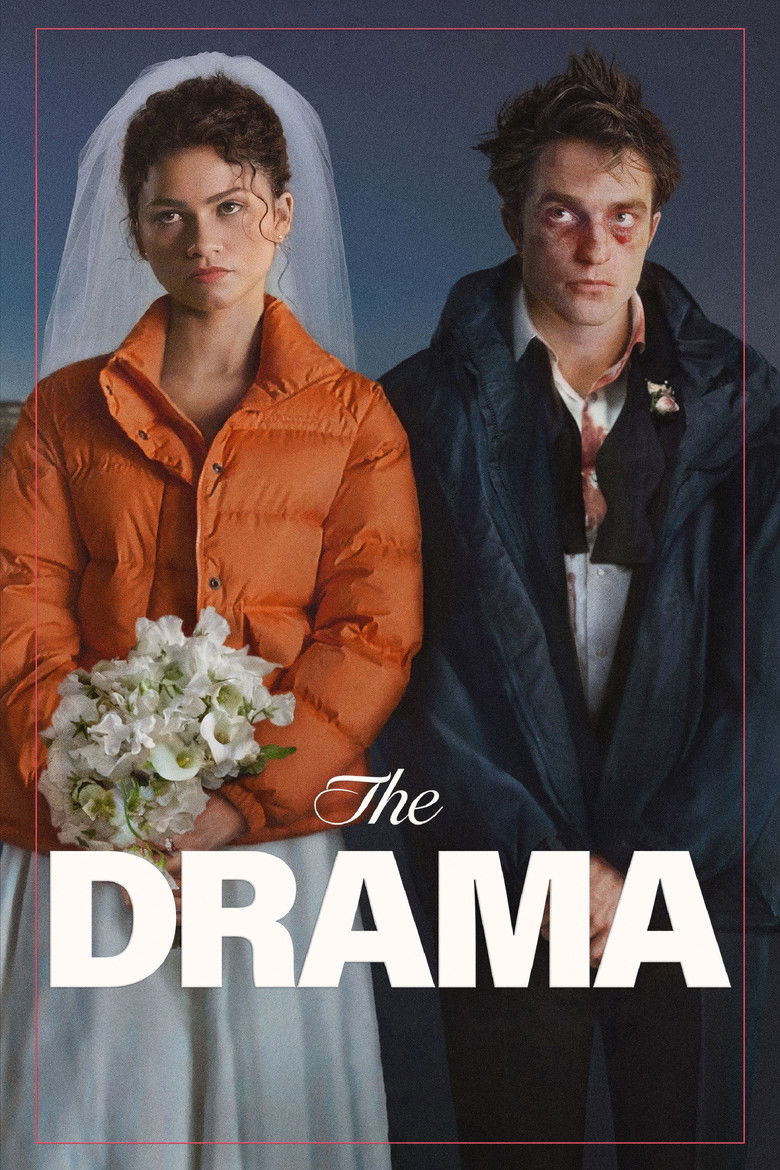
Movie · 2026
A happily engaged couple is put to the test when an unexpected turn sends their wedding week off the rails.

Movie · 2022
Peter and Emma thought they were on the precipice of life’s biggest moments – marriage, kids, and houses in the suburbs – until their respective partners dumped them.
Movie · 2023
Two twenty-somethings, both reeling from bad break-ups, connect over the course of an eventful day in South London – helping each other deal with their nightmare exes, and…
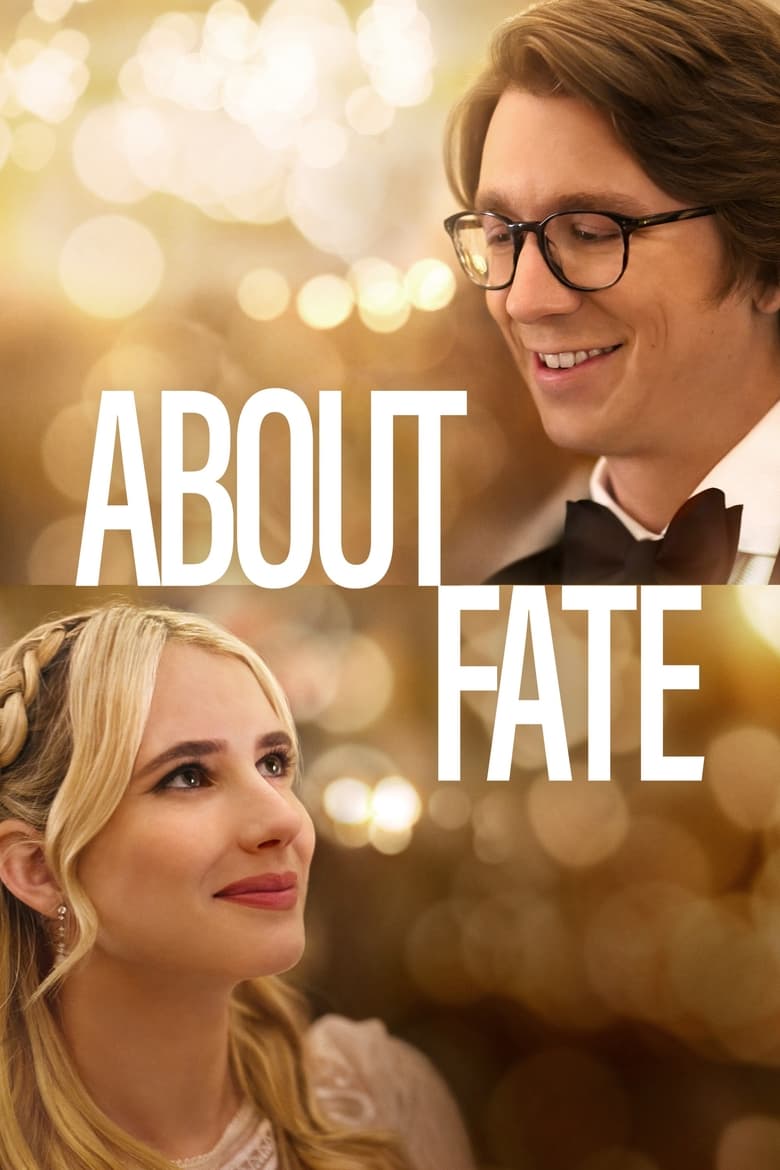
Movie · 2022
Two strangers believe in love but never seem to be able to find its true meaning. In a wild twist of events, fate puts each in the other's path on one stormy New Year's Eve.

Movie · 2024
A mild-mannered professor moonlighting as a fake hit man in police stings ignites a chain reaction of trouble when he falls for a potential client.
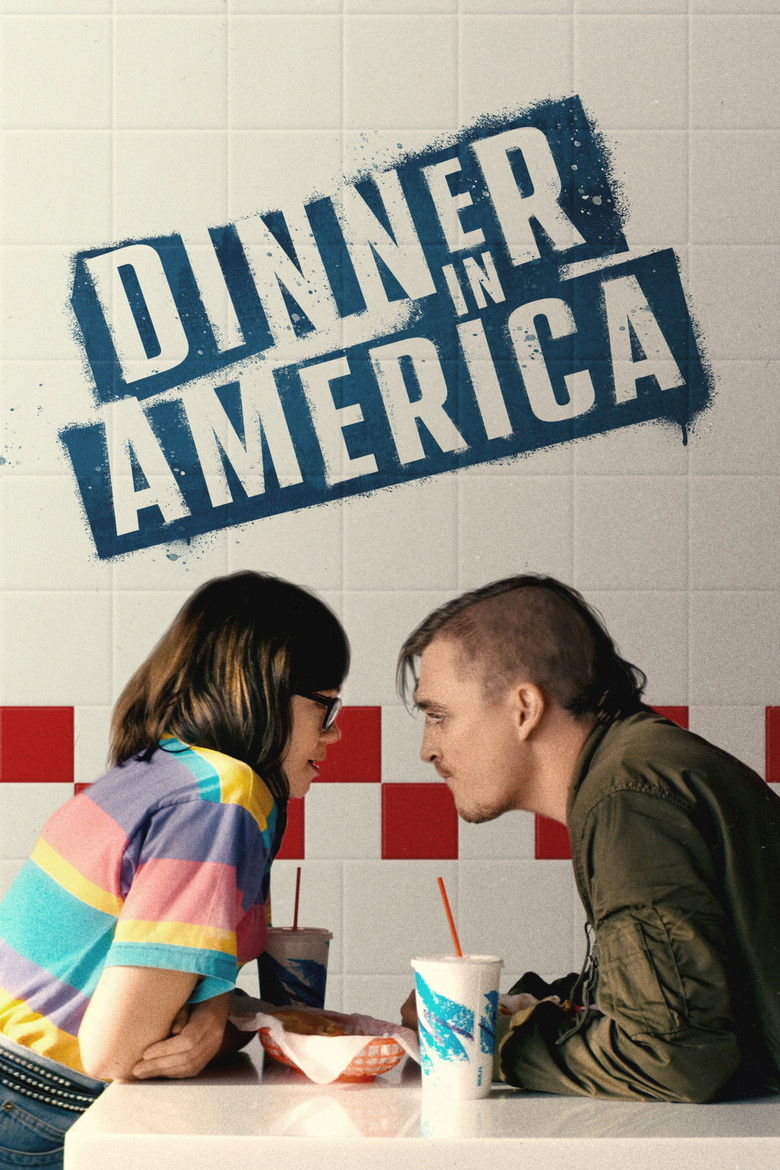
Movie · 2020
An on-the-lam punk rocker and a young woman obsessed with a local band go on an unexpected and epic journey together through the decaying suburbs of the American Midwest.
Movie · 2016
A week in the life of Paterson, a poet bus driver, and his wife Laura, a very creative artist, who live in Paterson, New Jersey, hometown of many famous poets and artists.
