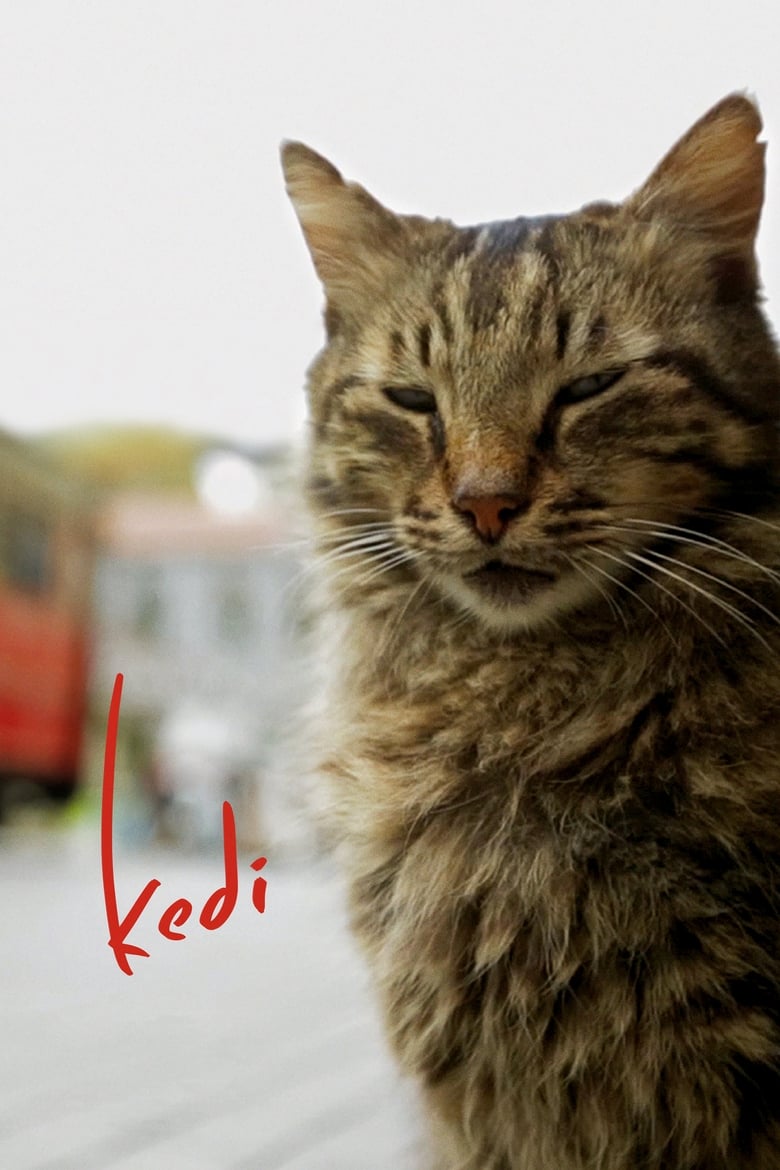

Kedi follows seven street cats as they move through Istanbul, enter shops and homes, hunt for food, and return to the streets. Each cat has a different nature, from a mother feeding her kittens to a cat that guards its territory and a cat that waits outside a restaurant for meals. The film shows the cats living between wild animals and pets while new high-rise buildings threaten some old places where they live. The tone stays warm and calm, with humor, sadness, beautiful city views, and long looks at daily life.
The film also follows the people who feed the cats, pay for their care, and describe the comfort the animals bring to them. A woman says that life is hard for women in Turkey and compares the cats' grace and freedom with the limits placed on female behavior. Other speakers connect the cats with faith, kindness, healing, and the feeling that a city should care for living things. Those ideas support a message about shared care and human kindness, but the story stays focused on cats, Istanbul, and the bonds between people and animals.
Community feedback
Was our 30% Woke rating accurate?
Loading review details…
Breakdown
These are the editorial factors and ratings behind our score for Kedi.
Woke representation / casting
Not present. The film uses real Istanbul residents and real street cats instead of an acting cast. The people appear because of their ties to the cats, not to make an identity display.
0%
Woke political dialogue
One artist says that being a woman and showing femininity is hard in Turkey. She connects the cats' grace and public freedom with limits on women. The film does not return to gender politics often. Most spoken comments concern cats, care, faith, and city life.
25%
Identity-driven story themes
The film briefly links a female cat's freedom and grace with the limits placed on women in Turkey. It also shows one caretaker using care for street cats to cope with emotional pain. The main story stays focused on cats, Istanbul, and human kindness. Gender ideas remain a small part of the full film.
20%
Western institutional / cultural critique
High-rise development is shown as pushing out old neighborhoods and shrinking space for cats. That creates a mild local criticism of modernization and gentrification. The film does not make Western institutions, Christianity, capitalism, or family life its main target.
12%
Woke character or canon changes
Not relevant. The film is an original documentary about real street cats and residents. It does not change established fictional characters, source material, or historical figures.
0%
Anti-woke backlash and complaints
Not present. The separate X check found no anti-woke reaction. News stories, audience reviews, and public posts mainly praised the cats, Istanbul, and the film's kindness, with no reliable complaint about DEI or identity politics.
0%
Creator track record context
The cached creator profile gives Ceyda Torun a woke score of 55/100. Her stored record shows interest in animal welfare, freedom, cultural identity, and women's representation. She has described Kedi as non-political and non-activist. The cached producer profiles show no similar public pattern.
55%
Production
Movie · 2016
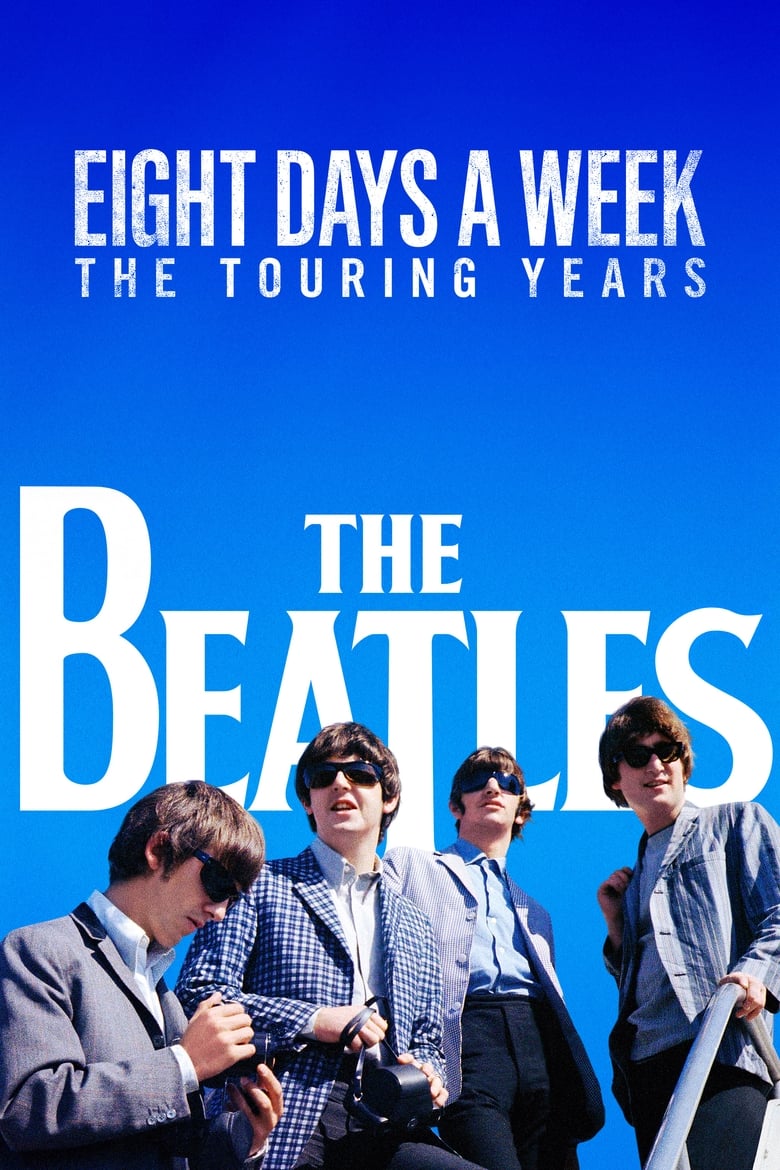
The Beatles stormed through Europe's music scene in 1963, and, in 1964, they conquered America. Their groundbreaking world tours changed global youth culture forever and…
Movie · 2023
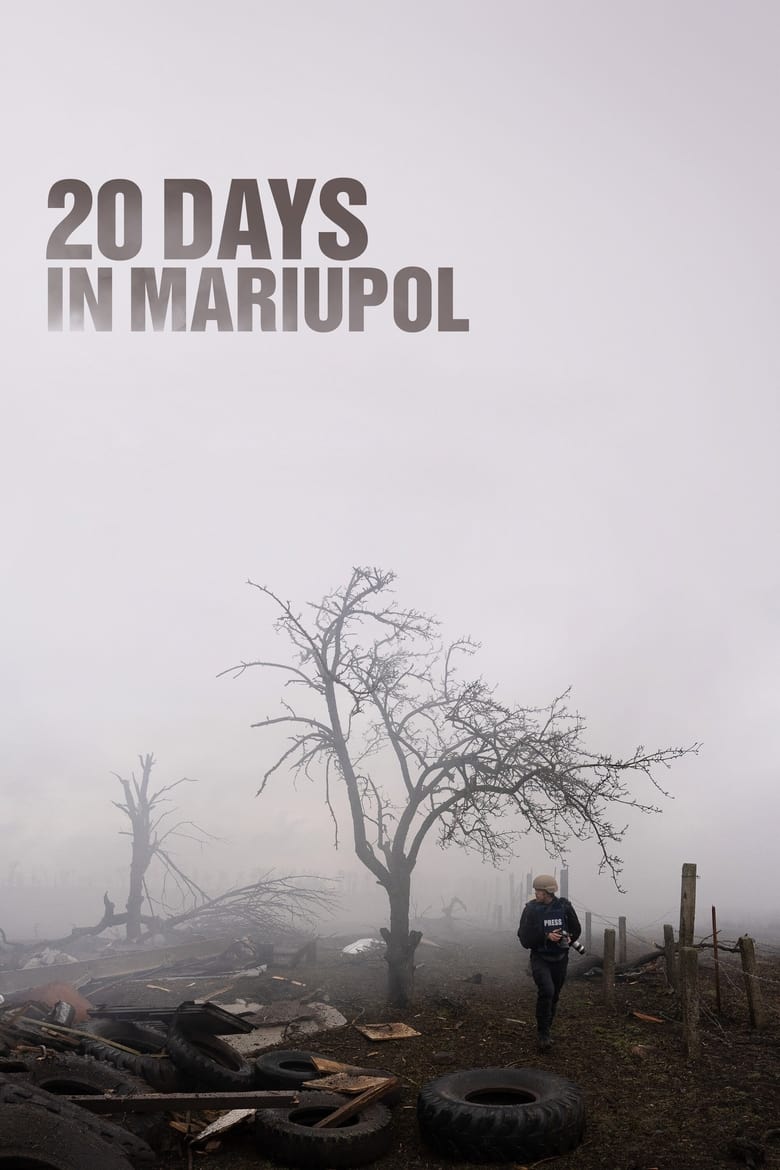
As the Russian invasion begins, a team of Ukrainian journalists trapped in the besieged city of Mariupol struggle to continue their work documenting the war's atrocities.
Movie · 2017
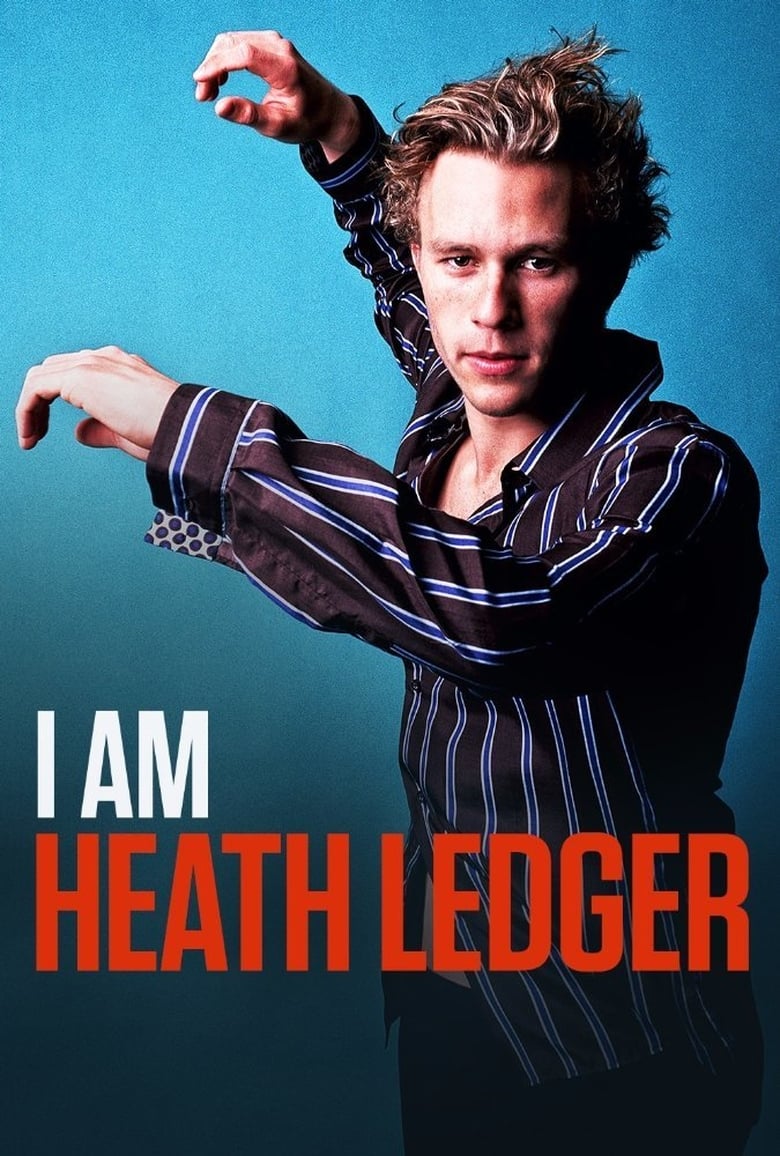
The life and career of an actor, artist, and icon. His own journey through his own camera.
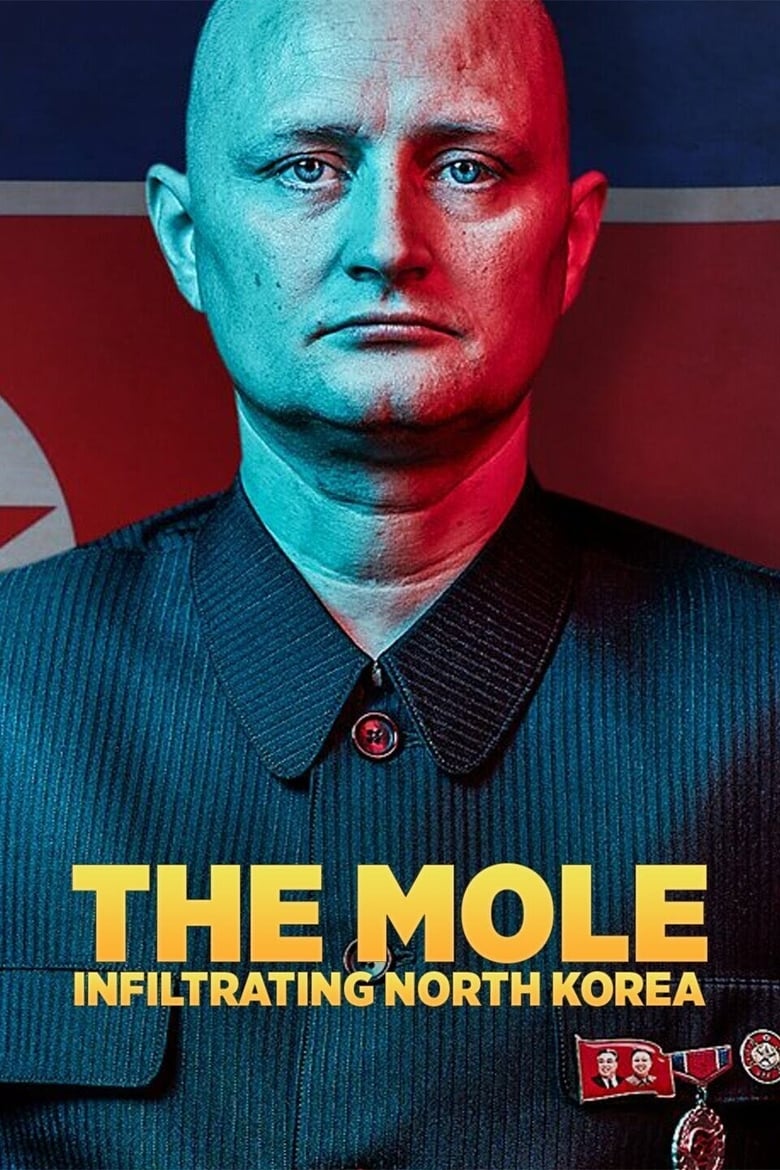
Movie · 2020
A real-life undercover thriller about two ordinary men who embark on an outrageously dangerous ten-year mission to penetrate the world's most secretive and brutal dictatorship…
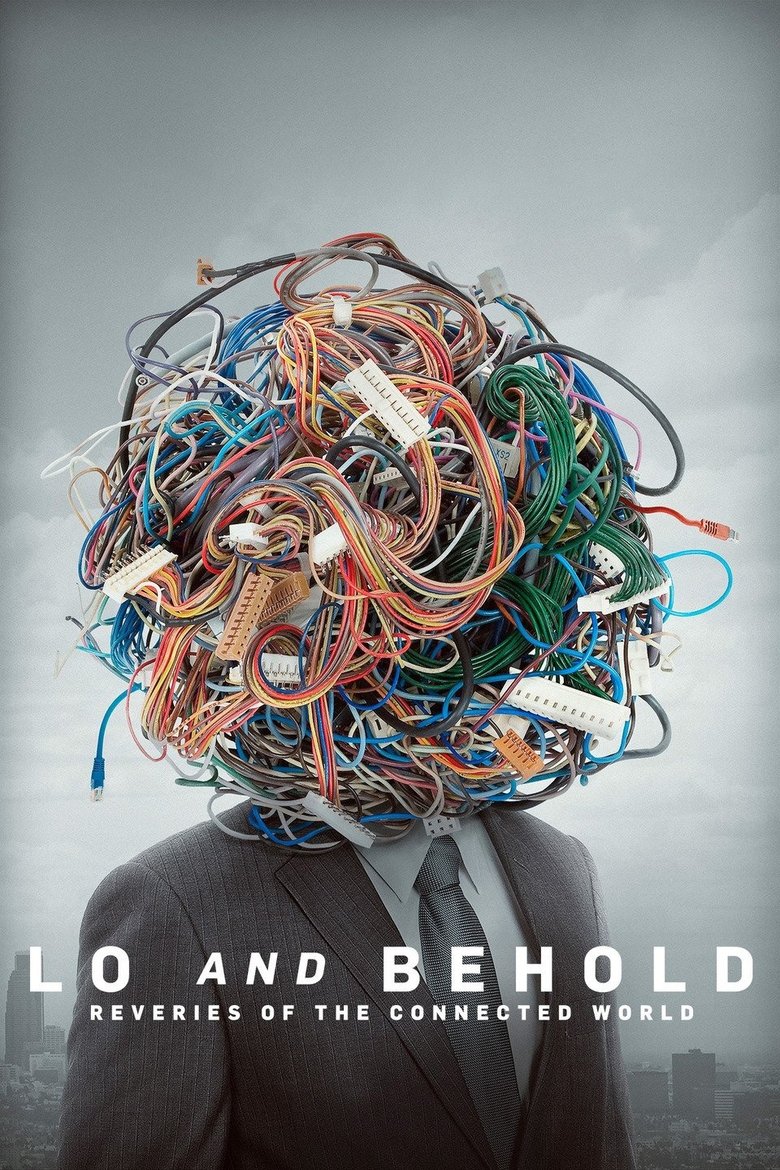
Movie · 2016
Werner Herzog's exploration of the Internet and the connected world.
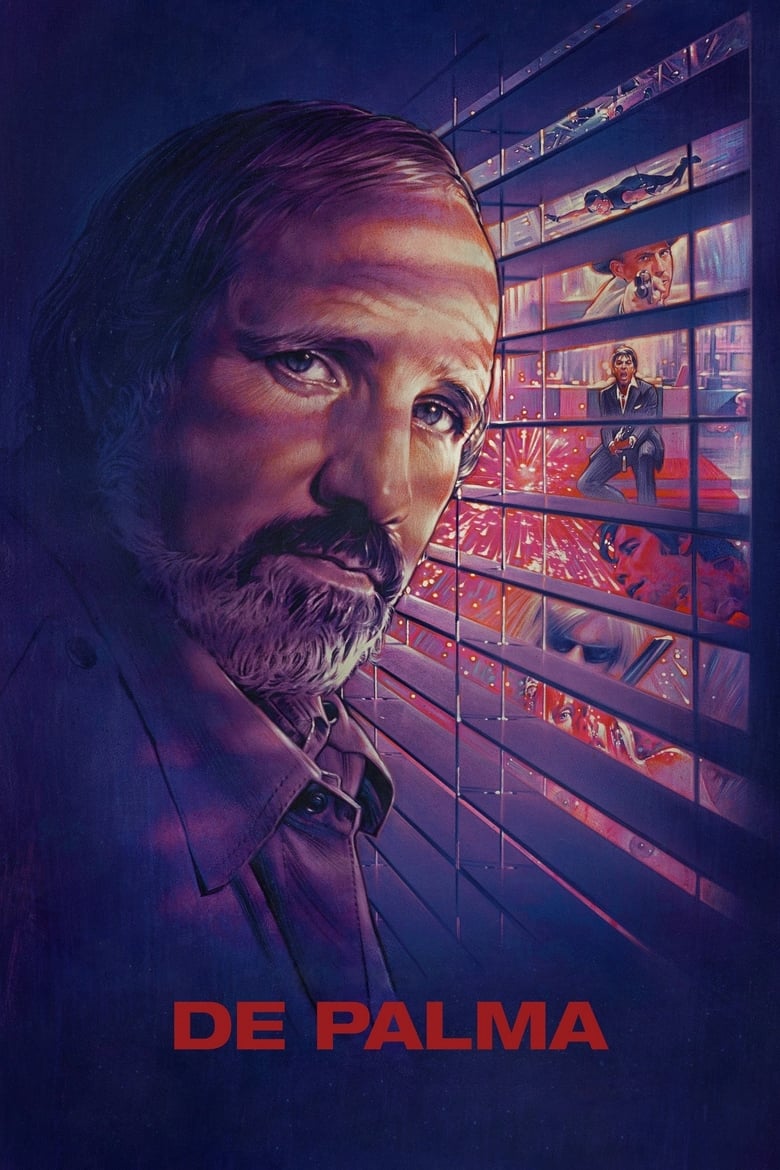
Movie · 2016
An intimate conversation between filmmakers, chronicling De Palma’s 55-year career, his life, and his filmmaking process, with revealing anecdotes and, of course, a wealth of film…
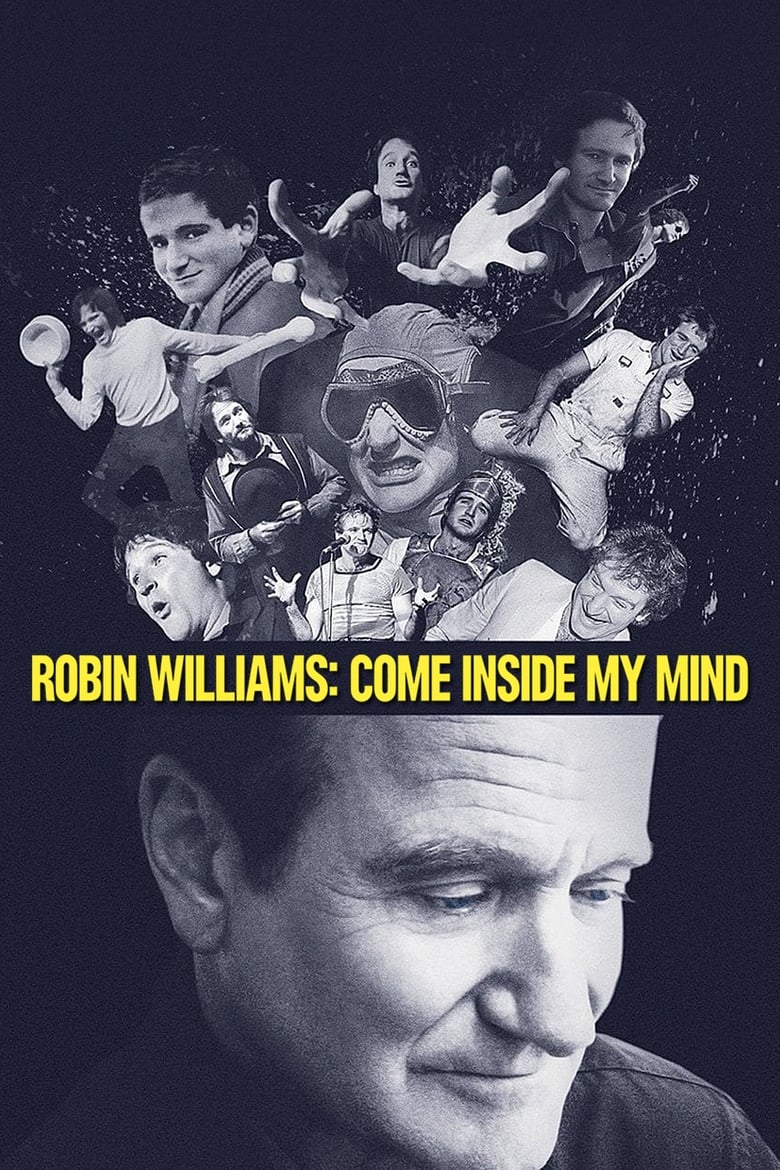
Movie · 2018
A funny, intimate and heartbreaking portrait of one of the world’s most beloved and inventive comedians, Robin Williams, told largely through his own words.

Movie · 2022
Follows the man who survived an assassination attempt by poisoning with a lethal nerve agent in August 2020. During his months-long recovery, he makes shocking discoveries about…
