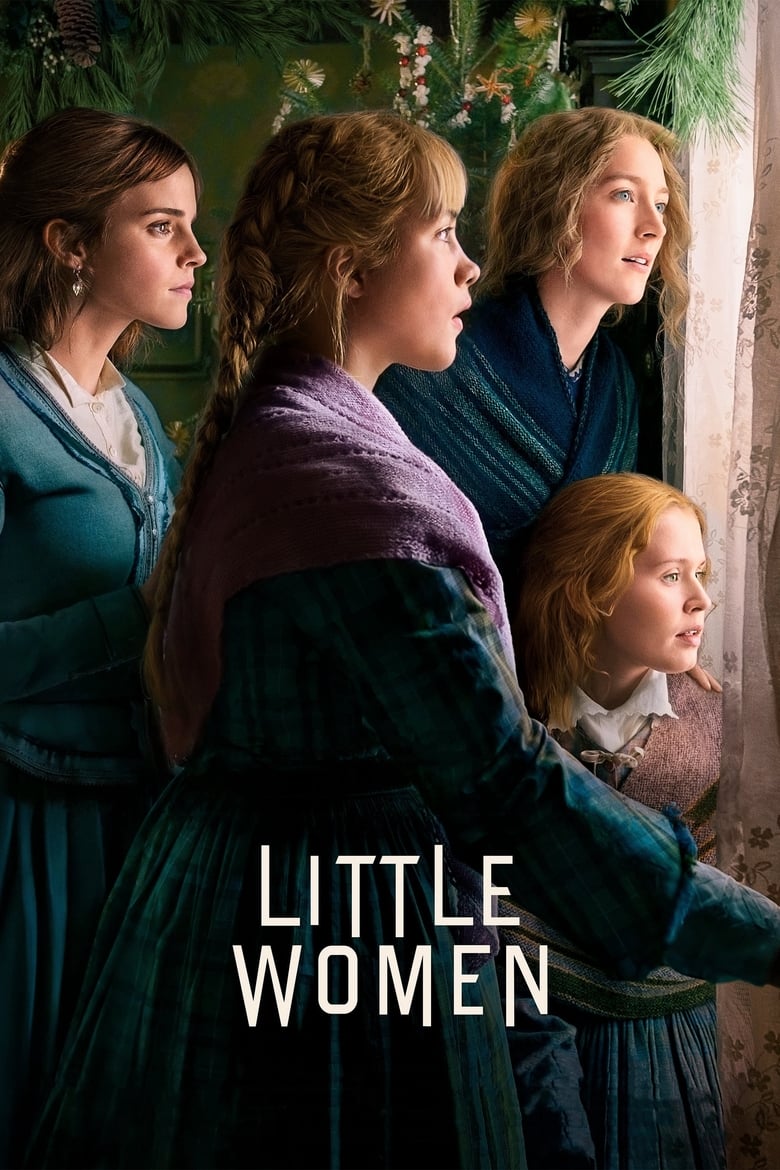

Little Women follows Jo March and her three sisters as they grow up in Massachusetts during and after the Civil War. Jo wants to become a writer, while Meg, Beth, and Amy choose different paths through love, family, illness, money, and work. The story moves between childhood and adulthood instead of following a straight timeline. The tone is warm, funny, romantic, and sad. The film gives strong attention to female ambition and the limits placed on women in the 1800s. Amy says marriage is an economic choice because women have few ways to earn money or own property. Jo argues that women have minds and souls beyond romance, while Marmee speaks about her anger and the pressure to stay calm. These ideas are central to the story, but the film still presents marriage, family, and traditional choices as valid.
Community feedback
Was our 65% Woke rating accurate?
Loading review details…
Breakdown
These are the editorial factors and ratings behind our score for Little Women.
Woke representation / casting
Not present. The main cast is mostly white, which fits the March family, the source novel, and the 1860s Massachusetts setting. The brief appearance of a black hospital worker does not create a visible diversity pattern.
0%
Woke political dialogue
Jo repeatedly speaks about women’s freedom, work, and the limits placed on women. Amy explains that marriage is an economic choice because women have few ways to earn money or own property. Marmee also speaks about her daily anger and the pressure to hide it. These lines recur and stand out, but they remain tied to the period story.
48%
Identity-driven story themes
The film repeatedly centers female ambition, independence, and sisterhood. Jo’s desire to write is treated as important even when it conflicts with romance and family duties. Amy, Meg, and Jo show different answers to marriage, work, and personal freedom. The film supports women choosing their own paths, while still respecting family life and marriage.
50%
Western institutional / cultural critique
The film shows marriage and property rules that limit women’s choices. The publisher also says that a female main character should be married or dead, which points to old story rules that restrict women. Marmee briefly says she is ashamed of her country while working beside a black nurse during the Civil War. The criticism stays mostly historical and does not become a broad attack on modern Western institutions.
32%
Woke character or canon changes
Gerwig changes the structure by moving between childhood and adulthood. The film gives Amy more space and makes her argument about marriage more direct. The ending links Jo’s romance, writing career, copyright, and publishing deal in a new way. These changes strengthen the story’s focus on female authorship and independence without replacing the main characters.
30%
Anti-woke backlash and complaints
National Review called the film a feminist attack that romanticizes white privilege. The American Conservative criticized its feminist focus and said it removed too much of Alcott’s religious and family message. Hollywood in Toto also objected to the film’s comments about gender and national shame. These complaints appeared in named outlets, but no sustained boycott or large review-bombing campaign was found.
40%
Creator track record context
Greta Gerwig has a repeated focus on women’s lives, ambition, and independence. Louisa May Alcott had a documented history of supporting women’s rights. Robin Swicord and Denise Di Novi also have long records of supporting female-led stories and women’s access in film. The wider production team does not show a strong activist pattern.
43%
Production

Movie · 2020
The true-life story of Christian music star Jeremy Camp and his journey of love and loss that looks to prove there is always hope.

Movie · 2018
Years after leaving his fiancée at the altar to pursue fame and fortune, country music star Liam Page returns home hoping to win her back.

Movie · 2020
A widow with three children hires a handyman to fix her house during a major storm. When not doing home repairs, he shares his philosophy of believing in the power of the universe…

Movie · 2019
A family dog – with a near-human soul and a philosopher's mind – evaluates his life through the lessons learned by his human owner, a race-car driver.

Movie · 2021
Finley, a talented aspiring violinist, meets Beckett, a famous young movie star, on the way to her college semester abroad program in a small coastal village in Ireland.

Movie · 2016
Set against the backdrop of a beautiful garden in the heart of London, this contemporary fairy tale revolves around the unlikely friendship between a reclusive young woman and a…
Movie · 2019
The beloved Crawleys and their intrepid staff prepare for the most important moment of their lives. A royal visit from the King and Queen of England will unleash scandal, romance…
Movie · 2018
Dan, a 21-year-old carefree boy is always surrounded by a bunch of friends and fellow hotel interns who feed off each other's everyday moments, their ups and downs.
