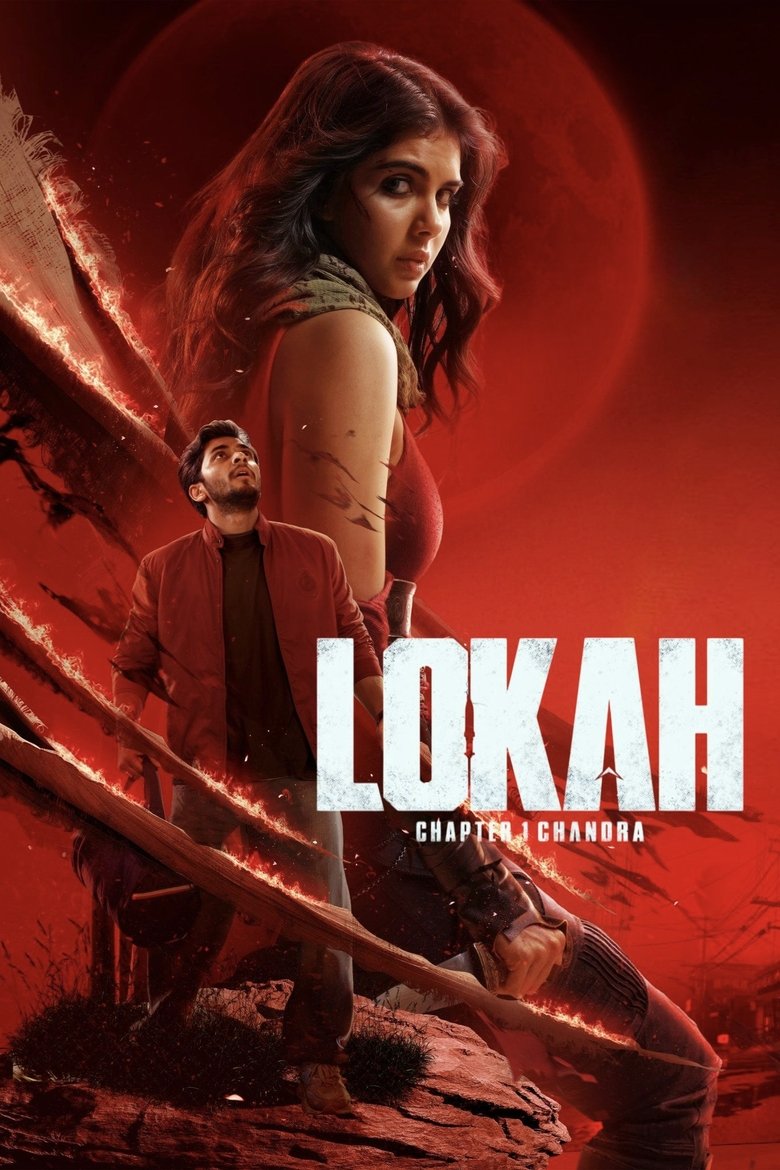

Chandra moves to Bengaluru and takes a quiet night job at a café. Her neighbors Sunny and Venu watch her strange habits and become curious about her. Chandra is secretly Neeli, an immortal yakshi with vampire-like powers. She fights a corrupt police officer and criminals while hiding her past. The film mixes dark fantasy, comedy, folklore, and superhero action. The film centers on a powerful female hero who protects people without needing a male savior. It changes the usual yakshi image from a dangerous seductress into a protector with a painful history. The story repeatedly attacks misogyny through its villain, police scenes, and ideas about male control. Chandra’s strength, independence, and leadership are central to the plot.
Community feedback
Was our 87% Woke rating accurate?
Loading review details…
Breakdown
These are the editorial factors and ratings behind our score for Lokah Chapter 1: Chandra.
Woke representation / casting
The film places a woman in the main superhero and top fighter role. Chandra leads the action while the male characters mostly provide help, romance, or comedy. The film and its marketing repeatedly frame her as a landmark female superhero. This makes gender representation an obvious part of the cast and character design.
65%
Woke political dialogue
Chandra rejects the idea that Sunny must save her. The villain’s words and actions connect male power with control over women. These ideas appear in a few scenes, but the film does not depend on long political speeches.
27%
Identity-driven story themes
The film makes female agency a central part of Chandra’s story. The film changes the usual seductive yakshi into a protector who chooses her own path. The villain’s misogyny helps drive the conflict. Several women receive more control and dignity than the men around them.
68%
Western institutional / cultural critique
The film presents a corrupt police officer whose public power makes his misogyny more dangerous. The film shows men harassing women and treating women’s choices as unimportant. A female officer gives help when male officers dismiss a woman’s fear. The criticism targets male abuse and social power more than Western institutions.
40%
Woke character or canon changes
The film reworks Kalliyankattu Neeli from a vengeful or dangerous female spirit into an immortal protector and superhero. The change also removes the usual focus on her as a seductress who destroys men. This is a major reinterpretation of a Kerala folklore figure, not a small plot adjustment.
52%
Anti-woke backlash and complaints
Right-leaning users repeatedly accused the film of anti-Hindu and pro-missionary messaging. The claims spread across several X accounts, led to boycott talk, and received coverage from Asianet Newsable. Some alleged scenes were not independently checked, and no organized campaign or national news cycle was shown. The reaction was still more than a single viewer’s complaint.
48%
Creator track record context
Dominic Arun has recently focused on feminism, female agency, and a woman-centered superhero story. Santhy Balachandran has repeatedly discussed female-centered genre writing and resistance to patriarchal endings. Dulquer Salmaan has publicly supported women’s representation, while the other listed creators have little evidence of an activist record.
55%
Production
Movie · 2017
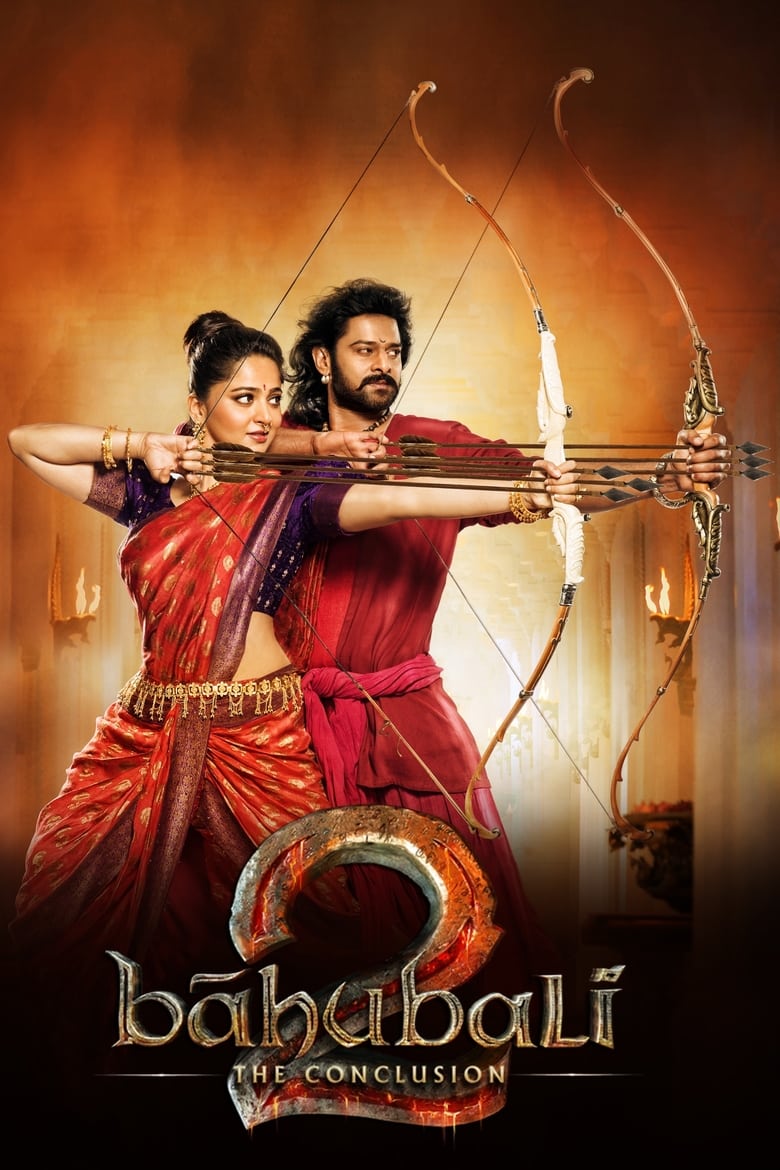
When Mahendra, the son of Bāhubali, learns about his heritage, he begins to look for answers. His story is juxtaposed with past events that unfolded in the Mahishmati Kingdom.

Movie · 2021
Washed-up MMA fighter Cole Young, unaware of his heritage, and hunted by Emperor Shang Tsung's best warrior, Sub-Zero, seeks out and trains with Earth's greatest champions as he…

Movie · 2025
After a catastrophic event leaves their bodies destroyed, Ne Zha and Ao Bing are granted a fragile second chance at life.
Movie · 2020
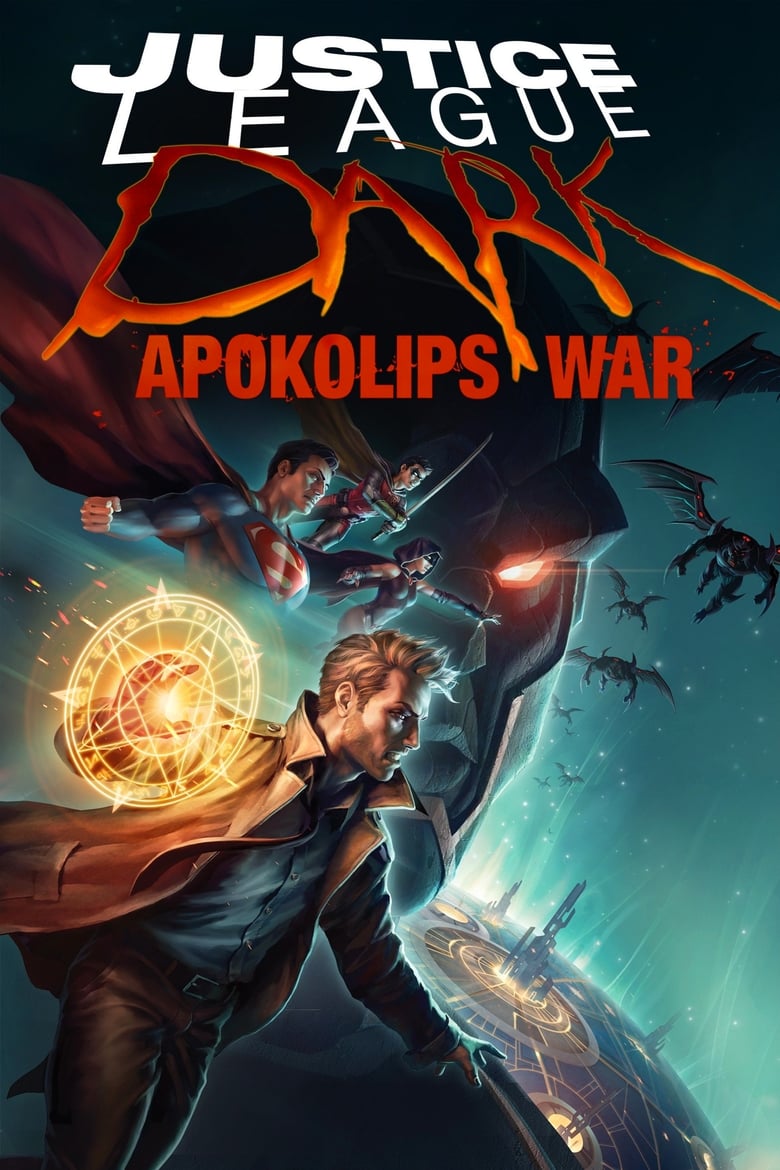
Earth is decimated after intergalactic tyrant Darkseid has devastated the Justice League in a poorly executed war by the DC Super Heroes.
Movie · 2001
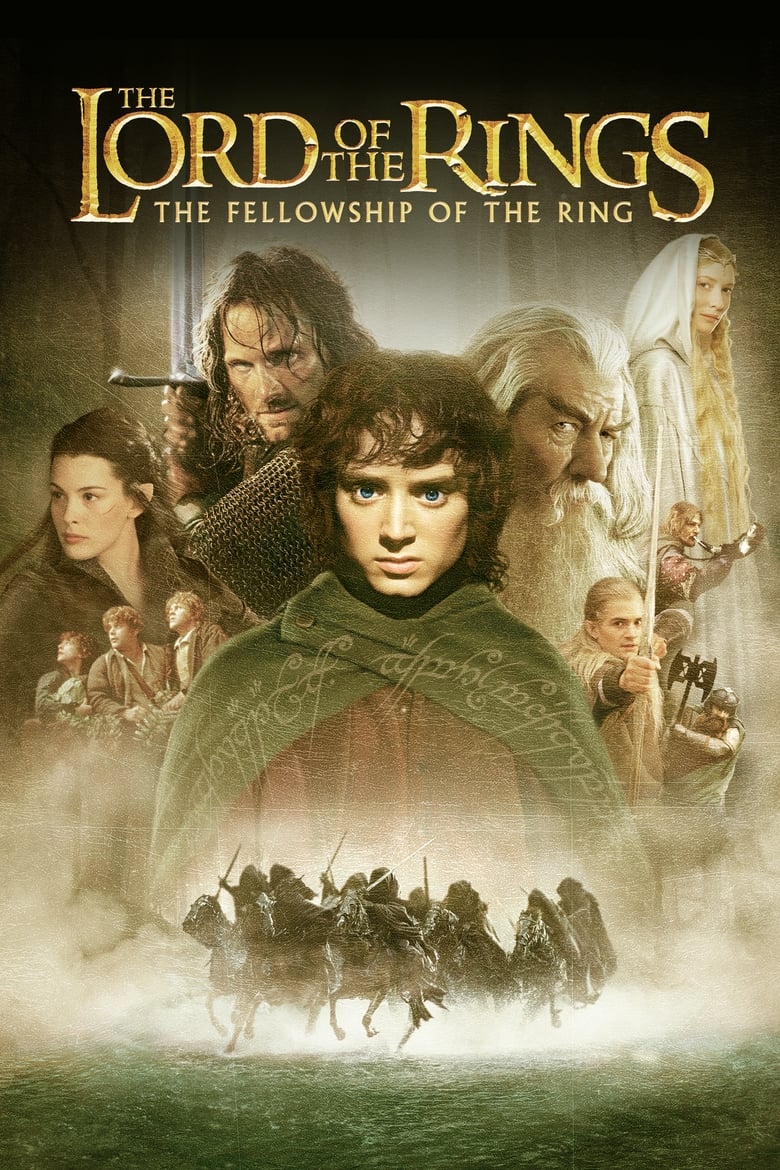
Young hobbit Frodo Baggins, after inheriting a mysterious ring from his uncle Bilbo, must leave his home in order to keep it from falling into the hands of its evil creator.

Movie · 2016
The peaceful realm of Azeroth stands on the brink of war as its civilization faces a fearsome race of invaders: orc warriors fleeing their dying home to colonize another.

Movie · 2016
From DC Comics comes the Suicide Squad, an antihero team of incarcerated supervillains who act as deniable assets for the United States government, undertaking high-risk black ops…

Movie · 2018
Half-human, half-Atlantean Arthur Curry is taken on the journey of his lifetime to discover if he is worth of being a king.
