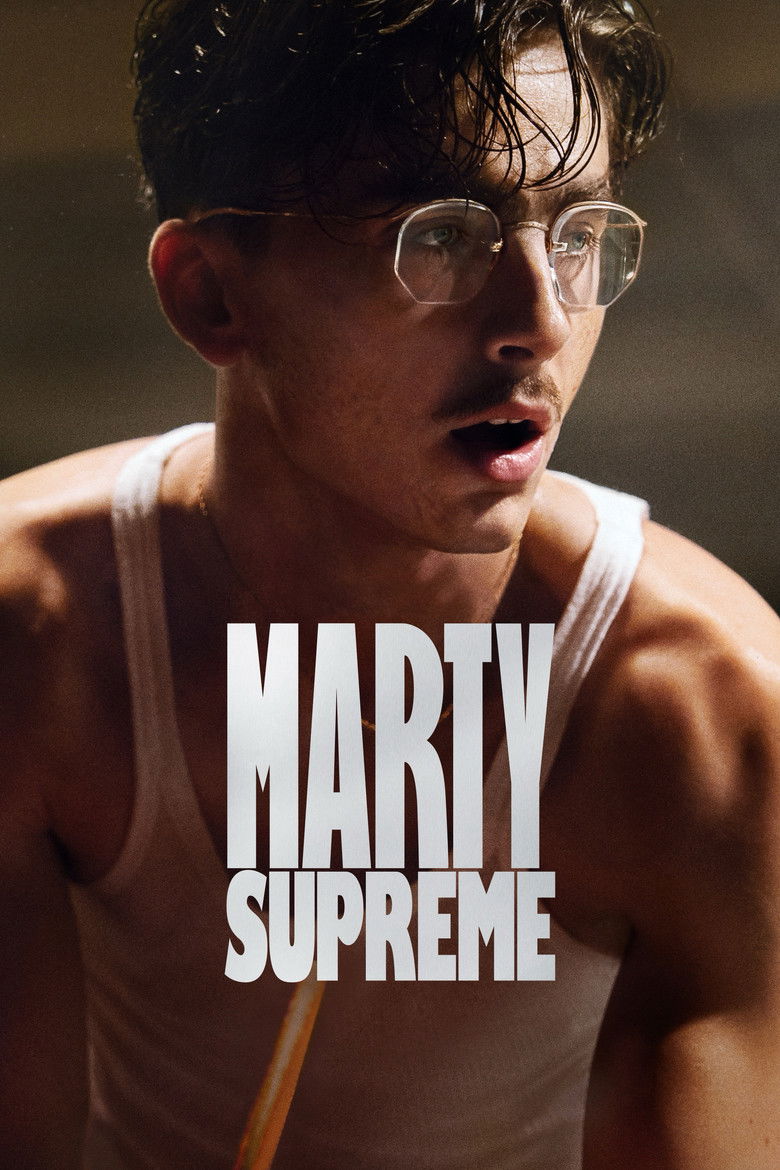

Marty Mauser is a young Jewish shoe-shop worker in 1950s New York. He wants to become the world’s best table tennis player, even though his family and friends do not respect the sport. Marty cheats, steals, lies, and uses people to reach contests in London and Tokyo. The story feels fast, rough, funny, violent, and often cruel. The film shows Jewish pride, Holocaust memory, and the struggle between personal glory and family duty. A brief flashback shows Béla, a Holocaust survivor, with symbols linked to a gay Jewish prisoner. That detail is clear but small, and it does not guide the main story. Most of the film focuses on Marty’s selfish ambition, greed, fatherhood, and fear of giving up his dream.
Community feedback
Was our 10% Woke rating accurate?
Loading review details…
Breakdown
These are the editorial factors and ratings behind our score for Marty Supreme.
Woke representation / casting
Most casting fits the 1950s New York setting. The film includes a brief visual reference to a gay Jewish prisoner through Béla’s camp uniform. The film does not present its casting as a modern diversity program.
8%
Woke political dialogue
Not present. The movie does not have any modern activist lectures, progressive buzzwords, or political dialogues. The characters speak in raw, crude, and fast-talking 1950s New York street slang. Marty even makes an off-color joke about his opponent that actively defies modern politically correct standards.
0%
Identity-driven story themes
Jewish pride and Holocaust memory return several times in the story. The film also includes a brief visual reference to a gay Jewish prisoner. These details support historical identity themes, but modern identity politics does not drive the plot.
8%
Western institutional / cultural critique
Not present. The story features a greedy, wealthy businessman who tries to humiliate Marty. This is a traditional, setting-appropriate story about the cruelty of rich elites. It is not framed through modern activist concepts such as systemic whiteness, patriarchy, toxic masculinity, or post-colonial guilt.
0%
Woke character or canon changes
Not relevant. The movie is an original screenplay that is loosely inspired by real-life table tennis player Marty Reisman, and it does not make any woke changes to an established franchise or canon.
0%
Anti-woke backlash and complaints
A few small accounts called the film woke or grouped it with anti-white movies. The X posts had almost no pickup and did not become a campaign. Wider reaction focused on Marty’s morality and Jewish themes rather than woke complaints.
5%
Creator track record context
Josh Safdie and Ronald Bronstein have low stored scores and no strong activist pattern. Timothée Chalamet has made some liberal statements, but his work does not show a strong identity-focused pattern. Safdie’s title-related interviews focus on Jewish anxiety, ambition, fatherhood, and maturity.
14%
Production
Movie · 2019
A charismatic New York City jeweler always on the lookout for the next big score makes a series of high-stakes bets that could lead to the windfall of a lifetime.

Movie · 2022
After escaping a Michigan prison, a charming career criminal assumes a new identity in Canada and goes on to rob a record 59 banks and jewellery stores while being hunted by a…
Movie · 2024
While awaiting the next fuel truck at a middle-of-nowhere Arizona rest stop, a traveling young knife salesman is thrust into a high-stakes hostage situation by the arrival of two…

Movie · 2016
An American Ambassador is killed during an attack at a U.S. compound in Libya as a security team struggles to make sense out of the chaos.
Movie · 2019
In 1934, Frank Hamer and Manny Gault, two former Texas Rangers, are commissioned to put an end to the wave of vicious crimes perpetrated by Bonnie Parker and Clyde Barrow, a…
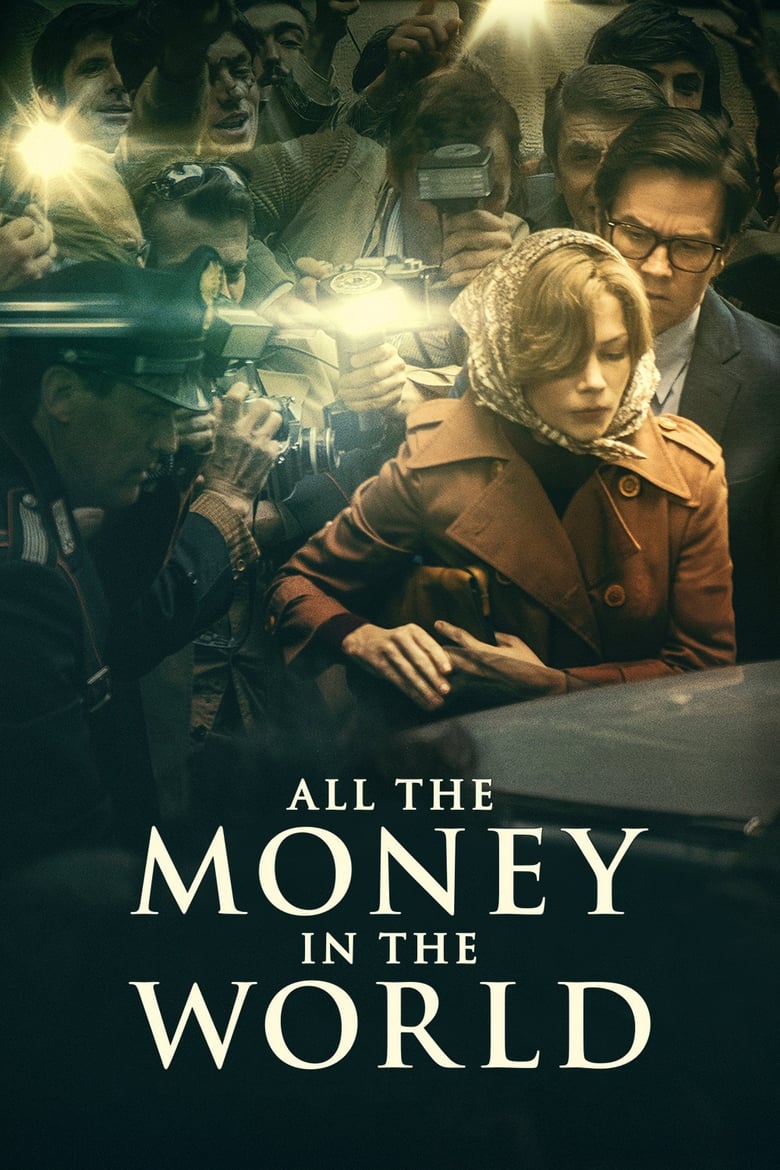
Movie · 2017
The story of the kidnapping of 16-year-old John Paul Getty III and the desperate attempt by his devoted mother to convince his billionaire grandfather Jean Paul Getty to pay the…

Movie · 2025
A group of disillusioned outsiders abandon modern society in search of a new beginning. Settling on a remote, uninhabited island, their utopian dream quickly unravels as they…
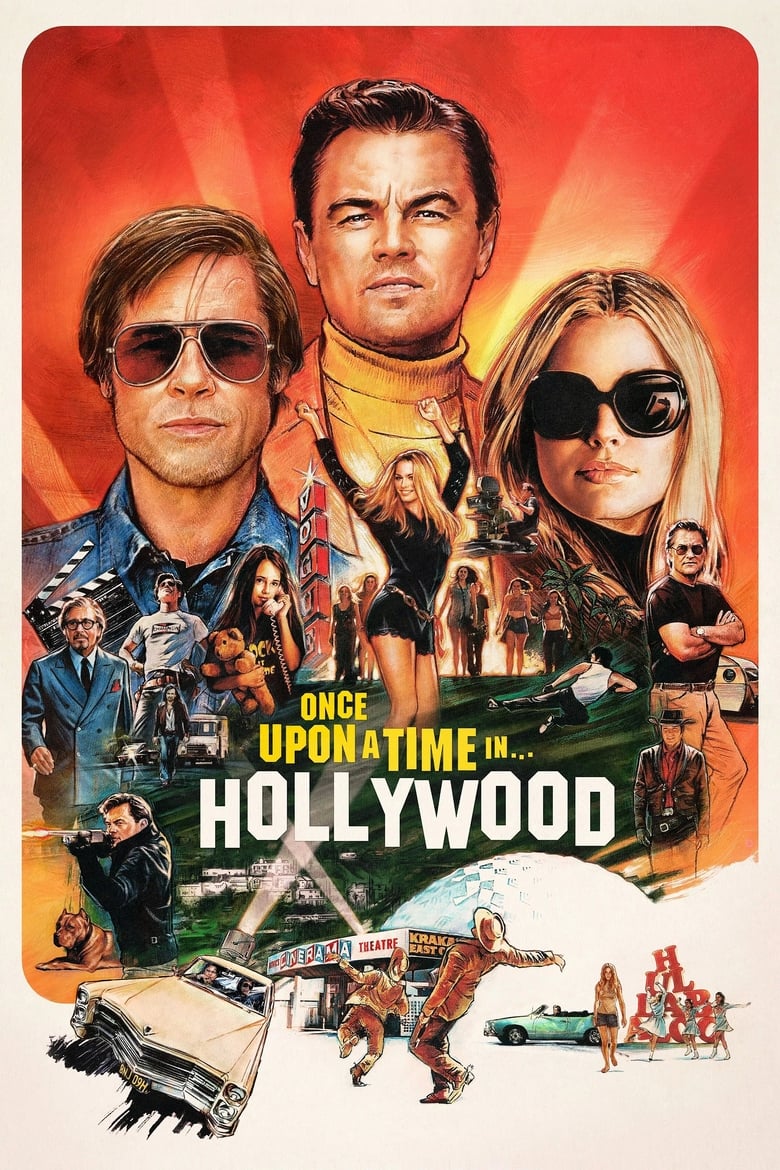
Movie · 2019
Los Angeles, 1969. TV star Rick Dalton, a struggling actor specializing in westerns, and stuntman Cliff Booth, his best friend, try to survive in a constantly changing movie…
