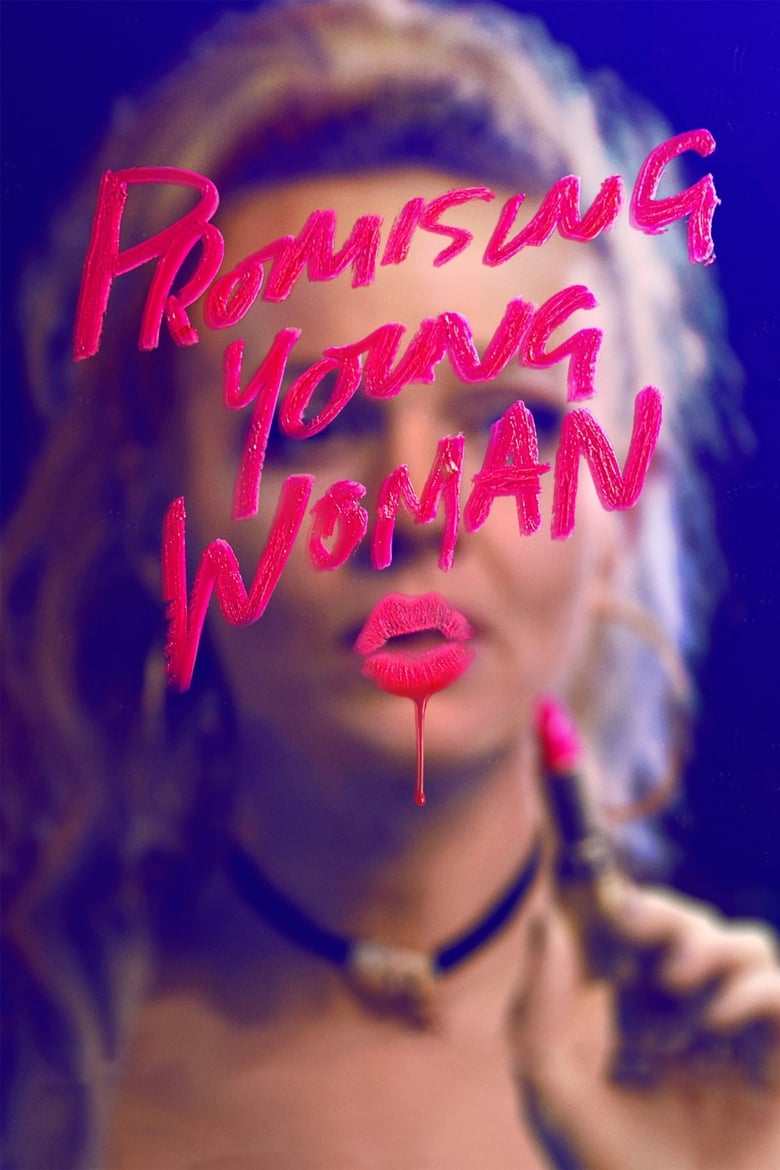

Cassie Thomas is a former medical student who lives with her parents and works in a coffee shop. She lost her future after her best friend Nina was raped and later died. Cassie spends her nights pretending to be drunk so predatory men will reveal themselves. The film mixes bright colors, dark humor, romance, crime, and revenge. The film strongly centers on rape culture, victim blaming, male entitlement, and the protection of “promising young men.” Cassie repeatedly challenges men, women, school leaders, lawyers, and other people who excuse sexual violence. The story presents female rage and revenge as responses to a culture that fails women. Its feminist and #MeToo message is central from the opening scene through the ending.
Community feedback
Was our 79% Woke rating accurate?
Loading review details…
Breakdown
These are the editorial factors and ratings behind our score for Promising Young Woman.
Woke representation / casting
Laverne Cox, a transgender actress, plays Gail in a visible supporting role. Gail’s gender and identity are not part of the character in the film. The marketing and interviews found do not frame the cast as a diversity-first statement.
12%
Woke political dialogue
Cassie repeatedly talks about consent, sexual violence, and men who hide behind a “nice guy” image. Several characters excuse Al because he is seen as a promising young man. The dialogue also attacks victim blaming and male complicity. These ideas appear throughout the story and are not limited to one speech.
45%
Identity-driven story themes
Cassie’s entire revenge campaign grows from her friend Nina’s rape and death. The film presents rape culture, toxic masculinity, female rage, and victim blaming as major causes of the tragedy. Women repeatedly face pressure to protect men or accept their excuses. The feminist message controls the main plot, character choices, and ending.
74%
Western institutional / cultural critique
The film shows a school official protecting Al’s future after Nina’s assault. A lawyer who helped defend Al later admits that he failed Nina. Cassie also argues that men and women accept harmful behavior when it comes from attractive or successful men. The story presents social and legal institutions as willing to protect men at women’s expense.
66%
Woke character or canon changes
Not relevant. The film is an original story and does not change established characters, source material, or real historical figures.
0%
Anti-woke backlash and complaints
Some viewers and reviewers called the film misandrist, anti-male, or feminist propaganda. Time and the PopBreak carried criticism that the film treats men as broadly dangerous or terrible. Similar complaints appeared in small online discussions and the supplied X search. The complaints had limited reach and did not become a large organized campaign.
30%
Creator track record context
Emerald Fennell’s main relevant work centers on feminist revenge, rape culture, and gendered power. The producers include several people connected to female-centered and #MeToo-related films. Carey Mulligan has publicly supported feminism and gender equality. The wider producer group does not show one uniform record of strong political activism.
58%
Production

Movie · 2021
An ambitious carnival man with a talent for manipulating people with a few well-chosen words hooks up with a female psychologist who is even more dangerous than he is.

Movie · 2022
Two strangers strike up a conversation on a long journey. However, neither is who they appear to be, each carry secrets that threaten to ruin them — and in the background, one of…
Movie · 2016
A U.S Customs official uncovers a massive money laundering scheme involving Pablo Escobar.

Movie · 2021
William Tell just wants to play cards. His spartan existence on the casino trail is shattered when he is approached by Cirk, a vulnerable and angry young man seeking help to…

Movie · 2025
Struggling single father Jerry indoctrinates his son Joe into the sovereign citizen movement, teaching him that laws are mere illusions and freedom is something you take.

Movie · 2017
A newly-released prison gangster is forced by the leaders of his gang to orchestrate a major crime with a brutal rival gang on the streets of Southern California.

Movie · 2021
When a man's only son goes missing, he travels to the town where his ex-wife lives in search of answers. [To play a man whose life is clouded by mystery, McAvoy will not be given…

Movie · 2018
John Gotti rises to the top of the New York underworld to become the boss of the Gambino crime family. His life takes a tumultuous turn as he faces tragedy, multiple trials and a…
