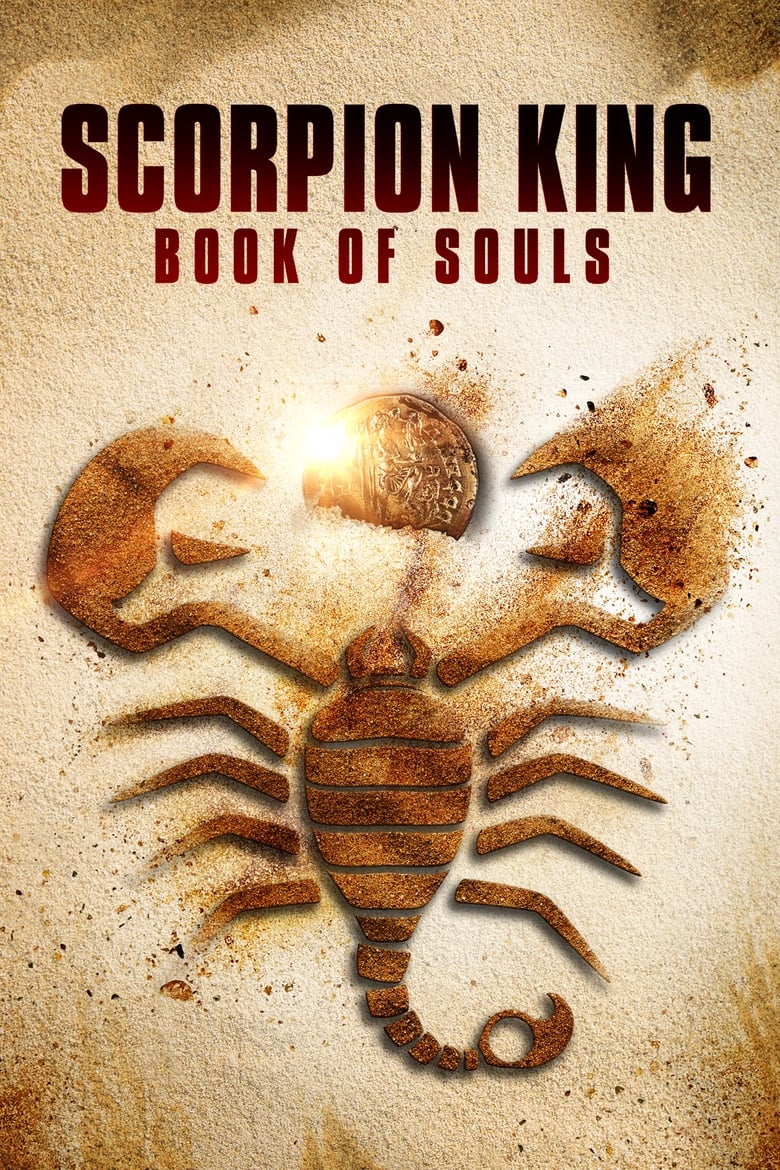

Mathayus lives quietly as a blacksmith after leaving his life as a fighter. A ruthless warlord named Nebserek uses a cursed sword to conquer lands and steal the souls of his victims. Tala, a Nubian warrior and princess, rescues Mathayus and asks him to help find the Book of Souls. The film follows their desert journey through battles, magic, monsters, and ancient kingdoms. The film gives Tala a major role as a skilled fighter, rescuer, leader, and future queen. Her role is important, but the story still centers on Mathayus becoming the Scorpion King again. The movie does not use modern political speeches or clear activist ideas. Its main themes are revenge, courage, loyalty, sacrifice, and the danger of seeking power.
Community feedback
Was our 19% Woke rating accurate?
Loading review details…
Breakdown
These are the editorial factors and ratings behind our score for Scorpion King: Book of Souls.
Woke representation / casting
Tala is a prominent Nubian warrior princess and a major fighter. The film also gives important roles to Black performers such as Pearl Thusi and Peter Mensah. These choices fit the story’s ancient African setting and are not clearly framed as a wider political statement. The score reflects mild representation emphasis without a clear diversity-first message.
12%
Woke political dialogue
Not present in this title.
0%
Identity-driven story themes
Tala is a skilled female warrior who rescues Mathayus and helps lead the quest. Tala later becomes Queen of Nubia, so female strength and leadership are visible parts of the story. Mathayus remains the central hero, and the film does not repeatedly argue that men or traditional roles are harmful. The theme is noticeable but limited.
24%
Western institutional / cultural critique
Not present in this title.
0%
Woke character or canon changes
Not relevant. Tala, Amina, and the other main characters are created for this film rather than being identity-based changes to an established character.
0%
Anti-woke backlash and complaints
One Rotten Tomatoes audience review complained that the casting did not match the historical setting and linked the problem to modern casting choices. The comment had no clear spread beyond that review. No major outlet, public figure, boycott, or review-bombing campaign connected the film to woke or DEI messaging.
6%
Creator track record context
The director and writers have little public activist history. Gillian Hawser has a documented career focus on diversity in casting, which gives limited supporting context. Sean Daniel has some liberal political history, but his career is mainly commercial genre work. The wider creative team does not show a strong identity-driven pattern.
12%
Production

Movie · 2017
Four teenagers in detention discover an old video game console with a game they’ve never heard of. When they decide to play, they are immediately sucked into the jungle world of…
Movie · 2001
Young hobbit Frodo Baggins, after inheriting a mysterious ring from his uncle Bilbo, must leave his home in order to keep it from falling into the hands of its evil creator.

Movie · 2022
A new adventure begins for Luffy and his crew when mysterious pop superstar Uta unveils her identity — and launches a misguided plan for world peace.
Movie · 2017
When Mahendra, the son of Bāhubali, learns about his heritage, he begins to look for answers. His story is juxtaposed with past events that unfolded in the Mahishmati Kingdom.
Movie · 2016
A common thief joins a mythical god on a quest through Egypt.
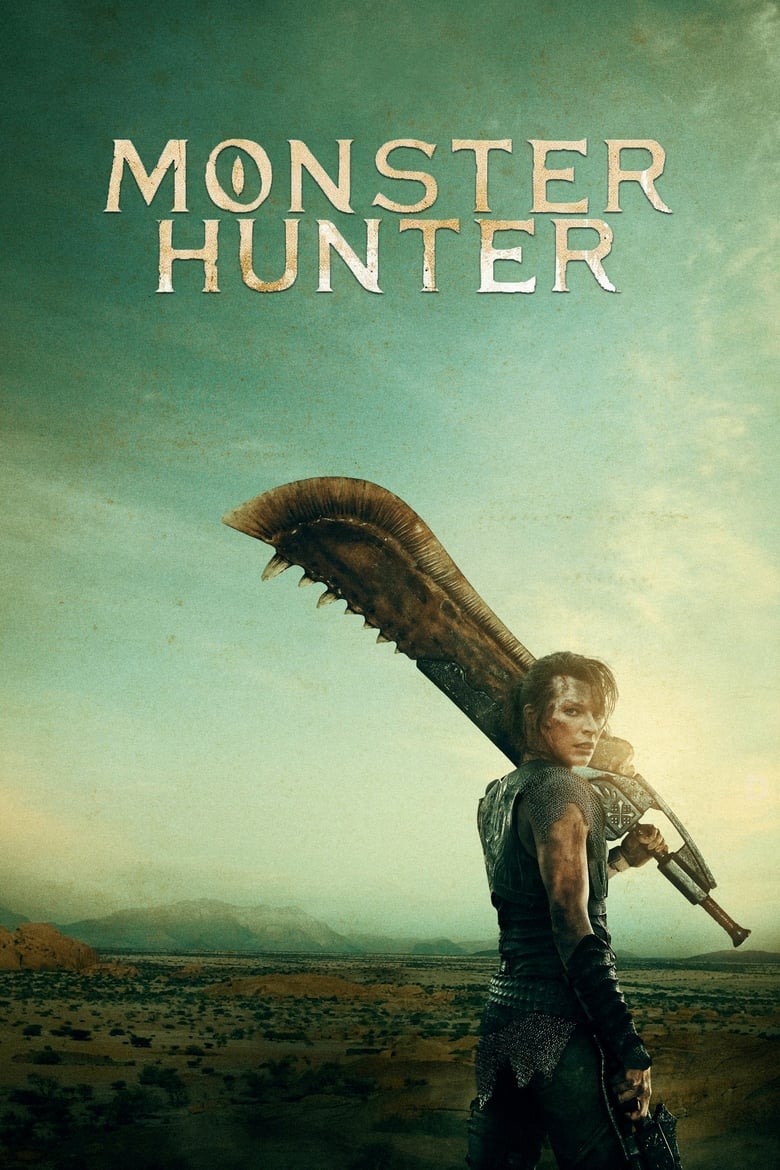
Movie · 2020
A portal transports Cpt. Artemis and an elite unit of soldiers to a strange world where powerful monsters rule with deadly ferocity.
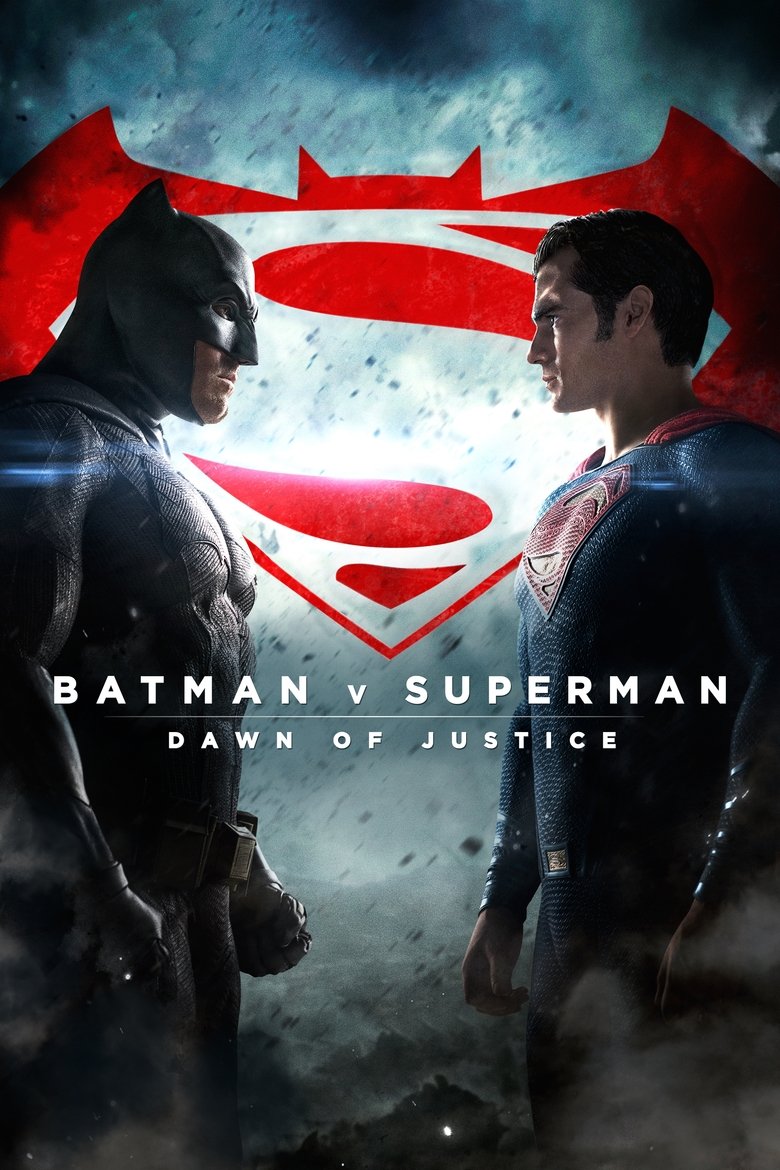
Movie · 2016
Fearing the actions of a god-like Super Hero left unchecked, Gotham City’s own formidable, forceful vigilante takes on Metropolis’s most revered, modern-day savior, while the…

Movie · 2018
Lara Croft, the fiercely independent daughter of a missing adventurer, must push herself beyond her limits when she finds herself on the island where her father disappeared.
