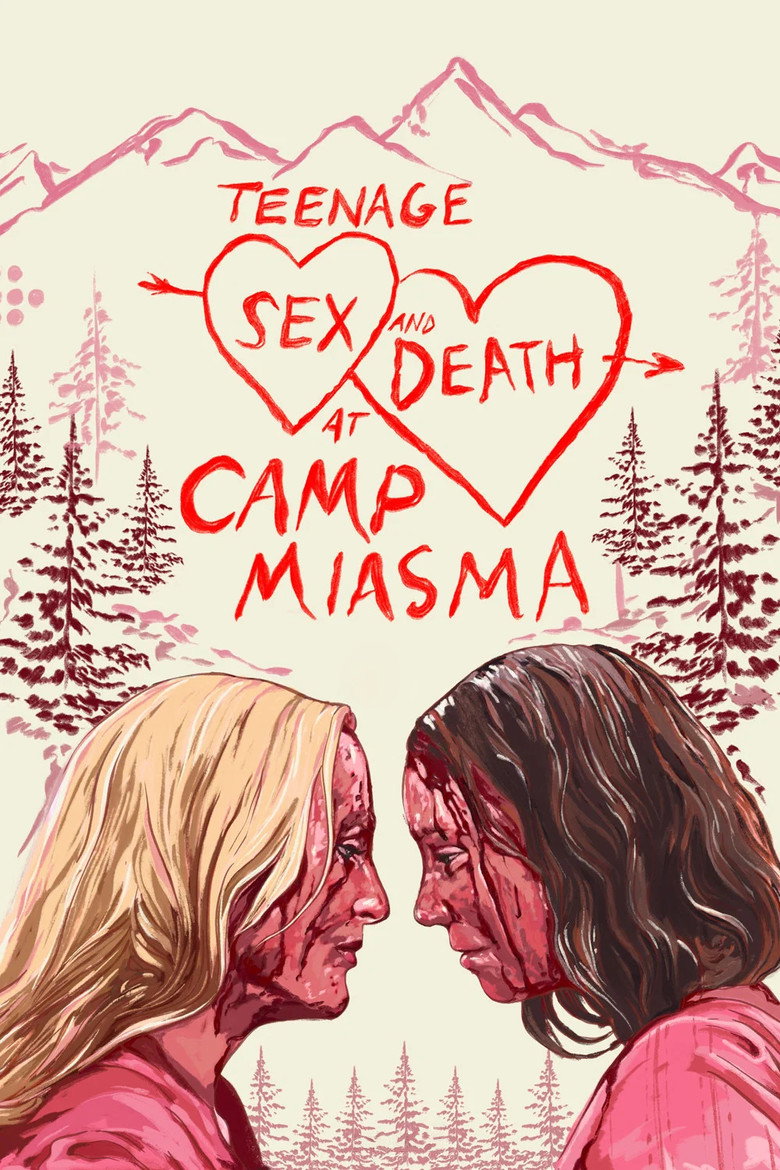

Kris is a young filmmaker hired to restart the failing Camp Miasma slasher series. She visits Billy, the older actress who played the first film’s final girl. Their meeting leads into a strange world of sex, fear, violence, and fantasy. The movie mixes horror, comedy, romance, and dreamlike scenes. Its tone is bloody, playful, intimate, and often bizarre. The movie makes queer identity and sexual self-discovery central to its story. Kris and Billy form a same-sex romantic bond, while the fictional killer Little Death is a trans character linked to the series’ old transphobic history. The film openly reworks sexist and anti-trans slasher ideas. It also questions Hollywood’s habit of recycling old stories while trying to make them fit newer values. These themes shape the main plot rather than appearing as brief side details.
Community feedback
Was our 90% Woke rating accurate?
Loading review details…
Breakdown
These are the editorial factors and ratings behind our score for Teenage Sex and Death at Camp Miasma.
Woke representation / casting
The movie centers a queer filmmaker and a same-sex relationship. The main cast and major story roles are strongly shaped by queer identity. The trans character Little Death also makes identity part of the horror franchise inside the movie. This is more than ordinary background representation because the identity focus drives the story and marketing.
65%
Woke political dialogue
The characters discuss sexist and transphobic ideas in older slasher movies. The film treats those ideas as harmful and outdated. The dialogue supports a modern identity-focused reading, but the movie is not built around speeches or political debate.
28%
Identity-driven story themes
Kris and Billy’s relationship is a central queer love story. Kris uses the horror franchise to explore desire, fear, and sexual self-discovery. Little Death connects the story to trans identity and the treatment of trans people in older horror. These themes shape the movie from beginning to end.
86%
Western institutional / cultural critique
The movie criticizes Hollywood’s habit of recycling old franchises. It also questions sexist horror traditions and the use of trans identity as a villain joke. The criticism is repeated and tied to the main story, but it is aimed more at entertainment culture than at Western society as a whole.
47%
Woke character or canon changes
The fictional Camp Miasma series is reworked around a trans version of its killer and a queer reading of its old final-girl story. The film directly revisits the franchise’s earlier gender and identity ideas. This is an important part of the story within the story.
38%
Anti-woke backlash and complaints
Some online viewers called the movie woke, preachy, or a bait-and-switch because of its queer romance and identity themes. The complaints appeared in scattered audience posts and review discussions. No major outlet, public official, boycott, or organized campaign was found.
18%
Creator track record context
Jane Schoenbrun has a strong public record of queer, trans, and identity-focused work. The stored creator summary places Schoenbrun at 87/100. Several producers also have links to diversity and social-issue cinema, but Schoenbrun is the main reason for the high score.
87%
Production

Movie · 2025
When twin brothers find a mysterious wind-up monkey, a series of outrageous deaths tear their family apart. Twenty-five years later, the monkey begins a new killing spree forcing…
Movie · 2025
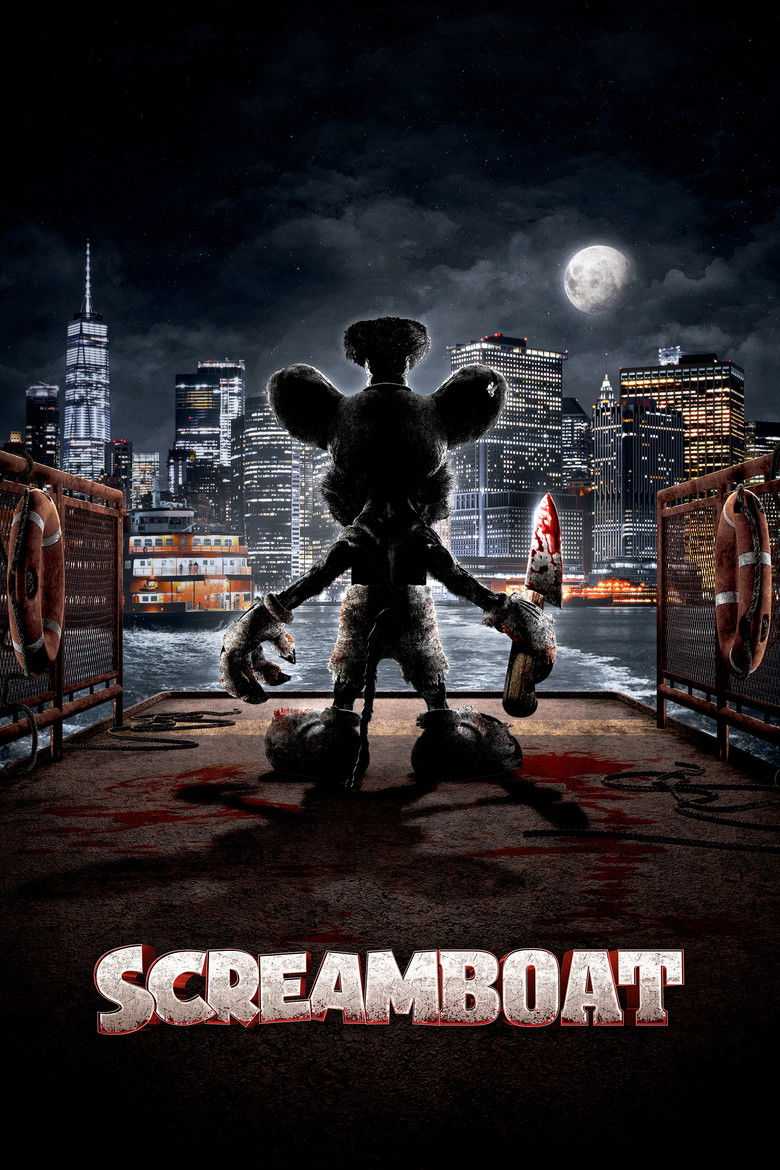
A late-night boat ride turns into a desperate fight for survival in New York City when a mischievous mouse becomes a monstrous reality.

Movie · 2023
After a disastrous first date, wild-child Nicole and socially-anxious Max vow to lose each other’s numbers until they learn that their dogs found a love match, and now puppies are…
Movie · 2026
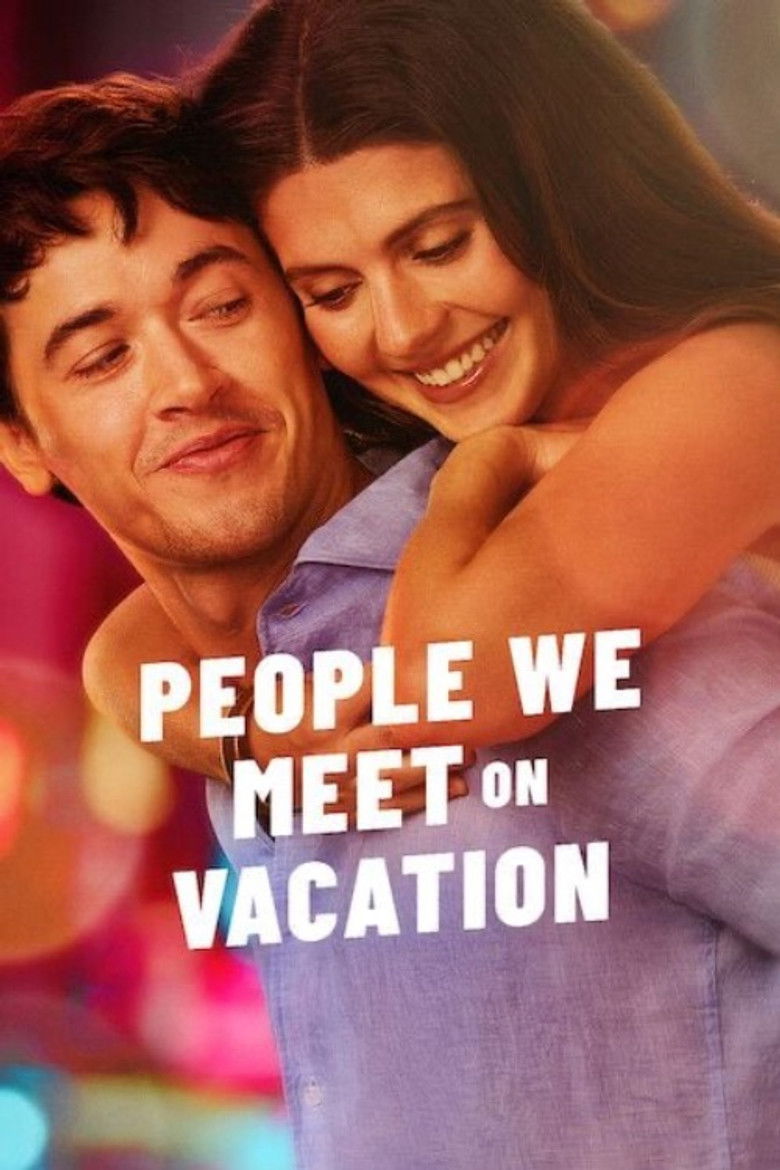
Poppy's a free spirit. Alex loves a plan. After years of summer vacations, these polar-opposite pals wonder if they could be a perfect romantic match.
Movie · 2026
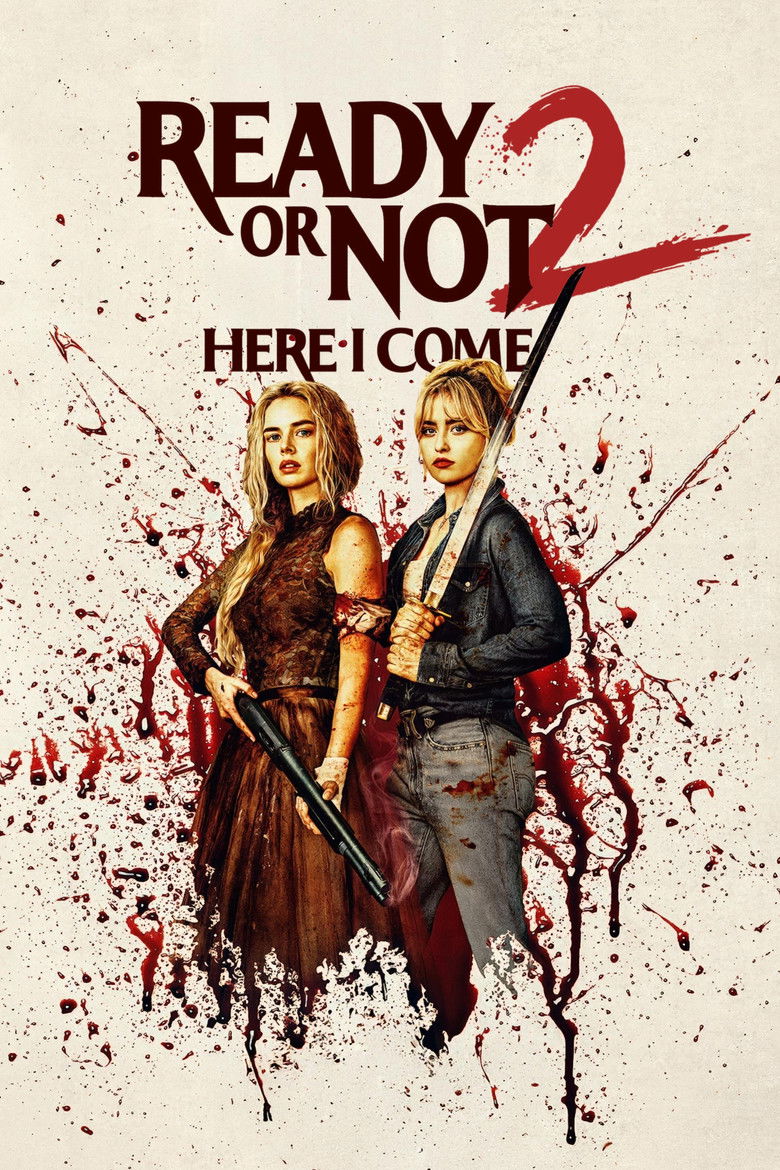
Moments after surviving an all-out attack from the Le Domas family, Grace discovers she’s reached the next level of the nightmarish game — and this time with her estranged sister…
Movie · 2026
A happily engaged couple is put to the test when an unexpected turn sends their wedding week off the rails.
Movie · 2019
Columbus, Tallahassee, Wichita, and Little Rock move to the American heartland as they face off against evolved zombies, fellow survivors, and the growing pains of the snarky…

Movie · 2025
A driven American exec heads to Paris determined to acquire a champagne brand by Christmas — and accidentally falls for the heir to the bubbly empire.
