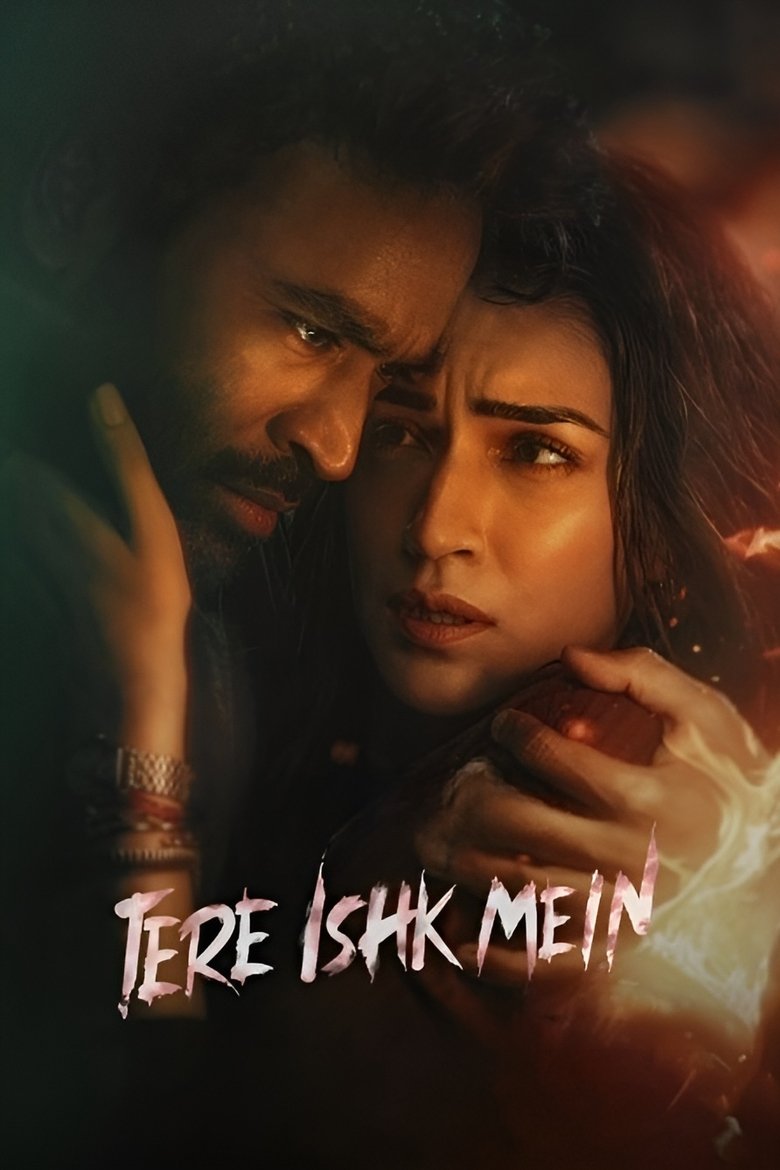

Tere Ishk Mein follows Shankar, a volatile young man whose anger damages his life and relationships. Mukti, a psychology student, tries to understand him and help him change. Their college romance grows into a painful story of obsession, betrayal, and loss. The film moves between college life, family conflict, military service, and wedding events in India. Its tone is intense, tragic, and highly emotional. The film gives some attention to female agency because Mukti studies psychology and makes major choices about her future. It also treats male anger, possessiveness, and violence as serious parts of the central relationship. These ideas recur through the romance, but the film does not present them as a clear activist message. Class differences and emotional damage shape the couple’s conflict. The main focus remains toxic love and personal tragedy.
Community feedback
Was our 28% Woke rating accurate?
Loading review details…
Breakdown
These are the editorial factors and ratings behind our score for Tere Ishk Mein.
Woke representation / casting
Not present. The main cast fits an Indian romance set in India. No clear diversity-first casting message or unusual identity pattern was found.
0%
Woke political dialogue
The film includes class-based ideas about rich families and working people. These points are limited and do not become a repeated activist speech. The dialogue mainly serves the romance and family conflict.
12%
Identity-driven story themes
Mukti’s psychology work makes female-led emotional repair part of the story. The film repeatedly shows Shankar’s anger, possessiveness, and violence as problems. The story still centers tragic romance rather than a clear identity-politics message.
27%
Western institutional / cultural critique
The film questions male entitlement and uncontrolled masculine anger through Shankar’s behavior. Mukti also has a career and makes important personal choices. The story does not strongly attack family, religion, or Western institutions.
15%
Woke character or canon changes
Not relevant. The film is described as a spiritual successor to Raanjhanaa, but it uses new characters and a separate story.
0%
Anti-woke backlash and complaints
One small X account called for a boycott over a scene involving feet and begging, saying it mocked Indian values. Another small account linked the film to criticism of Prakash Raj and threatened a boycott of Dhanush. Neither complaint gained visible support or wider coverage.
8%
Creator track record context
Aanand L. Rai and Himanshu Sharma have repeated themes about women, class, mental health, and social issues. Rai also made a same-sex romance through his production work. Mukesh Chhabra has a long record of widening access for newcomers, while the other creators show little activist history.
35%
Production
Movie · 2018
German artist Kurt Barnert has escaped East Germany and now lives in West Germany, but is tormented by his childhood under the Nazis and the GDR regime.

Movie · 2018
A man and a woman meet in the ruins of post-war Poland. With vastly different backgrounds and temperaments, they are fatally mismatched and yet drawn to each other.

Movie · 2016
Lou Clark, a directionless 26-year-old from the English countryside, takes a job at the local castle as a caregiver and companion to a wealthy young banker, Will Traynor.
Movie · 2017
In 1950s London, a renowned dressmaker's meticulous lifestyle begins drastically changing as his relationship with his young muse intensifies.

Movie · 2017
Nothing is as it seems in this riveting World War 2 thriller as a wary soldier goes to investigate a mysterious German monarch at his secluded mansion, leading him into a web of…
Movie · 2017
A brilliant but impulsive young surgeon spirals into self-destruction after a painful breakup, struggling to cope with love, loss, and the consequences of his own temper.
Movie · 2023
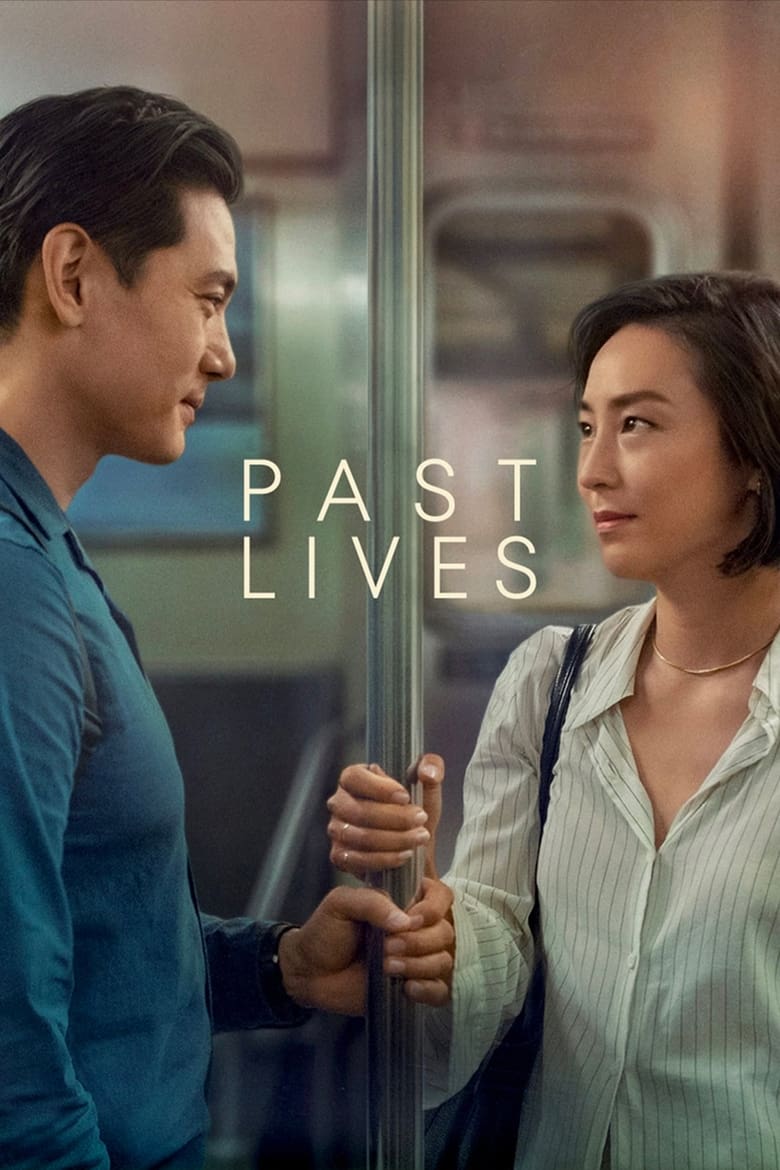
After decades apart, childhood friends Nora and Hae Sung are reunited in New York for one fateful weekend as they confront notions of destiny, love, and the choices that make a…

Movie · 2018
Katie, a 17-year-old, has been sheltered since childhood and confined to her house during the day by a rare disease that makes even the smallest amount of sunlight deadly.
