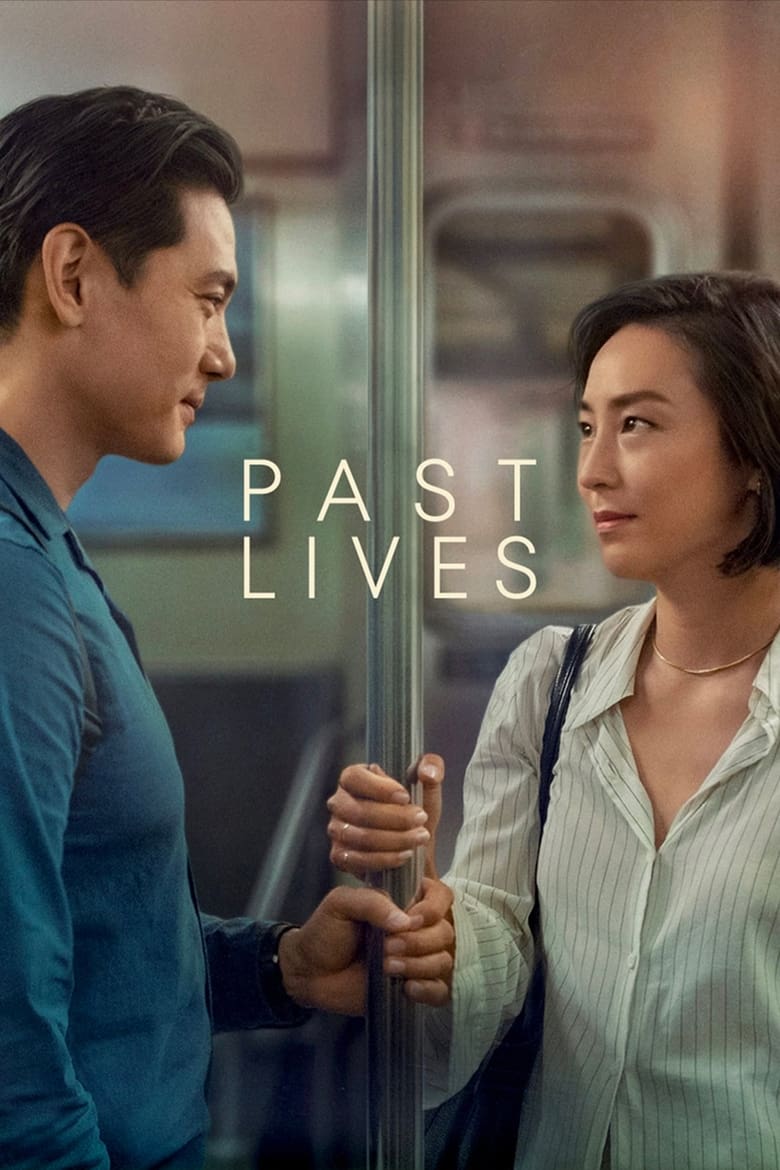

Nora leaves Seoul for Canada as a child and grows up with a new name and a life far from her first home. Years later, she lives in New York as a playwright and is married to Arthur, a fellow writer. Her childhood friend Hae Sung finds her online, then visits from Korea for a weekend. Their reunion makes the three of them face old feelings, the choices they made, and the lives they might have had. The movie has a quiet, gentle tone, and its ending stays bittersweet. Nora and Hae Sung speak Korean together and compare who they were as children with who they became after she moved away. Nora says she wants to commit to her life in New York, while the pair talk about their Korean roots, language, and the idea of in-yun. Arthur jokes that he is the “evil white American husband” and asks if Nora married him for a green card during a private talk about their love story. The story gives Korean immigrant life and a woman’s choices real weight. It follows private love, regret, and the lives Nora and Hae Sung chose.
Community feedback
Was our 16% Woke rating accurate?
Loading review details…
Breakdown
These are the editorial factors and ratings behind our score for Past Lives.
Woke representation / casting
Not present. Greta Lee and Teo Yoo play Korean characters whose story begins in Seoul, and Arthur is Nora’s husband in New York.
0%
Woke political dialogue
A few clear lines name race and papers: green-card talk and Arthur joking he is the “evil white American husband.” They sit inside marriage and jealousy talk. No long activist speeches about systems, DEI, or politics. Easy to hear if you listen; not the whole movie.
8%
Identity-driven story themes
Not present. Nora’s move and changing sense of home shape her past with Hae Sung, while the story follows their choices in love.
0%
Western institutional / cultural critique
Not present. Nora chooses a life in New York, and the film presents Arthur as a caring partner.
0%
Woke character or canon changes
Not present in this title.
0%
Anti-woke backlash and complaints
A Spanish-language X reply mocked Celine Song’s Korean and immigrant background as a “DEI quality certificate.” The reply appeared under a post about Korean cinema and drew almost no engagement. The complaint remained a fringe jab with very little reach.
3%
Creator track record context
Celine Song’s score is 62, based on her feminist and left-wing views and focus on Asian women and immigrant identity. Christine Vachon and Pamela Koffler score 69 and 62 for work that has backed queer and less-represented voices. Most other listed producers have lower scores or no noted woke history, leaving a mixed team context.
58%
Production

Movie · 2020
Young musician Zach Sobiech discovers his cancer has spread, leaving him just a few months to live. With limited time, he follows his dream and makes an album, unaware that it…

Movie · 2016
Lou Clark, a directionless 26-year-old from the English countryside, takes a job at the local castle as a caregiver and companion to a wealthy young banker, Will Traynor.

Movie · 2025
Based on a true story, two down-on-their-luck musicians form a joyous Neil Diamond tribute band, proving it's never too late to find love and follow your dreams.

Movie · 2025
Morgan Grant and her daughter Clara explore what's left behind after a devastating accident reveals a shocking betrayal and forces them to confront family secrets, redefine love…

Movie · 2016
A lighthouse keeper and his wife living off the coast of Western Australia raise a baby they rescue from an adrift rowboat.

Movie · 2016
Travis and Gabby first meet as neighbors in a small coastal town and wind up in a relationship that is tested by life's most defining events.

Movie · 2023
Hadley and Oliver begin falling in love on a flight from New York to London, but when they lose each other at customs, can they defy all odds to reunite?

Movie · 2018
Katie, a 17-year-old, has been sheltered since childhood and confined to her house during the day by a rare disease that makes even the smallest amount of sunlight deadly.
