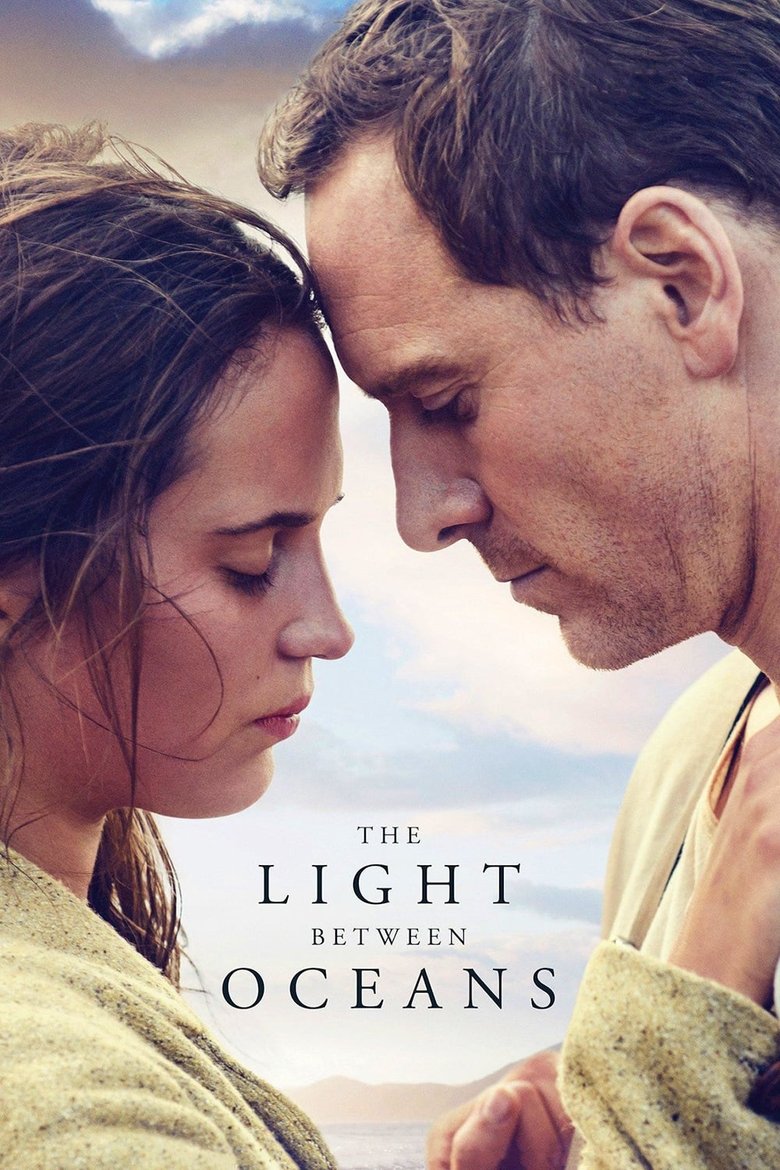

Tom Sherbourne is a former World War I soldier who becomes a lighthouse keeper on a lonely island near Western Australia. He marries Isabel, but their hope for a child turns into grief after several miscarriages. When a boat carries a dead man and a living baby to the island, the couple raises the baby as their own. The quiet romance becomes a serious story about guilt, loss, marriage, and forgiveness. The film does not focus on modern identity politics or activist ideas. Its main conflict comes from Isabel’s grief, Tom’s moral struggle, and the pain caused to the baby’s birth mother, Hannah. The story also shows anger toward a German family after the war, but this belongs to the historical setting. The film treats family, duty, parenthood, and personal responsibility as human problems rather than political messages.
Community feedback
Was our 2% Woke rating accurate?
Loading review details…
Breakdown
These are the editorial factors and ratings behind our score for The Light Between Oceans.
Woke representation / casting
Not present. The main cast fits the film’s early twentieth-century Australian setting. The film does not use a diversity-first casting pattern or present casting as an identity message.
0%
Woke political dialogue
Not present. The characters discuss war, marriage, grief, parenthood, guilt, and duty. The film contains no modern identity, DEI, or activist speeches.
0%
Identity-driven story themes
Not present. The story centers on loss, marriage, motherhood, moral responsibility, and forgiveness. The conflict does not depend on modern identity politics or activist ideas.
0%
Western institutional / cultural critique
Not present. The film shows hostility toward a German family after World War I, but that conflict belongs to the period setting. It does not attack modern Western institutions, family life, religion, or social rules.
0%
Woke character or canon changes
Not relevant. The film adapts M.L. Stedman’s novel without documented race, gender, sexuality, or identity changes to established characters or real historical figures.
0%
Anti-woke backlash and complaints
Not present. No documented anti-woke complaint was found in the searched news, review, social media, or audience material. Public criticism concerned pacing, melodrama, and the couple’s moral choices.
0%
Creator track record context
Derek Cianfrance and M.L. Stedman have little documented connection to woke activism. David Heyman has supported greater diversity in film crews, but that work does not shape this film’s story or message.
8%
Production
Movie · 2023
After decades apart, childhood friends Nora and Hae Sung are reunited in New York for one fateful weekend as they confront notions of destiny, love, and the choices that make a…
Movie · 2020
Young musician Zach Sobiech discovers his cancer has spread, leaving him just a few months to live. With limited time, he follows his dream and makes an album, unaware that it…

Movie · 2016
A boy growing up in Dublin during the 1980s escapes his strained family life by starting a band to impress the mysterious girl he likes.
Movie · 2025
Based on a true story, two down-on-their-luck musicians form a joyous Neil Diamond tribute band, proving it's never too late to find love and follow your dreams.
Movie · 2025
Morgan Grant and her daughter Clara explore what's left behind after a devastating accident reveals a shocking betrayal and forces them to confront family secrets, redefine love…

Movie · 2023
Set in 1889 France, Dodin Bouffant is a chef living with his personal cook and lover Eugénie. They share a long history of gastronomy and love but Eugénie refuses to marry Dodin…

Movie · 2025
Two artistic souls find harmony through music despite their contrasting worlds. As feelings deepen, age and circumstances challenge their undeniable bond.
Movie · 2016
In 1958, in the state of Virginia, the idea of interracial marriage was not only considered to be immoral to many, it was also illegal.
