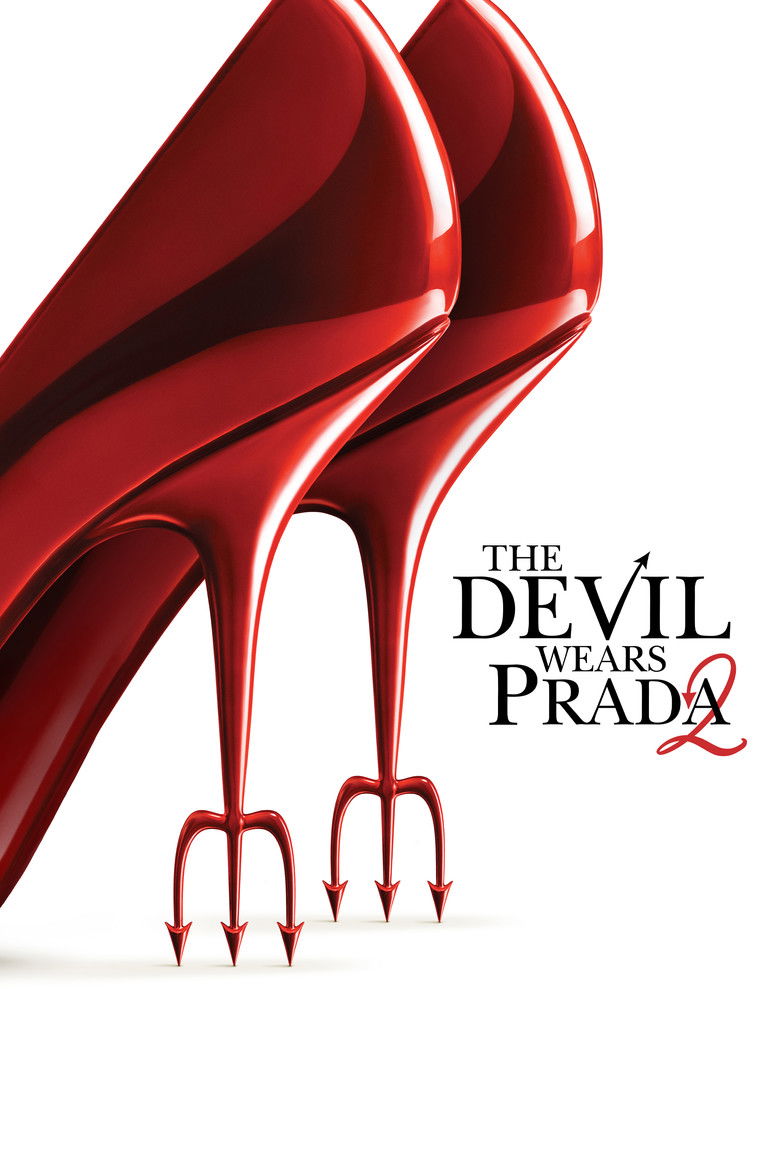

Andy Sachs returns to Runway as a skilled journalist after losing her job during newspaper cuts. Miranda Priestly still leads the magazine, but digital media and falling sales threaten her control. Emily Charlton now runs a luxury brand with money that Runway needs to survive. The story mixes sharp comedy, fashion glamour, workplace drama, and worries about modern media. The film gives several women the main power roles and treats their work goals as important. It adds a diverse group of young assistants and includes a body-inclusive fashion sequence. Characters joke about workplace rules, careful speech, and changing standards around body image. The story also criticizes large companies, digital media, artificial intelligence, and wealthy technology owners, but these ideas support the business plot rather than becoming a full political campaign.
Community feedback
Was our 53% Woke rating accurate?
Loading review details…
Breakdown
These are the editorial factors and ratings behind our score for The Devil Wears Prada 2.
Woke representation / casting
The film gives several prominent roles to women and adds a visibly diverse group of young fashion workers. The story also includes a wider range of body types in a fashion sequence after Anne Hathaway raised the issue with producers. The casting is partly presented as inclusion, not only as a normal New York workplace mix. The pattern is clear, but representation does not control the whole story.
44%
Woke political dialogue
The film includes jokes about workplace rules, careful speech, and what Miranda can say about bodies. The characters discuss being “body negative” and face pressure from HR and changing social standards. These lines appear more than once, but they support the workplace comedy instead of forming a major speech or campaign.
24%
Identity-driven story themes
The film centers on three powerful women who control major parts of the story. Emily moves from assistant to business leader, and a young female assistant becomes important to the plot. The story also gives attention to aging women, body inclusion, and women protecting work they value. These ideas recur across the story, but the main conflict remains Runway’s business crisis.
48%
Western institutional / cultural critique
The film criticizes digital media, layoffs, corporate control, artificial intelligence, and wealthy technology owners. Runway must fight companies that treat journalism as a product and readers as traffic. Miranda’s old power is checked by HR, sponsors, and new workplace rules. The criticism is a major modern business theme, but it is not mainly an attack on family, religion, or traditional social life.
43%
Woke character or canon changes
Not present in this title.
0%
Anti-woke backlash and complaints
A named culture-war critic called the sequel “Peak Woke,” and small accounts accused it of pushing DEI ideas. Other posts attacked Hathaway over the model casting story, but she said the claim was misinformation and that no one lost a job. A small video review also called the film too woke. The complaints received limited attention and did not become a broad campaign.
18%
Creator track record context
Aline Brosh McKenna has a moderate stored score and a clear record of feminist and diversity-focused industry work. Her title-specific comments support themes about women, body inclusion, and changing workplace rules. David Frankel and the other stored creators have low scores and no strong activist record. The overall creator signal is moderate because McKenna is the main writer.
29%
Production

Movie · 2022
The remarkable true story of how retiree Jerry Selbee discovers a mathematical loophole in the Massachusetts lottery and, with the help of his wife, Marge, wins $27 million…

Movie · 2025
Lily Trevino unexpectedly befriends an online stranger who shares her self-centered father’s name. This new Bob Trevino’s support could transform her life.
Movie · 2023
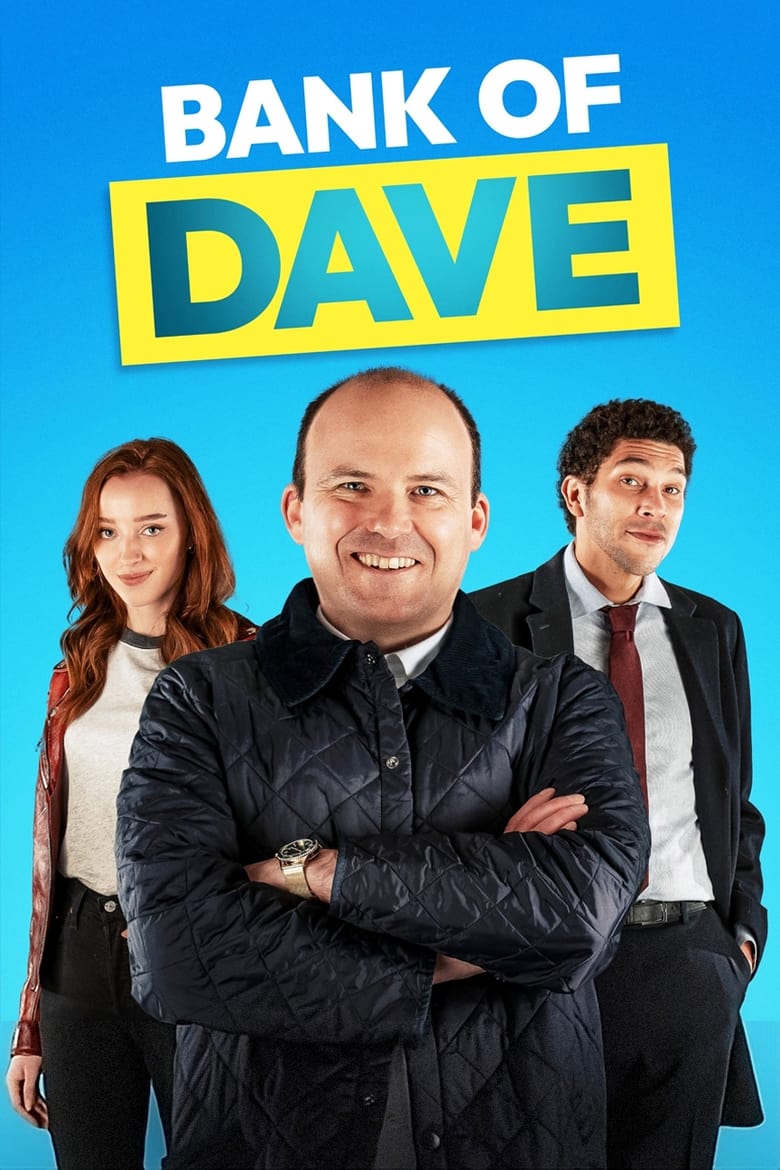
The true story of how Dave Fishwick, a working class man and self-made millionaire, fought to set up a community bank so that he could help the local businesses of Burnley not…
Movie · 2020
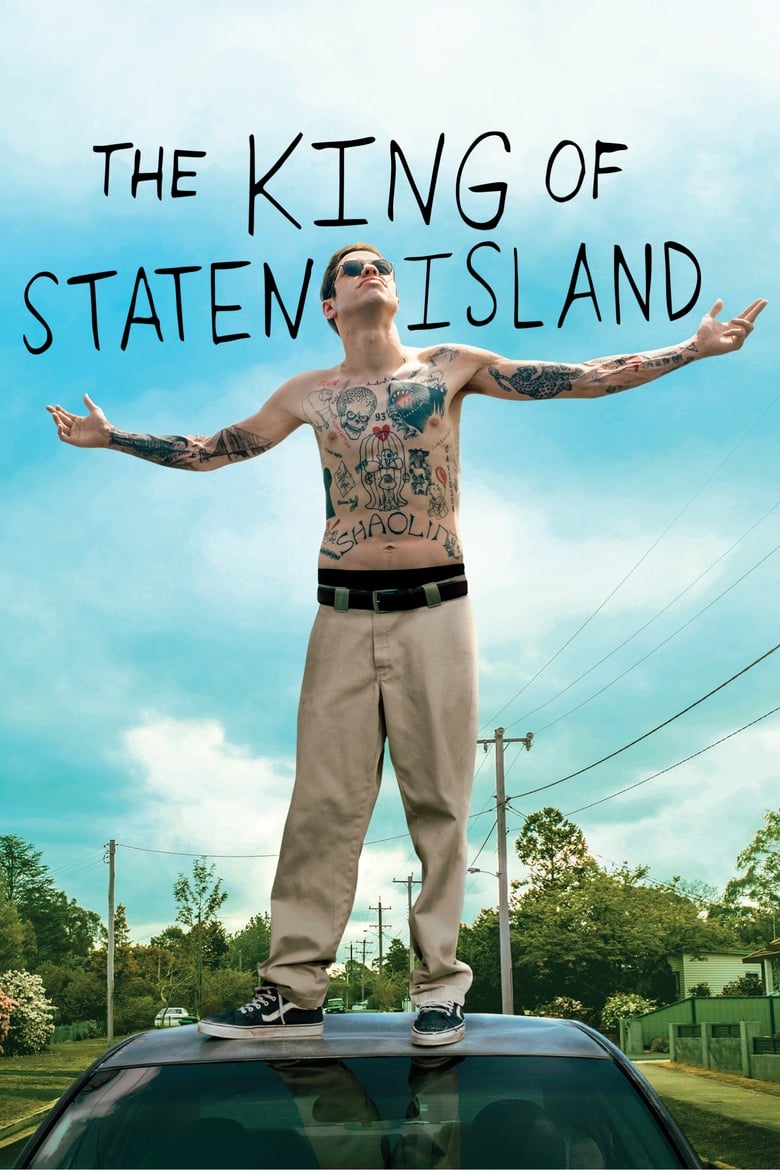
Scott has been a case of arrested development ever since his firefighter father died when he was seven. He's now reached his mid-20s having achieved little, chasing a dream of…

Movie · 2019
A young Scottish singer, Rose-Lynn Harlan, dreams of making it as a country artist in Nashville after being released from prison.
Movie · 2023
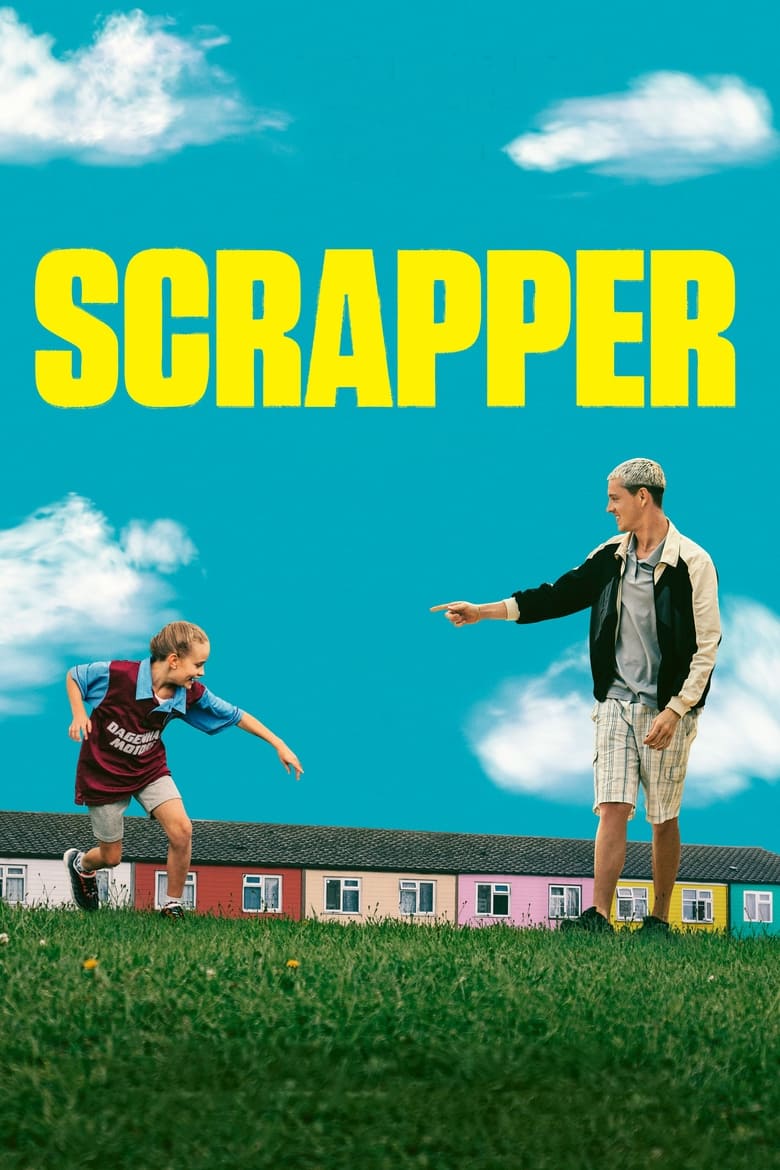
A resourceful 12-year-old, who secretly lives alone in her flat in a working-class suburb of London, makes money stealing bikes with her best friend Ali and keeps the social…
Movie · 2024
Pansy is a woman so full of rage that every interaction she has devolves into lashing out, whether at her utterly cowed husband and son, or random strangers who have the temerity…

Movie · 2024
When a construction worker unexpectedly joins a local theater's production of Romeo and Juliet alongside his estranged teenage daughter, the drama onstage starts to mirror his own…
