

Leda is a middle-aged professor taking a quiet holiday on a Greek island. She becomes focused on Nina, a young mother whose daughter loses a doll. The event brings back memories of Leda’s own difficult years as a young mother. The film feels slow, tense, sad, and strange. The film strongly questions the idea that every woman naturally enjoys motherhood. Leda calls children “a crushing responsibility,” and she remembers leaving her daughters as a time that felt freeing. The story gives serious attention to female anger, guilt, lost freedom, and the wish to have a life outside the family. These ideas drive nearly every part of the story, but the film does not focus on race, DEI, or party politics.
Community feedback
Was our 69% Woke rating accurate?
Loading review details…
Breakdown
These are the editorial factors and ratings behind our score for The Lost Daughter.
Woke representation / casting
Not present. The main cast fits the film’s European and American setting. No clear diversity-first casting pattern or public identity message about the cast was found.
0%
Woke political dialogue
Leda repeatedly speaks about the burden of motherhood and the pressure placed on women. She calls children “a crushing responsibility” and describes leaving her daughters as freeing. The dialogue focuses on gender roles and family life rather than race, DEI, or party politics.
55%
Identity-driven story themes
The film centers on women struggling with the demands of motherhood. Leda questions whether motherhood must define a woman’s whole life. The story gives major attention to female anger, guilt, career goals, lost freedom, and rejection of the perfect-mother image.
70%
Western institutional / cultural critique
The film questions the old belief that mothers should be selfless and naturally happy with constant childcare. Leda shows how family pressure can limit a woman’s work and personal life. The film does not attack Christianity, capitalism, or Western society as a whole.
45%
Woke character or canon changes
Not relevant. The film changes the book’s setting and some national details, but those changes serve the adaptation. No established character is given a woke race, gender, sexuality, or hero-role rewrite.
0%
Anti-woke backlash and complaints
A small online discussion described the film as “woke” because it presents motherhood as exhausting and questions traditional family expectations. The claim had little reach and was not supported by a major outlet, public figure, boycott, or review-bombing campaign. X searches found no matching anti-woke complaints.
5%
Creator track record context
Maggie Gyllenhaal and Elena Ferrante have repeated feminist themes about women’s freedom, motherhood, and social limits. Gyllenhaal discussed showing feelings about parenting that people are often told to hide. Olivia Colman has a clear LGBTQ+ ally record, while the other stored producers show mixed or limited activist evidence.
62%
Production
Movie · 2025
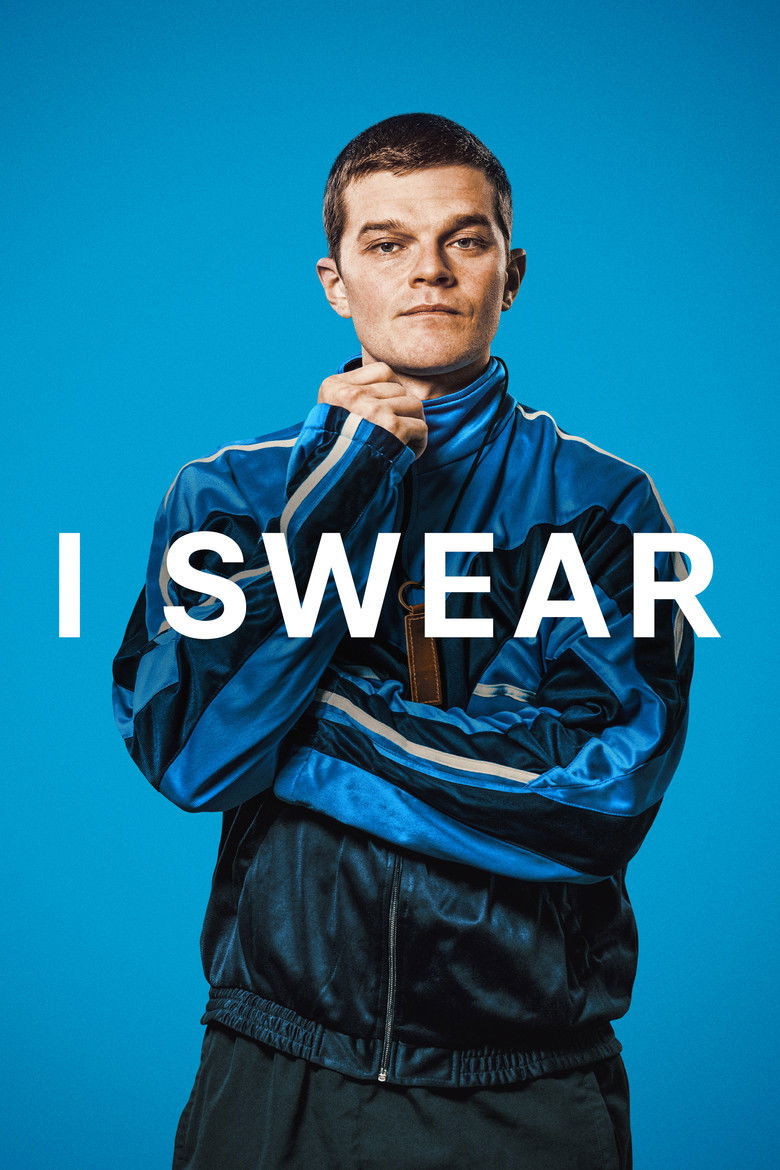
Diagnosed with Tourette Syndrome at 15, John Davidson navigates his way against the odds through troubled teenage years and into adulthood, finding inspiration in the kindness of…

Movie · 2023
The story of J. Robert Oppenheimer's role in the development of the atomic bomb during World War II.

Movie · 2022
The story of the great Indian rocket scientist, Shri Nambi Narayanan's life, a true patriot, who was turned into a villain in the blink of an eye after being falsely accused of…

Movie · 2016
WWII American Army Medic Desmond T. Doss, who served during the Battle of Okinawa, refuses to kill people and becomes the first Conscientious Objector in American history to…

Movie · 2023
The true story of the inseparable Von Erich brothers, who made history in the intensely competitive world of professional wrestling in the early 1980s.
Movie · 2019
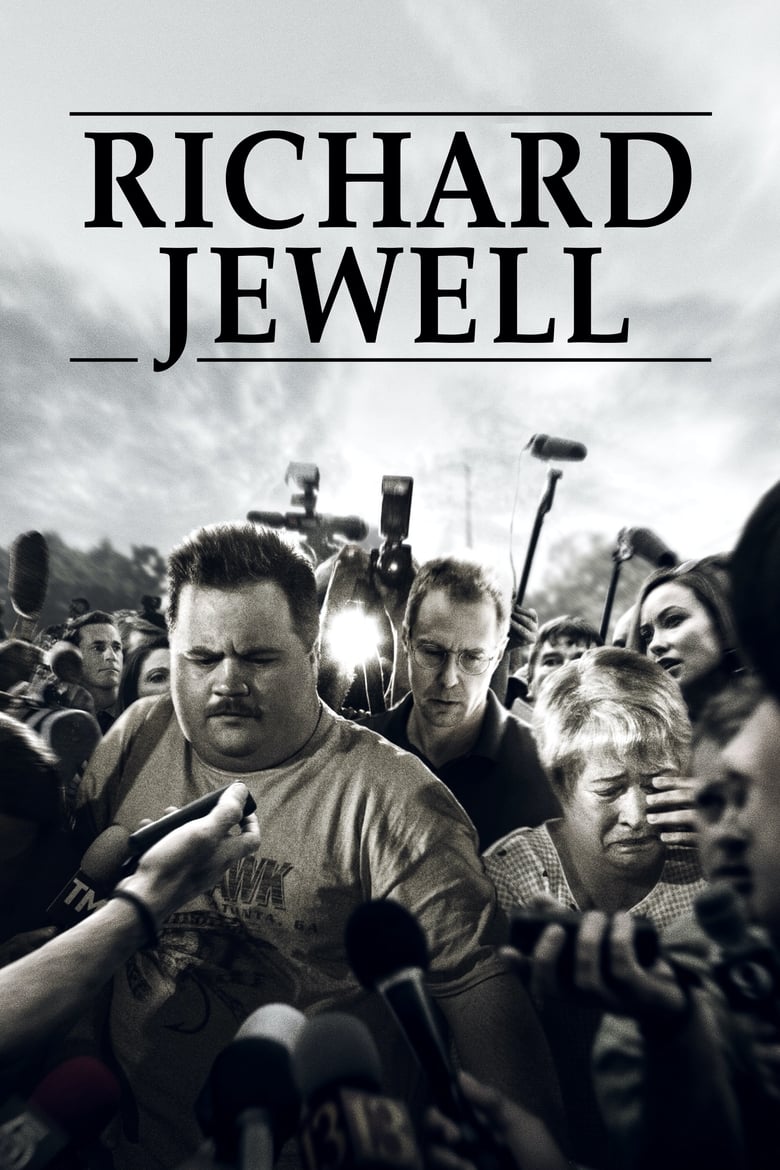
Richard Jewell thinks quick, works fast, and saves hundreds, perhaps thousands, of lives after a domestic terrorist plants several pipe bombs and they explode during a concert…
Movie · 2020
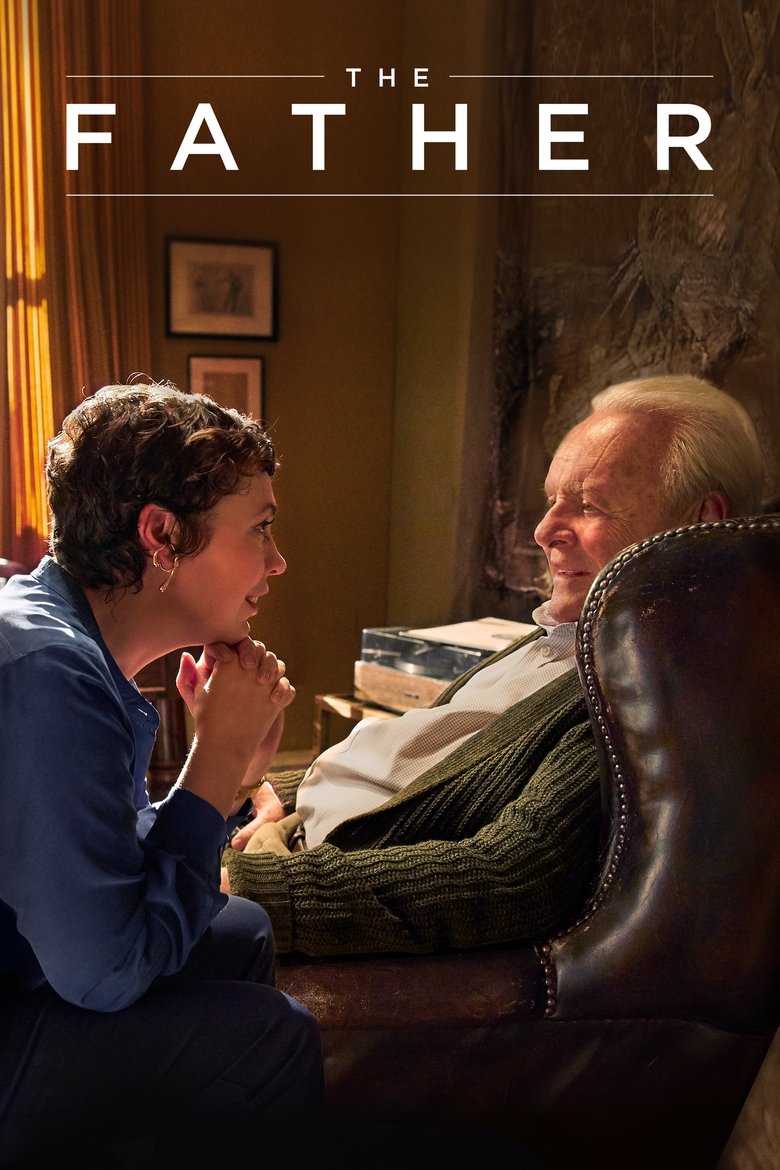
A man refuses all assistance from his daughter as he ages and, as he tries to make sense of his changing circumstances, he begins to doubt his loved ones, his own mind and even…

Movie · 2022
London, 1953. Mr. Williams, a veteran civil servant, is an important cog within the city's bureaucracy as it struggles to rebuild in the aftermath of World War II.
