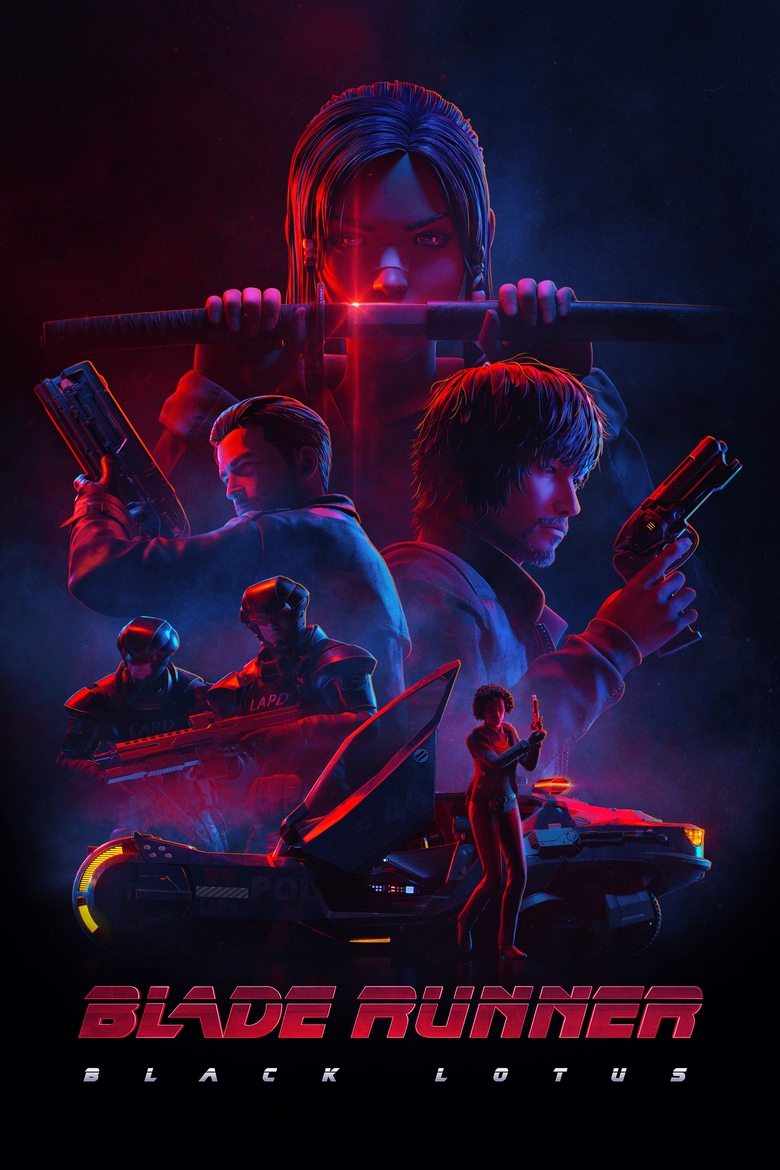

2021–2022 · Based on 1 season, 13 episodes through February 6, 2022 ·
Elle wakes in Los Angeles in 2032 with no memory, a black lotus tattoo, and a locked device. She soon learns that she is a powerful replicant made by Wallace Corporation. Elle hunts the people who hurt her while police and other replicants close in. The show has a dark, violent, cyberpunk tone with mystery, revenge, and questions about memory and free will. The show places a young woman at the center of nearly every major action scene. Elle is usually the strongest fighter, while many male characters are cruel, corrupt, weak, or dependent on her help. The story also shows women facing disbelief and punishment inside the police system. Its main social message concerns the abuse and ownership of replicants, but that idea comes from the wider Blade Runner story rather than modern party politics.
Community feedback
Was our 42% Woke rating accurate?
Loading review details…
Breakdown
These are the editorial factors and ratings behind our score for Blade Runner: Black Lotus.
Woke representation / casting
Elle is a female action lead who carries nearly every major fight. Officer Davis is also a skilled police officer with an important role. The show uses a mixed Los Angeles cast, but the city is already multicultural and the setting makes that normal. The score mainly reflects the repeated use of women as major fighters and decision-makers.
34%
Woke political dialogue
The characters rarely use modern identity or activist language. The show has short lines about replicant rights, human worth, and police abuse. Those lines support the science-fiction conflict but do not form a repeated political campaign.
8%
Identity-driven story themes
Elle repeatedly fights after male leaders treat her as property and erase her memories. Officer Davis is doubted when she challenges her department. The story often makes women central and capable while presenting several men as abusers, fools, or corrupt bosses. The main identity conflict still concerns replicants and artificial memory, not modern human identity groups.
38%
Western institutional / cultural critique
Wallace Corporation treats living beings as products and uses power without care. The police department hides facts and punishes Davis for challenging its view. The show presents these institutions as corrupt, but its attack is mainly a standard dystopian story about corporations, police power, and abuse.
28%
Woke character or canon changes
Not present in this title.
0%
Anti-woke backlash and complaints
Not present. No clear anti-woke complaint was found in the reviewed news, reviews, or public audience discussions. The visible debate centered on story quality, pacing, animation, and its place in the Blade Runner timeline.
0%
Creator track record context
Eugene Son has a documented representation-first writing history involving a gender-swapped classic character. Brandon Auman has publicly supported LGBTQ+ and diversity representation. Alex de Campi has a repeated feminist and queer-representation pattern. The other main creators have lower or mixed stored scores.
47%
Production
TV Show · 2023
After the party of heroes defeated the Demon King, they restored peace to the land and returned to lives of solitude.
TV Show · 2024
Mysteriously transformed into mini versions of themselves, Goku and his friends travel to the Demon Realm to uncover the truth and find a cure.
TV Show · 2024
They say whatever doesn’t kill you makes you stronger, but that’s not the case for the world’s weakest hunter Sung Jinwoo.
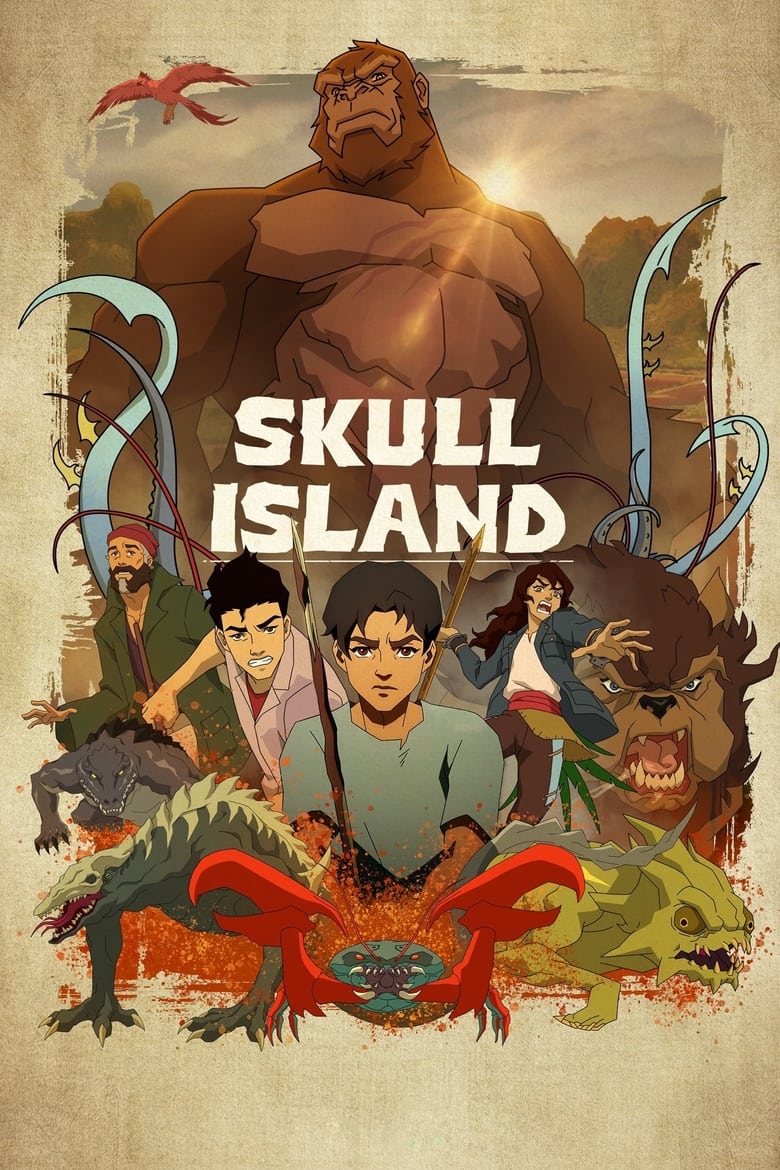
TV Show · 2023
Shipwrecked in the South Pacific, a group of explorers encounter a menagerie of fearsome creatures — including the giant ape who rules the island: Kong.
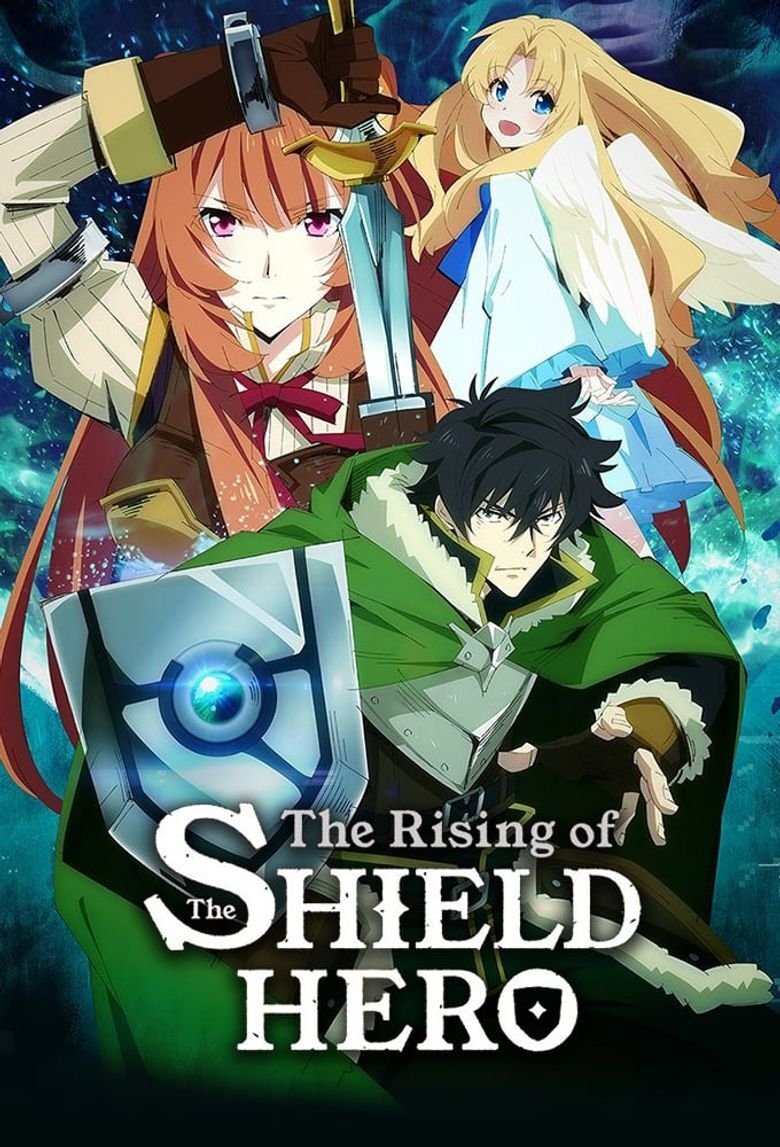
TV Show · 2019
Iwatani Naofumi, a run-of-the-mill otaku, finds a book in the library that summons him to another world. He is tasked with joining the sword, spear, and bow as one of the Four…
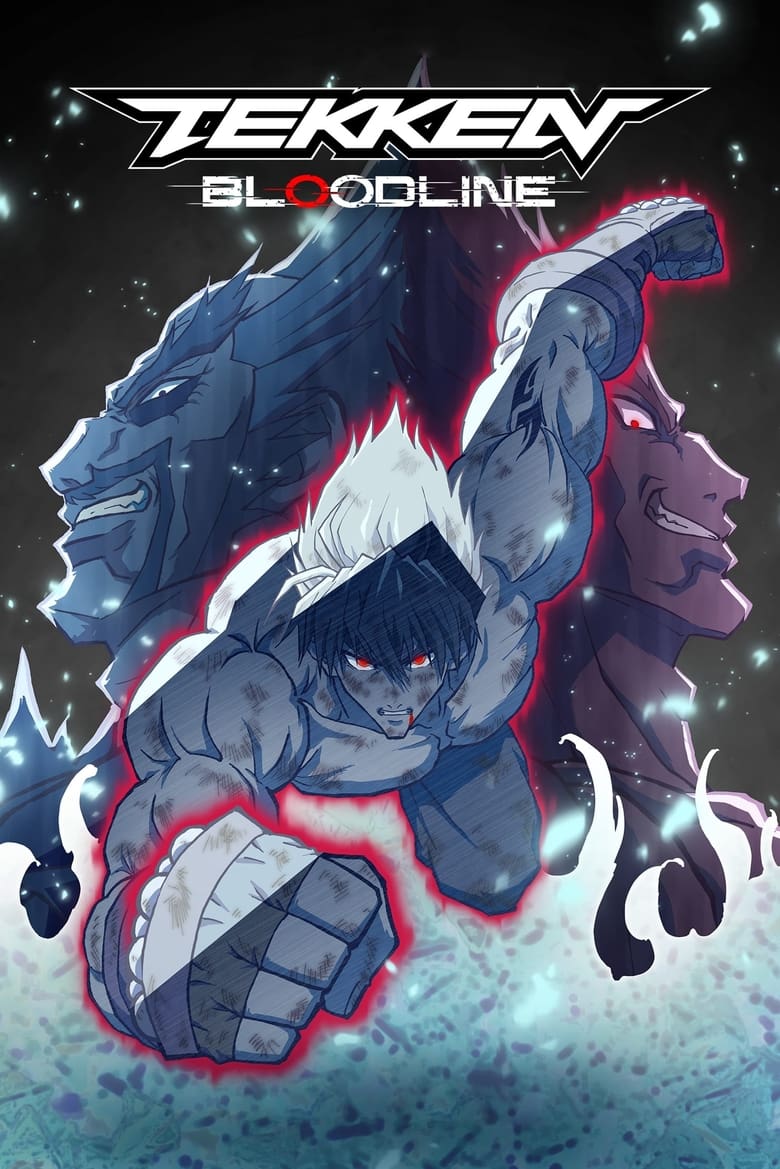
TV Show · 2022
After losing his home to a powerful enemy, a hot-tempered fighter trains under his zealous grandfather while awaiting his chance for revenge.
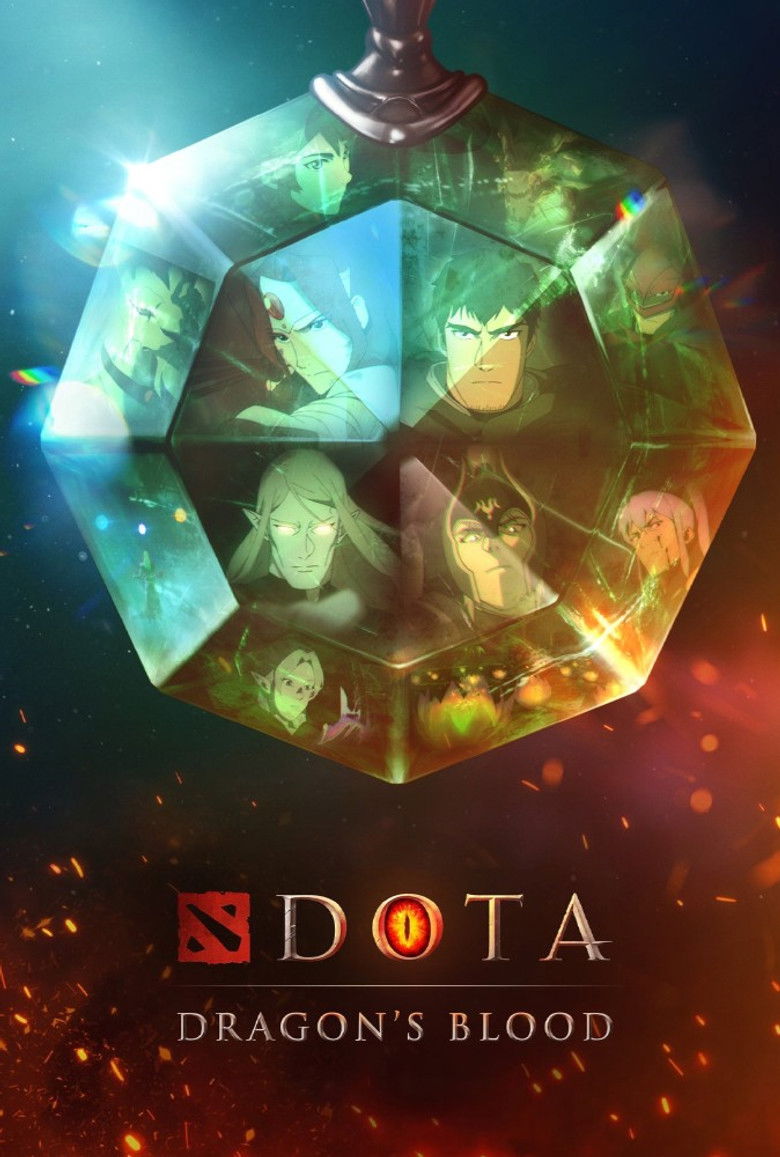
TV Show · 2021
After encounters with a dragon and a princess on her own mission, a Dragon Knight becomes embroiled in events larger than he could have ever imagined.

TV Show · 2016
After a traffic accident, Kazuma Sato’s disappointingly brief life was supposed to be over, but he wakes up to see a beautiful girl before him.
