
2020– · Based on 4 seasons through February 26, 2026 ·
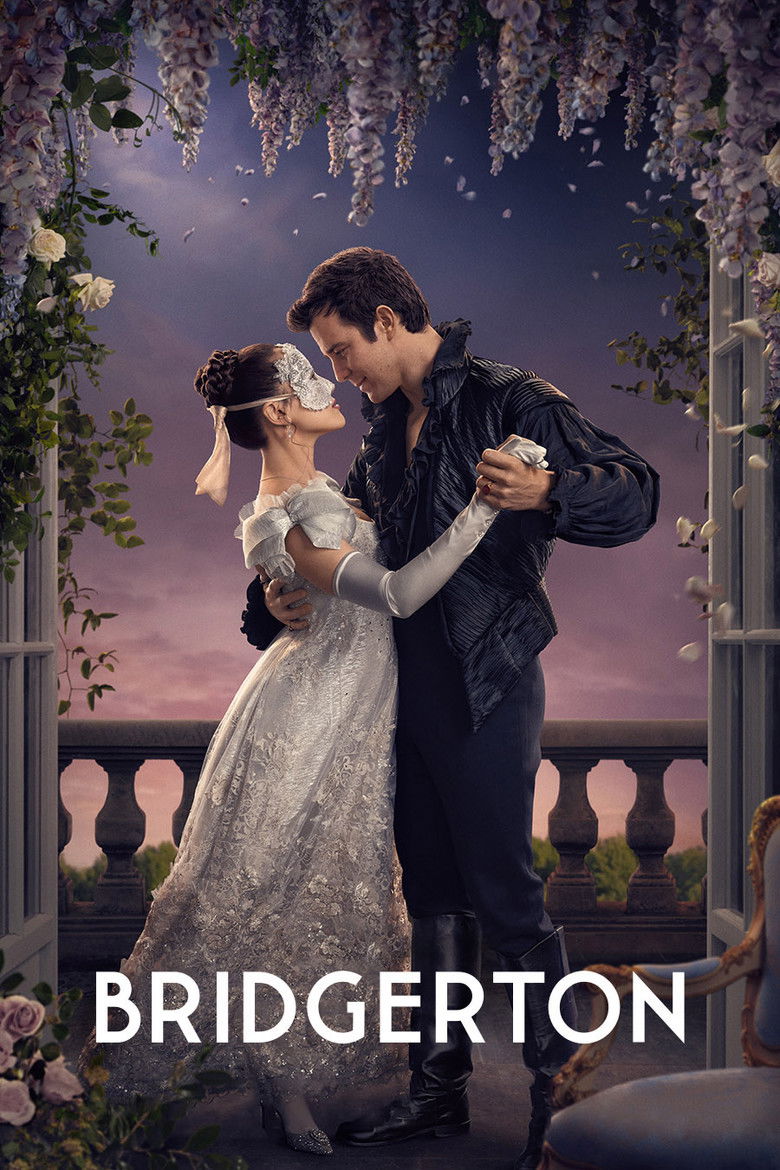
Bridgerton follows the wealthy Bridgerton family during Regency-era London. Each season follows a different sibling as they search for love, marriage, and social status. Lady Whistledown watches the upper class and exposes its secrets through gossip. The show mixes romance, family drama, sex, comedy, bright costumes, and modern songs played by classical musicians. The show makes diversity a major part of its world by placing Black, Asian, and mixed-race actors in prominent noble roles. Women often challenge marriage rules, male power, and the limits placed on them by society. Later seasons add Benedict’s pansexual identity and Francesca’s developing attraction to Michaela, a gender-swapped character from the books. Class conflict, female independence, and queer relationships become more important as the series continues.
Community feedback
Was our 94% Woke rating accurate?
Loading review details…
Breakdown
These are the editorial factors and ratings behind our score for Bridgerton.
Woke representation / casting
Bridgerton repeatedly places Black, Asian, and mixed-race actors in major noble roles. The show includes a black queen, a black duke, Indian leads, and a Korean female lead in Season 4. The creators have openly described the casting as a diverse reworking of Regency society. The pattern is prominent across all four seasons.
86%
Woke political dialogue
Eloise often speaks against the patriarchy and the limits placed on women. Characters describe marriage as a system that controls women’s money, bodies, and choices. Other women question social rules and accepted sexual behavior. The dialogue usually stays within the period story instead of naming modern political movements.
48%
Identity-driven story themes
The show gives repeated focus to female independence, sexual choice, and resistance to traditional marriage roles. Benedict explores attraction to men and women and joins a sexual relationship with a man and a woman. Francesca’s story develops toward a romance with Michaela, making queer identity important to the later seasons. These themes are major parts of the continuing story.
74%
Western institutional / cultural critique
The show presents the marriage market as unfair and strongly controlled by men. Women face pressure to marry, have children, and protect family status. Season 4 also focuses on the gap between wealthy families and servants. The criticism is usually built into the period setting, but it often supports modern views about gender and class.
55%
Woke character or canon changes
The series changes the race and background of several major book characters. The Sharmas replace the book’s original white family, and Sophie becomes Sophie Baek in Season 4. Benedict becomes openly pansexual, which is not part of his book story. Most notably, Michael Stirling becomes Michaela Stirling, changing Francesca’s planned romance from heterosexual to lesbian.
95%
Anti-woke backlash and complaints
Critics and viewers have complained that the show uses “woke casting” and ignores Regency history. The Michaela change caused a petition and strong complaints from book fans who said the series was pushing a queer agenda. The dispute reached major entertainment coverage and spread across fan spaces. The reaction was serious but remained mixed rather than becoming a broad boycott.
72%
Creator track record context
Shonda Rhimes has a clear record of supporting diverse casts and strong female leads. Kelly Valentine Hendry is linked to diversity-focused casting work. Chris Van Dusen has described representation as part of the show’s design. Other stored creators have weaker or unclear political records, keeping the overall context moderate.
57%
Production
TV Show · 2022
This sweeping saga chronicles the hopes and dreams of a Korean immigrant family across four generations as they leave their homeland in an indomitable quest to survive and thrive.

TV Show · 2024
Fascinated by cars since childhood, Brazilian racer Ayrton Senna became a sports legend — until tragedy struck, changing Formula 1 forever.
TV Show · 2024
In Japan in the year 1600, at the dawn of a century-defining civil war, Lord Yoshii Toranaga is fighting for his life as his enemies on the Council of Regents unite against him…

TV Show · 2016
In 1977 New York City, the talented and soulful youth of the South Bronx chase dreams and breakneck beats to transform music history.
TV Show · 2019
The true story of one of the worst man-made catastrophes in history: the catastrophic nuclear accident at Chernobyl.
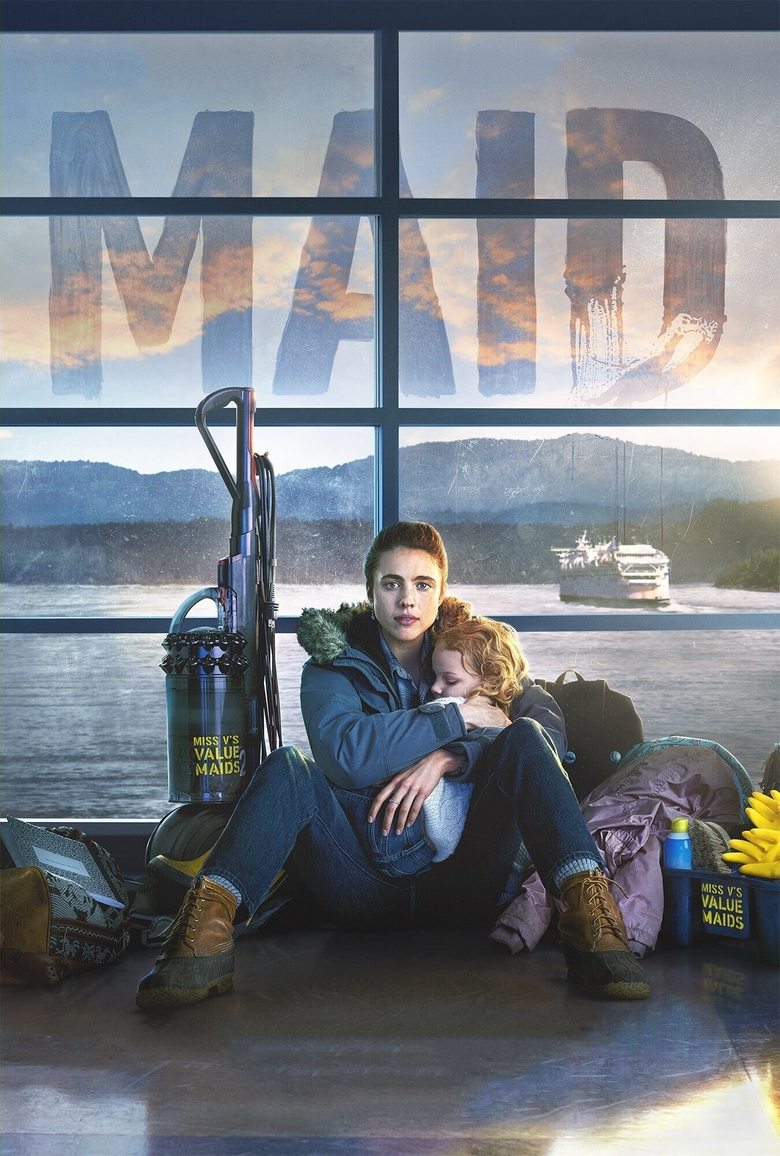
TV Show · 2021
After fleeing an abusive relationship, a young mother finds a job cleaning houses as she fights to provide for her child and build them a better future.
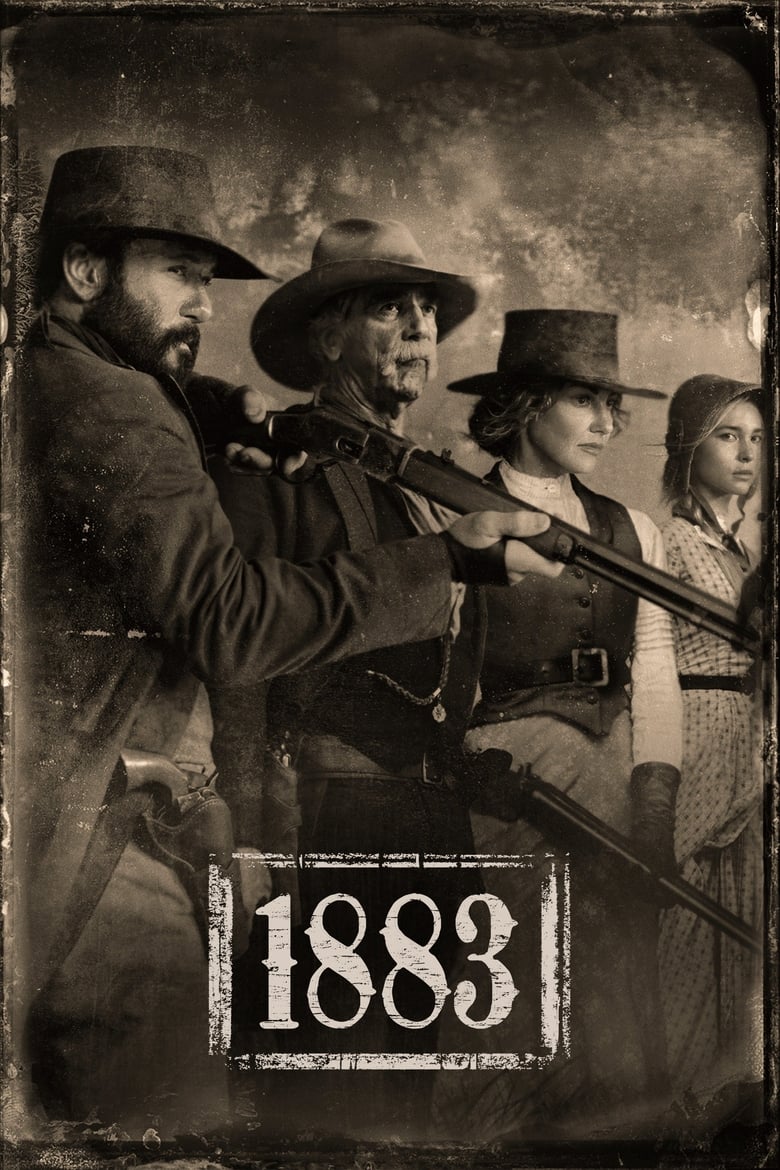
TV Show · 2021
Follow the Dutton family as they embark on a journey west through the Great Plains toward the last bastion of untamed America.
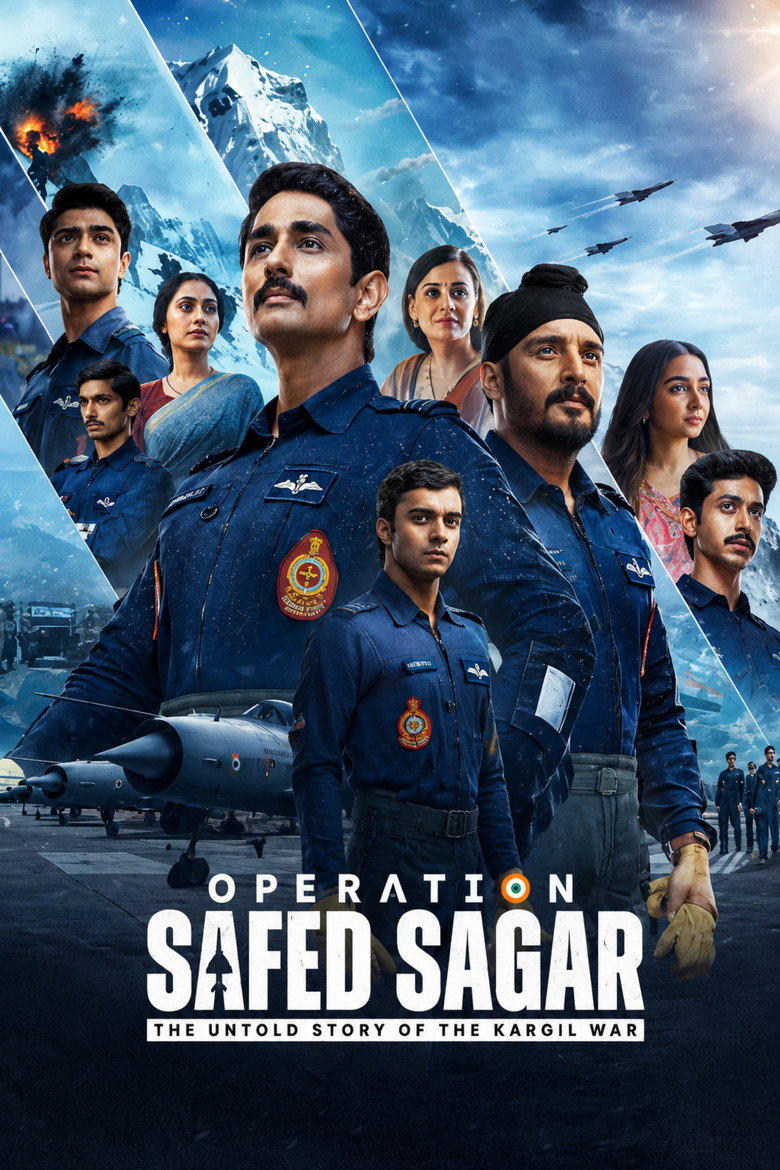
TV Show · 2026
As the Kargil War erupts between India and Pakistan, the Golden Arrows squadron of the Air Force takes flight on a dangerous mission behind enemy lines.
