
2024–2026 · Based on 2 seasons through July 1, 2026 ·
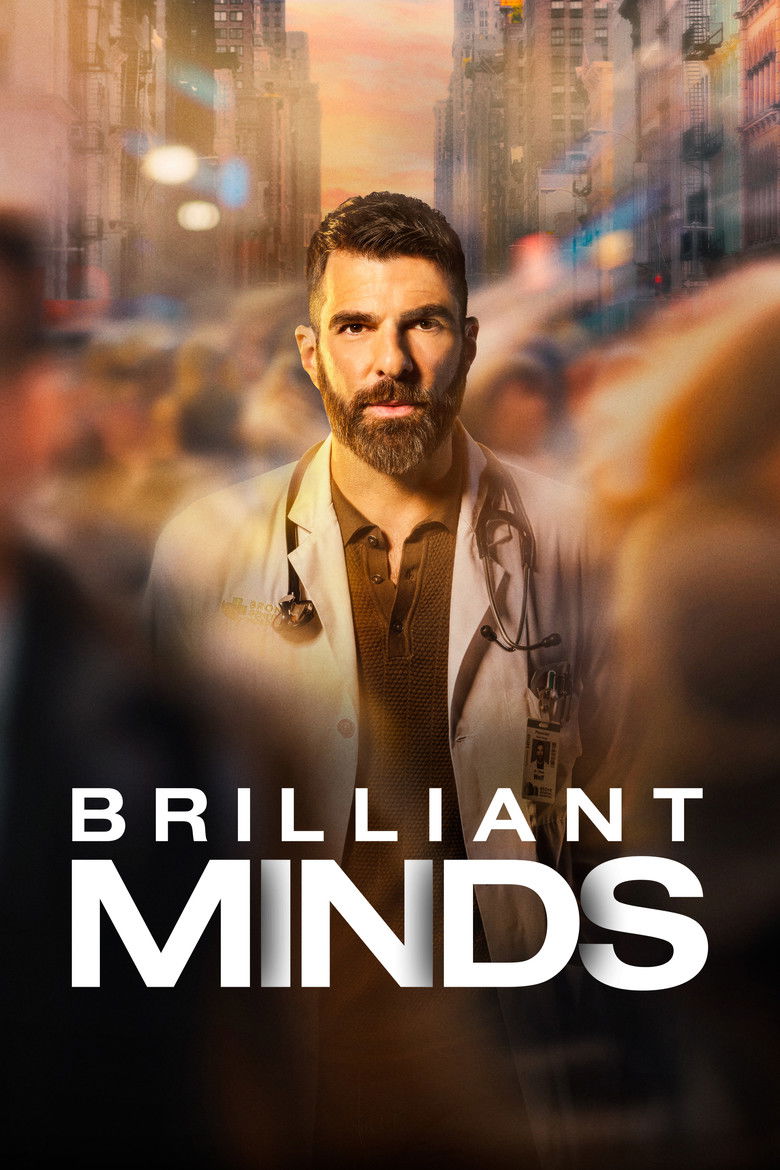
Brilliant Minds follows Dr. Oliver Wolf, a gifted neurologist with face blindness who works in a Bronx hospital. Wolf studies rare brain conditions while guiding a team of young doctors. The medical cases involve trauma, memory, mental illness, disability, family pain, and patient dignity. The show also follows Wolf’s romance with Josh and his personal struggles. The show makes Wolf an openly gay lead and gives his relationships a major role across both seasons. Several episodes focus on gay patients, queer history, anti-gay beliefs, and the harm caused by unfair treatment. The story also supports neurodiversity and questions the idea that one standard should define normal behavior. Race, disability, mental health, and social exclusion appear in recurring stories, so these themes matter greatly even though they remain part of the medical drama.
Community feedback
Was our 89% Woke rating accurate?
Loading review details…
Breakdown
These are the editorial factors and ratings behind our score for Brilliant Minds.
Woke representation / casting
The show places an openly gay man in the lead doctor role. The regular team also has a visibly mixed racial and gender cast. The casting fits a modern Bronx hospital, but the lead and several recurring characters make identity part of the show’s public face. The marketing and interviews clearly present the gay lead as a major representation choice.
55%
Woke political dialogue
The characters regularly discuss bias, mental health stigma, queer identity, and different ways of thinking. Wolf says that no single normal way exists to experience the world. Several cases also use direct lines about anti-gay beliefs and unfair treatment. The dialogue supports these ideas, but it usually stays inside the medical stories.
43%
Identity-driven story themes
The show makes Wolf’s gay identity and romance a continuing story line across both seasons. The interns and patients also face stories about disability, neurodiversity, mental illness, race, and social exclusion. Season 1 includes a gay refugee from Chechnya, while Season 2 gives more time to Wolf’s past and relationship with Josh. These themes are central and easy to notice.
86%
Western institutional / cultural critique
The show criticizes medical systems that dismiss patients or treat them as problems. Several stories question stigma, family control, unfair treatment, and older ideas about sexuality. The show also presents anti-gay beliefs and rigid ideas about normal behavior as harmful. The criticism is recurring but usually stays tied to patient care rather than broad attacks on Western society.
39%
Woke character or canon changes
The series changes the real Oliver Sacks into a present-day character who is openly gay and has active romantic relationships. Public interviews explain that the creators did not want a closeted hero. This change focuses on identity and differs from Sacks’s later-life public image. The show is inspired by him rather than being a strict biography.
48%
Anti-woke backlash and complaints
Several X accounts called the show woke because of its gay romance, gay regular characters, neurodiversity themes, and racial bias messages. One culture war account reached about 23,000 views, while other complaints came from smaller accounts. A boycott call received almost no attention. No major outlet, public official, or organized campaign amplified the complaints.
38%
Creator track record context
Michael Grassi has a strong record of centering queer characters and is the show’s creator. Zachary Quinto is an openly gay LGBTQ+ advocate who leads and produces the series. Greg Berlanti and several other key producers and directors have strong records of inclusive or queer focused work. Other crew members have ordinary or unclear public records, which lowers the score from the highest range.
66%
Production
TV Show · 2024
The powerful real-life story of Lali Sokolov, a Jewish prisoner who was tasked with tattooing ID numbers on prisoners' arms in the Auschwitz-Birkenau concentration camp during…
TV Show · 2022
Oscar-winning producer Al Ruddy’s never before revealed experiences of making the iconic 1972 film The Godfather that Francis Ford Coppola directed and adapted with Mario Puzo.
TV Show · 2019
The true story of one of the worst man-made catastrophes in history: the catastrophic nuclear accident at Chernobyl.
TV Show · 2016
The love story of young Countess Natasha Rostova and Count Pierre Bezukhov is interwoven with the Great Patriotic War of 1812 against Napoleon's invading army.

TV Show · 2024
Fascinated by cars since childhood, Brazilian racer Ayrton Senna became a sports legend — until tragedy struck, changing Formula 1 forever.
TV Show · 2021
Follow the Dutton family as they embark on a journey west through the Great Plains toward the last bastion of untamed America.
TV Show · 2024
Set in the proverbial boomtowns of West-Texas and a modern-day tale of fortune-seeking in the world of oil rigs, the series is an upstairs/downstairs story of roughnecks and…
TV Show · 2025
Tells the story of the ascent of the biblical figure, David, who becomes the most celebrated king of Israel. The series follows the once-mighty King Saul as he falls victim to his…
