

2025 · Based on 1 season, 9 episodes through September 18, 2025 ·
Chief of War follows Kaʻiana, a Hawaiian warrior caught in wars between island kingdoms in the late 1700s. A ruthless king tricks him into attacking innocent people, and his escape takes him far from home. Kaʻiana returns with foreign weapons and joins Kamehameha to face rival chiefs and the danger from Western ships. The show mixes bloody battles, family ties, rivalries, and beliefs about the gods. The story links Hawaiian survival to the harm caused by Western expansion. Kaʻiana describes white outsiders as people who steal from the land, while Kupuohi fears that their ways will spread like a sickness. Women fight beside men and help guide the rulers, and Kaʻahumanu gains a seat on Kamehameha's council. The later episodes reward the women for helping stubborn male leaders work together, while Heke joins the final battle after learning to fight. Prince Kūpule also has a male lover, Lima, whose advice becomes part of the struggle over his father's rule.
Community feedback
Was our 61% Woke rating accurate?
Loading review details…
Breakdown
These are the editorial factors and ratings behind our score for Chief of War.
Woke representation / casting
Buchanan presents the Polynesian lead roles as a step beyond the small supporting parts usually offered to these actors. Te Ao o Hinepehinga frames Kupuohi as representation for Indigenous women and the wider Polynesian community. These statements promote the casting as a broader representation goal. The score reflects that public identity framing around major roles.
25%
Woke political dialogue
Kamehameha says women see what his male chiefs cannot in episode 6. Kaʻahumanu says men fear being wrong more than death in episode 8. These lines push a gender-based message about women correcting male pride. The dialogue supports the women’s growing influence over the rulers.
21%
Identity-driven story themes
Kupuohi takes the roles of fighter, protector, and adviser across the season. Kaʻahumanu helps guide the male leaders and gains a formal council seat in the finale. The story endorses women taking power and correcting stubborn male judgment. Heke learns to fight and joins the final battle. Kūpule’s relationship with Lima adds a recurring male-male subplot to the palace struggle.
48%
Western institutional / cultural critique
Kaʻiana describes white outsiders as people who steal from the land and leave others hungry in episode 5. Kupuohi warns that Western ways will spread like a sickness in episode 7. The British attack gives that warning a major place in the later story. Sibbett links these scenes to present-day Hawaiian trauma and lasting cultural harm. The critique presents Western expansion and cultural influence as threats to Indigenous life.
55%
Woke character or canon changes
Not relevant. The series is based on real historical figures from Hawaiian history. There are no woke, gender-swapped, or identity-driven changes made to these real-life people in the story.
0%
Anti-woke backlash and complaints
Viewers on X called the male-male content forced LGBT messaging and labeled the show woke. Reddit commenters objected to gay sexual content and female warriors. A finale discussion included complaints about girlboss scenes. A viewer on a review site also rejected the show over gay characters. These complaints reached several online spaces through scattered posts and comments.
32%
Creator track record context
Sibbett’s stored context emphasizes Indigenous storytelling, colonization, and sovereignty. Jung’s stored context includes support for openly gay characters and inclusion. Laprete and Keaulana promote native Hawaiian and Pacific Islander representation. Mendoza’s stored context centers Indigenous stories and cultural accuracy. These records support a moderate representation-focused creator context.
49%
Production
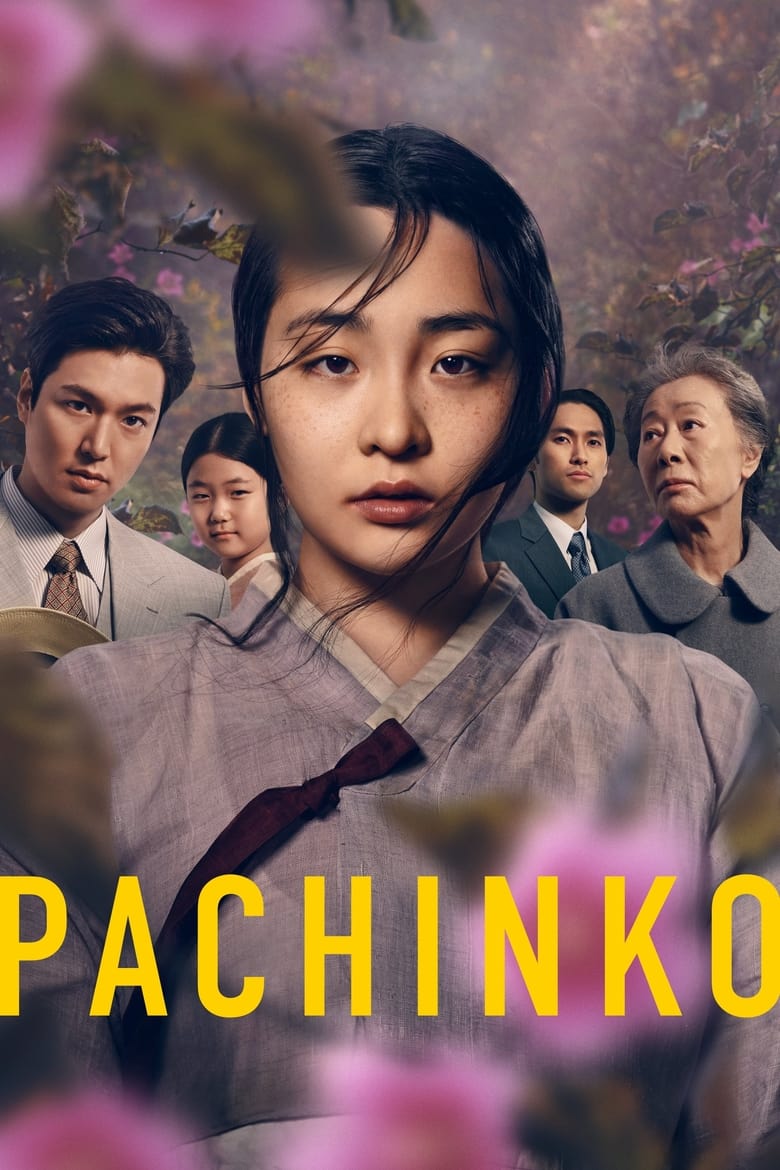
TV Show · 2022
This sweeping saga chronicles the hopes and dreams of a Korean immigrant family across four generations as they leave their homeland in an indomitable quest to survive and thrive.
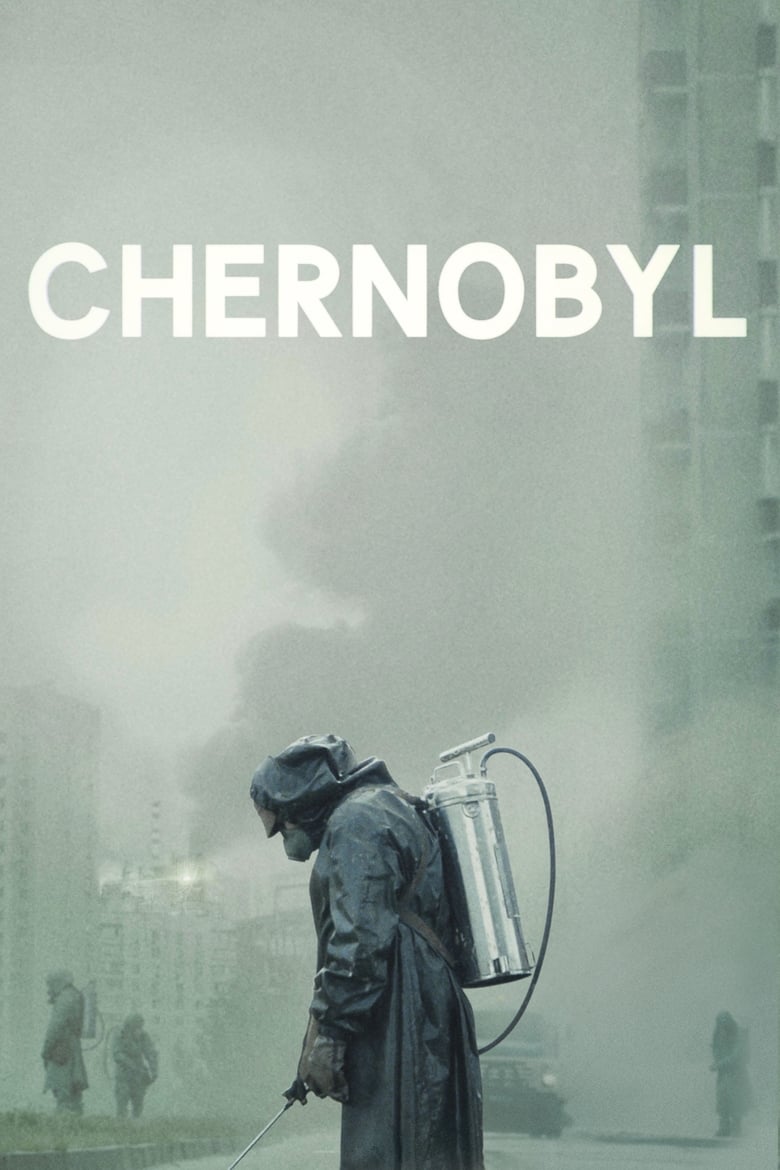
TV Show · 2019
The true story of one of the worst man-made catastrophes in history: the catastrophic nuclear accident at Chernobyl.
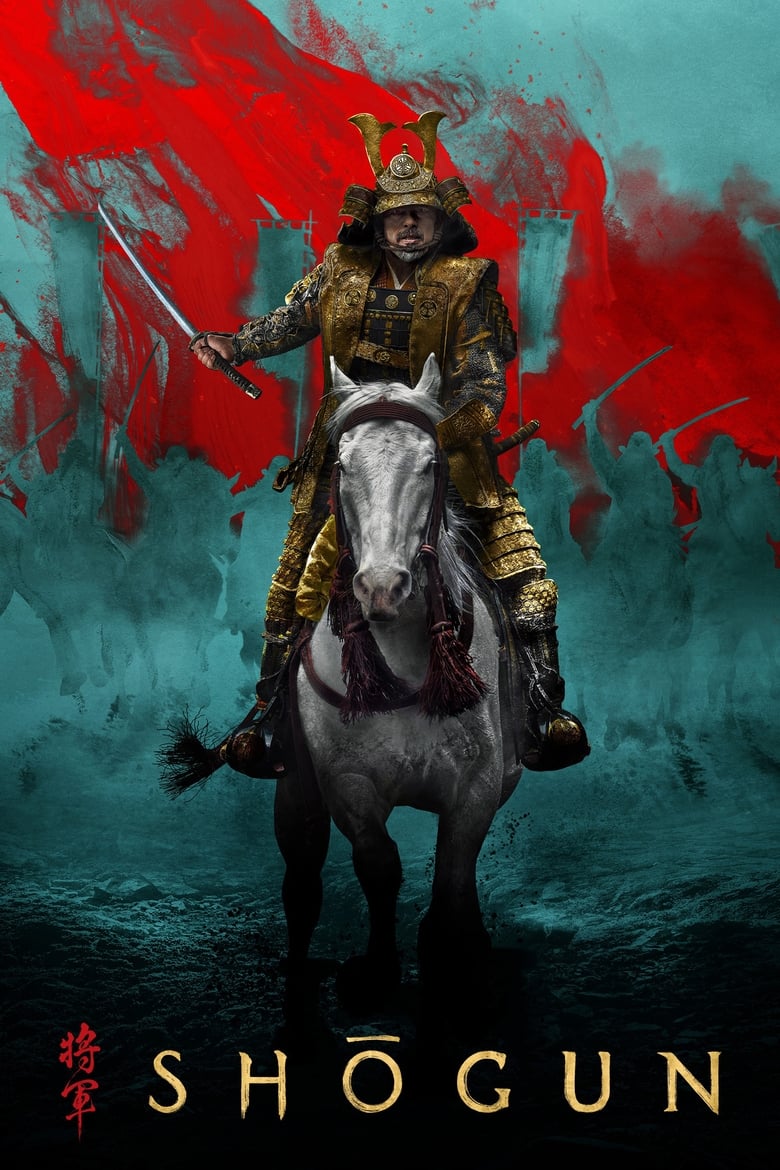
TV Show · 2024
In Japan in the year 1600, at the dawn of a century-defining civil war, Lord Yoshii Toranaga is fighting for his life as his enemies on the Council of Regents unite against him…

TV Show · 2021
After fleeing an abusive relationship, a young mother finds a job cleaning houses as she fights to provide for her child and build them a better future.
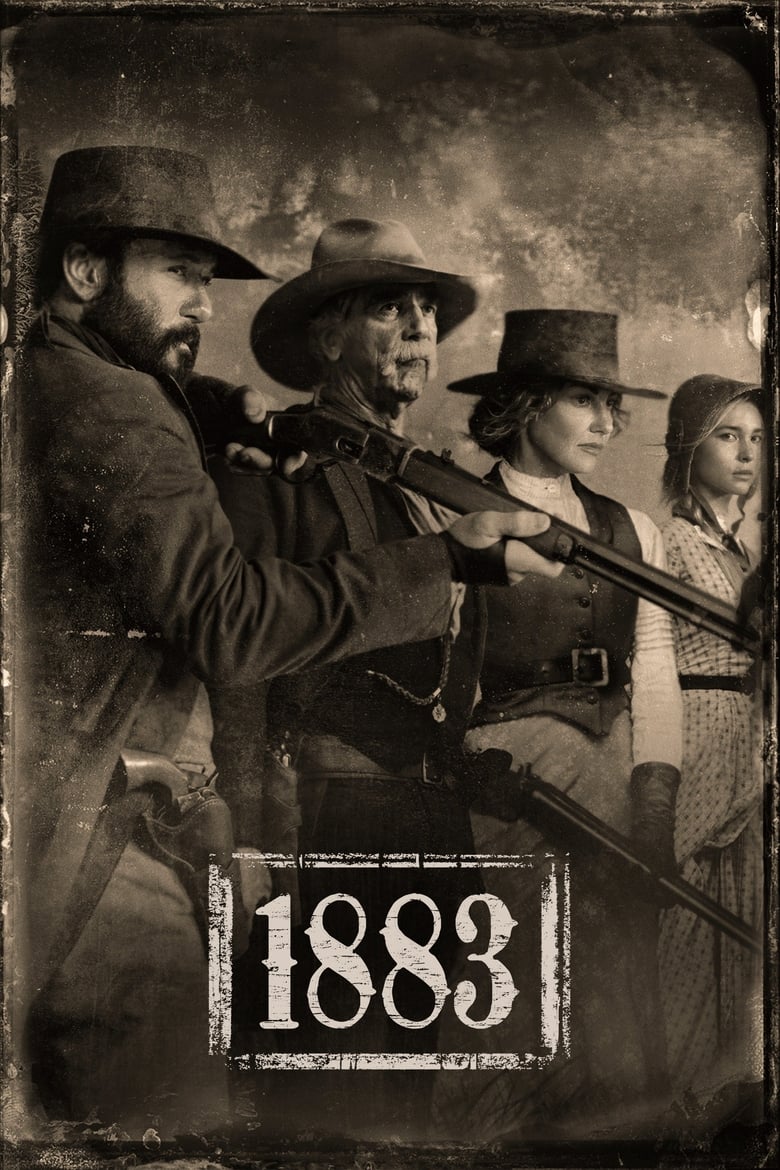
TV Show · 2021
Follow the Dutton family as they embark on a journey west through the Great Plains toward the last bastion of untamed America.

TV Show · 2026
As the Kargil War erupts between India and Pakistan, the Golden Arrows squadron of the Air Force takes flight on a dangerous mission behind enemy lines.

TV Show · 2026
The Clyburns uproot their comfortable New York City lives to the wild, untamed beauty of Montana's Madison River Valley on a search for connection.
TV Show · 2025
Tells the story of the ascent of the biblical figure, David, who becomes the most celebrated king of Israel. The series follows the once-mighty King Saul as he falls victim to his…
