

2024 · Based on 1 season, 8 episodes through November 21, 2024 ·
Cruel Intentions follows Caroline Merteuil and Lucien Belmont, wealthy step-siblings at a college near Washington, D.C. They control a powerful sorority and fraternity social world. After a hazing scandal threatens their status, they target Annie Grover, the vice president’s daughter. The show uses sex, blackmail, drugs, betrayal, and dark humor in a glossy college drama. The series gives the story a more diverse cast than the 1999 film. It includes Blaise, a queer Asian character, and several LGBTQ relationships and storylines. The show often presents female characters as the smartest and most powerful people in the room, while some men serve as tools, rivals, or jokes. These ideas are part of the character drama, but they are not usually stated as political speeches. The main focus remains ambition, sex, privilege, and manipulation.
Community feedback
Was our 42% Woke rating accurate?
Loading review details…
Breakdown
These are the editorial factors and ratings behind our score for Cruel Intentions.
Woke representation / casting
The series uses a more diverse main cast than the 1999 film. Blaise is an Asian queer student with a regular role, and several women control the main social groups and major schemes. The cast is not built entirely around identity messaging, but the repeated use of prominent minority and queer characters goes beyond a plain remake.
38%
Woke political dialogue
The characters make some modern comments about sex, power, gender, and social status. The show does not build its plot around speeches about race, gender, or DEI. The political ideas stay brief and are usually part of personal arguments or jokes.
12%
Identity-driven story themes
The series repeatedly gives women control over the central social order and makes Caroline the main power player. It also includes queer relationships and identity as part of student life. The story still focuses more on sex, ambition, betrayal, and privilege than on activism or identity politics.
34%
Western institutional / cultural critique
The show portrays Greek Life, wealthy families, elite colleges, and powerful men as corrupt or harmful. The hazing plot attacks abuse of power and social privilege. The series does not strongly attack Christianity, family life, or conservative beliefs, and its rich-people satire is not automatically woke.
24%
Woke character or canon changes
The series changes the source setup by shifting more of the central scheming power to Caroline and by making Annie the vice president’s daughter. It also adds queer and more diverse supporting characters. These changes affect identity and lead roles, but they mainly support the modern college setting.
18%
Anti-woke backlash and complaints
Not present. No clear, sustained anti-woke complaint was found. Public criticism focused on weak writing, casting, pacing, and differences from the 1999 movie. Right-leaning approval or general dislike without a woke claim does not count as backlash.
0%
Creator track record context
Phoebe Fisher has a queer-centered film credit, and Sara Goodman has supported diverse and queer casting in earlier work. Goodman also said she did not want this series to be woke. The wider producing team has mostly commercial credits, with limited activist or identity-focused evidence.
30%
Production
TV Show · 2026
The Clyburns uproot their comfortable New York City lives to the wild, untamed beauty of Montana's Madison River Valley on a search for connection.
TV Show · 2024
In Japan in the year 1600, at the dawn of a century-defining civil war, Lord Yoshii Toranaga is fighting for his life as his enemies on the Council of Regents unite against him…
TV Show · 2022
Oscar-winning producer Al Ruddy’s never before revealed experiences of making the iconic 1972 film The Godfather that Francis Ford Coppola directed and adapted with Mario Puzo.
TV Show · 2021
Follow the Dutton family as they embark on a journey west through the Great Plains toward the last bastion of untamed America.
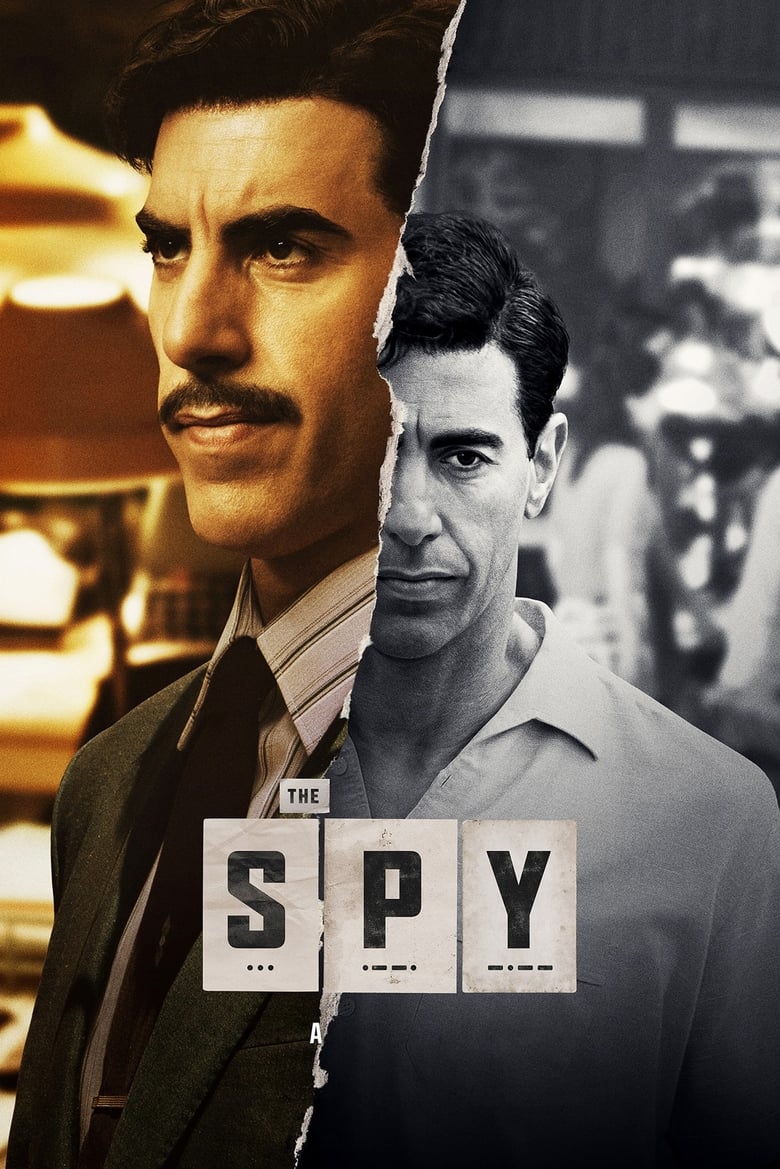
TV Show · 2019
In the 1960s, Israeli clerk-turned-secret agent Eli Cohen goes deep undercover inside Syria on a perilous, years-long mission to spy for Mossad.
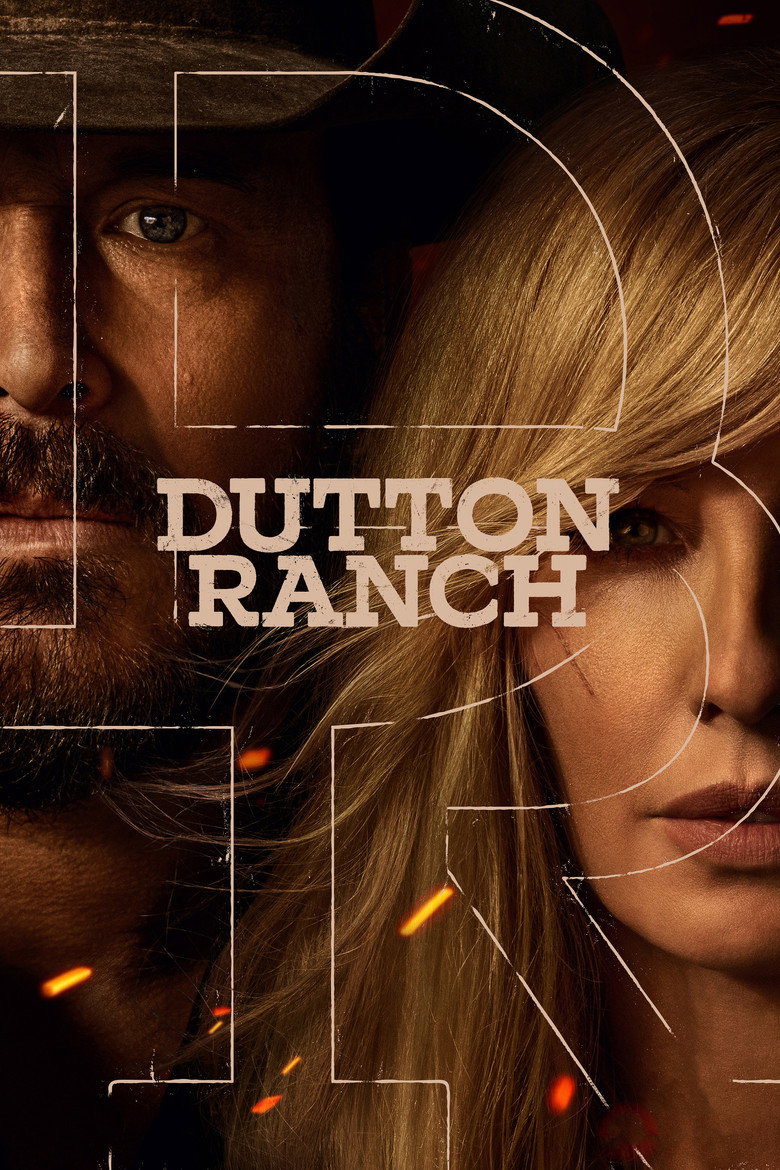
TV Show · 2026
Rip Wheeler and Beth Dutton gamble everything on a new life in South Texas, but the promise of building a future far from the ghosts of Yellowstone quickly collides with brutal…
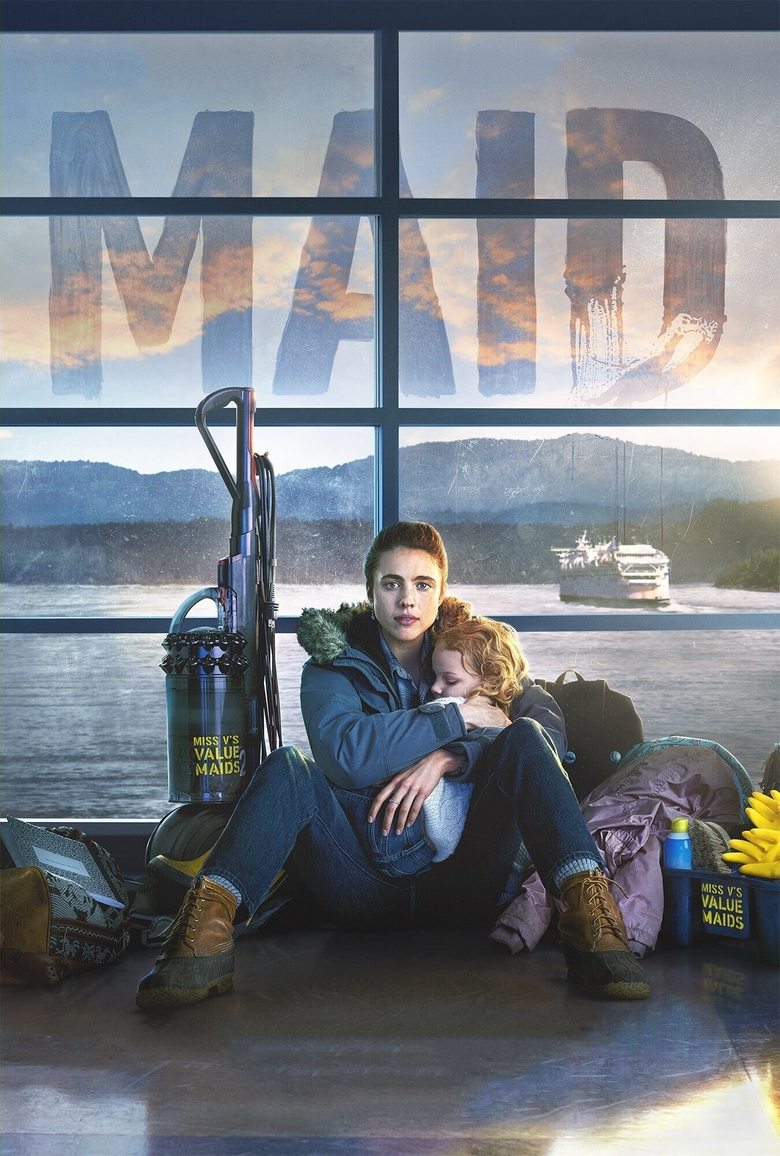
TV Show · 2021
After fleeing an abusive relationship, a young mother finds a job cleaning houses as she fights to provide for her child and build them a better future.
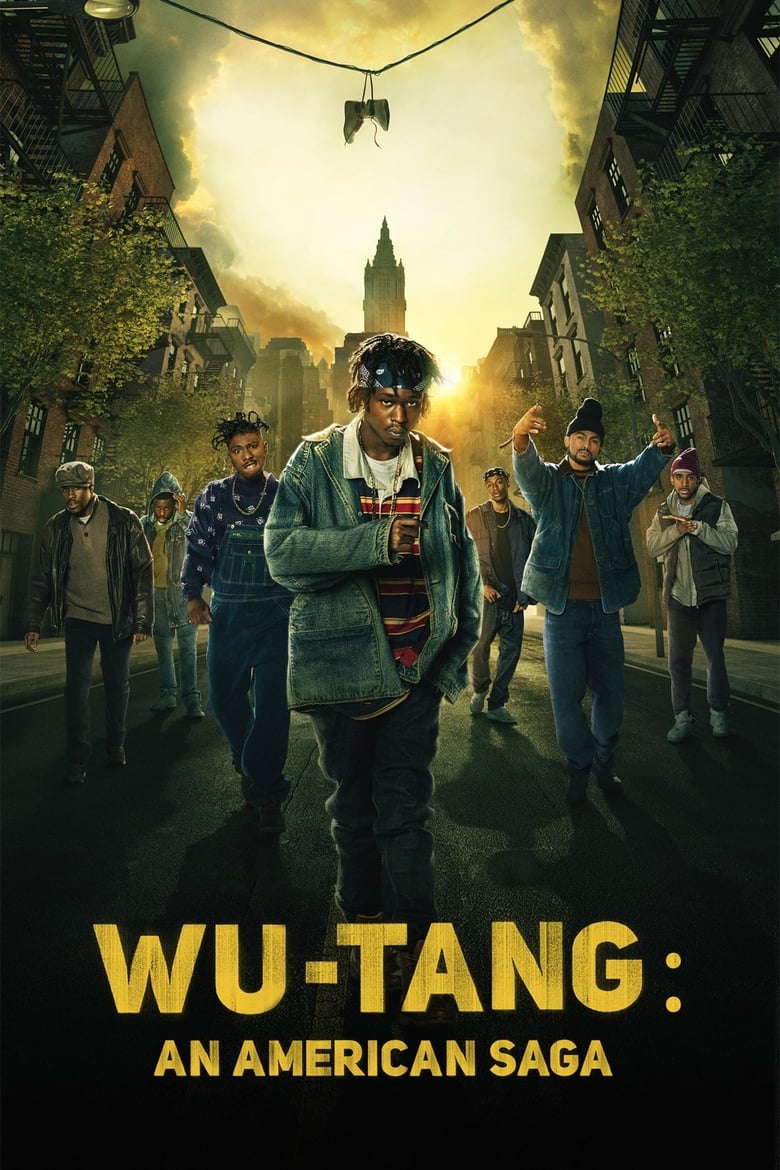
TV Show · 2019
In the early 1990s in New York, during the height of the crack cocaine epidemic, a visionary musician named Bobby Diggs aka The RZA begins to form a super group of a dozen young…
