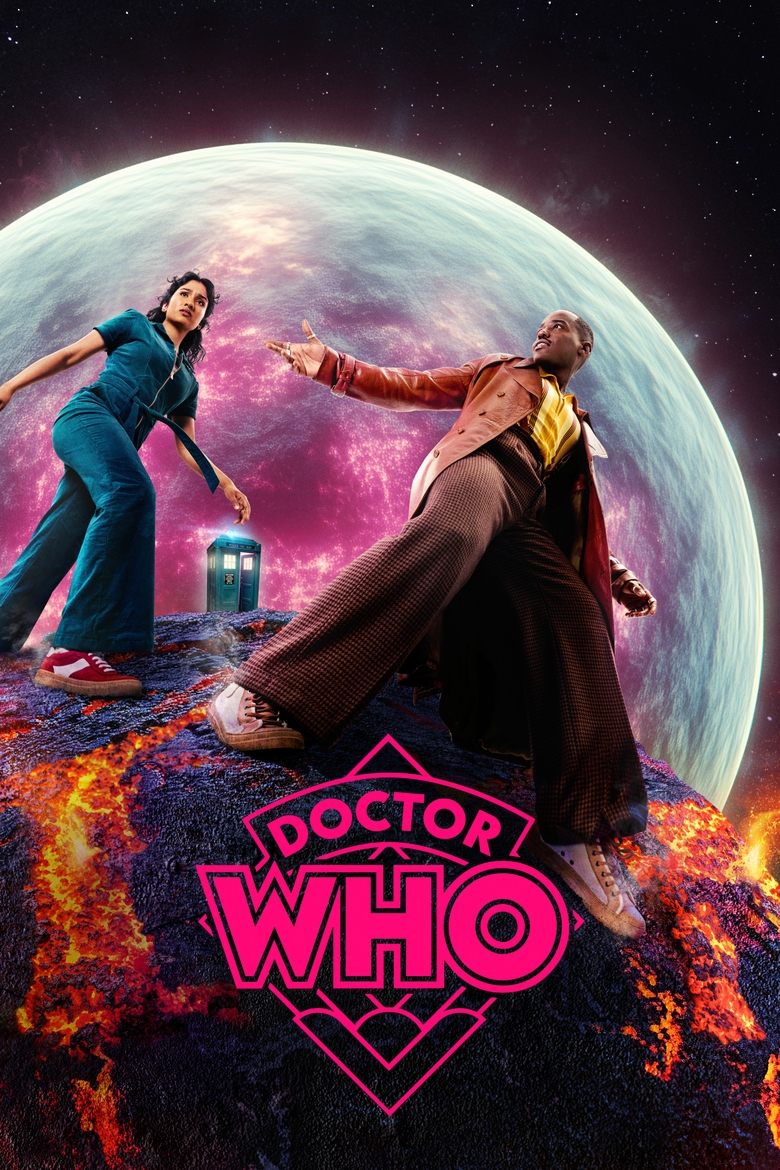

2024–2025 · Based on 2 seasons through May 31, 2025 ·
The Fifteenth Doctor travels through time and space in the TARDIS, a ship shaped like a police box. Ruby Sunday joins him in 2024 as she searches for her birth mother. Belinda Chandra becomes his companion in 2025, but a strange force stops him from taking her home. Their adventures mix jokes, frightening monsters, sudden danger, and battles against powerful beings who threaten whole worlds. The Doctor shares a kiss and a romance with the male bounty hunter Rogue. Maestro corrects their pronouns, while wealthy white survivors in “Dot and Bubble” reject the black Doctor’s help because of his race. The 2025 season calls Belinda’s controlling ex an “incel” and builds its final conflict around Conrad’s false world, which limits women’s roles and rejects attraction between men. The finale also explains that trans character Rose Noble could not exist in Conrad’s imagined world. These elements recur across both seasons and shape several major stories, though monsters and time travel remain the main format.
Community feedback
Was our 91% Woke rating accurate?
Loading review details…
Breakdown
These are the editorial factors and ratings behind our score for Doctor Who.
Woke representation / casting
Ncuti Gatwa leads the series as its first Black regular Doctor, and Davies frames his performance around queer energy and breaking barriers. Jinkx Monsoon plays the non-binary Maestro in a major villain role. Yasmin Finney returns as trans character Rose Noble across the relaunch. Varada Sethu’s promotion to companion adds another prominent minority lead, and her interviews connect representation with more progressive societies.
70%
Woke political dialogue
Maestro explicitly corrects “him” to “them” in “The Devil’s Chord.” Belinda calls her controlling ex an “incel” in “The Robot Revolution.” The Doctor directly blames capitalism for weapons sales and mocks unquestioning faith in “Boom.” “Wish World” uses spoken rules about women’s domestic roles and men’s attraction to expose Conrad’s sexist and anti-gay beliefs.
55%
Identity-driven story themes
The Doctor’s romance with Rogue drives a major 2024 adventure and returns through Rogue’s message of love in 2025. “Dot and Bubble” makes white racism the reason survivors reject the Doctor’s rescue. “The Robot Revolution” turns male entitlement into Belinda’s main conflict with her ex. The final two episodes connect defeating Conrad’s world with restoring space for queer and trans people.
70%
Western institutional / cultural critique
“Wish World” turns a version of traditional Britain into a harmful society that confines women to marriage and motherhood. The story links those forced roles to Conrad’s control and rejects them as part of escaping his world. “Boom” mocks unquestioning Christian faith through its Anglican soldiers and directly ties warfare to capitalism. These stories attack restrictive social norms and profit-driven war through clear dialogue and major conflicts.
65%
Woke character or canon changes
Gatwa gives the long-established Doctor a black male incarnation after earlier regular leads were white. Davies presents this version with explicit queer energy, and “Rogue” gives the Doctor a male romantic partner. Archie Panjabi’s Rani changes a returning character previously played by white actor Kate O’Mara into a South Asian incarnation. These identity changes affect established leading and recurring characters.
70%
Anti-woke backlash and complaints
Viewers repeatedly complain that pronouns, trans inclusion, and queer themes have become forced woke messaging. Reddit carries these complaints across several discussions about the relaunch. The Guardian brought the too-woke dispute into national coverage in 2025. The BBC also received formal complaints about trans inclusion and anti-male content in the lead-in special.
75%
Creator track record context
Russell T Davies’s stored score is 86, supported by his long record of queer-centered television and LGBTQ+ advocacy. Kate Herron’s stored score is 79, supported by her focus on queer representation and queer joy. Peter Hoar’s stored score is 83 and includes his work on “It’s a Sin.” Their records align with this series’ visible queer characters and identity themes.
84%
Production

TV Show · 2025
A Librarian from the past time travels to the present and finds himself stuck here. When he returns to his castle, which is now a museum, he inadvertently releases magic across…
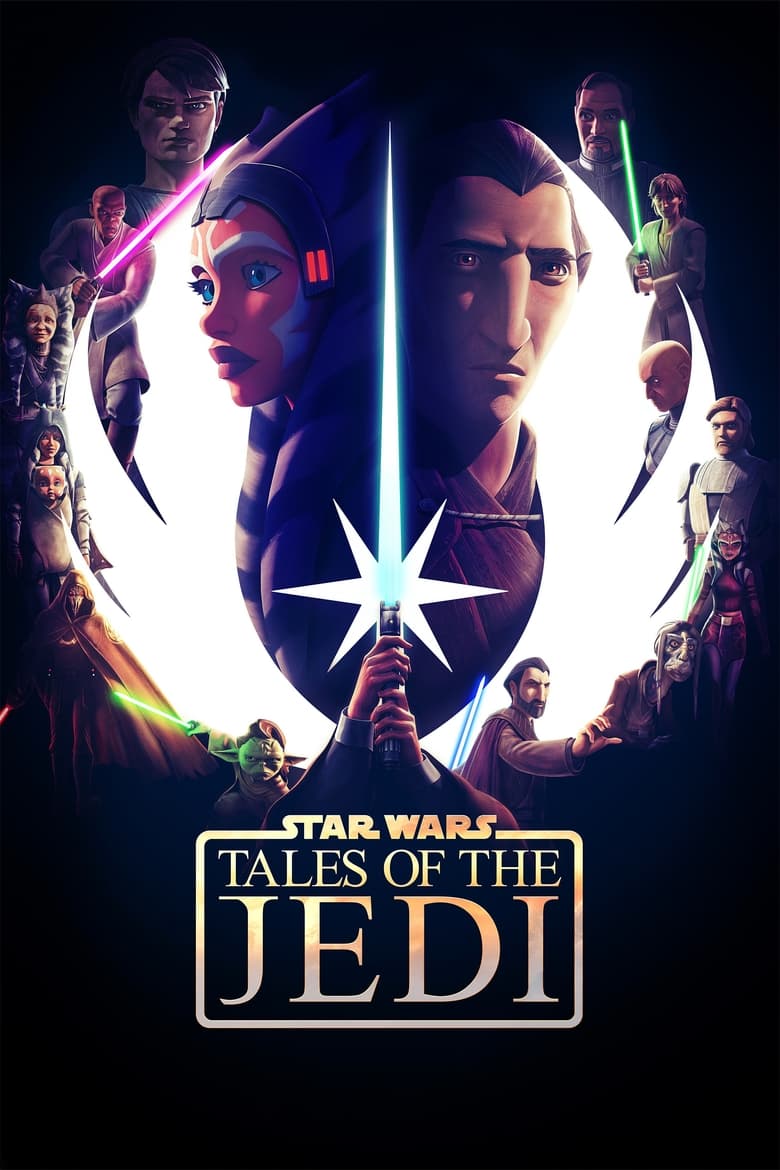
TV Show · 2022
Journey into the lives of two distinctly different Jedi from the prequel era – Ahsoka Tano and Count Dooku. Each will be put to the test as they make choices that will define…

TV Show · 2024
A journey into the fearsome Galactic Empire through the eyes of two warriors on divergent paths.

TV Show · 2025
Two outlaws must navigate the galaxy's dangerous underworld as they chart their destinies.
TV Show · 2021
The 'Bad Batch' of elite and experimental clones make their way through an ever-changing galaxy in the immediate aftermath of the Clone Wars.
TV Show · 2026
After the Clone Wars, Maul plots to rebuild his criminal syndicate on a planet untouched by the Empire.

TV Show · 2019
The life of Christ through the eyes of those who encountered him.
TV Show · 2022
When an explosive battle with Dr. Eggman shatters the universe, Sonic races through parallel dimensions to reconnect with his friends and save the world.
