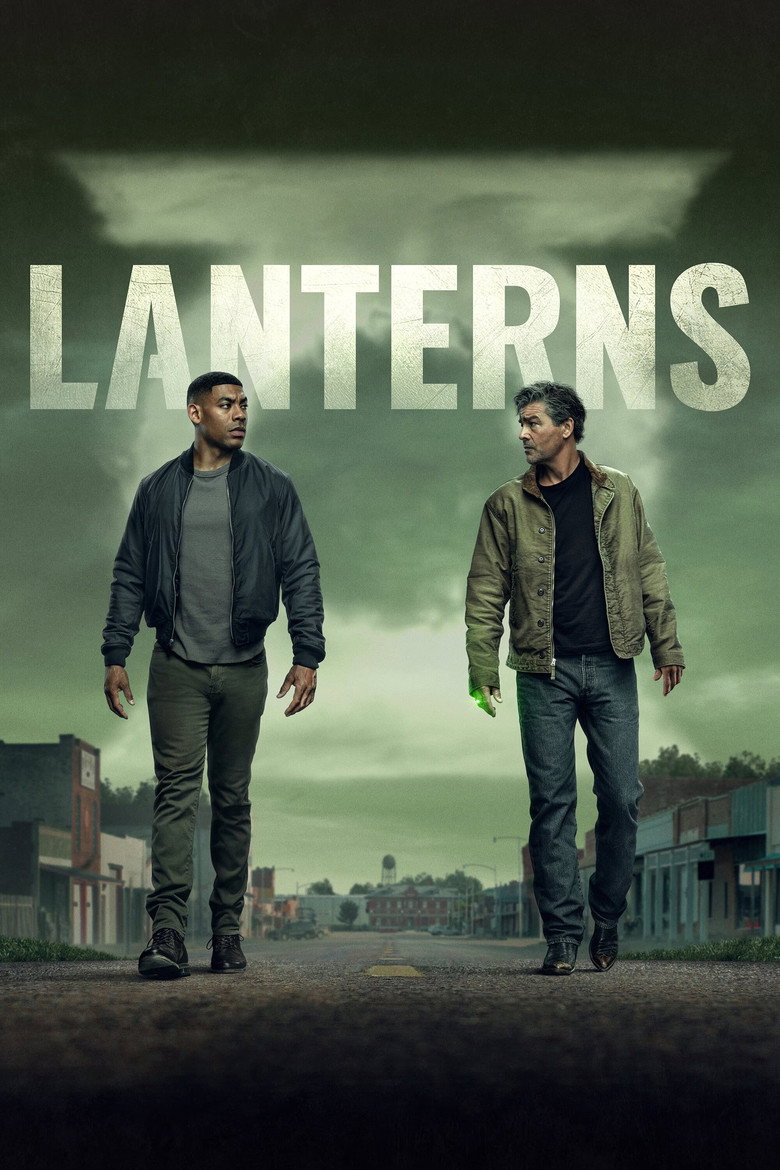

2026– · Based on 1 season, 8 episodes through September 27, 2026 ·
John Stewart trains under veteran Green Lantern Hal Jordan while they investigate strange deaths in Rushville, Nebraska. Their search uncovers a hidden alien threat and townspeople who protect dangerous secrets. The story moves between their troubled mission in 2016 and John’s return after Hal’s death in 2026. The show mixes a violent crime mystery with dry humor, broken friendships, and space adventure. John’s childhood makes race and fear important parts of his path to becoming a hero. His mother says black Americans face daily persecution and must work harder to gain respect, while Zoe speaks about white men’s privilege. John’s parents use these fears to defend harsh training that leaves him deeply hurt. The final episodes connect his struggle with Hal’s painful family history and reward John for accepting fear, repairing their bond, and choosing his own path.
Community feedback
Was our 85% Woke rating accurate?
Loading review details…
Breakdown
These are the editorial factors and ratings behind our score for Lanterns.
Woke representation / casting
Poorna Jagannathan plays Zoe, a major figure whose human appearance is that of a South Asian woman in Nebraska. Jagannathan publicly frames the role as a breakthrough for South Asian representation in superhero stories. Jagannathan also says Zoe’s outsider identity was deliberately used to help her hide in plain sight.
28%
Woke political dialogue
Zoe says white men have the privilege of being eccentric in episode 2. Zoe says wealthy white men can do whatever they want. Bernadette says black Americans face daily persecution and that fearlessness is an unfair demand in episode 3. Bernadette describes Hal’s freedom from fear as privilege, making racial inequality an explicit part of the dialogue.
46%
Identity-driven story themes
John’s parents connect his future as a Lantern to the pressure on black people to prove themselves. John’s childhood training turns racial fear and Black exceptionalism into a major part of his origin. John carries the harm from that training into his adult relationships and choices. Episodes 7 and 8 resolve this continuing struggle by letting John accept fear and become a hero on his own terms.
64%
Western institutional / cultural critique
Bernadette presents American society as a place where black families face daily persecution and unequal recognition. John’s upbringing shows the harm caused by demands that he become exceptional to overcome those barriers. John’s family expects him to follow a heroic path chosen before he could decide for himself. The final episodes reward his escape from that family demand and his choice to define his own duties.
40%
Woke character or canon changes
The series gives John a new origin in which his parents train him from infancy for the Lantern role. The added story makes racial fear and pressure to achieve central to that training. Vanessa Baden Kelly connects the change to Black exceptionalism and unequal expectations. The series carries the effects of this identity-driven origin through John’s final choice to become an independent Lantern.
58%
Anti-woke backlash and complaints
Fox News covered complaints that episode 3 replaced familiar superhero ideas with racial privilege messaging. Breitbart called the series a woke lecture on white privilege. Critics across X, YouTube, Reddit, and comics coverage accused the show of DEI messaging and diminishing Hal to elevate John. The recurring complaints became a recognizable national talking point about the series.
77%
Creator track record context
Damon Lindelof’s stored record includes a major project centered on American racism and public support for addressing race. Justin Britt-Gibson’s stored history includes writing about racial stereotypes and police encounters. Vanessa Baden Kelly’s stored essays focus on black women’s identity and experience. These records align with the racial pressure and unequal expectations explored in John’s story.
71%
Production
TV Show · 2024
Jason Dessen is abducted into an alternate version of his life. To get back to his true family, he embarks on a harrowing journey to save them from the most terrifying foe…
TV Show · 2022
An archivist takes a job restoring damaged videotapes and gets pulled into the vortex of a mystery involving the missing director and a demonic cult.
TV Show · 2021
Interconnected phone conversations chronicle the mysterious story of a group of strangers whose lives are thrown into disarray in the lead-up to an apocalyptic event.
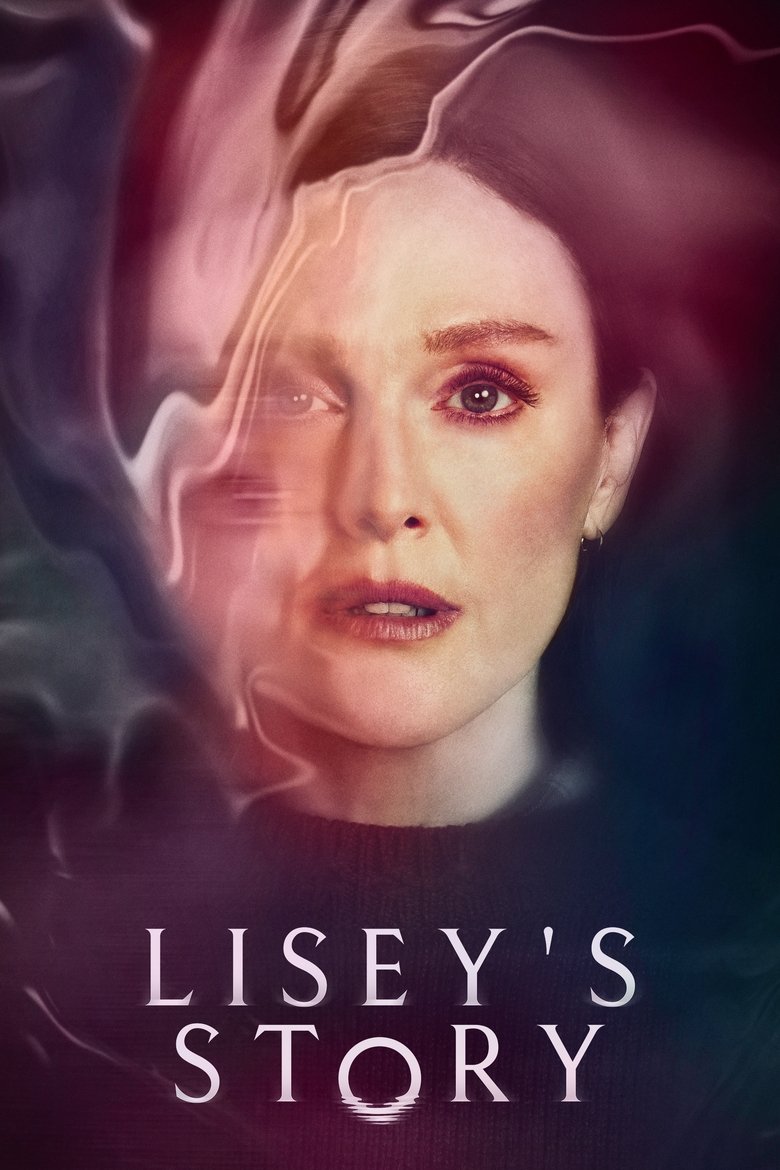
TV Show · 2021
This terrifying thriller follows widow Lisey Landon as a series of disturbing events revives memories of her marriage to author Scott Landon and the darkness that plagued him.
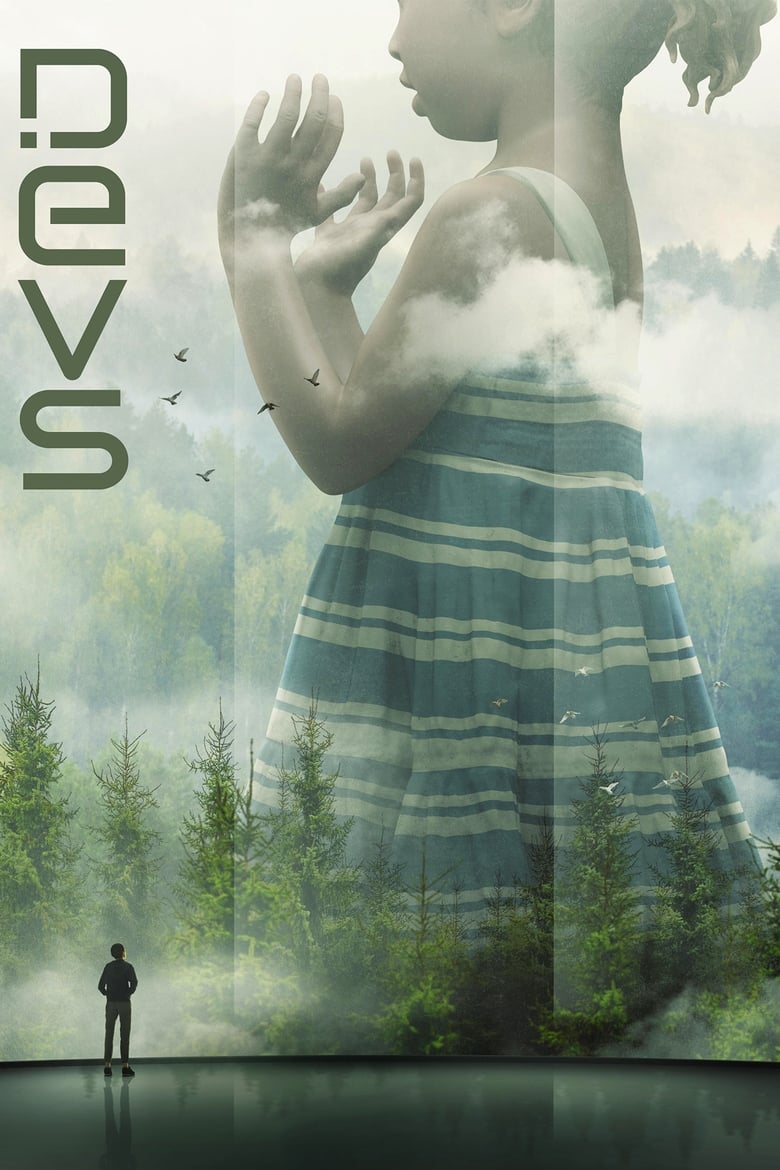
TV Show · 2020
Young computer engineer Lily Chan investigates the secretive development division of her employer, a cutting-edge tech company based in San Francisco, which she believes is behind…
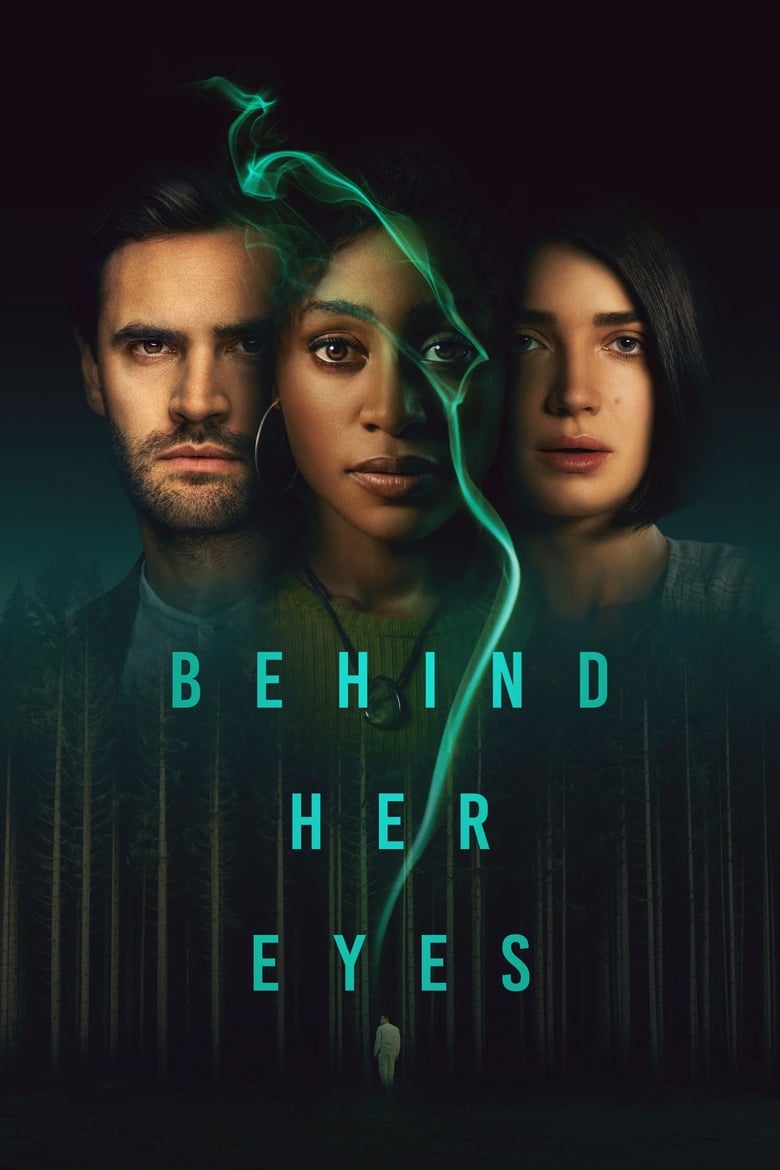
TV Show · 2021
A single mother enters a world of twisted mind games when she begins an affair with her psychiatrist boss while secretly befriending his mysterious wife.
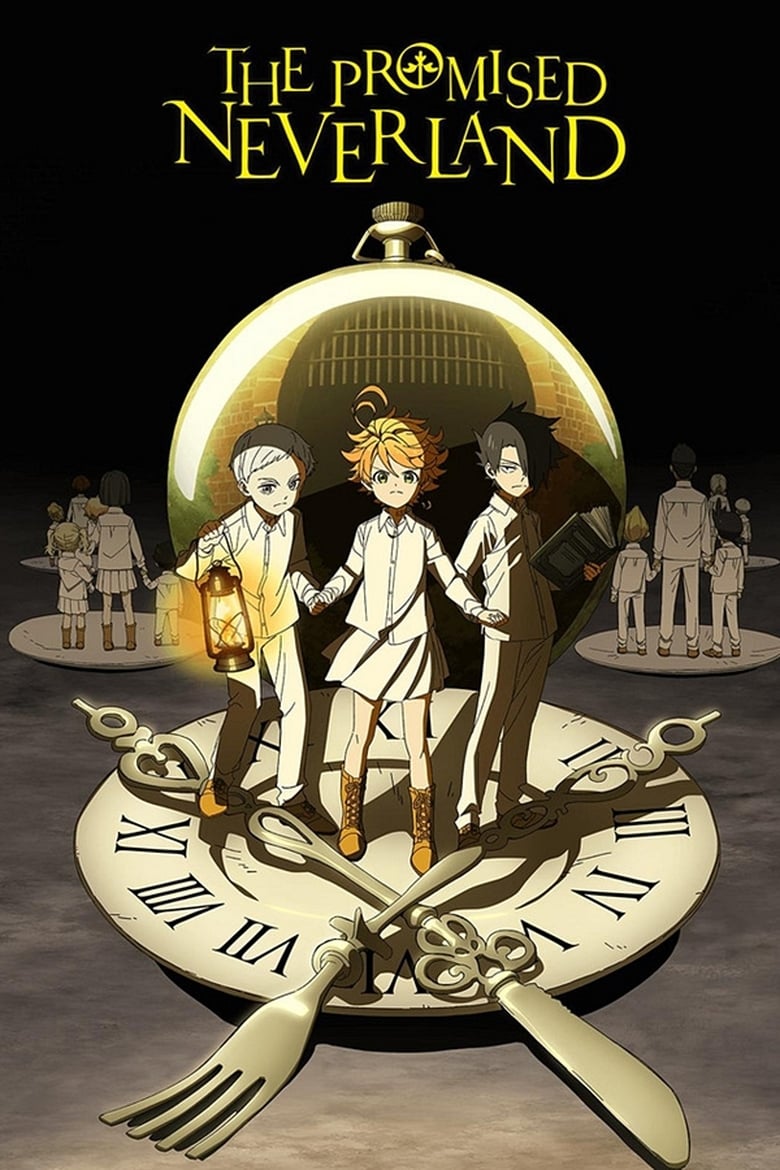
TV Show · 2019
Emma, Norman and Ray are the brightest kids at the Grace Field House orphanage. And under the care of the woman they refer to as “Mom,” all the kids have enjoyed a comfortable…
TV Show · 2024
Rick and Michonne are thrown into another world, built on a war against the dead... And ultimately, a war against the living.
