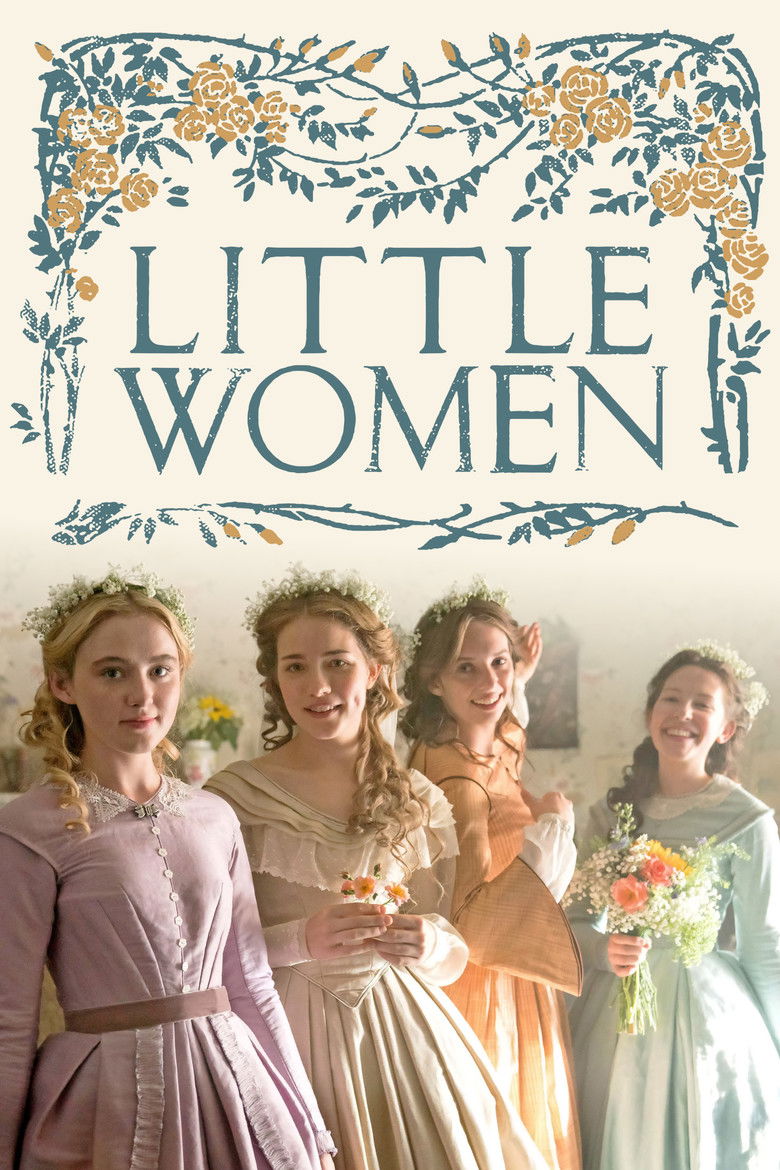

2017 · Based on 1 season, 3 episodes through December 28, 2017 ·
Jo March grows up with Meg, Beth, and Amy in a poor but close family in Massachusetts during the Civil War. Their father serves as a Union chaplain, while Marmee keeps the family going at home. The sisters face illness, money worries, first love, and loss as they grow up. The series tells their story in a warm but serious style, with family life at its center. Jo wants to earn money through writing and refuses to marry Laurie just to please him. She tells Marmee that marriage may not suit her and leaves for New York to build a life and find material for her work. Meg chooses marriage and motherhood, while Marmee supports both daughters. The story treats women’s choices and limits on work and marriage as important parts of Jo’s journey, alongside family duty, love, and grief.
Community feedback
Was our 25% Woke rating accurate?
Loading review details…
Breakdown
These are the editorial factors and ratings behind our score for Little Women.
Woke representation / casting
Not present. The principal cast follows the March family in Alcott’s New England setting.
0%
Woke political dialogue
Not present in this title.
0%
Identity-driven story themes
Jo earns money from her stories and uses it to buy household goods and food while her father is away. She becomes a partial provider for her family through her work. The story treats her contribution as valuable and lets her keep writing as she grows up.
8%
Western institutional / cultural critique
Jo builds a writing life and leaves for New York to gain experience. The series shows women weighing work, marriage, and family duty in a society that narrows those choices. Marmee supports Jo’s path while Meg chooses marriage and motherhood. Their different outcomes make women’s choices a continuing part of the story.
30%
Woke character or canon changes
Not relevant. The review found no relevant character or canon changes.
0%
Anti-woke backlash and complaints
Not present. Launch comments focused on pacing, casting, and changes from the book.
0%
Creator track record context
Heidi Thomas has written about women’s health, abortion, racism, LGBT lives, and violence against women. Thomas described this adaptation as aiming for authenticity, while saying its questions about women’s choices still feel current. Louisa May Alcott supported abolition and women’s rights in her own era. Vanessa Caswill has spoken about giving women a voice and authentic disability representation.
40%
Production

TV Show · 2018
Set in the summer of 1998 it is a story about conflicting emotions towards family members from the eyes of a twelve year old.
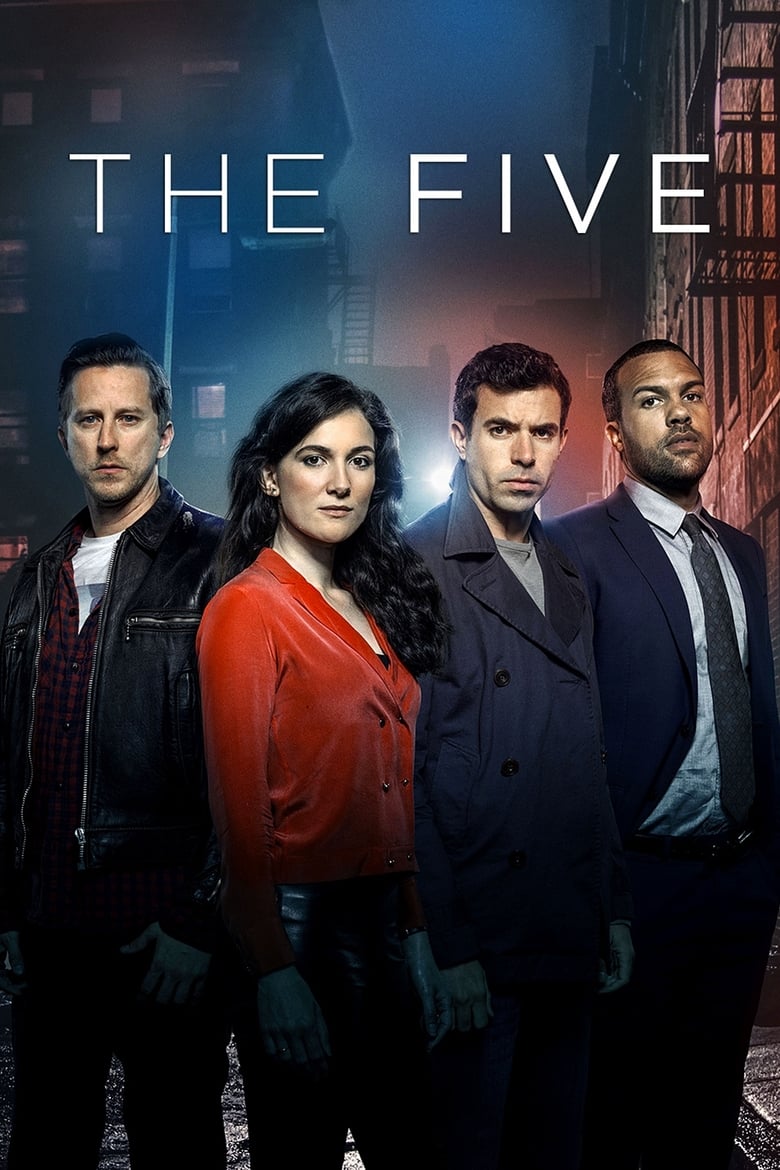
TV Show · 2016
When they were twelve years old, Mark, Pru, Danny and Slade were out together in the park. Mark’s five-year-old brother, Jesse, was annoying them.
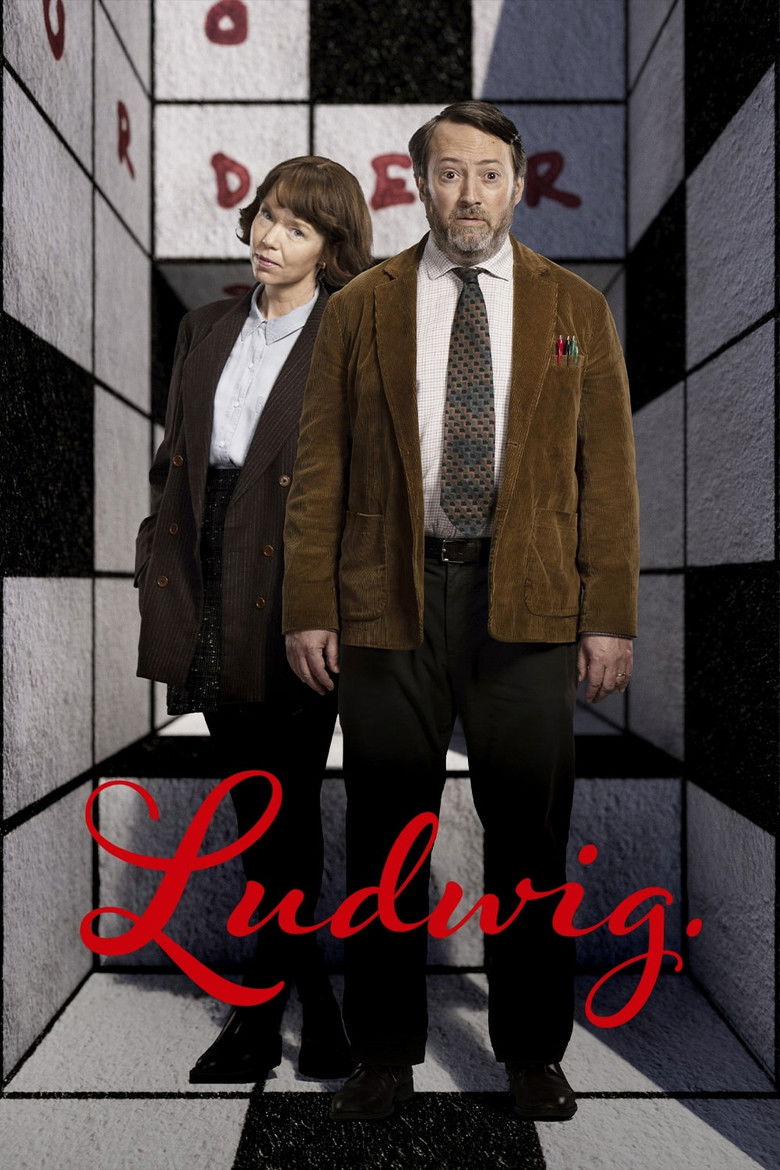
TV Show · 2024
John Taylor lives in quiet solitude, designing puzzles for a living, under the nom-de-plume of 'Ludwig'. When his identical twin, James, disappears off the face of the earth, John…

TV Show · 2017
The early life of child genius Sheldon Cooper, later seen in The Big Bang Theory.

TV Show · 2019
The life of Christ through the eyes of those who encountered him.

TV Show · 2025
Two outlaws must navigate the galaxy's dangerous underworld as they chart their destinies.
