
2026 · Based on 1 season, 8 episodes through September 17, 2026 ·
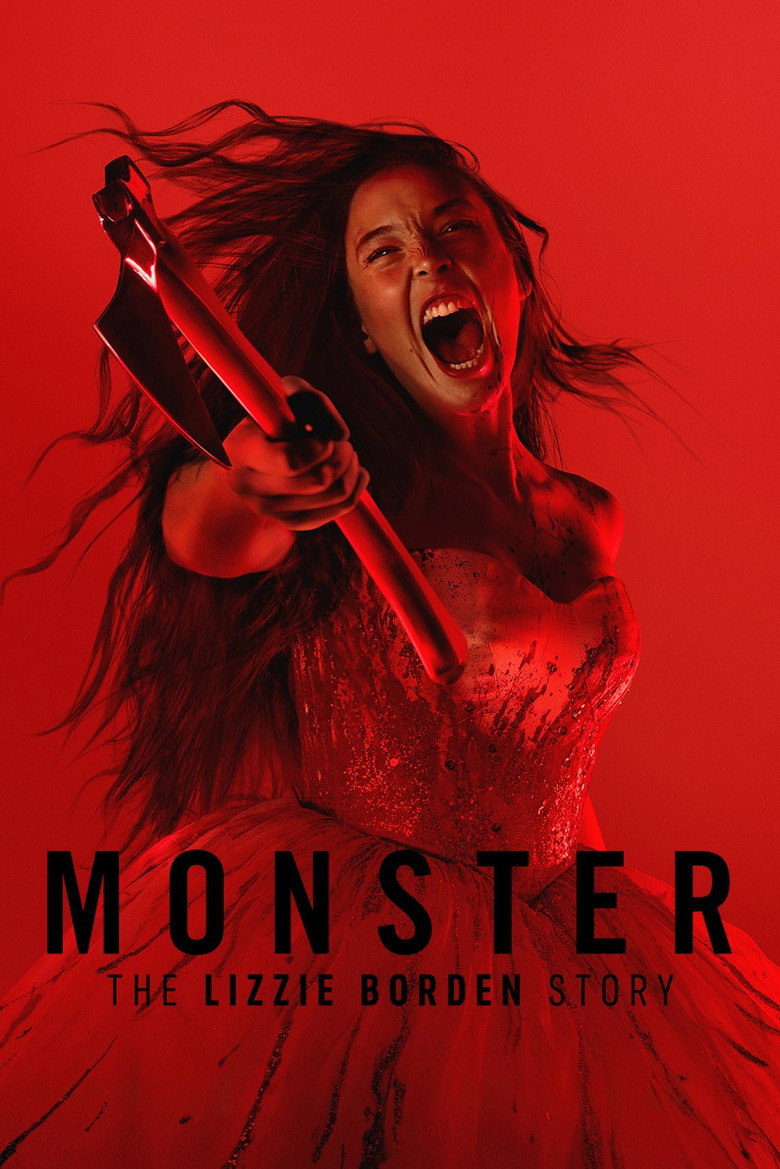
Lizzie Borden lives in a wealthy but cruel home in Fall River, Massachusetts, in 1892. Her father and stepmother control the house through fear, money, and strict rules. Lizzie grows closer to the new maid, Bridget Sullivan, while family anger and violence build around them. The show uses bloody crime drama, dark jokes, strange music, and dreamlike scenes. The story quickly shows the murders, then looks back at what may have caused them. The season strongly centers on female rage, repression, and the idea that women were treated as weak or unable to act. Lizzie and Bridget have a romantic relationship, although history does not prove that they were lovers. The show also links Lizzie to later female killers through invented scenes with Aileen Wuornos and Elizabeth Báthory. These themes appear across much of the season and shape the story, but the series also focuses on family abuse, murder, trial drama, and historical mystery.
Community feedback
Was our 85% Woke rating accurate?
Loading review details…
Breakdown
These are the editorial factors and ratings behind our score for Monster: The Lizzie Borden Story.
Woke representation / casting
The season puts a woman at the center of the anthology for the first time. Marketing and interviews stress the female subject and the idea of female rage. The main cast otherwise fits the mostly white Victorian setting, so the score comes from female-centered framing rather than a broad diversity-first casting pattern.
24%
Woke political dialogue
The season repeats the idea that women were treated as weak and unable to think or act like men. Characters and interviews connect Lizzie’s anger to gender rules in her time. The dialogue does not become a constant modern political speech, so the score stays low.
20%
Identity-driven story themes
The season makes female rage, repression, and women’s freedom major parts of the story. Lizzie and Bridget’s romantic relationship is a continuing queer storyline. The show also links several female killers through a shared idea of anger against control and abuse.
75%
Western institutional / cultural critique
The story repeatedly presents the family, marriage, male authority, and social rules as systems that trap women. Andrew’s power and sexual behavior are shown as major causes of harm. The trial also highlights the belief that a woman could not be capable of violence, although the setting is historical rather than a direct modern political debate.
55%
Woke character or canon changes
The show turns the unproven Lizzie and Bridget rumors into a central romance. It invents sexual events involving Andrew and Bridget and adds a fictional connection to Aileen Wuornos. These changes strongly reshape the historical record through identity and sexuality.
45%
Anti-woke backlash and complaints
Viewers across social platforms complained that the lesbian plot was historically unsupported and that the case was being sexualized. LadBible reported the same complaints from Netflix viewers. Other criticism targeted the invented female-killer links and the show’s feminist framing. The reaction received some media coverage but did not become a major national campaign.
38%
Creator track record context
Ryan Murphy has a strong record of LGBTQ-centered and identity-focused productions, with a stored score of 80. Ian Brennan has a milder but clear history of social themes through Glee and The Politician, with a stored score of 49. Their season interviews directly describe female rage and gender-based limits.
72%
Production
TV Show · 2018
Ray Shoesmith is a father, ex-husband, boyfriend and best friend: tough roles to juggle in the modern age. Even harder when you’re a criminal for hire.
TV Show · 2020
New Orleans judge Michael Desiato is forced to confront his own deepest convictions when his son is involved in a hit and run that embroils an organized crime family.
TV Show · 2021
A world-famous comedian desperately searches for a way out after a night in Philadelphia with his brother threatens to sabotage more than his success.
TV Show · 2020
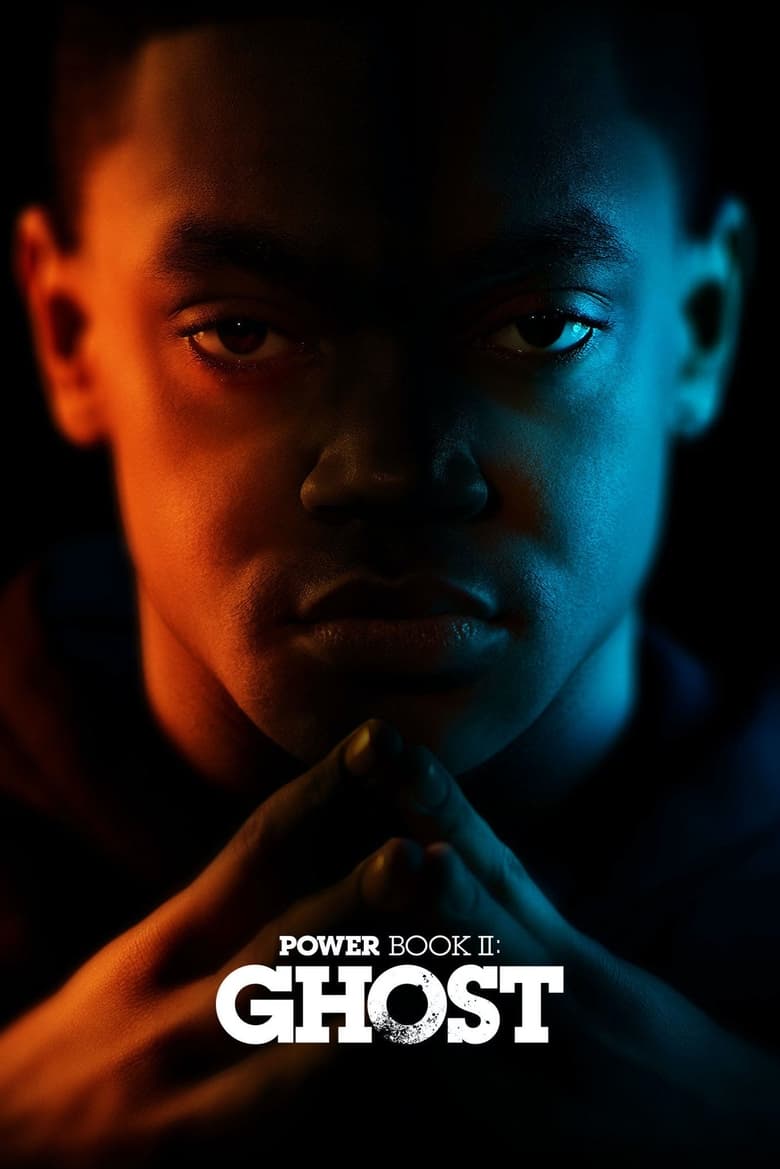
Picking up just days after the “Power” finale, this sequel series follows Tariq navigating his new life, in which his desire to shed his father’s legacy comes up against the…
TV Show · 2025
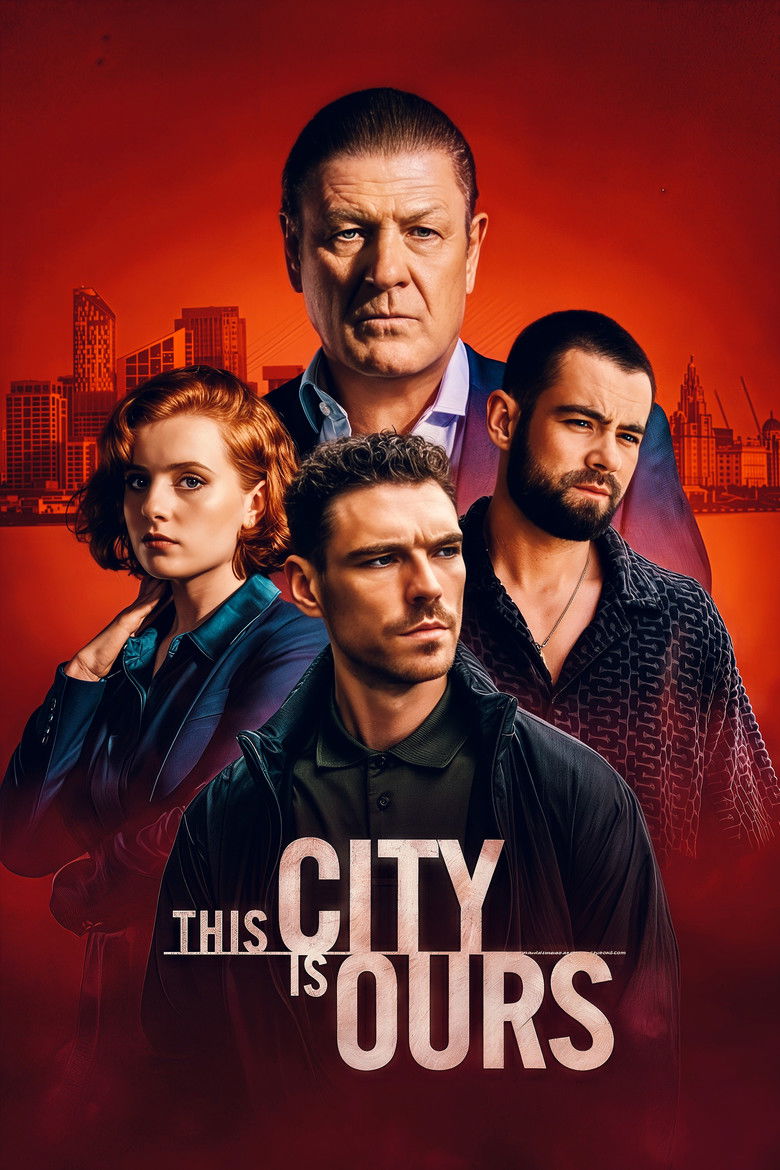
Notorious gang boss Ronnie (Sean Bean) steps back from his criminal empire, triggering a violent power struggle between his volatile son Jamie (Jack McMullen) and trusted…

TV Show · 2019
Loosely based on infamous crime boss Bumpy Johnson, who in the early 1960s returned from ten years in prison to find the neighborhood he once ruled in shambles.
TV Show · 2018
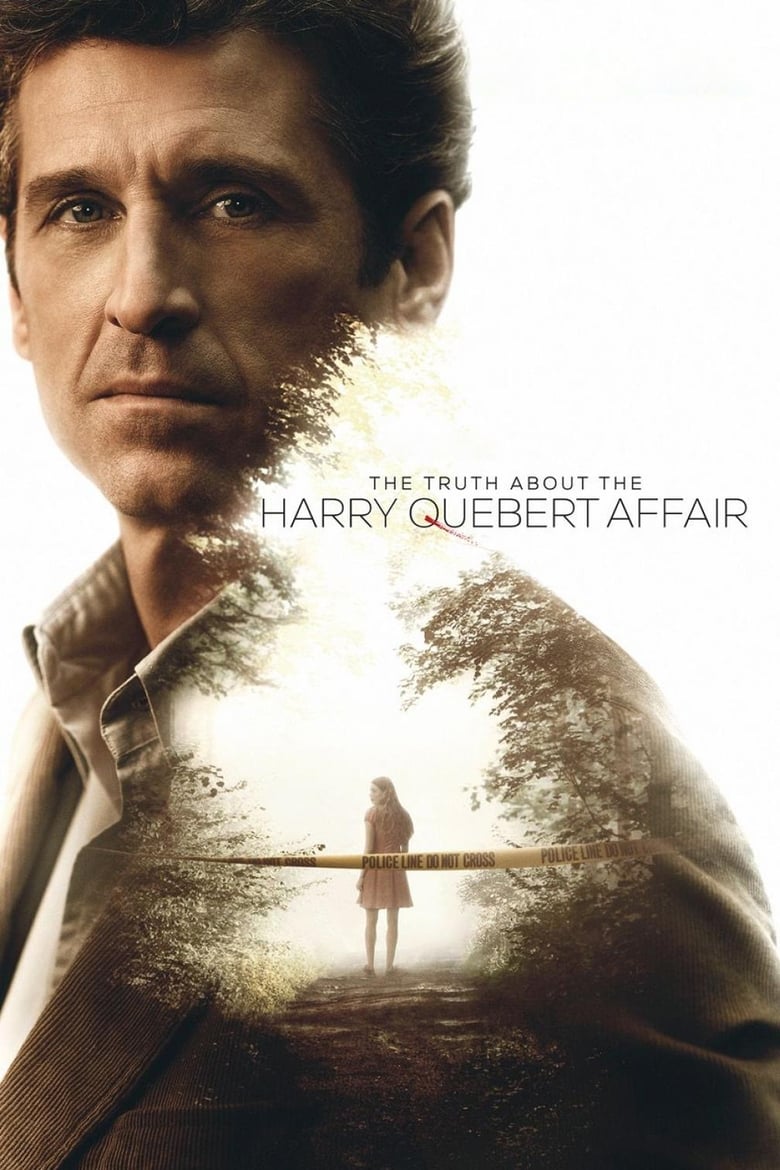
A writer gets caught up in a murder investigation involving his mentor, an esteemed American author. Based on the book of the same name, by Joël Dicker.
TV Show · 2022
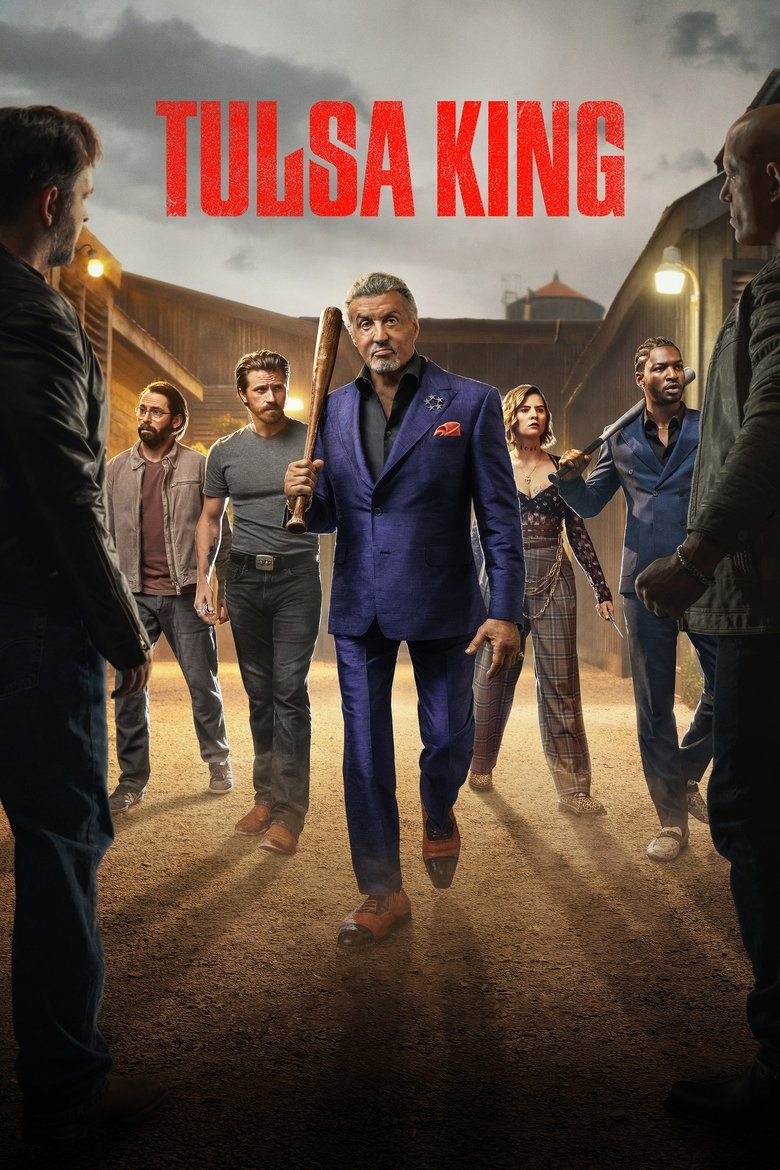
New York mafia capo Dwight "The General" Manfredi is released from prison after 25 years and exiled by his boss to set up shop in Tulsa, Oklahoma.
