
2018–2021 · Based on 3 seasons through June 6, 2021 ·
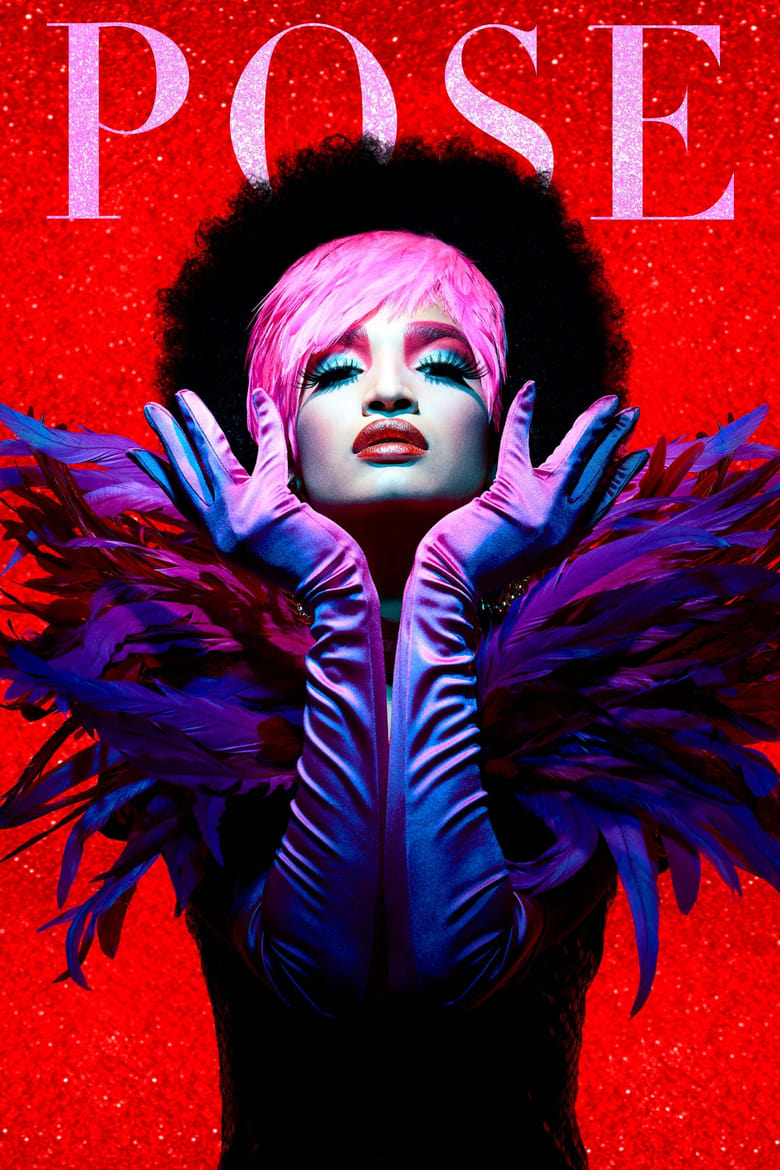
Pose is a drama about Blanca, a transgender woman who becomes a house mother in New York City. She gives shelter and support to young gay and transgender people who have been rejected by their families. The story follows ballroom contests, love, work, poverty, violence, and the AIDS crisis from 1987 through 1998. The tone moves between bright dance scenes, family warmth, anger, grief, and tragedy. The show makes transgender and queer identity the center of its story. Its main cast is largely made up of transgender women and gay men of color. The characters often face homophobia, transphobia, racism, poverty, and unfair health care. Later seasons focus more strongly on AIDS activism, ACT UP protests, drug access, and attacks on religious institutions. These themes are central in all three seasons, although season three gives more space to work, romance, family, and personal healing.
Community feedback
Was our 96% Woke rating accurate?
Loading review details…
Breakdown
These are the editorial factors and ratings behind our score for POSE.
Woke representation / casting
The show places transgender women and gay men of color in nearly all of its leading roles. FX openly promoted it as having the largest cast of transgender actors in scripted television. The casting was tied to the goal of putting underrepresented people at the center of the story. The pattern is a major part of the show’s identity.
100%
Woke political dialogue
Characters often speak about transgender identity, homophobia, racism, poverty, AIDS, and unfair health care. Pray Tell and Blanca regularly argue for acceptance, safety, and access to medicine. Season two includes spoken support for ACT UP and a protest against a Catholic church. The dialogue is frequent and often supports activist ideas.
72%
Identity-driven story themes
The show’s main story follows transgender and gay characters building a family after rejection by their birth families. The ballroom contests give the characters a place to express gender and sexuality. The series repeatedly covers transition, discrimination, violence against trans women, HIV, AIDS, and queer community life. Identity is the central subject in every season.
100%
Western institutional / cultural critique
The show presents traditional families as harmful when they reject gay or transgender children. The story attacks homophobia in churches, hospitals, workplaces, and government systems. Season two shows ACT UP protesting church leaders and public officials over the AIDS crisis. The series also contrasts wealthy Trump-era business culture with poor queer people of color.
86%
Woke character or canon changes
Not relevant. The series is an original story and does not change established fictional characters or a known canon.
0%
Anti-woke backlash and complaints
A few small social media accounts called the show trans propaganda or said it presented historically inaccurate transgender politics. The complaints had little visible reach and did not become a major news story. No large boycott, review-bombing campaign, or organized anti-woke campaign was found.
15%
Creator track record context
Ryan Murphy has a long record of queer and identity-focused shows and diversity programs. Steven Canals and Janet Mock are known for transgender, queer, and racial representation work. Several directors, writers, and producers also have strong ties to queer or transgender storytelling.
95%
Production
TV Show · 2022
Oscar-winning producer Al Ruddy’s never before revealed experiences of making the iconic 1972 film The Godfather that Francis Ford Coppola directed and adapted with Mario Puzo.
TV Show · 2021
Follow the Dutton family as they embark on a journey west through the Great Plains toward the last bastion of untamed America.

TV Show · 2024
Fascinated by cars since childhood, Brazilian racer Ayrton Senna became a sports legend — until tragedy struck, changing Formula 1 forever.
TV Show · 2019
The true story of one of the worst man-made catastrophes in history: the catastrophic nuclear accident at Chernobyl.
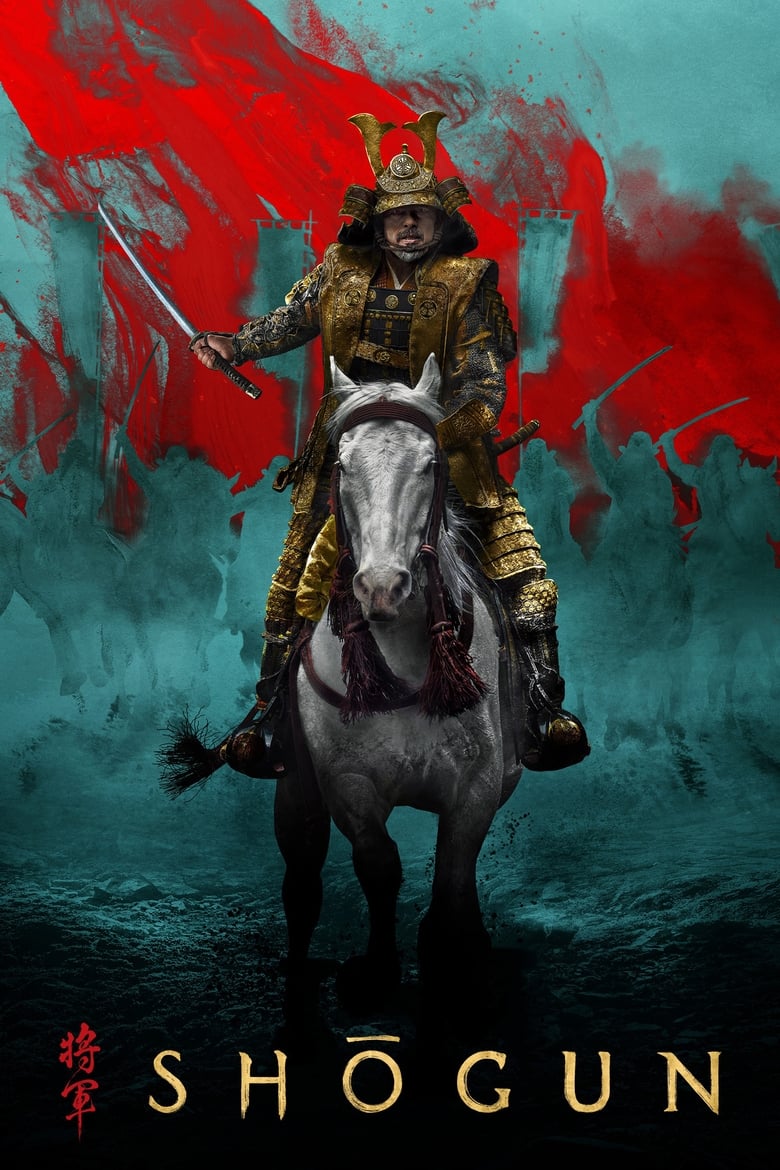
TV Show · 2024
In Japan in the year 1600, at the dawn of a century-defining civil war, Lord Yoshii Toranaga is fighting for his life as his enemies on the Council of Regents unite against him…
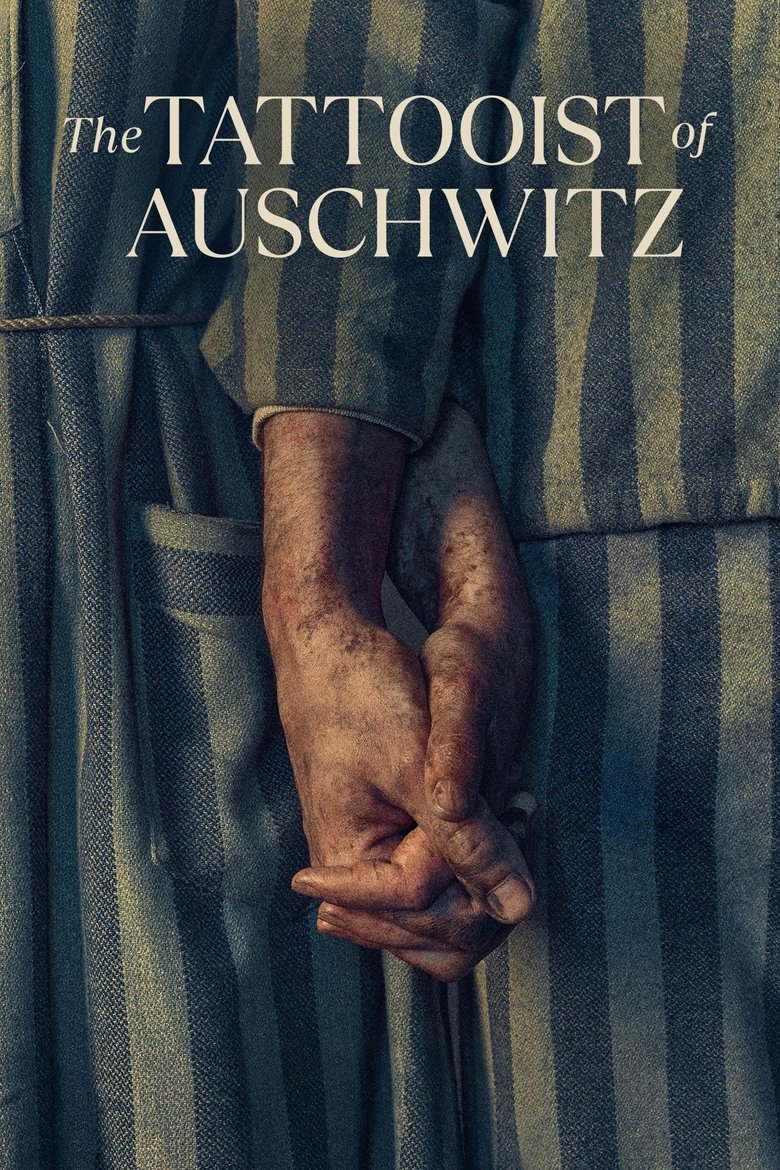
TV Show · 2024
The powerful real-life story of Lali Sokolov, a Jewish prisoner who was tasked with tattooing ID numbers on prisoners' arms in the Auschwitz-Birkenau concentration camp during…
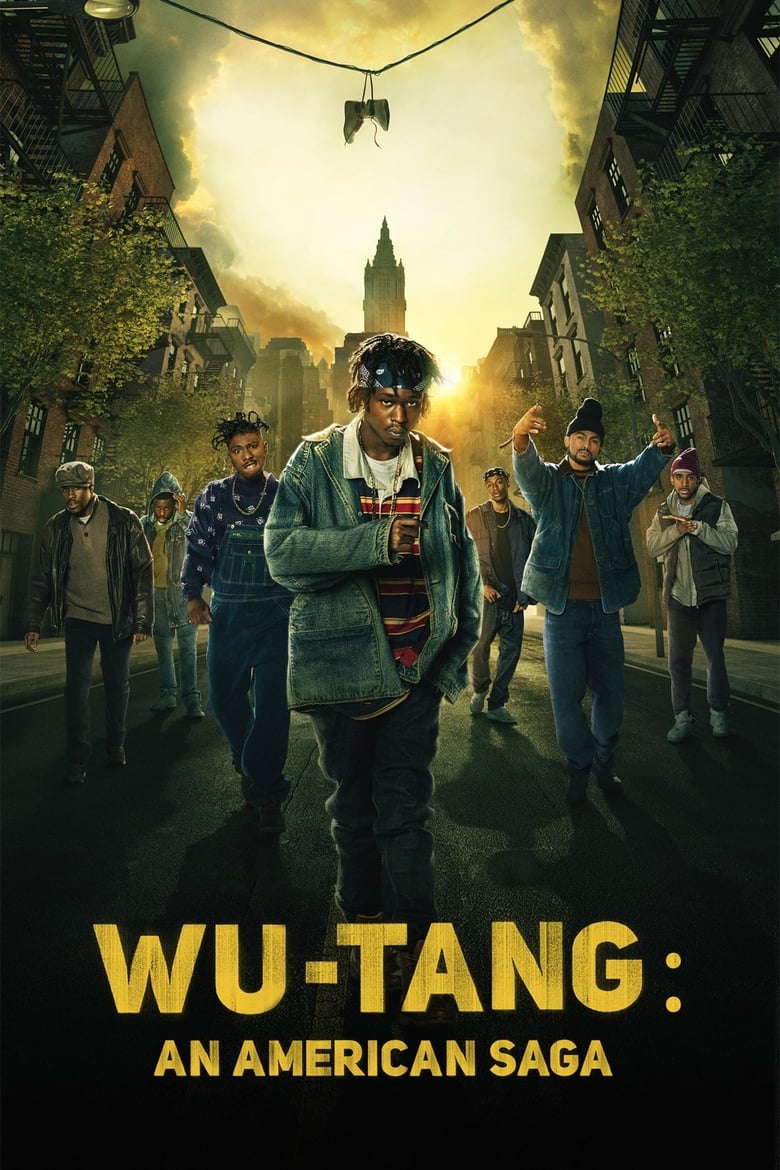
TV Show · 2019
In the early 1990s in New York, during the height of the crack cocaine epidemic, a visionary musician named Bobby Diggs aka The RZA begins to form a super group of a dozen young…
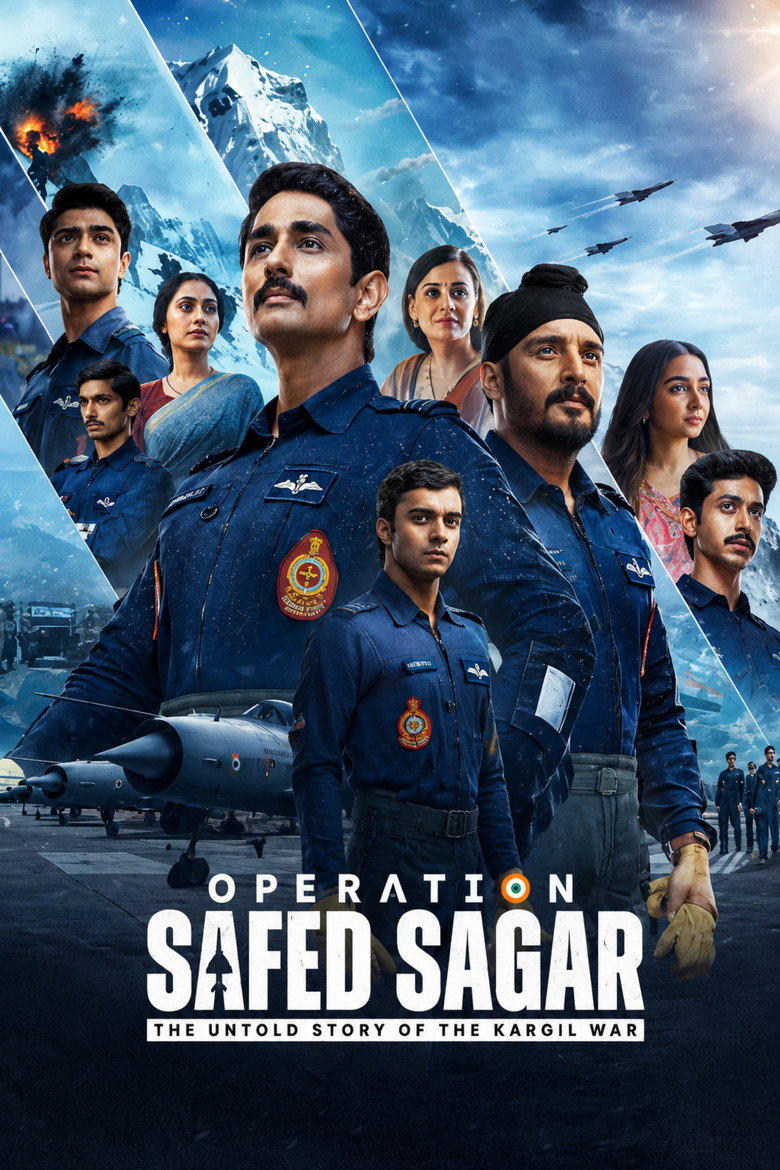
TV Show · 2026
As the Kargil War erupts between India and Pakistan, the Golden Arrows squadron of the Air Force takes flight on a dangerous mission behind enemy lines.
