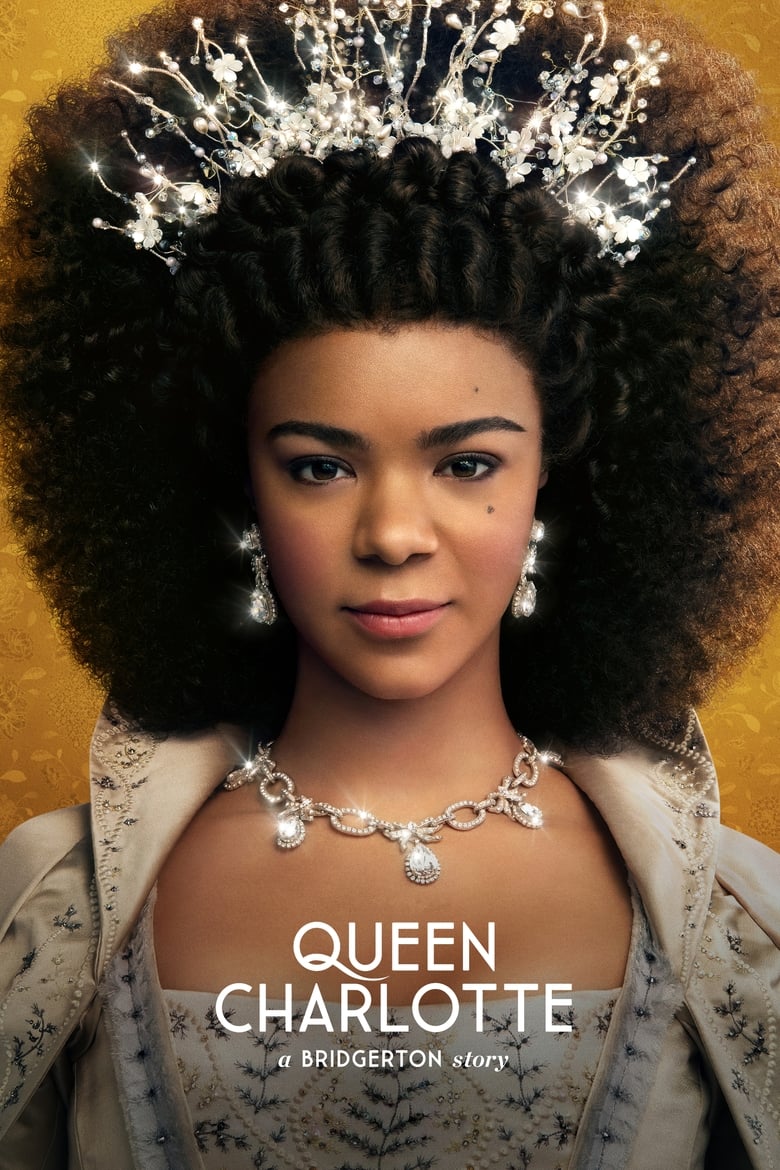

2023 · Based on 1 season, 6 episodes through May 4, 2023 ·
Charlotte arrives in England in 1761 to marry King George III, but soon learns that he is hiding a serious mental illness. Their arranged match grows into a loving marriage as Charlotte faces a new country, royal duties, and George’s frightening spells. In later years, the Queen urges her grown children to marry because the royal family has no clear heir. Across six episodes, romance and family pressure sit alongside court politics and George’s health struggles. The story ties Charlotte’s marriage to a fictional “Great Experiment” that gives black families titles and a place in Britain’s high society. Lady Danbury seeks safety and power for her family while facing racial barriers and an unhappy marriage. Charlotte and the King’s mother argue over who controls the crown, and Charlotte speaks up for what she wants. Brimsley and Reynolds hide their love because their jobs and society leave them little freedom.
Community feedback
Was our 95% Woke rating accurate?
Loading review details…
Breakdown
These are the editorial factors and ratings behind our score for Queen Charlotte: A Bridgerton Story.
Woke representation / casting
India Amarteifio and Golda Rosheuvel play young and older Queen Charlotte as black women. Arsema Thomas and Adjoa Andoh play Lady Danbury, whose rise is tied to the Great Experiment. The story gives black and other families of color titles and places in the court. Rhimes and Verica have linked Charlotte’s race to the court’s new racial integration.
90%
Woke political dialogue
Charlotte pushes back when Princess Augusta treats her marriage and royal role as tools of state. Augusta and her advisers discuss whether black families should gain titles and status. Lady Danbury warns Charlotte that those families could lose their place if the royal family withdraws support. Charlotte and George speak about their marriage changing the court.
57%
Identity-driven story themes
The royal family makes racial integration a season-long story through the Great Experiment. Lady Danbury works to keep black families’ titles and place at court after her husband dies. Brimsley and Reynolds hide their romance while serving the Queen and King. Charlotte’s story shows a black woman gaining power as Queen.
81%
Western institutional / cultural critique
Princess Augusta arranges Charlotte’s marriage to protect the crown and then tries to control Charlotte’s choices. Lord Danbury expects Agatha to obey him and makes their marriage a source of distress for her. After his death, Agatha works to secure her own place without accepting another marriage. Charlotte and Agatha gain more power by challenging court and marriage rules.
40%
Woke character or canon changes
The series casts Queen Charlotte as a black woman, though historians debate whether the real Queen had black family roots. The story makes Charlotte’s race shape her marriage and place at court. It invents the Great Experiment, which gives black families titles and opens the royal court. Netflix says the experiment belongs to the fictional Bridgerton world.
96%
Anti-woke backlash and complaints
End Wokeness placed a 1761 portrait beside the Netflix Queen and called the casting a race swap. The X post drew tens of millions of views and thousands of reposts and quotes, and Not the Bee was named in coverage of the complaints. Small accounts later called the series “woke history,” “diversity imposter,” and DEI casting. Sara Higdon defended the show as fiction, while no organized boycott or review-bombing campaign was reported.
74%
Creator track record context
Shonda Rhimes has backed broader casting and stories with queer characters. Julia Quinn has backed diverse casting and queer storylines and spoken against book bans targeting queer, trans, and race-related books. Tom Verica has linked race-conscious casting to viewers seeing themselves in a story. Cole Edwards is associated with broadening who gets lead and supporting roles.
79%
Production

TV Show · 2024
Fascinated by cars since childhood, Brazilian racer Ayrton Senna became a sports legend — until tragedy struck, changing Formula 1 forever.
TV Show · 2021
After fleeing an abusive relationship, a young mother finds a job cleaning houses as she fights to provide for her child and build them a better future.
TV Show · 2024
Set in the proverbial boomtowns of West-Texas and a modern-day tale of fortune-seeking in the world of oil rigs, the series is an upstairs/downstairs story of roughnecks and…
TV Show · 2022
Oscar-winning producer Al Ruddy’s never before revealed experiences of making the iconic 1972 film The Godfather that Francis Ford Coppola directed and adapted with Mario Puzo.

TV Show · 2016
In 1977 New York City, the talented and soulful youth of the South Bronx chase dreams and breakneck beats to transform music history.

TV Show · 2026
The Clyburns uproot their comfortable New York City lives to the wild, untamed beauty of Montana's Madison River Valley on a search for connection.
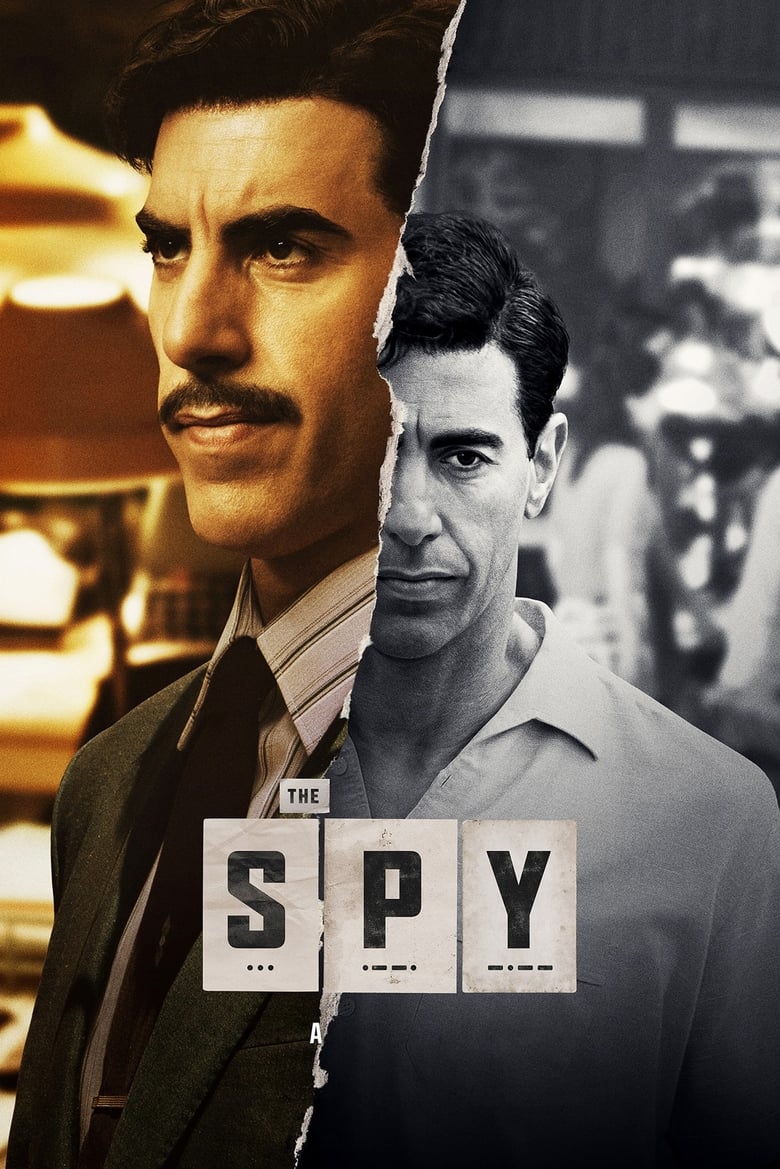
TV Show · 2019
In the 1960s, Israeli clerk-turned-secret agent Eli Cohen goes deep undercover inside Syria on a perilous, years-long mission to spy for Mossad.
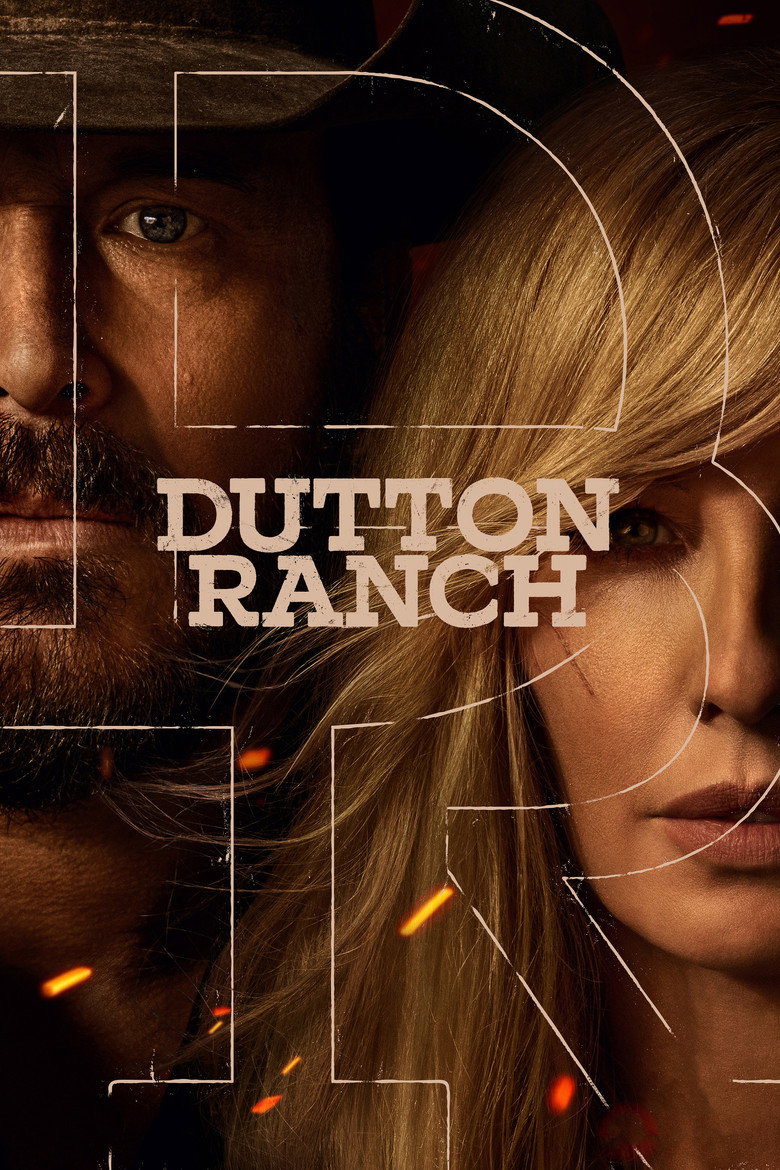
TV Show · 2026
Rip Wheeler and Beth Dutton gamble everything on a new life in South Texas, but the promise of building a future far from the ghosts of Yellowstone quickly collides with brutal…
