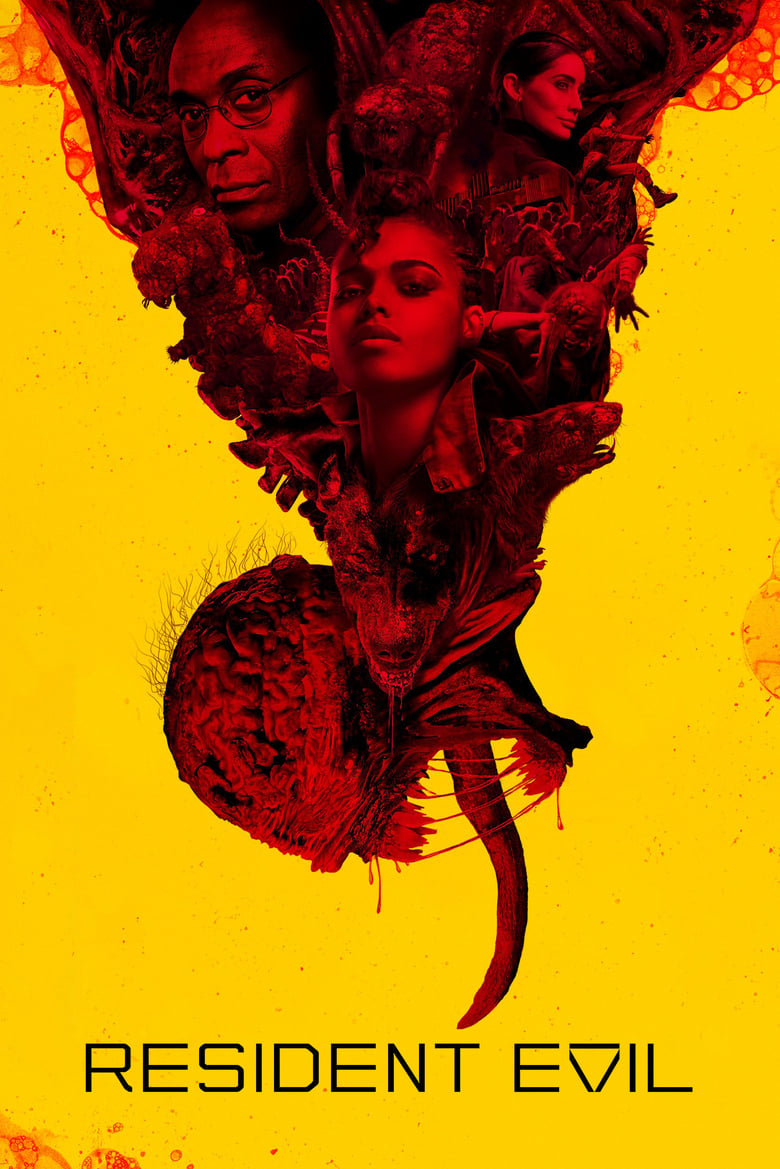

2022 · Based on 1 season, 8 episodes through July 14, 2022 ·
Resident Evil follows Jade Wesker across two timelines. In 2022, Jade and her twin sister Billie move to a guarded town built by Umbrella. In 2036, Jade travels through a ruined world filled with infected people and giant monsters. The story mixes family drama, science fiction, horror, and violent survival action. The show gives major roles to women, a black version of Albert Wesker, and a bisexual relationship involving Billie. Jade is often the main fighter, scientist, and problem solver, while many men serve as helpers, villains, or victims. Umbrella is shown as a powerful company that hides dangerous tests and treats people and animals as tools. These ideas are part of the story, but the main focus remains family conflict and monster survival.
Community feedback
Was our 63% Woke rating accurate?
Loading review details…
Breakdown
These are the editorial factors and ratings behind our score for Resident Evil.
Woke representation / casting
The series gives major roles to a Black Albert Wesker, black and mixed-race lead characters, and several women who control the main action. Jade is the central fighter and researcher in the future timeline. The cast is diverse across many important roles, but the marketing did not clearly present the show as a representation-first project. The score reflects a noticeable pattern in prominent roles.
45%
Woke political dialogue
The characters make some modern comments about power, science, and corporate abuse. The show does not often use direct speeches about race, gender, or social justice. Most dialogue serves the family drama, horror plot, or survival action.
12%
Identity-driven story themes
Billie’s relationship with Evelyn is a clear queer story element. Jade and Billie’s bond drives much of the season, and women often hold the strongest roles in science, combat, and leadership. These ideas recur across the season, but the main plot remains a virus outbreak and a damaged family.
43%
Western institutional / cultural critique
Umbrella is shown as a rich company that hides dangerous experiments and places profit above human life. The story also questions powerful companies, animal testing, and reckless science. The criticism targets corporate abuse rather than ordinary family life, religion, or conservative beliefs.
31%
Woke character or canon changes
The series changes established game canon by casting Lance Reddick as Albert Wesker and making him the father of Jade and Billie. It also turns the story toward original female leads instead of the game’s usual heroes. These identity and role changes were central to the adaptation and became a major fan complaint.
57%
Anti-woke backlash and complaints
Some fans called the show “woke” and blamed Netflix diversity choices for the casting and story changes. Complaints about Reddick playing Albert Wesker appeared across forums and social media, with some smaller gaming coverage reporting the dispute. The reaction spread widely among game fans, but no major public official, national political figure, or organized boycott drove it.
42%
Creator track record context
Andrew Dabb’s stored score is 20/100 because his work is mainly genre entertainment. He has supported inclusive casting, but he has no strong record of activist storytelling or public DEI campaigning. The other key creators have mostly low or moderate stored scores.
20%
Production
TV Show · 2017
Set in a near-dystopian future, a former cop is forced to take part in a death race where the cars run on human blood. You lose a leg and you lose your head.
TV Show · 2024
Jason Dessen is abducted into an alternate version of his life. To get back to his true family, he embarks on a harrowing journey to save them from the most terrifying foe…
TV Show · 2021
A single mother enters a world of twisted mind games when she begins an affair with her psychiatrist boss while secretly befriending his mysterious wife.
TV Show · 2021
Interconnected phone conversations chronicle the mysterious story of a group of strangers whose lives are thrown into disarray in the lead-up to an apocalyptic event.

TV Show · 2023
At the brink of going to hell, Yee-jae must cycle through twelve separate lives and twelve separate deaths in this reincarnation drama.
TV Show · 2016
Hundreds of years from now, the last surviving humans discover the means of sending consciousness back through time, directly into people in the 21st century.

TV Show · 2024
A mysterious event traps people on a rural Georgia farm, forcing them to unite against an unknown, deadly force. A young boy named Arlo becomes central to uncovering the truth.
TV Show · 2020
The story of the town and people who live above “The Loop,” a machine built to unlock and explore the mysteries of the universe – making things possible that were previously…
