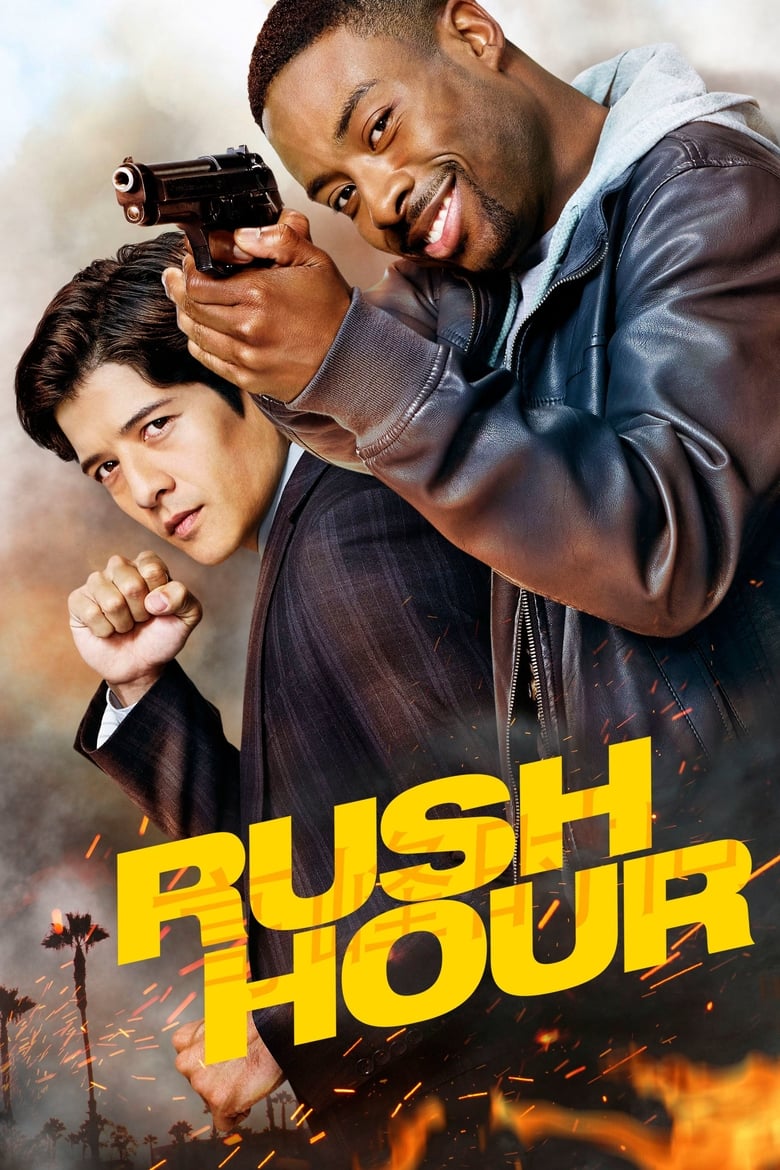

2016 · Based on 1 season, 13 episodes through August 20, 2016 ·
Rush Hour follows James Carter, a loud Los Angeles police detective, and Lee, a careful detective from Hong Kong. The two men must work together after Lee comes to Los Angeles to find a kidnapped Chinese official's daughter. Their cases involve gangs, killers, corrupt officers, and personal grudges. The tone mixes police action, broad jokes, martial arts, and culture-clash humor. The show uses a black lead and an Asian lead to build a buddy-cop story around cultural differences. Carter and Lee often joke about race, language, food, family, and social habits, but the show does not push a modern activist message. Women hold important police and criminal roles, yet the series does not make gender politics a main theme. The main message is that two very different men can become trusted partners.
Community feedback
Was our 18% Woke rating accurate?
Loading review details…
Breakdown
These are the editorial factors and ratings behind our score for Rush Hour.
Woke representation / casting
The show places a black detective and a Chinese detective at the center of a network crime series. Their partnership gives minority characters the main heroic roles. The story treats this as a buddy-cop setup, not as a stated diversity campaign. The casting is a mild representation signal because the two leads are clearly presented as the show's main appeal.
15%
Woke political dialogue
Carter and Lee make repeated jokes about race, language, and cultural habits. The dialogue does not promote DEI, activist ideas, or modern identity politics. The small score reflects identity-related jokes rather than political speeches.
8%
Identity-driven story themes
The series repeatedly uses racial and cultural differences to create conflict and comedy. Carter and Lee slowly learn respect and trust across those differences. The theme supports friendship between groups, but it stays inside a standard action-comedy story.
18%
Western institutional / cultural critique
Some police officers, wealthy people, and criminals are shown as dishonest or unfair. The show does not make a recurring attack on Western culture, traditional families, Christianity, or male authority. Its criticism stays tied to individual wrongdoing and crime plots.
5%
Woke character or canon changes
Not present in this title.
0%
Anti-woke backlash and complaints
Not present. No meaningful anti-woke complaint was found. Public criticism focused mainly on quality and racial stereotypes, while some right-leaning viewers praised the older franchise's humor rather than attacking this show as woke.
0%
Creator track record context
Bill Lawrence has a long comedy career centered on relationships, friendship, and personal growth. The stored director and writer scores show mostly mainstream entertainment work. Krystal Houghton Ziv's support for underrepresented writers adds some context, but no strong activist pattern shapes this series.
20%
Production

TV Show · 2016
Lone-wolf detective Angie Tribeca and a squad of committed LAPD detectives investigate the most serious cases, from the murder of a ventriloquist to a rash of baker suicides.
TV Show · 2016
Even though two brothers are completely separated from each other after the imprisoning of their father and the kidnapping of their twin brother, they meet by coincidence years…
TV Show · 2017
The origin story of younger, hungrier, former Green Beret Bryan Mills as he deals with a personal tragedy that shakes his world.
TV Show · 2023
Faced with ruthless foes with a violent thirst, two young boxers band together — risking life and limb to bring justice and protect their loved ones.
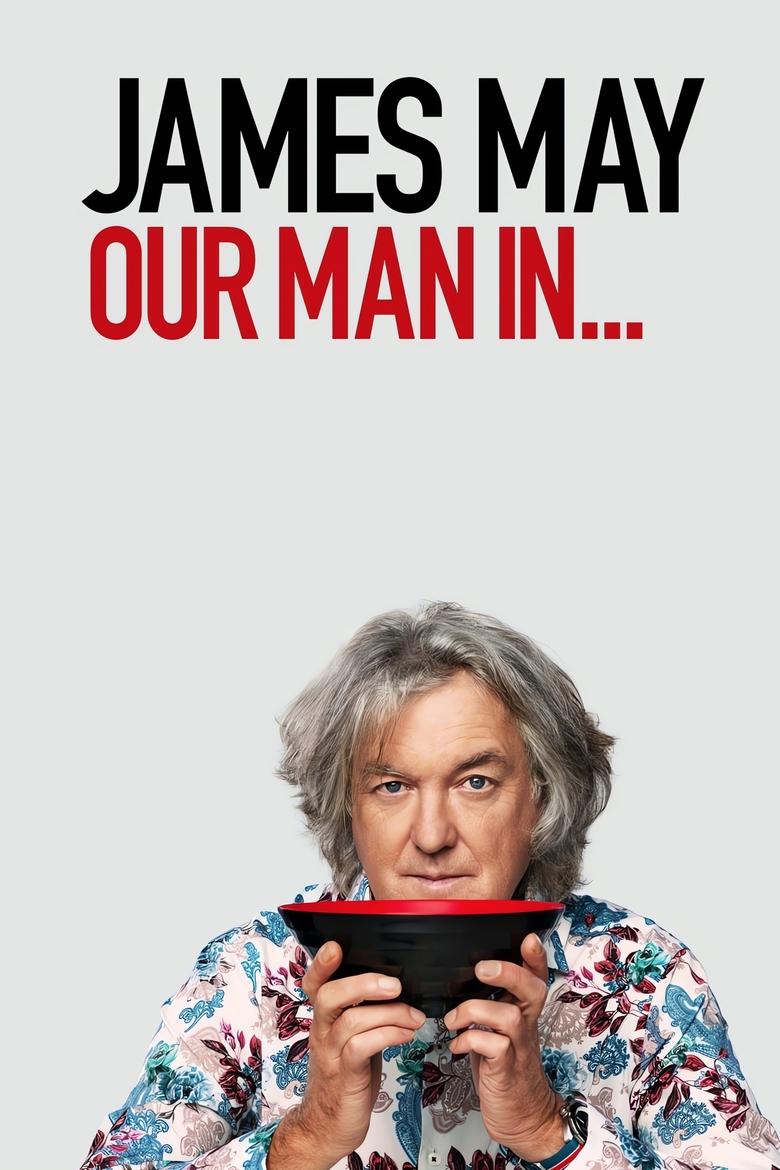
TV Show · 2020
James May embarks on a remarkable journey across Japan, from its icy north to its balmy south. He’ll see the sights, meet the locals, and eat the noodles in a bid to truly…
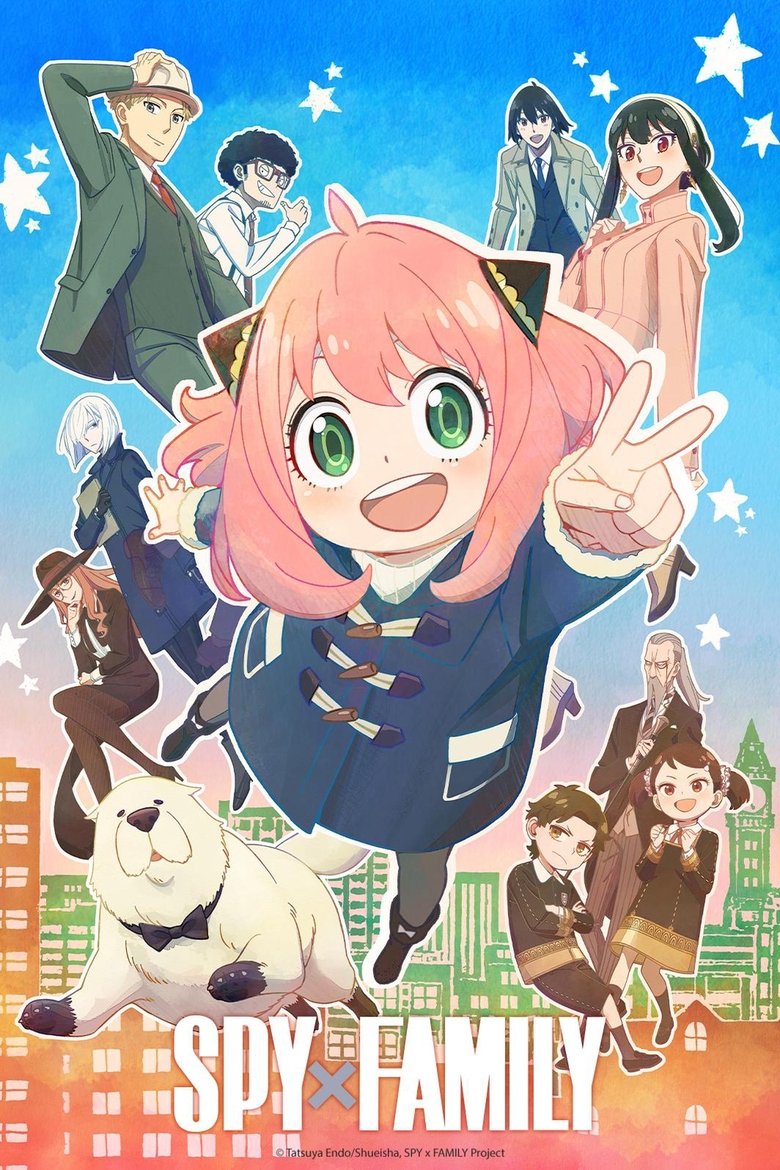
TV Show · 2022
A spy, an assassin and a telepath come together to pose as a family, each for their own reasons, while hiding their true identities from each other.
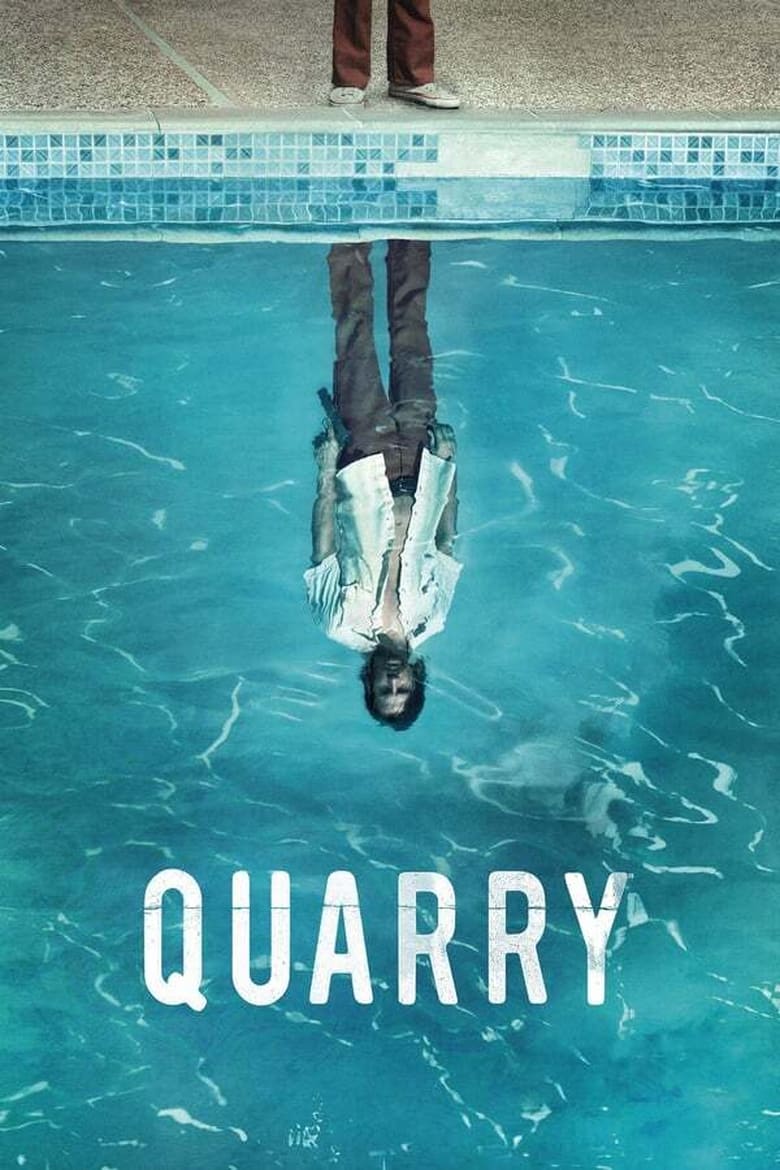
TV Show · 2016
The story of Mac Conway, a Marine who returns home to Memphis from Vietnam in 1972 and finds himself shunned by those he loves and demonized by the public.
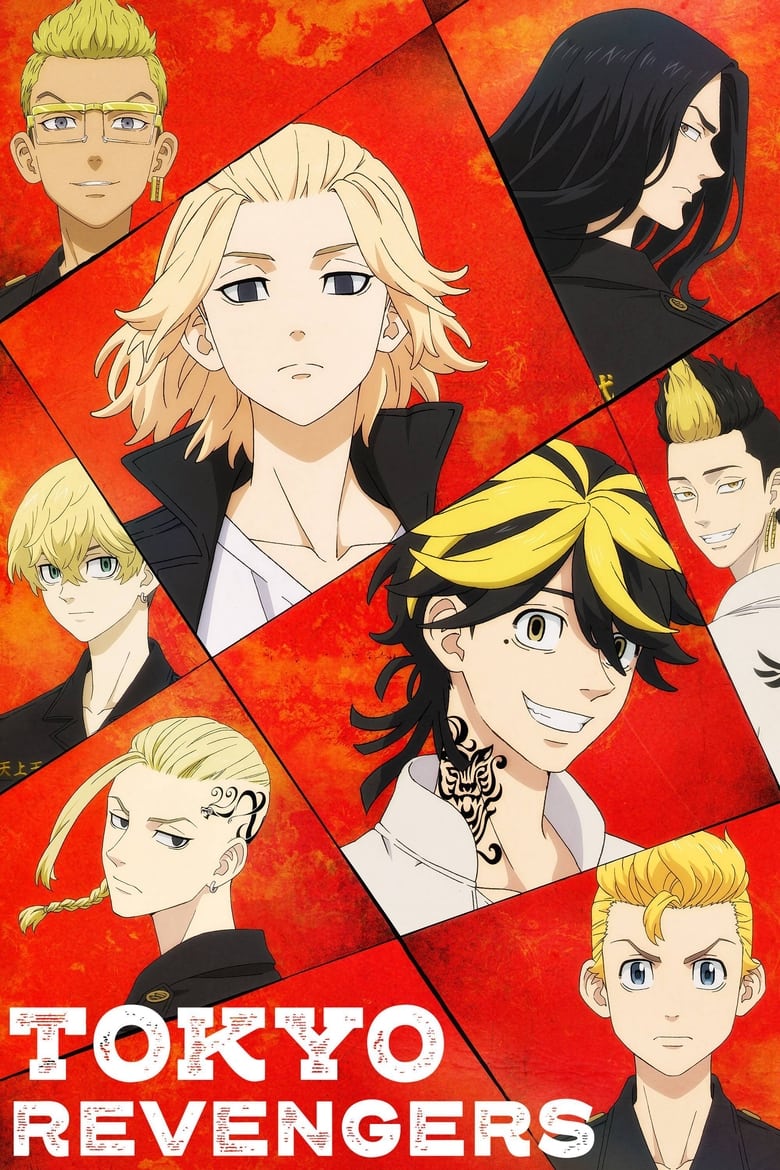
TV Show · 2021
Takemichi Hanagaki is a freelancer that’s reached the absolute pits of despair in his life. He finds out that the only girlfriend he ever had, in middle school, Hinata Tachibana…
