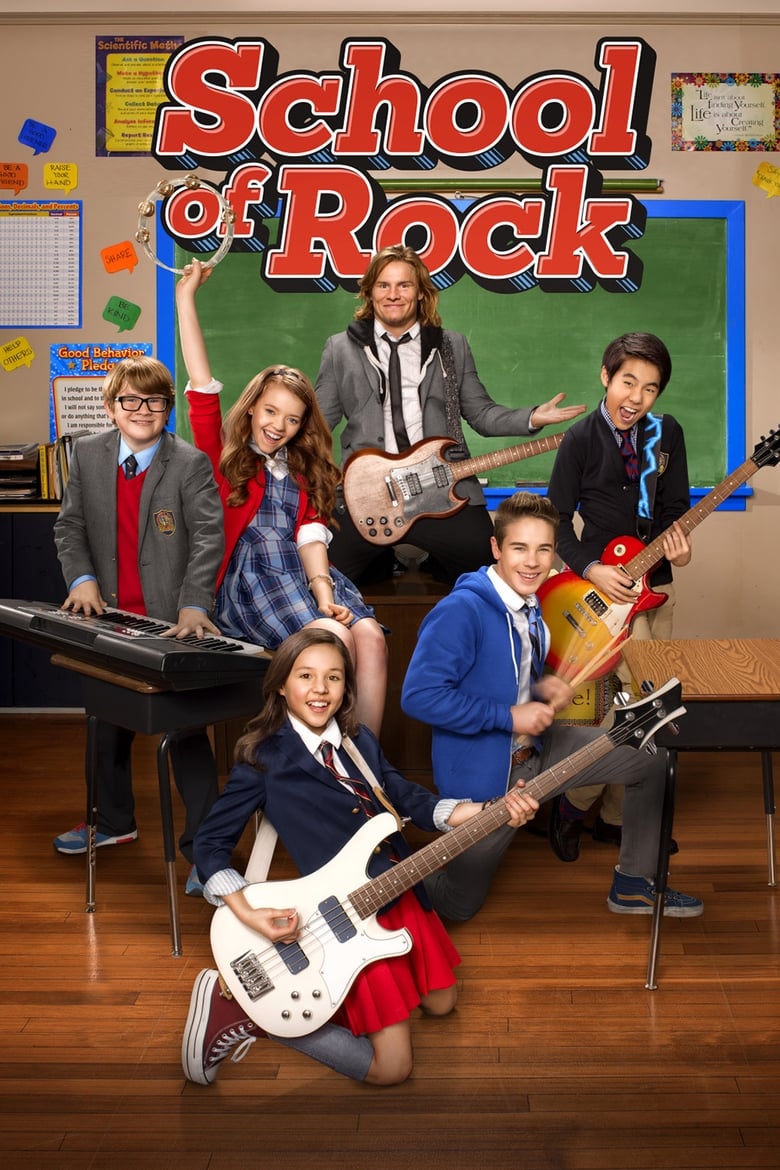

2016–2018 · Based on 3 seasons through April 8, 2018 ·
School of Rock follows Dewey Finn, a struggling musician who pretends to be a substitute teacher at a strict prep school. He secretly turns five rule-following students into a rock band. The students learn music, friendship, courage, and teamwork while hiding the band from their parents and school leaders. The tone is light, silly, and aimed at families. The show gives important roles to girls and students from different racial backgrounds. Summer manages the band, Tomika becomes a strong singer, and the students are encouraged to follow their talents instead of fitting into school rules. These ideas appear often, but the show mainly tells simple stories about music, friendship, confidence, and growing up. It does not make modern identity politics the main subject.
Community feedback
Was our 29% Woke rating accurate?
Loading review details…
Breakdown
These are the editorial factors and ratings behind our score for School of Rock.
Woke representation / casting
The main student group includes Black, Asian, Latino, and white characters. The group also gives girls major musical and leadership roles. This creates a clear diversity pattern in the central cast. The show does not strongly market this casting as an identity message.
35%
Woke political dialogue
Dewey often tells students to resist strict school rules and express themselves through rock music. The show uses lines about sticking it to authority, but they support creativity more than modern political ideas. Identity or DEI language is not a recurring part of the dialogue.
8%
Identity-driven story themes
The show repeatedly tells students to reject narrow expectations and discover their own talents. Summer and Tomika receive important stories about confidence, leadership, and performance. These themes are noticeable, but the main focus remains music, friendship, and comedy.
28%
Western institutional / cultural critique
The school is often shown as strict, dull, and focused too much on rules. Dewey challenges that system through music and personal freedom. The criticism stays broad and comic, without a strong attack on family, religion, or modern Western society.
14%
Woke character or canon changes
Not relevant. The series adds new stories and supporting characters to the film premise, but no clear woke identity change to an established character or real historical figure was found.
0%
Anti-woke backlash and complaints
Not present. No meaningful anti-woke complaint about the show pushing DEI, identity politics, or left-wing messaging was found. Audience criticism focused on quality, humor, and differences from the movie.
0%
Creator track record context
The stored directors and writers have mostly low woke scores and no clear record of activist work. Eric Dean Seaton has some diversity-related award recognition, but the available evidence does not show a strong activist pattern tied to this series.
10%
Production

TV Show · 2021
A series of shorts that follows the humorous misadventures of Dug, the lovable dog from Disney and Pixar’s “Up.” Each short features everyday events that occur in Dug's backyard…
TV Show · 2022
Follow the misadventures of the impulsive Cuphead and his cautious but persuadable brother Mugman in this animated series based on the hit video game.
TV Show · 2020
A series of short form cartoons starring the iconic and beloved Looney Tunes characters. Bugs Bunny, Daffy Duck, Porky Pig and other marquee Looney Tunes characters are featured…
TV Show · 2016
Being a pro athlete didn't pan out for Colt. Now he's helping his dad and brother keep the ranch afloat, and figuring out how he fits into the family.
TV Show · 2024
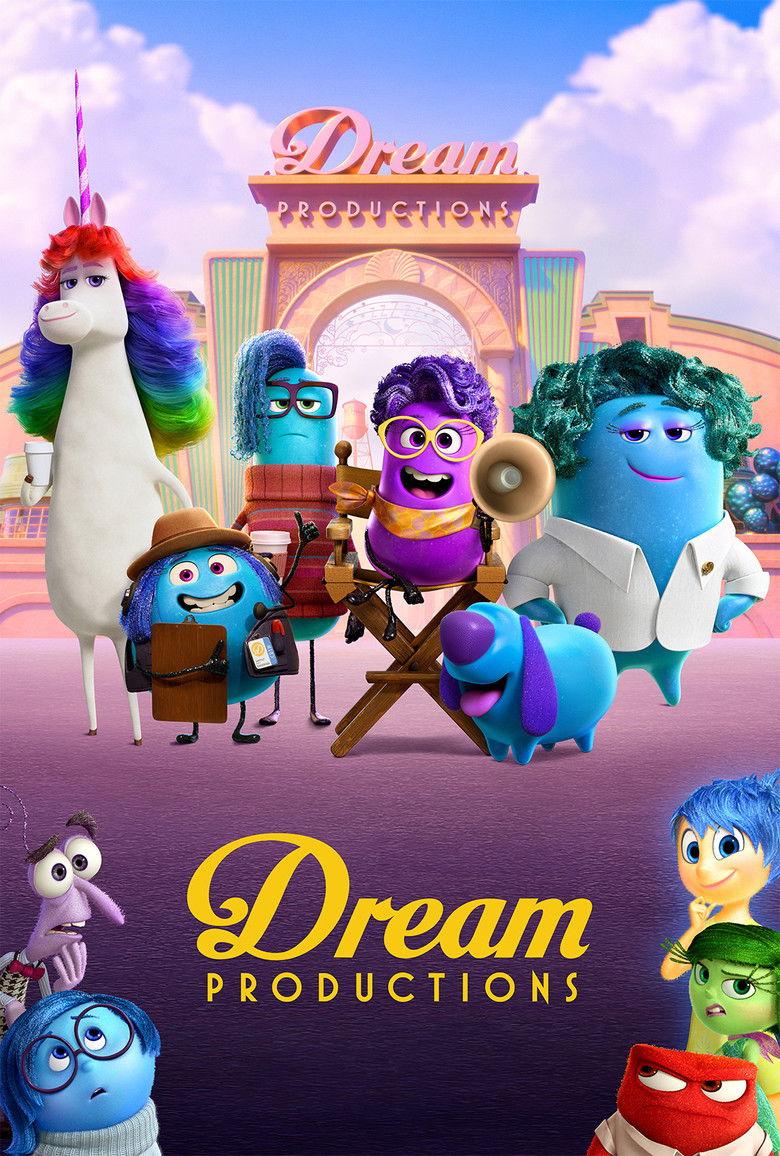
Riley is growing up and when her memories need some extra processing, Joy and the rest of the Core Emotions send them to Dream Productions.

TV Show · 2016
David Attenborough presents a documentary series exploring how animals meet the challenges of surviving in the most iconic habitats on earth.

TV Show · 2025
As Christmas approaches, a blundering-all-the-way dad juggles housesitting a posh London penthouse with an unexpected pickle: caring for a lost baby.

TV Show · 2018
Set in the summer of 1998 it is a story about conflicting emotions towards family members from the eyes of a twelve year old.
