

2016–2021 · Based on 3 seasons through June 20, 2021 ·
The Girlfriend Experience is an anthology drama about women who earn money as high-end escorts. Each season follows new characters as they balance paid intimacy with other parts of their lives. Christine is a law student in Chicago whose escort work clashes with her career. Later seasons move to Washington politics, New Mexico, and London’s tech world. The show has a cool, tense tone and often leaves viewers to judge the characters for themselves. The show repeatedly gives women control over their work and choices, even when those choices hurt them or others. Season two follows Erica, a political fundraiser, and Anna, an escort, as their work and romantic relationship become tangled. Their relationship makes queer themes a major part of that season, but the other seasons do not center queer identity. Across the series, men, money, work, and intimacy often appear tied to power and control. The show explores those ideas through its characters and events more than through political speeches.
Community feedback
Was our 63% Woke rating accurate?
Loading review details…
Breakdown
These are the editorial factors and ratings behind our score for The Girlfriend Experience.
Woke representation / casting
The show places independent, highly competent, and complex female leads at the absolute center of every season. Season 2 introduces a prominent storyline entirely focused on a lesbian relationship between a female political director and a high-end escort, with multiple other queer characters. While the casting fits the modern professional and cosmopolitan settings, the focus on female agency and queer identities is very strong.
15%
Woke political dialogue
Season two links sex, money, and political fundraising through Erica’s work for a Republican super PAC. The story shows political dealings as corrupt and transactional. The season-three interviews found focused on technology and desire, not activist messaging. The series does not rely on repeated identity or activist speeches.
16%
Identity-driven story themes
Each season centers a woman who makes choices about sex work and personal control. Season two gives substantial time to Erica and Anna’s relationship, which is sexual and romantic. Season one and season three focus more on work, money, and technology than on identity politics. The theme is important, but it does not define every season in the same way.
69%
Western institutional / cultural critique
The show links power and money to political fundraising, law firms, and technology companies. It also shows male clients using wealth to shape relationships. These stories offer a cynical view of work and intimacy, but they do not repeatedly present family life or traditional roles as the enemy.
63%
Woke character or canon changes
Not present in this title.
0%
Anti-woke backlash and complaints
Not present. Searches found no anti-woke complaints about the series in public coverage or the supplied X results. Some coverage discussed the political setting, but it did not report anti-woke criticism of the title.
0%
Creator track record context
Amy Seimetz has a documented feminist filmmaking background, and stored context rates several producers for socially focused work. Other listed writers and directors have lower scores. Season three’s creator coverage focused on sex, technology, and relationships rather than representation messaging.
44%
Production
TV Show · 2019
The true story of one of the worst man-made catastrophes in history: the catastrophic nuclear accident at Chernobyl.
TV Show · 2021
Follow the Dutton family as they embark on a journey west through the Great Plains toward the last bastion of untamed America.
TV Show · 2022
New York mafia capo Dwight "The General" Manfredi is released from prison after 25 years and exiled by his boss to set up shop in Tulsa, Oklahoma.
TV Show · 2024
In Japan in the year 1600, at the dawn of a century-defining civil war, Lord Yoshii Toranaga is fighting for his life as his enemies on the Council of Regents unite against him…
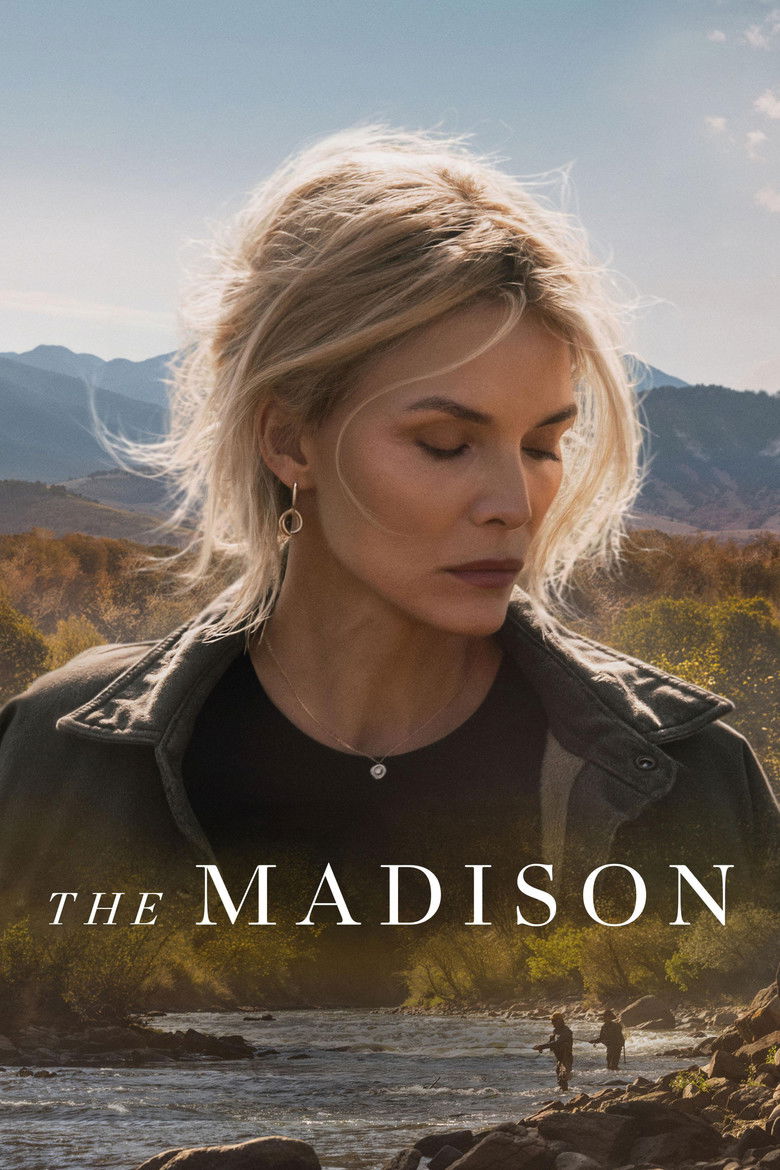
TV Show · 2026
The Clyburns uproot their comfortable New York City lives to the wild, untamed beauty of Montana's Madison River Valley on a search for connection.
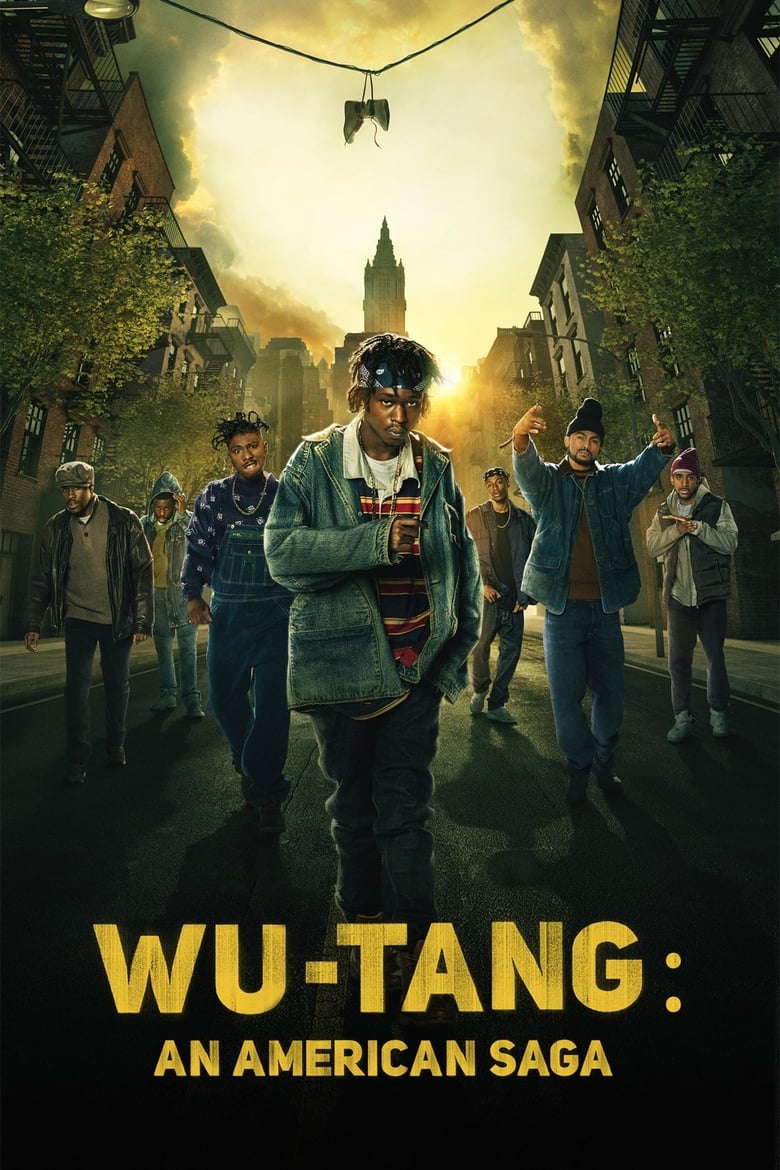
TV Show · 2019
In the early 1990s in New York, during the height of the crack cocaine epidemic, a visionary musician named Bobby Diggs aka The RZA begins to form a super group of a dozen young…
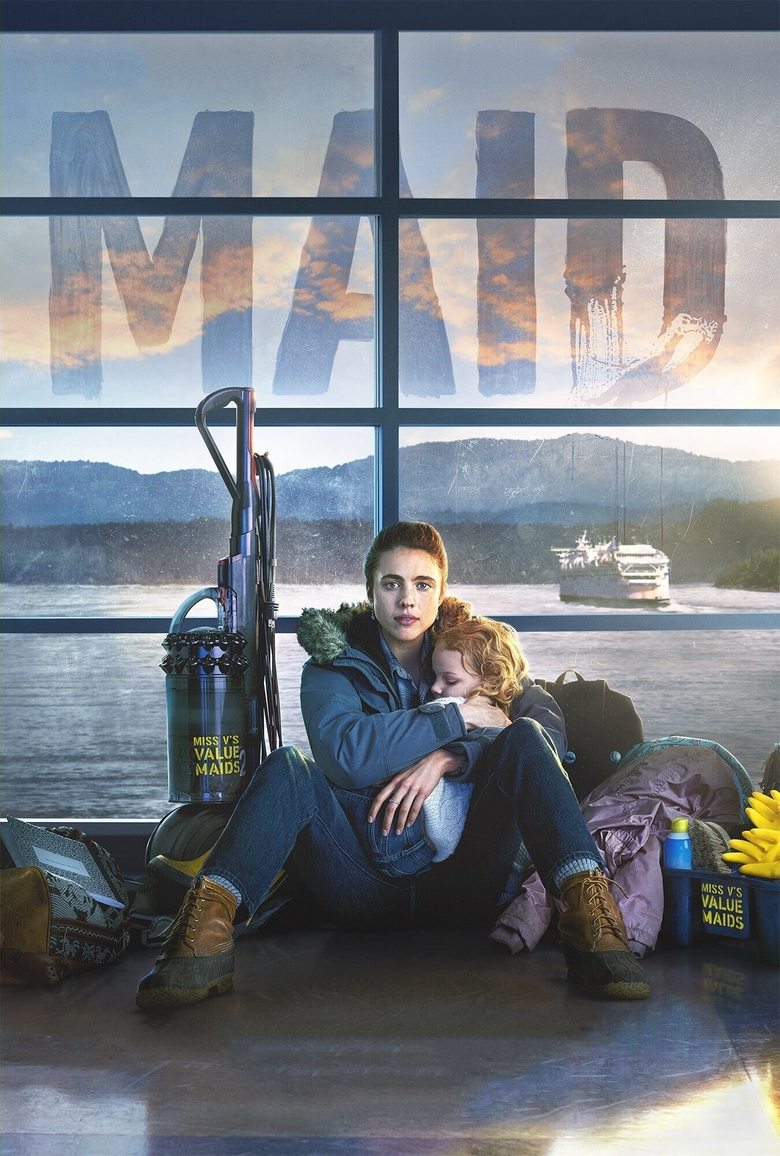
TV Show · 2021
After fleeing an abusive relationship, a young mother finds a job cleaning houses as she fights to provide for her child and build them a better future.
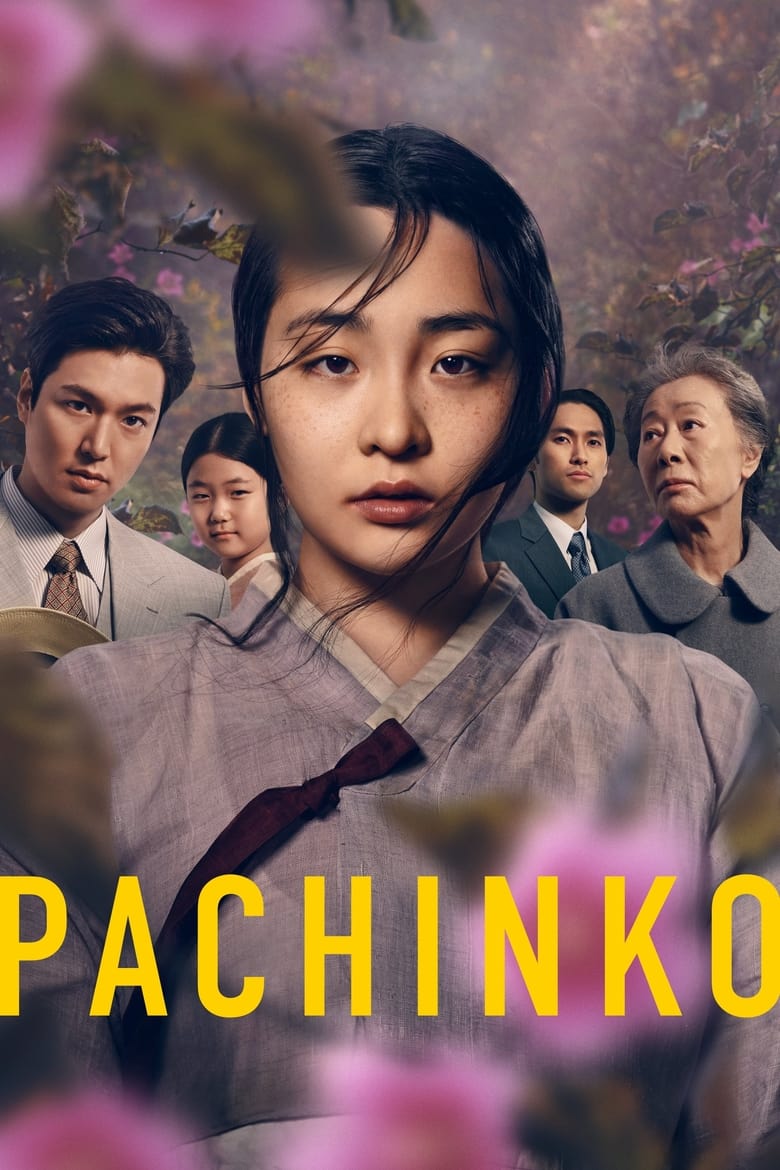
TV Show · 2022
This sweeping saga chronicles the hopes and dreams of a Korean immigrant family across four generations as they leave their homeland in an indomitable quest to survive and thrive.
